
whatsapp

How much does a double-cab commercial van cost?

A double-cab commercial van is a popular choice for business owners who want to transport both people and materials. Whether you work in construction, run a landscaping business or are involved in logistics, this type of vehicle offers a clever combination of load space and seating. But how much does a double-cab commercial van actually cost, and what should you look out for?

In this article, we answer the most frequently asked questions about buying, leasing and the costs of a double-cab commercial van. From second-hand models to new ones, and from financing to electric options: by the end of this article, you’ll know exactly where you stand.

What is a double cab company bus?

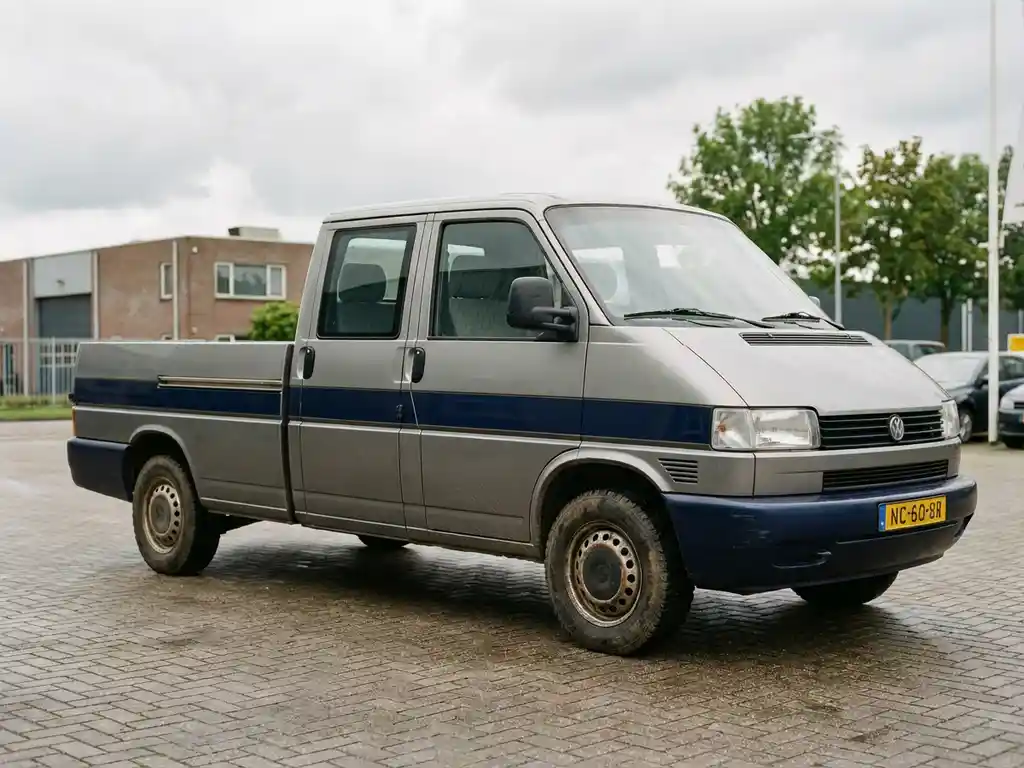
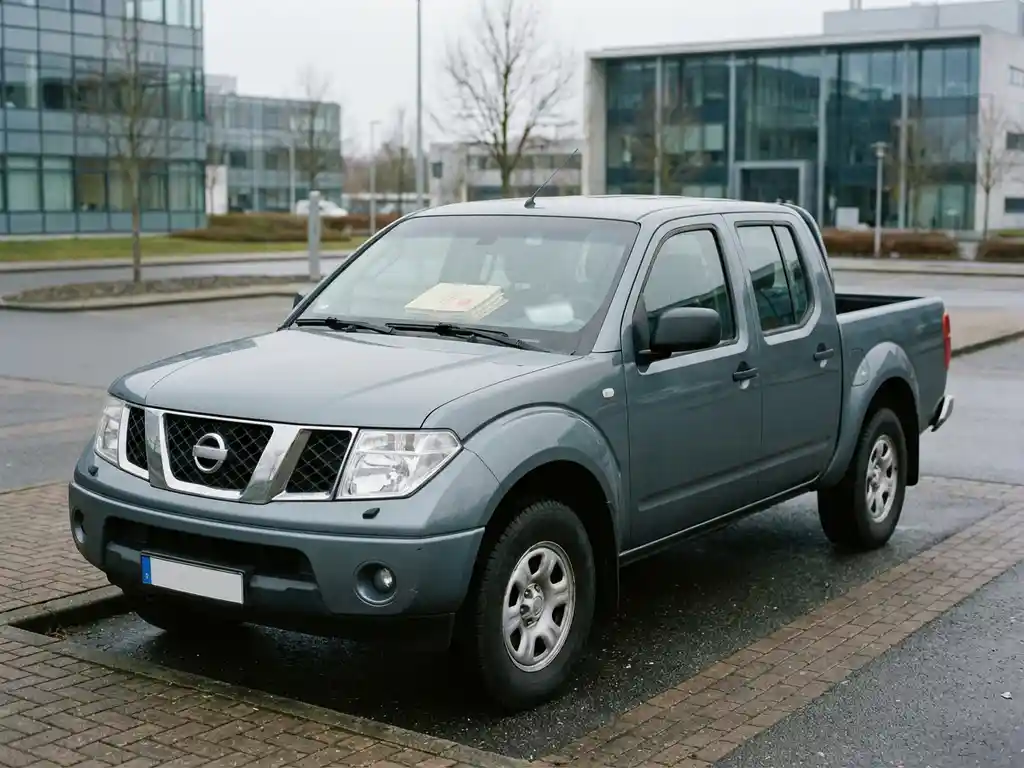
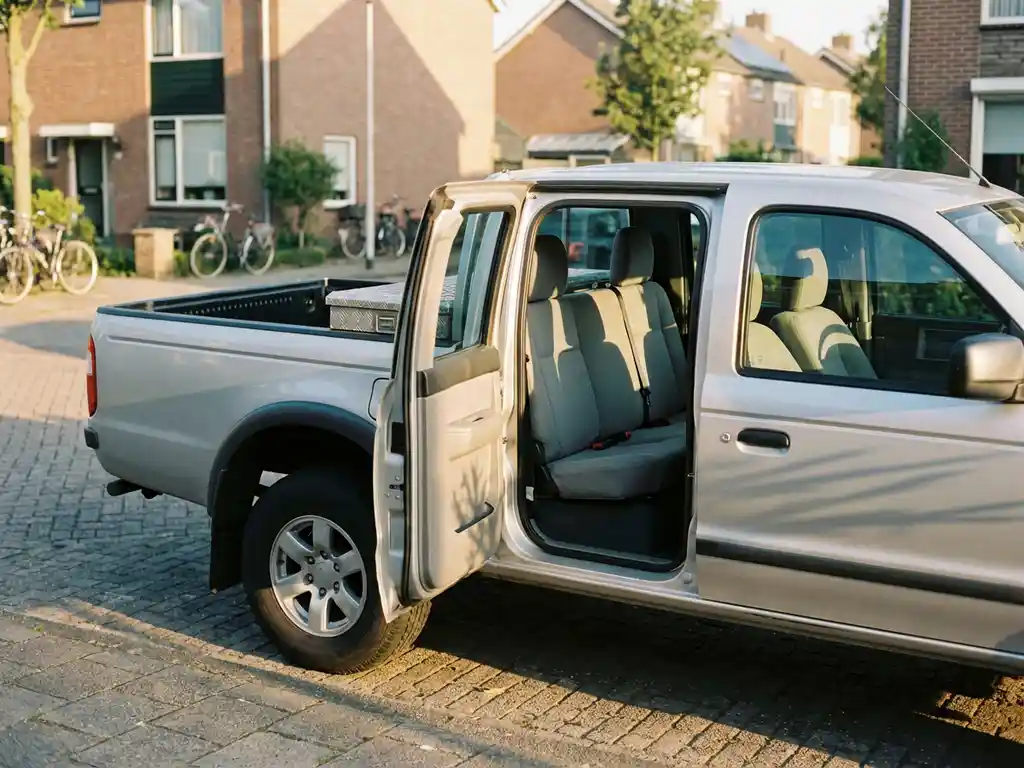
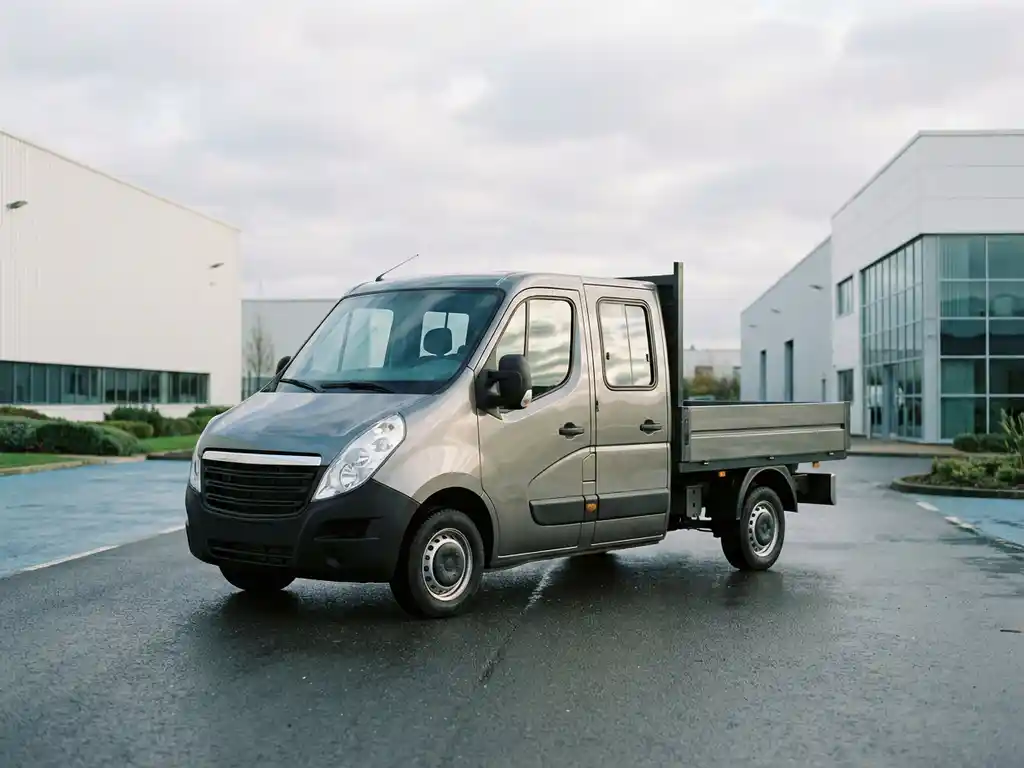
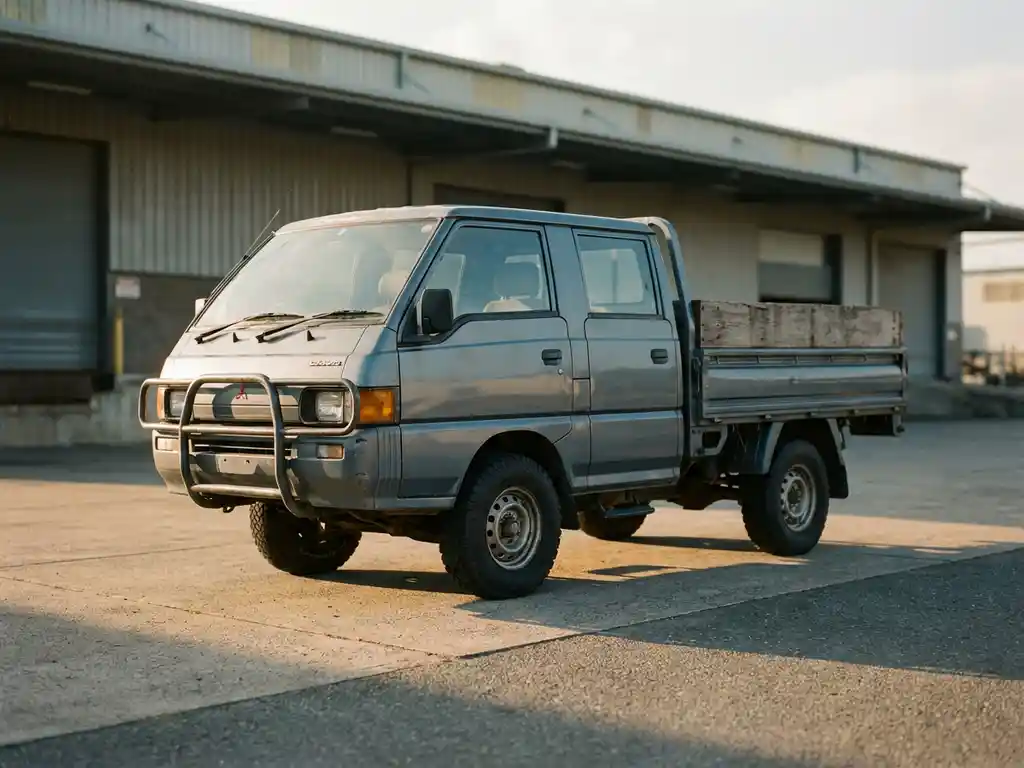
A double-cab commercial van is a van or light goods vehicle with two rows of seats and an open or enclosed load area behind the cab. This type of vehicle can accommodate five or six people and offers sufficient load capacity for tools, materials or goods.

The difference compared to a standard commercial van lies in the extra row of seats. Whilst a standard van usually has a maximum of three seats, the double cab offers space for an entire team. This makes the vehicle particularly suitable for teams travelling together to a work site, without the need for a separate passenger car.

What versions are available?

Double-cab commercial vans are available in various models. The most common variants are:

  • Double-cab pick-up: open-bed lorry, popular in the construction and agricultural sectors
  • Closed van with double cab: fully enclosed load compartment, suitable for valuable cargo
  • Double-cab tipper: tilting tipper body, ideal for earthworks and demolition work
  • Refrigerated lorry with a double cab: refrigerated cargo hold for temperature-sensitive goods

The choice of a specific model depends very much on your sector and day-to-day use. Think carefully about what you transport most often and how many colleagues will be travelling in it, as this will determine which type is best suited to your needs.

What determines the price of a double-cab commercial van?

The price of a double-cab commercial van is determined by a combination of factors: the make and model, the age and mileage, the specification, the engine and fuel type, and any additional options or fittings. All these factors together determine the final purchase price.

Below, we explain the key factors that determine prices:

  • Brand and model: Brands such as Mercedes-Benz, Volkswagen, Ford and Toyota have a higher residual value and often a higher purchase price than lesser-known brands.
  • Age and mileage: A five-year-old vehicle with high mileage is, of course, cheaper than a recent model with low mileage.
  • Drive system: Diesel is still the most common option, but electric commercial vehicles are becoming increasingly popular. An electric model has a higher purchase price, but lower running costs.
  • Payload capacity and weight class: Heavier vehicles with a higher load capacity cost more than their lighter counterparts.
  • Additional options and fittings: Consider options such as a load bed liner, a tow bar, side panels, a sat-nav or specific commercial fittings. These can significantly increase the price.

As well as the purchase price, running costs also play a part. These include fuel or energy, maintenance, insurance and road tax. For business drivers in particular, it is wise to calculate the total cost of ownership over several years, rather than just looking at the purchase price.

How much does a second-hand double-cab commercial van cost?

A second-hand double-cab commercial van costs on average between 10,000 and 35,000 euros, depending on its age, mileage, make and condition. Newer models with low mileage are at the upper end of this range; older vehicles or those with high mileage are considerably cheaper.

For business owners who make a conscious decision to buy a second-hand double-cab commercial van, this is an attractive option. You save on the purchase price and avoid the rapid depreciation that new vehicles experience in their first few years.

What are realistic price ranges for each segment?

To give you a better idea, here is a general overview of what you can expect on the second-hand market:

  • Budget (up to 15,000 euros): Vehicles over eight years old with a high mileage. Suitable as a temporary solution or for light use.
  • Mid-range (15,000 to 25,000 euros): Vehicles between three and seven years old, with a reasonable mileage. A good balance between price and quality.
  • High-end second-hand (25,000 to 35,000 euros): Young used cars, one or two years old, with low mileage. Almost-new quality at a lower price than a new car.

When buying a second-hand commercial van, always make sure you request the service history and have the vehicle inspected by a specialist. A low purchase price can quickly be offset by high repair costs if the vehicle has been poorly maintained.

How much does a new double-cab commercial van cost?

A new double-cab commercial van typically costs between 30,000 and 70,000 euros, excluding VAT. The price varies considerably depending on the make, engine type and specification. Electric models are at the higher end of this range, but are eligible for grants and tax incentives.

When you purchase a new vehicle, you benefit from a manufacturer’s warranty, the latest safety technology and a low risk of unexpected repair costs in the first few years. This makes a new double-cab commercial van an attractive option for businesses that prioritise certainty and reliability.

Electric double-cab company van: how much does it cost?

Electrical variants New double-cab commercial vans can easily cost between 50,000 and 80,000 euros. That is a significant investment, but the total cost of ownership is often lower over the vehicle’s lifetime thanks to lower energy and maintenance costs.

Furthermore, there are tax benefits for business drivers associated with leasing or buying an electric company car. These include a lower additional tax liability, exemption from motor vehicle tax and potential subsidies through schemes such as the MIA and Vamil. It is wise to factor these benefits into your calculations before making a decision.

What are the costs of leasing a double-cab commercial van?

The monthly lease costs for a double-cab commercial van average between 500 and 1,200 euros per month for a finance lease, and between 700 and 1,500 euros per month for an operating lease. The exact amount depends on the lease term, the annual mileage, the vehicle and the services selected.

For many business owners, leasing is an attractive alternative to buying outright. It allows you to retain your working capital, keeps your monthly costs predictable, and, with an operating lease, you can include maintenance and insurance in the monthly payment.

Finance lease or operating lease: what’s the difference?

At financial lease You finance the purchase of the vehicle through monthly instalments. At the end of the term, you become the owner. This is similar to a loan and gives you full control over the vehicle.

At operating lease You hire the vehicle for a fixed period and return it at the end of the term. Servicing, insurance and, in some cases, tyres are often included in the monthly payment. This offers maximum peace of mind and clarity regarding the monthly costs.

For self-employed people and SMEs looking for flexibility and transparent costs, an operational lease is often the most practical choice. If you eventually want to own the vehicle and have a stable cash flow, a finance lease or outright purchase may prove more cost-effective in the long term.

Leasing an electric commercial vehicle: additional benefits

There are additional tax benefits when leasing an electric company car. The tax-related benefit in kind for electric vehicles is lower than for fossil-fuel-powered vehicles, which is particularly relevant if the vehicle is also used for private purposes. This makes leasing an electric company car a financially attractive option for many business drivers.

What should you look out for when buying a double cab commercial van?

When buying a double-cab commercial van, you should check the condition of the bodywork and the maintenance history, the load capacity in relation to your needs, the driving experience and comfort for multiple passengers, and the availability of spare parts and servicing. Thorough preparation helps to avoid costly surprises later on.

The key points to bear in mind are listed below:

  • Maintenance history: Always ask to see the service history and check that the vehicle has been serviced regularly by an authorised workshop.
  • Bodywork and rust formation: Commercial vehicles are put under a lot of strain. Check the underside, wheel arches and load floor for rust or wear and tear.
  • Payload and towing capacity: Make sure the vehicle can handle the weight you carry on a daily basis. Overloading is not only dangerous, but can also prove costly if you’re stopped for a check.
  • Fuel type and emission standards: Environmental zones are being introduced in more and more cities. Check that the vehicle complies with the applicable standards in your area of operation.
  • Seating comfort and ergonomics: If your staff travel in the vehicle on a daily basis, the comfort of the second row of seats is an important consideration. Test this during a test drive.
  • Warranty and after-sales service: When buying from a specialist dealer, you often have greater certainty regarding the warranty and after-sales service than when buying from a private seller.

Take the time to compare several vehicles and seek advice from someone who knows what they’re talking about. Making the right choice now will save you a lot of money and hassle later on.

How we can help you find the right double-cab commercial van

With over 60 years’ experience in the sale and leasing of commercial vehicles, we help business owners make the right choice every day. Whether you’re looking for an affordable used vehicle, a new double-cab commercial van or a flexible leasing solution, we’ll work with you to find the best solution and provide honest advice, with no hidden costs.

Here's what we can do for you:

  • A large and varied fleet of double-cab commercial vans, including electric models
  • Personalised advice on purchase, finance lease or operating lease, tailored to your situation
  • Transparent pricing and clear contracts with no small print
  • A stock alert service, so you’re the first to know about new arrivals that match your preferences
  • Regional expertise in the Helmond area and North Brabant

Would you like to find out which double-cab commercial van is best suited to your business? Please get in touch with us for a no-obligation chat, or take a look at our current offer of commercial vehicles online. We’re here to help you.
Can you lease an electric company car without your own charging point?

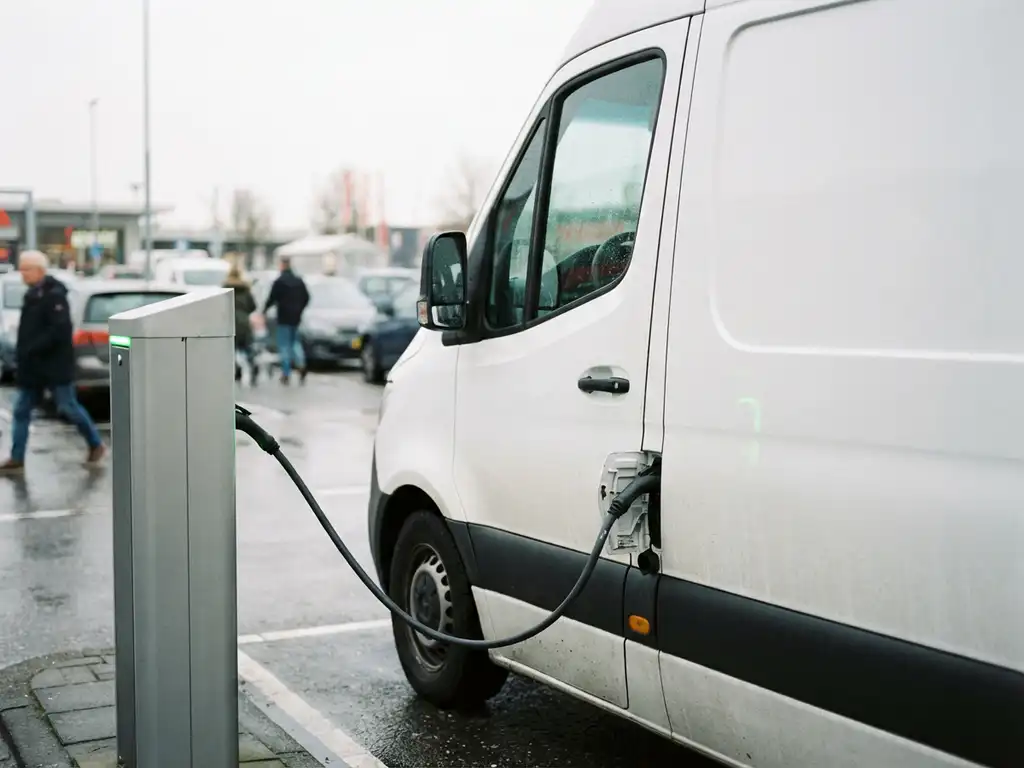
More and more business owners are opting to lease an electric commercial vehicle, but a frequently asked question is: what do you do if you don’t have your own charging point? Whether you’re buying a small van, a commercial minibus with double cabin Whether you’re leasing or switching to an all-electric fleet, the issue of charging is always a factor. Fortunately, there are more options than you might think.

In this article, we answer the most frequently asked questions about driving an electric car without your own charging point. From practical charging solutions to costs and contract options: here you’ll find everything you need to make an informed decision.

Can you lease an electric company car without a charging point?

Yes, you can lease an electric company car without your own charging point. Having your own charging point is handy, but by no means a requirement. Many business owners charge their vehicles using public charging points, charging stations at petrol stations or charging infrastructure on their business premises. As long as you have a workable charging strategy, having your own charging point is optional.

The question is not so much whether it’s possible, but whether it’s practical enough for your specific situation. A self-employed driver who follows a fixed route every day and charges at home or at the company in the evening has different needs to a fleet manager with several vehicles that are on the road all day. It’s all about planning and understanding your daily mileage and available charging times.

The Netherlands now has one of the densest charging networks in Europe. Public charging points are easily accessible in urban areas and on industrial estates. For businesses in regions such as North Brabant, including Helmond and the surrounding area, coverage is, in most cases, sufficient to operate without their own charging point.

How do you charge an electric company car if you don’t have your own charging point?

If you don’t have your own charging point, you have three main options: public charging points, roadside fast chargers and charging on company premises using an existing power supply. Which option works best depends on your driving habits, your vehicle’s range and how flexible your schedule is.

Public charging points

Public charging points are the most accessible option. Using providers such as Allego, Fastned or charging cards from energy suppliers, you can charge your electric company car at a wide network of locations. Many business parks, multi-storey car parks and shopping centres now have charging points available.

For everyday use, this works best if your vehicle can be charged overnight or during work breaks. A small electric van with a range of 200 to 300 kilometres usually only needs to be fully charged once or twice a week, depending on your driving habits.

Fast chargers on the way

Fast chargers, also known as DC fast chargers, charge your vehicle considerably faster than standard AC charging points. You can charge a large proportion of the battery in 20 to 45 minutes. This is ideal if you’re travelling long distances or need your vehicle to be ready quickly. You’ll find these fast chargers increasingly often along motorways and at larger petrol stations.

Charging on company premises via a mains socket

If you have access to a standard socket or a heavy-duty industrial socket on your business premises, you can also use this to charge your vehicle. This is slower than using a dedicated charging point, but for vehicles that are parked overnight, this is a perfectly good solution. Do make sure, however, that you have the electrical installation checked for suitability and safety.

How much does it cost to charge your car if you don’t have your own charging point?

Charging without your own charging point is generally more expensive per kilowatt-hour than charging at home or using your own charging point. On average, you pay more at public charging points than when charging at home, and fast chargers are usually even more expensive due to their higher power output and infrastructure costs. The exact costs vary by provider and location.

Having your own charging point or home connection offers the lowest cost per kilometre, especially if you’re on a business electricity contract or use off-peak electricity rates. With public charging, you pay per kilowatt-hour or per minute, depending on the provider. This can make a noticeable difference over the course of a year, particularly for a double-cab company van or a heavier vehicle with a larger battery.

How can you keep charging costs under control?

There are a few ways to keep costs under control:

  • Use a charging card or app that combines multiple networks to ensure clear billing
  • Plan your charging sessions at locations with lower rates, such as supermarket car parks or local authority charging points
  • Choose a lease contract that includes charging costs or a charging budget in the monthly fee
  • Monitor fuel consumption per vehicle using a journey log system or fleet management software

For fleet managers who operate multiple electric vehicles, it is worth putting a structured charging strategy in place. Minor adjustments to the schedule can significantly reduce overall charging costs.

Does a lease contract also provide a solution for charging?

Yes, more and more leasing companies are offering charging solutions as part of the lease agreement. These range from a charging card for public networks to a fully managed package that also includes the installation of a charging point at your home or business. It depends on the type of lease contract and the provider.

With an operating lease for an electric company car, you can often opt for an all-inclusive package. In addition to the monthly lease payment, this includes insurance, maintenance and, in some cases, a charging allowance. This gives you, as a business owner, clarity on your fixed monthly costs, with no surprises later on.

Finance lease versus operating lease

With a finance lease, you are responsible for arranging the charging infrastructure and covering any additional costs yourself. With an operating lease, the leasing company has greater scope to bundle additional services. For business owners who want everything taken care of, an operating lease is therefore often the more attractive option.

When taking out a lease agreement, always ask explicitly about the charging options. Some providers work with charging point installers and can include this as a bespoke solution. That way, you don’t have to arrange things with separate parties yourself and you know exactly where you stand.

When is a private charging point actually the better choice?

Having your own charging point is the better choice if you drive long distances every day, operate several electric vehicles, or if the public charging infrastructure in your area is limited. A private charging point is also a sensible investment if you want to reduce your charging costs in the long term or have complete control over availability and charging times.

For a self-employed person with a single small van that is parked at home in the evenings, a home charger quickly pays for itself. For a company with a fleet of five or more vehicles, having its own charging point on the premises is almost always more cost-effective than relying on public charging facilities on a regular basis. The payback period depends on consumption, energy costs and any subsidies.

Grants and tax incentives

In the Netherlands, there are schemes that make purchasing a charging point financially attractive. The ISDE grant (Investment Grant for Sustainable Energy) may, in some cases, apply to business charging points. In addition, you can claim the cost of purchase and installation as business expenses. It is worth having this properly investigated in advance by a tax adviser or your leasing partner.

The additional tax liability for electric commercial vehicles is lower than for fossil-fuel vehicles, which has a positive impact on overall running costs. Combine that with cheap charging via your own charging point, and the business case for electric driving quickly becomes compelling.

How we can help you lease an electric commercial vehicle

At Van den Hurk Commercial Vehicles, we’re happy to help you find the right electric commercial vehicle, whether you’re looking to buy a small van, lease a double-cab commercial van, or switch to a fully electric fleet. We understand that the issue of charging is a barrier for many business owners, which is why we actively work with you to find practical solutions that suit your situation.

What we can do for you:

  • Advice on suitable electric commercial vehicles from our ample stock, including vehicles with a long range
  • An understanding of the different types of lease and the charging solutions available under each
  • Advice on choosing between a purchase, a finance lease or an operating lease
  • A personalised consultation on your driving profile and the corresponding charging strategy
  • Information on tax reliefs and grants that may apply

Would you like to find out which electric commercial vehicle is best suited to your business, even if you don’t have your own charging point? Please get in touch or pop into our office in Helmond for a no-obligation chat. We’d be happy to help you find the right solution.

How much will it cost to buy a small van in 2026?

Buying a small van is a big decision for many business owners. Whether you’re a self-employed person buying your first van or an SME expanding your fleet, the costs can quickly add up. In this article, we answer the most frequently asked questions about buying a small van in 2026, so that you’re well prepared to make the right choice.

From the purchase price to additional costs, from new versus used to the question of when leasing is the smarter option: we’ve set everything out clearly for you. That way, you’ll know exactly where you stand before you buy a small van.

What will be the average purchase price of a small van in 2026?

The average purchase price of a small van in 2026 will be between 15,000 and 35,000 euros for a new vehicle, depending on the make, model and engine type. For a second-hand small van, you’ll typically pay between 8,000 and 20,000 euros, depending on its age, mileage and condition.

The price range is wide because the ‘small van’ segment encompasses many different vehicles. These include popular models such as the Volkswagen Caddy, Renault Kangoo, Ford Transit Connect, Citroën Berlingo and the Opel Combo. These vehicles are available as standard vans, but also as double-cab van, which significantly increases the price. A double-cab version can easily cost between 3,000 and 6,000 euros more than the standard model, as it includes extra seats and a separate cab.

Electric small vans

Electric versions of small vans will become increasingly common in 2026, but they will also be more expensive to buy. A new electric small van can easily cost between 30,000 and 45,000 euros. Models such as the Renault Kangoo E-Tech, Citroën ë-Berlingo and Volkswagen Caddy Electric fall into this category. The higher purchase price is partly offset by lower running costs, tax benefits and lower maintenance costs in the long term.

Please bear in mind that the exact price depends heavily on the options you choose. Extra boot space, a tow bar, air conditioning or a specific colour: all these choices affect the final price. Always ask for an itemised quote so that you know exactly what you’re getting for your money.

What additional costs should you factor in when making a purchase?

As well as the purchase price itself, there are always additional costs involved in buying a small van. You should allow for a total of 10 to 20 per cent on top of the list price to cover costs such as insurance, tax, fitting-out and maintenance in the first year.

A summary of the main additional costs:

  • Motor Vehicle Tax (MRB): Special rates apply to commercial vehicles. Fully electric vans are exempt from motor vehicle tax (MRB) until the end of 2025, but this is set to change in the coming years. Please check the current rates with the Tax and Customs Administration.
  • Insurance: Commercial third-party liability insurance for a small van costs on average between 500 and 1,500 euros a year, depending on the cover, use and claims history.
  • BPM: Vans are generally exempt from BPM, but please check this when purchasing a specific model.
  • Layout of the load compartment: Racking, loading platforms and securing systems can easily cost an extra 500 to 3,000 euros, depending on your sector.
  • Maintenance and MOT: You should expect to pay an average of 500 to 1,200 euros a year for routine maintenance, tyres and the MOT test.
  • Fuel or loading costs: Depending on how it is used, fuel can be a major expense. Driving an electric vehicle works out cheaper per kilometre, but requires a charging solution.

Don’t forget the costs of transferring the registration and any dealer fees. When buying a second-hand van from an authorised dealer, these costs are often included in the price, but always check this.

What is the difference between a new and a second-hand small van?

The main difference between a new and a second-hand small van lies in the purchase price, the warranty and the risk of unexpected costs. A new van comes with a manufacturer’s warranty and the latest technology, but costs considerably more. A second-hand van is cheaper to buy, but requires more care when choosing and inspecting it.

Advantages of a new small van

  • Manufacturer’s warranty, usually lasting between 2 and 5 years
  • No hidden defects or wear and tear
  • The latest safety systems and technology
  • Lower risk of unexpected repair costs in the first few years
  • Higher residual value on resale

Advantages of a second-hand small van

  • Significantly lower purchase price
  • Less depreciation in the early years (a new vehicle can quickly lose 20 to 30 per cent of its value in the first year)
  • Faster availability, no waiting times
  • Suitable for start-up entrepreneurs on a limited budget

The choice between new and second-hand depends largely on your budget, the expected lifespan of the van and how intensively you use it. If you use the van every day and cover a lot of kilometres, a new van may work out cheaper in the long run due to lower maintenance costs. For light use, a good second-hand van is often the smartest choice.

When is leasing cheaper than buying?

Leasing is cheaper than buying if you want to maintain liquidity, don’t want to invest a large sum all at once, or if you want to claim the full cost of the van as a business expense. An operational lease is particularly attractive if you want a fixed monthly cost with no surprises, including maintenance and insurance.

With a finance lease, you pay a monthly amount and become the owner of the vehicle at the end of the term. With an operational lease, you return the vehicle at the end of the term. The choice depends on your financial situation and how long you want to use the van.

When is it cheaper to buy?

Buying is more cost-effective if you intend to use the van for the long term, do not want any monthly commitments and also wish to capitalise the van as a business asset on your balance sheet. Do you have sufficient equity and do you still want to be driving the same van in five to seven years’ time? If so, buying is the more financially attractive option.

For electric commercial vehicle lease There is an additional argument in favour of this: technology is developing rapidly. By leasing, you can benefit from a newer model with a better range at the end of the lease term, without being stuck with outdated technology. This makes leasing an electric vehicle more attractive to many business owners than buying one.

Always work out the total costs over the planned period of use. When buying, add up the purchase price, maintenance, insurance and residual value. Compare this with the total leasing costs over the same period. This will quickly show you which option is the most cost-effective for your situation.

Which small vans are the most economical to run?

The most economical small vans to run are models with low fuel costs, reliable engineering and good parts availability. In practice, the Volkswagen Caddy, Renault Kangoo and Citroën Berlingo consistently score well on total running costs, also known as Total Cost of Ownership (TCO).

What determines the running costs:

  • Fuel consumption: A fuel-efficient diesel engine or electric powertrain significantly reduces the cost per kilometre.
  • Maintenance intervals: Some brands have longer service intervals, which helps to keep maintenance costs down.
  • Parts price and availability: Popular models have cheaper and more readily available parts.
  • Residual value: Brands such as Volkswagen and Renault generally retain a higher residual value, which is an advantage when reselling or trading in a vehicle.

Electric versus diesel: which is cheaper to run?

Small electric vans are cheaper to run per kilometre than their diesel counterparts, especially if you charge them at home or at a business charging point. However, the higher purchase price and any costs for charging infrastructure need to be factored into the overall calculation. For business owners who drive many kilometres every day in urban areas, electric vehicles quickly become the more economical option. If you drive infrequently or over long distances, diesel remains a practical choice for the time being.

What should you look out for when buying a second-hand small van?

When buying a second-hand small van, you should check the vehicle’s service history, mileage, technical condition and legal status. A thorough inspection will prevent you from facing unexpected costs later on.

Always check the following points:

  • Maintenance booklet: Has the vehicle been serviced regularly? Have all service records been documented?
  • Mileage: Check with the RDW to see if the mileage matches the vehicle’s history.
  • Bodywork: Look out for rust, dents and paintwork damage. These may indicate previous damage or careless use.
  • Technical inspection: Have the vehicle inspected by an independent garage or an ANWB specialist before you buy it.
  • Load compartment and floor: Check for wear and tear, damage and whether any fittings are securely fastened.
  • History of ownership: Ask about the number of previous owners and the vehicle’s use (private or business).
  • Remaining warranty period: Is the vehicle still covered by the manufacturer’s warranty, or does the seller offer their own warranty?

Also check the MOT date. A vehicle with a recent MOT offers greater peace of mind, but is no substitute for a full technical inspection. It is best to buy from an authorised dealer that inspects the vehicles itself and offers a warranty. This provides peace of mind and protection should anything turn out to be wrong after purchase.

How we help you buy a small van

At Van den Hurk Commercial Vehicles, we provide practical support at every stage of the purchasing process. With over 60 years’ experience in the Helmond and North Brabant region, we know the market inside out, and we’re on hand to offer you honest and personalised advice.

Here’s what we do for you:

  • A large and varied stock of small vans, both new and used, including electric models and double-cab versions
  • Transparent pricing with no hidden costs, so you know exactly where you stand
  • Personalised advice on whether to buy or lease, tailored to your business situation and budget
  • Flexible leasing options for the self-employed, SMEs and fleet managers
  • Stock alert service via our website, so you’re the first to know about new stock

Whether you’re looking for an affordable second-hand van, a double-cab commercial van or an electric commercial vehicle on a lease: we’d be happy to help you find the right solution. Please get in touch with us or View our current range online and find out what we can do for your business.

What is the minimum term for an electric company car lease?

Electric commercial vehicle leasing is becoming increasingly popular amongst business owners and fleet managers. The switch to electric driving offers benefits in terms of cost, sustainability and tax arrangements, but also raises practical questions, such as: what exactly is the minimum lease term for an electric company car? The answer to that question depends on the type of lease you choose and the flexibility your business requires.

In this article, we answer the most frequently asked questions about lease terms for electric commercial vehicles. Whether you want to lease a small van, a minibus with double cabin Whether you’re considering your options or simply want to know what the best choice is for your situation: you’ll find clear answers here.

What types of lease are available for electric company cars?

There are three commonly used types of lease for electric commercial vehicles: finance lease, operational lease and private lease. With a finance lease, you finance the vehicle and eventually become the owner. With an operational lease, you pay a fixed monthly amount, which includes services such as maintenance and insurance. A private lease is similar, but is aimed more at private individuals or the self-employed.

For business owners, an operational lease is the most popular option, as it involves fixed monthly payments and you do not bear any risk regarding the vehicle’s residual value. This is particularly relevant for electric company cars, as the residual value of electric vehicles is even less predictable than that of traditional petrol or diesel cars. The leasing company assumes that risk.

Finance leases versus operating leases for electric vehicles

With a finance lease, you are responsible for maintenance and insurance, but you do benefit from tax depreciation allowances. This can be an attractive option if you wish to purchase the company car at the end of the lease term. With an operational lease, everything is included in a single monthly payment, which is simpler from an administrative point of view and better suited to companies that want to take the hassle out of managing their fleet.

For electric commercial vehicles, such as an electric van or a double-cab electric minibus, operational leasing is more popular. Technology is developing rapidly, and many business owners want to be able to switch to a newer model at the end of the contract period without being tied to a particular vehicle.

What determines the term of an electric vehicle lease contract?

The term of an electric car lease is determined by four factors: the desired monthly payment, the type of vehicle, the expected annual mileage and the lease company’s residual value calculation. The longer the term, the lower the monthly costs, but also the longer you’re tied to the same vehicle.

Leasing companies calculate the monthly payment based on the difference between the purchase price and the expected residual value at the end of the contract. For electric commercial vehicles, battery capacity and the charging infrastructure play a major role in determining that residual value. Vehicles with a longer range and a strong brand name generally retain more of their value.

Effect of mileage on the contract term

The number of kilometres you drive each year has a direct impact on the lease term that is most cost-effective for you. If you drive a lot of kilometres each year, an electric company car will wear out more quickly and its residual value will fall faster. In that case, many leasing companies opt for a shorter lease term to limit the residual value risk.

If you don’t drive many kilometres, you can often opt for a longer contract term with a lower monthly payment. It’s important to estimate your expected mileage as realistically as possible, as any excess kilometres will be charged retrospectively, which can significantly increase the total cost.

Is a shorter lease term more expensive for electric car leases?

Yes, a shorter lease term generally results in higher monthly payments for electric company car leases. The leasing company spreads the depreciation over a shorter period, which means the monthly costs are higher. With a 24-month contract, you usually pay more per month than with a 48- or 60-month contract for the same vehicle.

That doesn’t mean that a shorter lease term is always the wrong choice. For businesses that need flexibility, or that expect to grow rapidly and require more or different vehicles, a higher monthly payment may be worth it in the short term. You are, as it were, paying for the freedom to switch more quickly.

Minimum term for electric car leases

For electric commercial vehicle leases, the minimum term with most leasing companies is between 12 and 24 months. Some providers set 12 months as the minimum term, but this is not standard practice. Short-term contracts of 12 months are available, but the monthly payment is then considerably higher than for a contract of 36 months or longer.

Furthermore, with electric vehicles, the uncertainty surrounding residual value is greater for shorter lease terms. Leasing companies factor this risk into the price, meaning that with a short-term contract you not only pay a higher depreciation charge, but also a higher risk premium.

When should you opt for a flexible or short-term lease agreement?

A flexible or short-term lease contract is the right choice if your business is in a growth phase, if you need extra capacity temporarily, or if you are unsure about your future vehicle requirements. Think of seasonal businesses, start-ups or companies experimenting with electric vehicles before committing to a longer-term arrangement.

Short-term lease contracts are also useful if you have a specific project for which you need an extra vehicle on a temporary basis, such as a small van for a renovation project or a double-cab company van for a temporarily expanded team. In such cases, the higher monthly cost is offset by the costs of a purchase.

Flexible leasing as an alternative

Some leasing companies offer flexible leasing arrangements that allow you to amend the contract part-way through or terminate it early, subject to certain conditions. This offers greater flexibility than a standard short-term contract and may be of interest to businesses with fluctuating mobility needs.

With flexible leases, do bear in mind the terms and conditions regarding early termination. Penalty clauses or early termination fees often apply, which limit the actual flexibility. Read the contract carefully and compare the total costs of early termination with those of a standard short-term contract.

What are the benefits of a longer lease term for electric company cars?

A longer lease term of 48 to 60 months offers three specific benefits for electric company cars: lower monthly payments, greater planning certainty and more favourable terms from the leasing company. You spread the depreciation over more months, which reduces the monthly payment and makes your cash flow easier to manage.

For businesses with a stable vehicle requirement, a longer contract term is almost always more cost-effective overall. You pay less each month and have certainty regarding your mobility costs throughout the contract period. This makes budgeting easier, which is a major practical advantage for SMEs and the self-employed.

Tax benefits for longer-term electric car lease contracts

Electric commercial vehicles are eligible for tax benefits, such as the environmental investment allowance (MIA) and the discretionary depreciation scheme for environmental investments (VAMIL). With an operational lease, you benefit from these indirectly via the leasing company, which can pass on the lower purchase costs in the monthly payment.

With a longer lease term, you also have more time to make the most of the benefits of electric driving, such as lower energy costs compared to fuel and less maintenance due to fewer moving parts. These savings add up the longer you drive the same vehicle.

Disadvantages of a long range in electric vehicles

A longer lease term also has a downside: the technology behind electric commercial vehicles is developing rapidly. A vehicle you lease today for 60 months may be technically outdated in five years’ time compared to newer models with a longer range or faster charging times. That is a factor you need to weigh up carefully.

Furthermore, with a longer contract term, you are less able to respond quickly to changes in your business, such as an expansion of your fleet or a switch to a different type of vehicle. You should therefore always weigh up the cost savings against the need for flexibility in your specific situation.

How we can help you with electric commercial vehicle leasing

With us you will find a a wide range of electric commercial vehicles, from small vans to double-cab commercial vans, with flexible leasing options tailored to your business needs. With over 60 years’ experience in the commercial vehicle market, we’ll help you make the right choice, whether you’re looking for a short-term contract or seeking long-term certainty.

What we do for you, in practical terms:

  • Personalised advice on the type of lease that suits your business and mileage
  • An understanding of the total costs over the term, including tax benefits
  • A wide range of electric commercial vehicles to choose from straight away
  • Tailored terms and conditions, tailored to your growth ambitions
  • Support from the initial consultation right through to the handover of the vehicle

Would you like to find out which electric commercial vehicle and lease term are best suited to your situation? Please get in touch with us for a no-obligation chat; we’d be happy to help you find the right solution.

What is the fuel consumption of a double-cab commercial van?

A double-cab commercial van is a popular choice for businesses that want to transport both people and goods. But how much fuel does such a vehicle actually use, and how can you reduce that consumption? Whether you’re looking to buy a small van or considering leasing an electric commercial vehicle, fuel consumption plays a major role in your overall running costs. In this article, we answer the most frequently asked questions about the fuel consumption of a double-cab commercial van.

From average fuel consumption to the factors that influence it and the most fuel-efficient models on the market: here you’ll find practical information to help you make an informed choice for your business.

What is a double cab company bus?

A double-cab commercial van is a van or light goods vehicle with an extended cab that can accommodate five or more people, combined with a load compartment or open cargo bed behind the cab. This type of vehicle combines the passenger-carrying capacity of a car with the load-carrying capacity of a commercial vehicle.

The double cabin, also known as a “double cab” or “crew cab”, has two rows of seats. This makes the vehicle particularly suitable for construction and installation firms, landscaping services, haulage companies and other sectors where a team of staff needs to travel to a site together with tools or materials. This means you do not need two separate vehicles for people and materials.

What are the most common variants?

A double-cab commercial van is available in various models. The most common ones are:

  • Closed van with double cab: a fixed load area behind the cab, ideal for the safe transport of tools and goods
  • Double-cab pick-up: an open-top tipper, popular in the construction and agricultural sectors
  • Chassis cab with double cab: a base vehicle onto which a specialised body can be fitted, such as a refrigerated body or a tipper body

Well-known models in this segment include the Volkswagen Transporter Double Cab, Ford Transit Custom Double Cab, Mercedes-Benz Vito Tourer, Renault Trafic Double Cab and the Toyota Hilux as a pick-up variant. Each model has its own fuel consumption profile, which directly affects the running costs per kilometre.

What is the average fuel consumption of a double-cab commercial van?

The average fuel consumption of a double-cab commercial van is between 8 and 13 litres per 100 kilometres for diesel models, depending on the weight, engine capacity and driving conditions. Petrol models generally consume slightly more. This means that fuel consumption is noticeably higher than that of a standard passenger car or small van.

The reason for this higher fuel consumption is a combination of factors: a larger body, a higher kerb weight due to the extra cabin space, and a higher payload, all of which place a greater load on the engine. An empty double-cab van already consumes more fuel than a standard van, and when fully loaded, that fuel consumption increases further.

Fuel consumption by fuel type

To give a realistic picture, here are the approximate fuel consumption ranges for each fuel type for a medium-sized double-cab commercial van:

  • Diesel: 8 to 13 litres per 100 km
  • Petrol: 10 to 15 litres per 100 km
  • LPG/CNG: 11 to 16 litre-equivalents per 100 km (but lower fuel costs per litre)
  • Electric: 25 to 35 kWh per 100 km (see also the section on electric variants)

For the time being, diesel remains the most commonly used fuel type in this vehicle segment, partly due to its higher torque at low revs, which is advantageous when driving with a heavy load. Nevertheless, interest in electric and alternative options is growing, particularly as emissions regulations in cities are becoming stricter.

What factors influence the fuel consumption of a double-cab bus?

The fuel consumption of a double-cab commercial van is determined by a combination of vehicle characteristics, driving behaviour and operating conditions. The most important factors are the weight of the load, the driver’s driving behaviour, tyre pressure and the type of routes you travel on a daily basis.

Vehicle-related factors

The vehicle’s own specifications have a major impact on fuel consumption. For example:

  • Engine size and power: A larger engine with more cylinders generally consumes more fuel, but can actually be more efficient for heavy-duty transport than a smaller engine that becomes overloaded
  • Transmission: An automatic gearbox can sometimes consume more fuel than a manual gearbox in city driving, but modern automatic gearboxes have become increasingly efficient
  • Aerodynamics: A closed van performs better aerodynamically than an open flatbed or a high-sided body
  • Kerb weight: The heavier the vehicle is when empty, the more energy is needed to keep it moving

Use-related factors

As well as the vehicle itself, the way you use it plays a major role:

  • Load: A fully laden bus consumes considerably more fuel than an empty one. Every additional 100 kilograms increases fuel consumption noticeably
  • Types of routes: City driving, which involves a lot of accelerating and braking, is much less fuel-efficient than driving at a steady pace on the motorway or outside built-up areas
  • Handling: Accelerating hard, maintaining high revs and changing gear late significantly increase fuel consumption
  • Tyre pressure: Inflating tyres to a pressure that is too low increases rolling resistance and thus increases fuel consumption
  • Use of air conditioning and electrical systems: Air conditioning can increase fuel consumption by 5 to 10 per cent, particularly at low speeds

By being aware of these factors, you can quickly make a noticeable difference to your fuel costs, without needing a different vehicle.

How much fuel does a double-cab electric commercial van consume?

A electric company minibus The double-cab version consumes an average of 25 to 35 kWh per 100 kilometres. In terms of cost, at an average charging price of €0.30 per kWh, this works out at approximately €7.50 to €10.50 per 100 km, which is considerably lower than the fuel costs of a comparable diesel version.

Electricity consumption is, however, higher than that of an electric passenger car, as a double-cab commercial van is heavier and has a larger frontal area. Nevertheless, leasing an electric commercial vehicle offers significant advantages for businesses that drive extensively in urban areas, where lower energy costs and access to low-emission zones can provide a direct financial benefit.

What is the range of an electric double-cab pick-up?

The range of electric models in this segment varies considerably depending on the model and battery pack. In practice, common models achieve a range of 150 to 300 kilometres per charge. For many businesses, this is sufficient for a full working day, particularly if they can charge the vehicles overnight on their own premises.

The range of electric vehicles in the double-cab commercial van segment is growing rapidly. Manufacturers such as Volkswagen, Ford, Mercedes-Benz and Stellantis are bringing more and more electric versions of their popular models to market. For businesses considering leasing an electric commercial vehicle, it is worth comparing options now, as technology and availability are improving rapidly.

How can you reduce the fuel consumption of a commercial van?

You can reduce the fuel consumption of a double-cab commercial van by driving more economically, maintaining the vehicle properly and managing its load and routes sensibly. Small changes to your driving behaviour can reduce fuel consumption by 10 to 20 per cent, without any additional investment.

These are the most effective measures you can put into practice straight away:

  • Driving at a lower revs: Change gear early and keep the revs low. This reduces fuel consumption straight away and minimises wear and tear on the engine
  • Anticipatory driving: Look well ahead and brake less often. Every time you brake, you lose energy that you’ve built up previously
  • Keeping your tyre pressure correct: Check your tyre pressure weekly and keep it at the recommended level. Tyre pressure that is too low increases rolling resistance
  • Removing unnecessary load: Leave behind any tools, materials or equipment you don’t need for a specific job. Every kilo you carry costs fuel
  • Using air conditioning sensibly: Only use the air conditioning when necessary; at lower speeds, it is better to ventilate by opening the windows
  • Regular maintenance: A well-tuned engine, clean air filters and fresh engine oil ensure optimum combustion efficiency
  • Optimising routes: Plan your routes sensibly and avoid unnecessary detours or peak traffic times

It is also worthwhile for fleet managers to invest in telematics or journey-logging systems. These systems provide insight into drivers’ behaviour and help you give targeted feedback, thereby reducing the average fuel consumption of your entire fleet.

Which double-cab commercial van has the lowest fuel consumption?

The most fuel-efficient double-cab commercial vans are the electric versions, followed by modern diesel models with an efficient transmission and a start-stop system. In the diesel segment, compact models such as the Volkswagen Transporter Double Cab and the Ford Transit Custom Double Cab generally perform well in terms of fuel consumption.

When choosing the most fuel-efficient model, there are a few key factors to consider. Firstly, how you use the car: a model that is fuel-efficient on the motorway may actually be less so in town. Secondly, the load capacity you require: an engine that is too small and is constantly under heavy load will ultimately consume more fuel than a slightly larger engine that operates more efficiently. Thirdly, the age of the vehicle plays a role: newer models benefit from improved engine technology and lighter materials.

Electric is the most economical option in the long term

When you consider the total energy costs over the vehicle’s lifetime, electric models are the most economical choice. The higher purchase price is offset by lower energy and maintenance costs. Electric motors have fewer moving parts, which means that maintenance costs are consistently lower than for internal combustion engines.

For businesses that mainly operate in and around towns and cities and have access to charging facilities, an electric double-cab commercial van is therefore a sensible choice. This is particularly true when combined with leasing an electric commercial vehicle, as you avoid high upfront costs whilst immediately benefiting from lower running costs.

How we help you choose the right company bus

At Van den Hurk Commercial Vehicles, we help you find the double-cab commercial van that suits your needs, budget and fuel consumption requirements. Whether you want to buy a small van or would prefer to lease an electric commercial vehicle, we actively work with you to find the right solution and provide honest, straightforward advice.

Here's what we can do for you:

  • Personalised advice on which type of double cab is best suited to your work and driving profile
  • A wide range of used and new commercial vans, including electric models
  • Flexible leasing and financing options for the self-employed, SMEs and fleet managers
  • Transparent prices with no hidden costs
  • A stock alert service, so you’re the first to know about new arrivals that match your search criteria

With over 60 years’ experience in the Helmond and North Brabant region, we have learnt that every business owner has different needs. Please get in touch with us or take a look at our current offer online, and we’ll make sure you find the right commercial van that’s fuel-efficient and reliable.

Can a self-employed person lease an electric company car?

As a self-employed person, you are responsible for your own transport. For many self-employed people, a reliable company car is not a luxury but a necessity. The only question is: how can you finance it wisely? Leasing an electric company car is becoming an increasingly attractive option for the self-employed, especially now that the range of electric vans and commercial buses has grown significantly and the tax benefits are tangible.

In this article, we answer the most frequently asked questions about leasing an electric commercial vehicle as a self-employed person. From the benefits and costs to the requirements of leasing companies and what to look out for when choosing a vehicle. Whether you’re looking for a small van or a double-cab commercial van, you’ll find a clear overview here.

Can a self-employed person lease an electric company car?

Yes, a self-employed person can lease an electric company car. Both finance leases and operating leases are available to the self-employed, provided you meet the leasing company’s requirements. These include registration with the Chamber of Commerce, a demonstrable income and, in some cases, a minimum period of self-employment.

Leasing an electric company car as a self-employed person works in essentially the same way as it does for a larger company. You enter into a lease agreement for a specific period, pay a monthly fee and drive a vehicle registered in the business’s name. The advantage for self-employed people is that you do not need to commit a large amount of your own capital and the costs remain predictable.

It is worth noting, however, that not every leasing company is equally willing to enter into a contract with self-employed people who are just starting out. The longer you have been in business and the more stable your turnover, the greater your chances of being approved. Some providers ask for a deposit or impose stricter requirements on new entrants. It is therefore worth comparing several providers.

What are the benefits of an electric car lease for self-employed people?

Electric vehicle leasing offers self-employed people several tangible benefits: lower tax liability, no fuel costs, tax deductibility of the lease payments and lower maintenance costs. What’s more, you get to drive a modern vehicle without having to pay a large upfront purchase price, which helps protect your business’s cash flow.

Tax benefits

One of the biggest advantages is the additional tax liability. Fully electric company cars are subject to a lower additional tax liability than fuel-powered vehicles. This directly reduces the tax you pay on the private use of the car. Always check the current rates with the Tax and Customs Administration, as these may change from year to year.

In addition, the monthly lease payments for a self-employed person are tax-deductible as business expenses, provided you use the car for business purposes. This reduces your taxable profit and, consequently, your income tax. If you combine this with the lower additional tax liability, a leased electric company car can prove to be considerably more tax-efficient than a comparable petrol or diesel car.

Lower operating costs

Driving an electric car works out cheaper per kilometre than driving a petrol or diesel car. Especially if you charge your car at home or at low-cost charging points, your running costs will drop significantly. What’s more, electric vehicles have fewer moving parts, which means you’ll spend less on maintenance. No oil changes, less brake wear and, generally speaking, fewer breakdowns.

For self-employed people who cover many kilometres every day – for example, in the logistics or construction sectors – these savings can quickly add up. A small electric van or double-cab van Leasing therefore offers you a clear cost advantage in the long term.

What is the difference between a finance lease and an operating lease?

With a finance lease, you finance the vehicle and become the owner at the end of the term. With an operational lease, you hire the car for a fixed period and return it at the end. An operational lease often includes maintenance and insurance, whilst a finance lease gives you more responsibility, but also more control over the vehicle.

Financial lease

With a finance lease, you pay a monthly amount which effectively allows you to pay off the company car. At the end of the lease term, the vehicle becomes yours. This is a good option if you want to use the car for a long time or if you value ownership. The downside is that you are responsible for maintenance, insurance and any repairs.

For self-employed people who want to buy a small van but would prefer to spread the cost over time, a finance lease is a good alternative to an outright purchase. It allows you to work towards ownership, as it were, without having to come up with a large sum of money straight away.

Operational lease

With an operational lease, you pay a fixed monthly amount for the use of the company car. Maintenance, insurance and, in some cases, tyre servicing are often included in the package. At the end of the lease term, you return the vehicle and can opt for a new model. This ensures maximum predictability in terms of costs.

For self-employed people who don’t want the hassle of managing a vehicle, an operational lease is a great option. You know exactly where you stand and don’t have to worry about the car’s residual value. Do you want to drive a modern, well-maintained business van or delivery van at all times? Then an operational lease is the perfect solution for you.

What requirements do leasing companies impose on self-employed people?

Leasing companies usually impose the following requirements on self-employed individuals: a valid Chamber of Commerce registration, at least one to two years of demonstrable business activity, recent annual accounts or tax returns, and sufficient income to cover the lease payments. New businesses are sometimes required to pay a higher deposit or security deposit.

The exact requirements vary from provider to provider. Some leasing companies carry out a credit check via the BKR. A negative BKR record makes it more difficult to take out a lease, but does not always rule it out. There are providers that specialise in working with self-employed people in various situations.

Have you been self-employed for less than a year? If so, it’s a good idea to set aside a security deposit or look for a co-financier. Some leasing companies also accept a business bank account with a sufficient balance as proof of financial stability. In any case, make sure your paperwork is in order before you submit an application.

How much does it cost to lease an electric company car?

The monthly lease payment for an electric commercial vehicle varies considerably and depends on the type of vehicle, the lease term, the annual mileage and the type of lease chosen. For a small electric van, prices start at roughly a few hundred euros a month, whilst a larger electric double-cab commercial van costs considerably more.

Factors that determine the price

  • Vehicle type: A compact electric van is cheaper than a heavy commercial van or refrigerated van.
  • Duration: A longer term generally reduces the monthly instalment, but does mean a longer commitment.
  • Annual mileage: The more kilometres you drive, the longer the lease term. Estimate your mileage realistically to avoid having to pay extra.
  • Down payment: A higher deposit reduces your monthly payments.
  • Services included or excluded: With an operational lease that includes maintenance and insurance, you pay more each month, but you have fewer unexpected costs.

Please also bear in mind that electric company cars have a higher purchase price than comparable petrol or diesel vehicles. This results in higher monthly lease payments. However, the lower fuel and maintenance costs partly offset this. Always calculate the total costs over the entire term of the lease, not just the monthly payment.

Grants and schemes

There are schemes that make purchasing or leasing an electric company car more attractive for business owners. These include the MIA (Environmental Investment Allowance) and the Vamil scheme, which allow you to claim a tax deduction on part of the investment. Check with your accountant or tax adviser to find out which schemes apply to your situation, as this could significantly reduce your net costs.

What should you look out for when choosing an electric commercial vehicle?

When choosing an electric commercial vehicle, consider its payload capacity, driving range, the charging infrastructure in your working area, the availability of charging facilities at home or at work, and the total cost of ownership. Choose a vehicle that suits your day-to-day needs, not an idealised version.

Range and payload

The driving range of an electric commercial vehicle varies by model. For self-employed people who drive long distances every day or regularly work outside the city, a long driving range is important. If you mainly drive in the city or over shorter distances, a shorter range will suffice. Also bear in mind the charging speed: how quickly can you charge the vehicle, and where?

Are you considering an electric double-cab commercial van? If so, it’s particularly important to check the payload capacity in kilograms and the load volume in cubic metres. Electric propulsion adds weight to the vehicle, which can reduce the useful payload. Always check this before making your decision.

Charging infrastructure

Do you have the option of installing a charging point at home or at your business premises? This is an important factor when it comes to electric driving. Charging at home is usually cheaper than charging on the road. Are there enough public charging points in your area? Check this using charging point maps or apps before you make a decision.

The charging speed of the vehicle itself is also a factor. Some models support DC fast charging, which allows you to charge a large proportion of the battery in a short space of time. This is useful if you have little time between journeys. Other models charge exclusively via AC, which takes longer.

Practical considerations

Also consider the type of work you do. Do you work in the healthcare sector and need a wheelchair-accessible van? Do you work in the food industry and need a refrigerated van? Or are you looking for a versatile small van that you can use every day? The interior layout and body type are just as important as the drivetrain.

How we can help you lease an electric commercial vehicle

At Van den Hurk Commercial Vehicles, we provide practical support to self-employed professionals and business owners in finding the right electric commercial vehicle. Whether you’re looking for a small electric van, a double-cab commercial van or a specialised vehicle such as a refrigerated van or wheelchair-accessible minibus, we have a wide and varied range in stock.

Here's what we can do for you:

  • Personalised advice on the best choice based on your job, mileage and budget
  • An understanding of the types of lease available, including finance leases and operating leases
  • Information on tax benefits and schemes that apply to you as a self-employed person
  • A spacious range of new and used electric commercial vehicles in our stock
  • Support from advice right through to delivery, so you can get on the road quickly and with confidence

Would you like to find out which electric commercial vehicle is best suited to your situation? Please get in touch with us or pop in to our branch in Helmond. We’d be happy to help you find the right solution and ensure you make an informed choice that suits your business.

How quickly can you fast-charge a leased electric company car?

Electric commercial vehicles are becoming increasingly popular, particularly when it comes to electric commercial vehicle lease. But one of the most practical questions entrepreneurs ask is: how quickly can you actually charge a vehicle like this whilst on the road? Fast charging can make the difference between a working day that runs smoothly and one that comes to a standstill at a charging point.

In this article, we answer the most frequently asked questions about fast charging for electric commercial vehicles. From how it works technically to how much it costs and when it’s the best option for your fleet.

What is fast charging and how does it work for an electric commercial vehicle?

Fast charging is a way of supplying a large amount of energy to an electric commercial vehicle in a short space of time using a high charging current. Instead of the slow alternating current (AC) used at home or in the office, fast charging uses direct current (DC) which goes straight to the battery, without passing through the on-board inverter.

When charging normally via a home charger or a standard charging point, a charger typically delivers between 3.7 and 22 kilowatts. Fast chargers start at 50 kilowatts and, in the case of the most powerful public chargers, can reach 150 or even 350 kilowatts. In practical terms, for an electric company car, this means: less time stationary, more time on the road.

The difference between AC and DC charging

During AC charging, the charger sends alternating current to the vehicle, which converts this internally into direct current for the battery. This process limits the charging speed because the inverter in the vehicle has a maximum power rating. With DC fast charging, the charging point bypasses this step and supplies direct current directly to the battery. This allows for much higher power outputs and results in a significantly shorter charging time.

This distinction is relevant for vans and other commercial vehicles, as the on-board inverters in these vehicles often have a lower maximum power rating than those in passenger cars. This means that not every commercial vehicle automatically benefits from the maximum speed of a fast charger.

How quickly can you charge an electric commercial vehicle using fast charging?

With fast charging, you can charge an electric commercial vehicle from 20% to 80% in around 20 to 45 minutes, depending on the vehicle’s maximum charging power and the battery’s capacity. The exact time varies depending on the model and type of charger.

Popular models such as the Renault Kangoo E-Tech and the Volkswagen ID. Buzz Cargo support DC fast charging at up to 80 and 170 kilowatts respectively. Charging a 45 kWh battery at 80 kW theoretically results in a charging time of less than 40 minutes from empty to full. In practice, the charging process slows down above 80% to protect the battery, which is why most drivers stop at 80%.

Why stop at 80%?

Batteries charge most quickly when they are in the middle range of their capacity. Above 80%, the vehicle automatically switches to a lower charging rate to protect the battery’s service life. For everyday use, 80% is more than sufficient in most cases, especially if you also top up the car overnight using a home charger or at your workplace.

For a small van that covers many kilometres every day, it therefore makes sense to combine fast charging with standard charging. You use fast charging on the road for a quick top-up; standard charging is used to maintain the basic daily charge level.

What charging speed does your electric leased company car support?

The maximum charging speed of an electric leased commercial vehicle depends entirely on the model and the specifications built in by the manufacturer. Not every vehicle supports the same charging capacities, and even the fastest charger in the world won’t help you if the vehicle itself can only handle 50 kW.

Below is an overview of typical load capacities for commonly used electric commercial vehicles:

  • Renault Kangoo E-Tech: up to 80 kW DC fast charging
  • Volkswagen ID. Buzz Cargo: up to 170 kW DC fast charging
  • Ford E-Transit: up to 115 kW DC fast charging
  • Mercedes eSprinter: up to 115 kW DC fast charging
  • Stellantis models (Citroën ë-Dispatch, Peugeot e-Expert): up to 100 kW DC fast charging

If you’re considering leasing an electric commercial vehicle, it’s a good idea to compare the charging specifications with your daily driving pattern beforehand. Does your driver cover long distances with few charging stops? If so, a high DC charging capacity is an important selection criterion. Do they mainly drive regionally and charge overnight? If so, a lower charging capacity will suffice.

What does the lease agreement say about charging?

At a electric commercial vehicle lease Charging costs and charging facilities are not always included as standard. Some leasing companies offer an all-inclusive package with a charging card; others charge for charging separately. When signing a lease agreement, always check which charging options are included and whether there are any arrangements for fast charging whilst on the road.

Where can you quickly charge an electric company car whilst on the road?

You can quickly charge an electric commercial vehicle at public DC fast-charging stations along motorways, at petrol stations and on industrial estates. In the Netherlands, the network of fast-charging points has grown significantly in recent years, with providers such as Fastned, Allego, Ionity and Shell Recharge being well-known names.

There are a number of handy options for everyday use:

  • Motorway locations: Fastned and Ionity provide high-power fast chargers along the A-roads, ideal for long journeys.
  • Petrol stations: Shell Recharge and BP Pulse have installed fast-charging points at existing petrol stations.
  • Business parks: More and more sites are installing fast-charging infrastructure for commercial vehicles.
  • City locations: Cities such as Amsterdam, Rotterdam and Eindhoven are expanding their fast-charging networks.

For business owners in the North Brabant region, the network around Helmond, Eindhoven and ‘s-Hertogenbosch is well developed. Planning apps such as PlugShare, ABRP (A Better Route Planner) or the in-car navigation system help you find fast-charging points that suit your route.

Does every charging card work with every fast charger?

Not every charging card works with every network. Some providers offer their own subscription schemes; others are part of interoperable networks. For business use, a charging card with wide coverage, such as those from Allego or Plugsurfing, is a practical choice. Always check which networks are included in your charging subscription before you set off.

What are the costs of fast charging for a leased electric company car?

The cost of fast charging for an electric company car is higher than that of standard charging. At public fast-charging stations, you pay on average between 0.55 and 0.85 euros per kilowatt-hour, depending on the network and the time of day. Standard charging at home or at the office usually costs between 0.25 and 0.35 euros per kilowatt-hour.

For a commercial vehicle with a 75 kWh battery, a full charge via fast charging can easily cost between 40 and 65 euros. By way of comparison, charging the same vehicle at home costs around 19 to 26 euros. The difference is significant, but in practice you rarely use fast charging for a full charge. Usually, you top up from 20% to 80%, which keeps the cost per charge lower.

How do you work out the charging costs for your vehicle fleet?

A handy rule of thumb: multiply the number of kilowatt-hours you charge by the price per kilowatt-hour of the grid you use. If you drive an average of 200 kilometres a day and your vehicle consumes 25 kWh per 100 kilometres, you’ll be charging around 50 kWh a day. At a fast-charging rate of 0.70 euros per kWh, that costs 35 euros a day.

Fleet managers would be well advised to monitor charging behaviour using a charging management system. This allows you to see exactly where and when charging is taking place, and enables you to optimise costs by limiting fast charging to situations where it is genuinely necessary.

When is fast charging the best option for your fleet?

Fast charging is the best option if your electric company car covers a lot of kilometres during the day and there isn’t enough time for slow charging in between. Think of couriers, service engineers or drivers with a double-cab van who make several stops a day and need a quick top-up in the afternoon.

Situations in which fast charging is clearly the preferred option:

  • Long journeys where the range isn’t sufficient to last the whole day
  • An unexpected extension to the working day, resulting in the battery running out sooner than planned
  • Work at sites without permanent charging infrastructure
  • Vehicles that are in constant use and are not charged, or are charged only very little, at night

For fleet managers who manage multiple vehicles, it is worth developing a charging strategy. Use normal charging as the standard and fast charging as a supplement. This extends the battery’s lifespan and keeps charging costs under control.

Does fast charging damage the battery?

Regular fast charging has a slight negative effect on battery capacity in the long term, but modern electric vehicles are well designed to cope with this. Manufacturers build in protection systems that automatically adjust the charging rate to prevent damage. Occasional fast charging is not a problem. Just don’t make it your daily routine if you want to keep the battery in good condition for as long as possible.

How we can help you choose the right electric commercial vehicle on a lease

Choosing an electric commercial vehicle on a lease is about more than just comparing range and payload. It’s about finding a vehicle that suits your work, your routes and your budget. We offer a wide range of electric commercial vehicles: from a compact van for urban use to a spacious double-cab commercial van for shift work or heavy haulage.

We can provide you with practical help with:

  • Advice on which models support the highest DC charging speed for your driving profile
  • Flexible leasing options tailored to the size of your fleet and your growth plans
  • Transparent pricing with no hidden costs, including for charging packs and accessories
  • Personal assistance from advice to delivery, with over 60 years' experience in commercial vehicles

Would you like to find out which electric commercial vehicle is best suited to your needs? Please get in touch with us or take a look at our current offer on the website. We are happy to think with you.

What are the most popular electric commercial vehicles available for lease in the Netherlands?

Electric commercial vehicles have become an integral part of Dutch business transport. More and more business owners, self-employed professionals and fleet managers are opting for electric vehicles, and leasing is a popular way to lower the barrier to entry whilst maintaining flexibility. But which models are currently the most popular for leasing, what are the benefits, and what should you look out for?

In this article, we answer the most frequently asked questions about electric commercial vehicle lease in the Netherlands. Whether you’re looking for a small van, a double-cab commercial van or a larger electric van, you’ll find clear answers here to help you make the right choice.

What are electric commercial vehicles and why are they popular?

Electric commercial vehicles are vehicles that run entirely on an electric powertrain and are specially designed or fitted out for business use. These include vans, small lorries, double-cab commercial vans and specialised vehicles such as refrigerated lorries. They produce zero emissions, are quieter than diesel vehicles and have lower running costs per kilometre.

The popularity of electric commercial vehicles is growing for several specific reasons. Firstly, more and more city centres and logistics zones in the Netherlands are being designated as zero-emission zones, where only zero-emission vehicles are permitted. Companies that make the switch now will not face future access restrictions. Secondly, running costs for electric vehicles are consistently lower than for diesel or petrol vehicles, which quickly makes a noticeable difference to business operations when used intensively.

Who is opting for electric company cars?

Electric commercial vehicles are relevant to a wide range of businesses. Courier services and parcel delivery companies benefit from the low cost per kilometre in urban areas. Construction firms and installers working in city centres benefit from access to zero-emission zones. Healthcare transport providers and local authority services are opting for electric vehicles because of their quiet operation and sustainable image. And fleet managers at larger organisations are actively working to reduce CO₂ emissions across their fleets.

Which electric commercial vehicles are the most commonly leased in the Netherlands?

The most frequently leased electric commercial vehicles In the Netherlands, these include the Volkswagen ID. Buzz Cargo, the Ford E-Transit, the Mercedes-Benz eSprinter, the Renault Kangoo E-Tech and the Citroën ë-Berlingo. In the small van segment, many business owners also buy or lease the Peugeot e-Partner and its Stellantis counterparts. The choice depends heavily on the required payload, driving range and intended use.

Small electric vans

In the small van category, the Renault Kangoo E-Tech, Peugeot e-Partner, Citroën ë-Berlingo and Opel Combo Electric are popular choices. They offer a practical payload of around 600 to 800 kilograms, a range of 275 to 330 kilometres and are compact enough for city driving. For self-employed people and small businesses that drive in and around the city on a daily basis, these are attractive options.

Medium-sized and large electric vans

For heavier work, the Ford E-Transit, Mercedes-Benz eSprinter and Volkswagen ID. Buzz Cargo are in high demand. The Ford E-Transit is available in several body styles, including double-cab versions. The Mercedes eSprinter offers a large load capacity and is suitable for businesses with higher loading requirements. The Volkswagen ID. Buzz Cargo combines a modern design with a range of over 400 kilometres, making it attractive to fleet managers who value a professional image.

Electric company minibus with a double cab

The double-cab van The electric vehicle segment is still relatively small, but is growing rapidly. The Ford E-Transit Custom Double Cab and the Volkswagen ID. Buzz are relevant options here. They offer space for several people and a load compartment, making them useful for construction crews, installation firms and service providers.

What are the advantages of leasing electric commercial vehicles rather than buying them?

Leasing electric commercial vehicles has the advantage over buying in that you don’t have to make a large upfront investment, you always drive a modern vehicle, and maintenance costs are often included. Leasing gives you predictable monthly payments and protects you against the vehicle’s depreciation, which is particularly relevant for electric cars as the technology is evolving rapidly.

With an operating lease, you pay a fixed monthly fee that includes maintenance, insurance and, in some cases, a charging card. This makes budgeting easier. What’s more, you don’t have to worry about the residual value at the end of the lease term: that risk lies with the leasing company. For businesses that prefer to use their capital for their core activities, leasing is therefore a logical choice.

Finance lease versus operating lease

With a finance lease, you finance the vehicle and eventually become the owner. Whilst you benefit from tax depreciation allowances, you also bear the residual value and maintenance risks. An operational lease is more like a long-term hire agreement: you drive the vehicle, but do not own it. For most SMEs, an operational lease is the most practical choice because of its simplicity and the fact that it takes all the hassle off your hands.

What subsidies and tax benefits apply to electric company lease cars?

There are several tax benefits for electric company lease cars in the Netherlands. The additional tax liability for fully electric vehicles is lower than for fossil-fuel alternatives, and as a business owner you can gain additional tax benefits through the MIA and VAMIL schemes. In addition, there are local subsidies and schemes offered by local authorities and provincial councils to encourage the use of electric vehicles for business purposes.

MIA and VAMIL

The Environmental Investment Allowance (MIA) and the Voluntary Depreciation Scheme for Environmental Investments (VAMIL) are two schemes that you, as a business owner, can use when purchasing or leasing electric company cars. Under the MIA, you can deduct a percentage of the investment costs from your taxable profit, in addition to the standard deduction. VAMIL gives you the freedom to choose when to depreciate the vehicle, which provides a liquidity benefit. Both schemes apply if the vehicle is included on the Environmental List.

Taxable benefit for electric company cars

A reduced additional tax liability applies to electric passenger cars. Different rules apply to vans classified as delivery vans: these are often excluded from the additional tax liability scheme if they are used exclusively for business purposes. It is advisable to have this checked by a tax adviser on a vehicle-by-vehicle and case-by-case basis, as the rules may vary depending on the vehicle category.

Subsidy for electric company cars (SEBA)

The SEBA grant is specifically intended for the purchase or lease of electric delivery vans by business owners. The scheme has an annual budget and operates on a first-come, first-served basis. It is therefore advisable to check in good time whether funding is still available and whether your vehicle and circumstances are eligible.

What should you look out for when leasing an electric company car?

When leasing an electric company car, you should consider the driving range in relation to your daily routes, the charging infrastructure at and around your business premises, the vehicle’s charging time, and the terms of the lease agreement, such as mileage limits and maintenance. Misjudging the range or charging options can cause problems in practice.

Driving range and everyday use

The stated range of an electric commercial vehicle is based on test conditions. In practice, particularly in cold weather, at high speeds or when driving with a heavy load, the range will be lower. Carefully assess your daily driving pattern: how many kilometres do you drive on average each day, and are there times when you can top up the charge? If you drive more than 200 kilometres a day without access to a charging point, opt for a vehicle with a larger battery pack.

Charging infrastructure

Check whether you can install a charging point at home or at your business premises. Charging at home using a wallbox is the most practical and cheapest way to charge. Public fast chargers are useful when you’re on the move, but are more expensive per kWh. Some lease packages include a charging card or charging solution as part of the contract, which makes management easier.

Lease agreement and terms and conditions

Pay close attention to the mileage limit in your lease contract. If you drive more than agreed, you’ll have to pay a charge for excess mileage. Also check what’s included in the maintenance package: does this cover battery maintenance? What are the terms and conditions in the event of damage? And is a replacement vehicle available whilst your car is being serviced? These are practical questions that will help you avoid any surprises.

How do you find the best electric company car on a lease for your business?

You can find the best electric company car for your business by first assessing your daily usage: how many kilometres do you drive, what do you transport, and in what kind of environment do you work? Then compare models based on range, load capacity and lease price, and request quotes from several providers. Don’t be guided solely by the lowest monthly price; instead, look at the total costs over the lease term.

Start by taking an honest look at your driving habits. If you mainly drive in town, a small van with a range of 250 to 300 kilometres will suffice. If you work at different locations or regularly make longer journeys, you’ll need a vehicle with a larger battery pack and fast-charging capability. Also consider practical matters such as the number of seats: a double-cab commercial van offers greater flexibility if you need to carry staff as well.

Don’t just compare on price

A low monthly lease payment is attractive, but it doesn’t tell the whole story. You should also consider the residual value assessment, the terms of service, the response time in the event of a breakdown, and the option to amend the contract part-way through. Flexibility is useful for growing businesses that want to expand or adapt their fleet quickly.

How we help you lease an electric company car

We understand that choosing an electric lease commercial vehicle raises many questions. At Van den Hurk Commercial Vehicles, we’re here to provide you with practical guidance. With over 60 years’ experience in commercial vehicles and a wide range of stock, including electric vehicles, we’ll work with you to find the best solution for your business.

Here’s what we do for you:

  • Personalised advice based on your daily usage and driving habits
  • A wide range of electric commercial vehicles, from small vans to double-cab commercial buses
  • Flexible leasing and purchase options, tailored to your situation
  • Support in applying for grants and tax benefits
  • A handy stock alert service, so you are the first to know about new arrivals

Would you like to find out which electric commercial vehicle is best suited to your business? Please get in touch with us or take a look at our current offer. We are happy to help.

Is an electric company car lease suitable for long distances?

Electric commercial vehicles are becoming increasingly popular in the business market. Yet one question keeps cropping up among many business owners: are they suitable if you drive long distances every day? That’s a valid question, especially if you’re considering leasing an electric commercial vehicle for work that involves covering a lot of kilometres.

In this article, we answer the most frequently asked questions about long-distance electric driving: from range and charging options to costs and suitable models. This will help you make an informed choice for your business.

What is an electric company car lease?

An electric commercial vehicle lease is a form of financing that allows you, as an entrepreneur or business, to use an electric van or minibus without having to buy it outright. You pay a fixed monthly lease instalment and drive an electric vehicle that suits your business needs, without any major upfront purchase costs.

With an operational lease, maintenance, insurance and road tax are often included in the monthly payment. This provides clarity and predictability in your running costs. A finance lease works differently: you pay for the vehicle in instalments and become the owner at the end of the term. Both options are available for electric commercial vehicles, ranging from a small van to a double-cab commercial van.

Leasing electric company cars is an attractive option due to the lower additional tax liability for the driver and potential tax benefits for the business owner. Other factors to consider include the exemption from motor vehicle tax and the subsidies that are available in certain cases for zero-emission vehicles in the business sector.

How many kilometres can an electric commercial vehicle travel on a single charge?

Under ideal conditions, most modern electric commercial vehicles can travel between 200 and 400 kilometres on a single charge. In practice, however – when fully laden, in cold weather or on the motorway – the actual range is, on average, 20 to 30 per cent lower than the manufacturer’s figure.

What factors influence the range?

The actual range depends on several factors that you encounter in day-to-day practice:

  • Load and weight: A fully loaded van uses more energy than an empty one.
  • Driving speed: On the motorway at 120 km/h, you use considerably more fuel than at 80 km/h on country roads.
  • Temperature: In freezing conditions, the battery performs less well and the range decreases noticeably.
  • Use of climate control: Heating and air conditioning use extra energy.
  • Driving style: Smooth driving and anticipating traffic conditions well will extend your range.

What does this mean for your day-to-day use?

For urban deliveries and journeys of up to 150 kilometres a day, an electric commercial vehicle offers more than enough range. If you regularly drive longer distances, it is advisable to analyse your driving patterns in advance and see which model best suits your work profile.

When is an electric company car lease suitable for long distances?

Leasing an electric commercial vehicle is suitable for long distances if your daily routes can be planned in advance, there is sufficient charging infrastructure available along your route, and you are driving a model with a range of at least 300 kilometres. Long distances are achievable, but require more planning than with a diesel vehicle.

The difference compared to short city journeys lies in the preparation. If you drive the same route every day, you can schedule charging stops as a fixed part of your working day. Think of a charging break during a client visit or a lunch break at a fast charger. In most cases, this will cost you an extra 20 to 40 minutes a day.

Which professions is it suitable for?

Electric driving over longer distances works well for:

  • service engineers who visit several customers a day within a specific region
  • carriers operating fixed routes where loading points are available
  • care transport providers who carry out scheduled journeys on a daily basis
  • construction companies based at a fixed location where loading can take place at night

Electric driving is less suitable if you have to take unexpected detours, are travelling in remote areas with no charging infrastructure, or regularly drive more than 400 kilometres a day without the option of charging en route.

Where do you charge an electric company car on long journeys?

On long journeys, you can charge an electric commercial vehicle at public fast-charging stations along motorways, at charging points on industrial estates, at customers’ premises with charging facilities, or using your own charging point at your business premises. The Netherlands has one of the densest charging networks in Europe, which makes long journeys increasingly feasible.

Fast charging on the go

Along the Dutch motorways, you’ll find an increasing number of DC fast-charging stations with power outputs ranging from 50 kW to 150 kW or more. With a fast charger, you can charge an electric van from 20 to 80 per cent in 20 to 45 minutes. That’s enough for most onward journeys. Networks such as Fastned, Allego and the charging points at major petrol station chains provide good coverage of the main transport corridors in the Netherlands.

Charging at your own premises

The most practical solution for business owners is to have their own charging point at work or at home. You charge the car overnight and start the next day with a full battery. That’s more than enough for most daily work routines, even if you’re driving distances of 200 to 300 kilometres.

Apps and planning

Navigation apps and charging apps such as ABRP (A Better Route Planner) help you plan your charging stops smartly, based on your route and your vehicle’s energy consumption. This way, you can always drive with confidence and avoid running out of power unexpectedly.

How do the costs of leasing an electric company car compare with those of a diesel one?

The monthly lease payment for an electric commercial vehicle is usually higher than that for a comparable diesel van, but the total running costs are often lower. Lower fuel costs, reduced maintenance and tax benefits make electric leasing financially attractive in the long term.

Purchase and lease term

Electric commercial vehicles have a higher list price than diesel models, which translates into a higher monthly lease payment. Depending on the model and the type of lease, the difference can range from a few tens to more than a hundred euros per month.

Lower running costs

On the other hand, energy costs per kilometre are significantly lower than with diesel. Electricity is cheaper per kilometre than diesel, especially if you charge at home or at your own business premises. Furthermore, an electric powertrain has fewer moving parts, resulting in less maintenance and lower servicing costs over its entire lifespan.

Tax benefits

Electric company cars are exempt from motor vehicle tax. In addition, the driver is subject to a lower additional tax liability, and in certain cases subsidies are available through the SEBA scheme (Subsidy for Zero-Emission Company Cars). This makes the actual costs for the business owner more favourable than the lease term alone would suggest.

If you calculate the total costs over a lease term of four to five years, including energy, maintenance and tax benefits, electric leasing is already competitive with – or even cheaper than – diesel for many businesses.

Which electric commercial vehicles are best suited to long-distance journeys?

The most suitable electric commercial vehicles For long distances, models with a large battery of at least 75 kWh, a fast-charging capacity of 100 kW or more, and a practical range of 280 kilometres or more under load are recommended. Examples include the Mercedes eSprinter, Ford E-Transit and Stellantis models such as the Peugeot e-Expert and Citroën ë-Jumpy.

Large vans for long journeys

Larger models are better suited to heavy loads and longer journeys. The Mercedes eSprinter and Ford E-Transit offer a spacious cargo area, a high load capacity and are available with larger battery packs suitable for daily journeys of 250 kilometres or more. The Volkswagen e-Crafter is also a solid option for transport operators.

Medium-sized vans and double-cab pick-ups

A double-cab van Electric versions are available from brands such as Renault, Peugeot and Citroën. These models combine passenger transport or cargo space with a reasonable range for regional and inter-regional journeys. They are popular with contractors, service companies and healthcare transport providers.

Small electric van for city journeys and shorter distances

If you’re looking to buy or lease a small van for journeys of up to 150 kilometres a day, models such as the Renault Kangoo E-Tech, Peugeot e-Partner or Volkswagen ID. Buzz Cargo are excellent choices. They are manoeuvrable, fuel-efficient and ideal for urban deliveries or regional service operations.

How we can help you with long-distance electric commercial vehicle leasing

At Van den Hurk Commercial Vehicles, we help you find the right electric commercial vehicle to suit your working patterns, even if you drive long distances every day. We’ll work with you to analyse your routes, charging options and budget to find a solution that really works for your business.

What we do for you:

  • Personalised advice based on your daily driving patterns and work activities
  • A wide range of electric commercial vehicles, from small vans to double-cab commercial buses
  • Flexible leasing options tailored to your needs and growth ambitions
  • Guidance on tax benefits and available grants
  • Transparent prices with no hidden costs

Would you like to find out which electric commercial vehicle lease is best suited to your situation? Please get in touch with us or take a look at our current offer on the website. We are happy to think with you.

How much do you save on fuel with an electric company car lease?

Electric commercial vehicles are becoming increasingly popular amongst business owners and fleet managers. Not only because of their lower emissions, but also because of the financial benefits of a electric commercial vehicle lease be specific and measurable. However, the switch also raises many questions: what are the actual fuel savings, what tax benefits are available, and when is a lease like this actually worthwhile for your business?

In this article, we answer the most frequently asked questions about leasing electric commercial vehicles. Whether you’re looking for a small van or a double-cab commercial van, the information below will help you make an informed choice.

How much do you save on fuel with an electric company car?

With an electric commercial vehicle, you can save an average of 60 to 80 per cent on energy costs compared with a similar diesel vehicle. Electricity is considerably cheaper per kilometre than diesel or petrol, especially if you charge via your own charging point or using solar panels. The exact savings depend on your driving style, the type of vehicle and energy prices.

A diesel van consumes an average of 1 litre per 12 to 15 kilometres, depending on its weight and usage. A comparable electric van consumes between 20 and 35 kWh per 100 kilometres. At current energy prices, this means you can easily pay half as much – or less – per kilometre compared with diesel. For businesses that cover many kilometres every day, this can amount to a difference of thousands of euros per year.

What determines how much fuel you save?

The savings are not the same for every business. A number of factors determine how much you actually end up saving:

  • Annual mileage: The more you drive, the greater the difference in energy costs
  • Vehicle type: A heavy-duty double-cab commercial van uses more fuel than a small delivery van
  • Charging strategy: Charging at home or at work is cheaper than always using public fast chargers
  • Handling: Smooth driving significantly improves battery efficiency

The savings are greatest for businesses with a high daily mileage and their own charging point. Those who drive less frequently or rely heavily on fast charging whilst on the road will see a smaller difference, but will still benefit from lower maintenance costs.

What are the total costs of leasing an electric company car?

The total cost of leasing an electric commercial vehicle comprises the monthly lease payment, any charging infrastructure, insurance and maintenance. The lease payment for an electric van is usually higher than that for a comparable fossil-fuel vehicle, but the lower energy and maintenance costs often fully offset this difference.

With an operational lease, maintenance and, in some cases, insurance are included in the monthly fee. This makes the costs predictable, which is a major advantage for many business owners. Electric vehicles have fewer parts subject to wear and tear than vehicles with a combustion engine: no oil changes, less brake wear thanks to regenerative braking, and no timing belt. This translates directly into lower maintenance costs over the term of the contract.

Purchase costs versus running costs

The purchase price of an electric commercial vehicle is higher than that of a diesel equivalent. With a lease, you pay this additional cost spread over the term of the lease, but the monthly instalment reflects this. You can make a smart comparison based on the total cost of ownership: the total of all costs over the entire lease period. When you factor in fuel savings, lower maintenance costs and tax benefits, the overall picture looks positive for many driving profiles.

What tax benefits apply to electric company cars on lease?

Electric company lease cars benefit from a lower additional tax liability percentage and lower road tax than fossil-fuel vehicles. The additional tax liability for fully electric cars is lower than the standard 22 per cent, which significantly reduces the driver’s net monthly costs. In addition, electric vehicles pay less or no road tax, depending on their weight and category.

For businesses subject to VAT, the VAT on charging costs and, in some cases, on the lease instalments is also deductible. This means the actual costs are lower than the gross amount shown on the invoice would suggest. It is advisable to work through these benefits in detail with a tax adviser, as the exact benefits depend on your business structure and tax situation.

Investment allowances and grants

When purchasing an electric commercial vehicle, you may be eligible for the Small-Scale Investment Allowance (KIA) or the Environmental Investment Allowance (MIA). In the case of leasing, this does not usually apply directly to the driver, but the leasing company may factor these benefits into the rate. Always check the current regulations, as tax rules relating to electric driving change regularly.

When is leasing an electric company car a financially attractive option?

Leasing an electric company car is financially attractive if you drive between 100 and 300 kilometres a day, have your own charging facility or can arrange one, and the vehicles are in use for at least three to four years. The more kilometres you cover and the cheaper it is to charge, the quicker the lower running costs will offset the longer lease term.

For businesses with fixed driving routes, such as delivery or service companies, the business case is often strong. The routes are predictable, charging times can be planned, and the vehicle is parked overnight at a location where charging is easy to organise. For companies with irregular, long journeys or few in-house charging facilities, the decision is less straightforward and requires a careful calculation.

Does your team drive a lot or a little?

Does an employee drive less than 50 kilometres a day? In that case, the fuel savings are smaller, but the maintenance costs are still lower. Does someone regularly drive more than 200 kilometres a day, including stops along the way? In that case, charging whilst on the road is a factor to be taken seriously. Buying or leasing a small van if electric version is only worthwhile if there is sufficient charging infrastructure available along the route.

How does charging an electric commercial vehicle work in practice?

There are three ways to charge: at home or at work using your own charging point, via the public charging network, or at fast-charging stations along motorways. In practice, most businesses charge their vehicles overnight on their premises, so that the cars are fully charged and ready for use during the day. This is the cheapest and most practical solution for most business owners.

Charging time depends on the type of charger and the battery capacity. Using a standard charging point (11 kW), you can fully charge an average electric van in six to eight hours. Fast chargers (50 kW or more) can charge the battery to 80 per cent in an hour. For everyday use, having your own charging point at the business is therefore the most sensible investment.

Charging card and charging network

To charge whilst on the move, you can use a charging card or app from a charging network provider. Many leasing companies offer a charging card as part of the lease contract. The charging network in the Netherlands has expanded significantly in recent years, meaning you won’t have any problems with availability in most regions. Nevertheless, it’s wise to check your regular routes in advance for available charging points, especially if you’re driving a double-cab commercial van that requires a larger battery.

What are the most common mistakes made when leasing an electric car?

The most common mistakes made when leasing electric vehicles are: underestimating the charging infrastructure, overestimating the driving range in winter, and failing to calculate the total costs over the entire lease term. Anyone who looks only at the monthly instalment without taking energy savings and tax benefits into account will get an incomplete picture.

Another common mistake is choosing a vehicle with insufficient range for daily journeys. Electric commercial vehicles have a shorter range in winter due to lower temperatures, which affect the battery. You should therefore always plan for a margin of 20 to 30 per cent above your daily requirements. That way, you won’t be caught out on cold days or when you have to take unexpected detours.

Read the terms and conditions carefully

Also bear in mind the contract terms regarding mileage limits. Many lease contracts specify a maximum number of kilometres per year. If you drive more than this, you’ll pay a surcharge per kilometre. If you drive less, you won’t usually get any money back. Tailor the contract to your actual driving habits and allow for a bit of extra leeway, especially if your driving patterns vary with the seasons.

How we can help you with electric commercial vehicle leasing

As specialists in commercial vehicles for the North Brabant region, we help business owners every step of the way when choosing an electric commercial vehicle lease. Whether you’re looking for a small van, a double-cab commercial van or another type of vehicle, we’re happy to work with you to find the solution that best suits your driving profile and business needs.

What we do for you:

  • Personalised advice based on your daily mileage and charging options
  • A broad range of electric commercial vehicles, both new and second-hand
  • Flexible leasing options, tailored to your budget and contract requirements
  • Transparent prices with no hidden costs
  • Help with finding the right vehicle via our stock alert service

Would you like to find out exactly what leasing an electric commercial vehicle could mean for your business? Please get in touch with us for a no-obligation chat. We’d be happy to work through the figures with you.

On average, how much load space does a small van have?

If you’re thinking of buying or leasing a small van, load space is probably one of the first things you’ll want to know about. How much can it actually carry? And is that enough for your work? The answers to these questions will go a long way towards determining which vehicle is best suited to you. In this article, we answer the most frequently asked questions about load space in small vans, so that you can make an informed choice.

Whether you’re a self-employed tradesperson transporting tools, run a delivery service, or are looking for an electric commercial vehicle on a lease: understanding the load space will help you make the right choice, without any nasty surprises later on.

On average, how many m³ of load space does a small van have?

A small van has an average load capacity of between 2.5 and 4.5 cubic metres. This varies depending on the model and body style. Compact models such as the Volkswagen Caddy or Renault Kangoo are at the lower end of this range, whilst slightly larger variants within the small class tend to be around 4 to 4.5 m³.

It is important to understand that “small van” is not an official technical category, but a common term for vehicles with a payload of up to approximately 1,000 kilograms and a gross vehicle weight of less than 2,500 kilograms. There are significant differences within this class. A standard body with a low roofline offers less volume than a high-roof variant, even though the external dimensions are similar.

If you want to get the most out of a small van, it’s a good idea to look at models with an extended wheelbase or a raised roof. These can sometimes offer up to 4.6 or even 5 m³ of load space, which puts them very close to the capacity of medium-sized vans.

What is the difference in load capacity between small and medium-sized vans?

The difference in load capacity between small and medium-sized vans is considerable: small vans typically offer 2.5 to 4.5 m³, whilst medium-sized models such as the Ford Transit Custom or Volkswagen Transporter start at 5 m³ and can reach 8 m³ or more.

As well as volume, there is also a clear difference in load capacity. Small vans can carry an average of 500 to 900 kilograms, whilst medium-sized models can easily handle 1,000 to 1,500 kilograms. For light goods or small deliveries, a small van is often more than adequate, but anyone who regularly transports heavy or bulky goods is better off with a larger model.

When should you choose a small van?

A small van is a smart choice if you:

  • mainly drives in the city or built-up areas where parking is limited
  • transports relatively light or compact goods
  • want to reduce fuel or energy costs thanks to the lower weight
  • is looking for a vehicle that can also be used as a passenger car, such as a company van with double cabin

The choice between a small and a medium-sized vehicle is not just about volume, but also about handling, ease of parking and total running costs. A smaller vehicle is more manoeuvrable and more fuel-efficient, but has its limitations when it comes to carrying large loads.

What are the dimensions of the load compartment in a small van?

The load compartment of a small van typically has the following dimensions: a length of 150 to 200 centimetres, a width of 120 to 145 centimetres and a height of 115 to 135 centimetres. These are internal dimensions, which may vary depending on the model.

Please note that the width between the wheel arches is often narrower than the total interior space. In many small vans, the width between the wheel arches is only 100 to 115 centimetres. This is important if you want to transport pallets, pipes or wide items, as these must fit exactly between the wheel arches.

Loading length and loading sill

As well as width and height, load length is an important factor, particularly when transporting long items such as pipes, planks or ladders. For small vans, the maximum load length without a through-loading opening is usually between 150 and 180 centimetres. Some models feature a fold-down passenger seat or a through-loading hatch, which allows you to significantly increase the effective load length.

The loading sill height – that is, the height at which you load and unload goods – also varies. A lower loading sill makes the work less physically demanding, which is a bonus if you’re loading and unloading a lot every day. This is a detail that is sometimes overlooked in manufacturers’ specifications, but makes a big difference in practice.

How much load space do you need for your work?

How much load space you need depends on the type of goods you’re transporting, how often you drive and whether you also carry passengers. As a rule of thumb, calculate the volume of your average daily load and add a 20 to 30 per cent buffer for flexibility.

Different professions have different requirements when it comes to load space:

  • Plumbers and electricians: They require relatively little space, but do need clever storage solutions for tools and materials. A small van with a capacity of 3 to 4 m³ is often sufficient.
  • Painters and plasterers: transporting ladders, buckets and scaffolding equipment. A longer loading length and, if necessary, a roof rack are more practical in this case.
  • Delivery services: We actually need volume for parcels. In this case, the total cubic metres are more important than the specific dimensions.
  • Patient transport: requires specific facilities, such as wheelchair access. A standard loading bay is not sufficient here.

You might also want to consider whether you sometimes give colleagues a lift. In that case, a double-cab company van is an interesting option: it combines extra seating with a load area at the back. The total load volume is smaller, but it offers greater flexibility.

Does a small electric van have less load space?

In most cases, a small electric van has no less load space than its fuel-powered equivalent. Modern electric models are designed with the batteries positioned under the floor, meaning that the load space remains comparable to that of the diesel version of the same model.

There are, however, a few caveats. In older or cheaper electric vans, the positioning of the battery can sometimes compromise the floor height or the load capacity. You should therefore always check the specifications of the specific electric model you are considering and compare them directly with the petrol or diesel version.

Electric commercial vehicle leasing and load space

If you’re thinking of buying a electric company car When it comes to leasing, cargo space is certainly not a reason to rule out electric vehicles. Popular small electric vans such as the Renault Kangoo E-Tech or the Volkswagen ID. Buzz Cargo offer a similar load space to their conventional counterparts, sometimes even with a flatter floor thanks to the absence of a traditional powertrain.

One thing that does differ with electric models is the payload capacity in kilograms. Due to the greater weight of the batteries, the net payload capacity is sometimes slightly lower. This is an important point to bear in mind if you’re transporting heavy loads. For most everyday uses, however, you’ll hardly notice the difference in practice.

What should you look out for when comparing boot space?

When comparing load space between small vans, you need to look beyond just the stated cubic metres. Manufacturers sometimes measure load space in different ways, which means that models with the same volume can feel very different in practice.

Please note the following points:

  • Internal height: Can you stand upright in the load compartment? This makes loading and unloading much easier.
  • Width between the wheel arches: This is the actual usable width for placing goods.
  • Loading sill height: A low threshold reduces the physical effort required for everyday use.
  • Presence of a side door: A sliding door on the side significantly improves accessibility.
  • Layout options: Can the load compartment be fitted with shelves, drawers or a fixed floor? This determines how practical the space ultimately is.
  • Payload in kilograms: A large load space is of little use if the maximum weight is reached all too quickly.

Ideally, you should always compare manufacturers’ technical specification sheets side by side and, if in doubt, ask for a practical demonstration. Only then can you be sure that a small van will meet your needs in day-to-day use.

How we help you choose the right van

At Van den Hurk Commercial Vehicles, we understand that load space is a decisive factor for many business owners. That’s why we don’t just help you find a vehicle, but also help you make the right choice based on your specific business activities and transport needs.

What we can do for you:

  • tailored advice on which model and body style best suits your work
  • an extensive range of small vans, including electric models and double-cab versions
  • flexible options for both purchasing and leasing electric company cars
  • personalised support from the initial contact right through to delivery
  • a handy stock alert service, so you’re the first to know when new vehicles become available

Would you like to know which small van is best suited to your needs? Please get in touch with us or take a look at our current offer. We’d be happy to discuss this with you, with no obligation.

Is it possible to buy a small van and claim back the VAT?

For many business owners, buying a small van is a logical step towards running their business efficiently. But as soon as the purchase is on the cards, an important question quickly arises: can I claim back the VAT? The answer depends on a number of specific factors, and it’s worth understanding these properly before making a decision.

In this article, we answer the most frequently asked questions about VAT deduction when purchasing a small van. From the basic rules to common mistakes: you’ll find everything you need here to ensure you’re well prepared before making your purchase.

What is the VAT deduction when buying a van?

VAT deduction on the purchase of a van means that, as a VAT-registered business, you can claim back the VAT paid on the purchase price via your VAT return. You pay the VAT to the supplier first, but then offset this amount against the VAT you charge your own customers. On balance, you do not end up paying the VAT yourself.

This right to deduct input VAT is set out in the Turnover Tax Act. The idea behind this system is that VAT is a tax on the end consumer, not on businesses. If you use the van for business purposes, you are not an end consumer and, in principle, you are entitled to a refund of the VAT you have paid.

How does input VAT work in practice?

When you buy a small van from a seller who is liable for VAT, the VAT amount is shown separately on the invoice. You should include this amount as input VAT in your VAT return. The tax authorities will then offset this against the VAT you have paid yourself. If your input VAT exceeds your output VAT, you will receive a refund of the difference.

It is important that you keep the invoice in a safe place and that it meets the legal requirements for a VAT invoice. If any information is missing from the invoice, the tax authorities may refuse to allow the deduction.

When are you entitled to a VAT deduction on a small van?

You are entitled to a VAT deduction when purchasing a small van if you are a VAT-registered business and use the van for business purposes. The tax authorities impose three conditions in this regard: you must be a VAT-registered business, you must use the van for VAT-taxable activities, and you must have a valid VAT invoice.

A small van is generally classified as a delivery van. The Tax and Customs Administration applies specific criteria to determine whether a vehicle is classified as a delivery van. This distinction is relevant because delivery vans are treated more favourably than passenger cars when it comes to VAT deduction.

What are the criteria for a delivery van according to the tax authorities?

The Tax and Customs Administration classifies a vehicle as a delivery van if it meets technical requirements regarding load space and interior layout. Broadly speaking, the load space must not be fitted out for the carriage of passengers, and the vehicle must be intended primarily for the carriage of goods. A double-cab van This can sometimes be a borderline case, as it carries both passengers and goods.

Additional rules apply to double-cab commercial vans. The Tax and Customs Administration assesses whether the load compartment is larger than the space for the driver and passengers. If this is the case and the van meets the other technical requirements, the vehicle may still be classified as a delivery van. It is advisable to check this in advance using the registration certificate or the vehicle documentation.

How does VAT deduction differ between a van and a passenger car?

The main difference is that, for a delivery van used exclusively for business purposes, the full VAT is deductible. For a passenger car, there is a restriction: if the car is also used privately, you must apply a correction to the VAT deduction. This makes the van more tax-efficient for business owners who use a vehicle purely for business purposes.

In the case of a passenger car, the Tax and Customs Administration applies a private use adjustment if the vehicle is also available for private purposes. This applies even if you do not actually use the car privately, but could choose to do so. The adjustment amounts to a fixed percentage of the list price, which can add up to a considerable sum on an annual basis.

What if you also use a van for private purposes?

If you also use a van for private purposes, you must also apply an adjustment to your VAT deduction. The tax authorities apply a flat-rate adjustment for this, unless you keep a comprehensive mileage log showing the percentage of business and private mileage. With an accurate mileage log, you can limit the adjustment to the actual private use.

Keeping a log of your journeys takes discipline, but it can save you a considerable amount of money over the course of a year. Especially if you’re thinking of buying a small van and know that it will be used almost exclusively for business purposes, it’s well worth keeping a proper record of your journeys.

How much VAT can you claim back on a small van?

If a small van is used entirely for business purposes, you can claim back the full 21% VAT amount stated on the purchase invoice. For a van with a purchase price of 20,000 euros excluding VAT, this amounts to 4,200 euros, which you will receive back via your VAT return. The exact amount depends on the purchase price and the percentage of business use.

In the case of mixed use – that is, both business and private – you calculate the deductible VAT based on the proportion of business use. If you use the van 80% for business and 20% for private purposes, 80% of the VAT paid is deductible. The remaining 20% is your responsibility as non-deductible VAT.

Does VAT deduction also apply to additional costs?

Yes, the VAT deduction does not apply solely to the purchase price of the van itself. In principle, VAT on costs directly related to the business use of the van is also deductible. These include fuel, maintenance, repairs and accessories used for business purposes.

However, you must be able to prove that the vehicle is used for business purposes. Keep your invoices in a safe place and ensure it is clear that the costs relate to the vehicle used for business purposes. During an audit, the tax authorities may ask for proof that the costs are business-related.

Does VAT deduction also apply when leasing a small van?

Yes, VAT deduction is also possible when leasing a small van. With an operating lease, you pay a monthly lease instalment that includes VAT. That VAT is deductible as input tax, provided the van is used for business purposes. With a finance lease, similar rules apply to those for a purchase, as you are effectively buying the vehicle yourself under that arrangement.

Choosing a electric company car Leasing offers additional benefits in this regard. As well as the VAT deduction on the lease instalments, you may benefit from tax advantages relating to the additional tax liability and subsidies for electric driving. The VAT rules for electric vans are the same as those for conventional vehicles, but the overall cost may be lower due to lower energy costs and any subsidies.

What are the VAT rules for operating leases?

With an operating lease, the leasing company is listed as the owner of the vehicle on the registration certificate. You pay a monthly lease instalment, including VAT. You claim this VAT as input tax on your VAT return, based on the percentage of business use. The leasing company will provide you with a monthly invoice for this that complies with VAT requirements.

Please note that the private use adjustment may also apply in the case of a lease. If you also use the leased van for private purposes, you must apply the same adjustment rules as you would for a purchased van. The type of lease does not alter the VAT rules relating to private use.

What mistakes should you avoid when claiming VAT on a van?

The most common mistakes when claiming VAT deduction on a van are: failing to keep a valid VAT invoice, incorrectly classifying the vehicle as a delivery van, failing to keep a logbook for mixed use, and forgetting to apply the private use adjustment. Any of these errors could result in an additional tax assessment or a fine from the tax authorities.

Good record-keeping is the key to preventing problems. This may sound obvious, but in practice, things often go wrong in this area. Below are the mistakes you’d be best to avoid:

  • Keeping an incomplete invoice: A VAT invoice must meet specific requirements, such as the seller’s VAT number, an invoice date and a clear description of the vehicle. If any of these details are missing, the deduction may be refused.
  • Incorrect vehicle classification: Not every vehicle that looks like a van is classified as a van by the tax authorities. Check the classification on the vehicle registration certificate before claiming VAT.
  • No journey log for mixed use: Without a logbook, the tax authorities will apply a flat-rate adjustment that is often higher than the actual private use. Keeping an accurate logbook can save you money.
  • Forgot to apply the private use adjustment: If you also use the van for private purposes and do not make an adjustment, you run the risk of being charged additional tax following a tax audit.
  • Claiming VAT on a margin purchase: If you buy a second-hand van under the margin scheme, no VAT will be shown on the invoice and there will be nothing to claim back. This is a common misconception when buying second-hand vehicles.

Are you unsure about the classification of a vehicle or the correct application of VAT rules? If so, consult a tax adviser or accountant before submitting your return. It is better to be safe than sorry.

How we help you choose the right van

We understand that choosing a small van isn’t just about the vehicle itself, but also about the tax and practical implications for your business. Whether you’re looking for a compact van for everyday use, a double-cab commercial van for shift work, or an electric commercial vehicle on a lease as a sustainable choice for the future: we’re happy to help you find the right solution.

What we can do for you:

  • Advice on choosing the right vehicle based on your usage and tax situation
  • An overview of which vehicles in our stock are classified as delivery vans for VAT purposes
  • Flexible options for purchase, finance or leasing, tailored to your business needs
  • Personalised support from the initial consultation through to delivery
  • A wide range of new and used commercial vehicles, including electric vehicles and special-purpose models

Would you like to know which small van is best suited to your situation and how to make the most of the VAT deduction? If so, please get in touch with us or take a look at our current offer. We’re happy to help you with honest advice and a transparent approach.

What is the best small van for city deliveries?

City deliveries place high demands on your vehicle. You spend the whole day driving through narrow streets, looking for parking spaces, loading and unloading several times a day, whilst aiming to work as efficiently as possible. A small van is the logical choice for many business owners and delivery drivers, but which one best suits your situation? And what really makes a city van suitable for everyday use in the city?

In this article, we answer the most important questions about choosing a small van for urban deliveries. Whether you’re looking for a want to buy a small van, is thinking about an electric company car on a lease Or if you simply want to know which model offers the most boot space: you’ll find clear answers here to help you make your decision.

What is a small van, and when do you need one?

A small van is a light commercial vehicle with a payload of up to around 1,000 kilograms and a load space of typically 2.5 to 5 cubic metres. Examples include models such as the Volkswagen Caddy, Renault Kangoo, Ford Transit Connect and Citroën Berlingo. They are more compact than a large van, but offer enough space for most delivery jobs.

You need a small van if you regularly transport goods in urban areas but don’t require the capacity of a large van. They are ideal for courier services, tradespeople, florists, caterers and other business owners who make several stops every day. Their smaller size makes parking and manoeuvring in the city considerably easier.

When is a small van not enough?

Do you transport large or heavy goods, or do you work with a team of several people? If so, a double-cab van are more interesting. These combine extra seating with a load compartment or open flatbed, which is handy for construction or installation firms. For purely urban delivery work, however, a small van is usually the smartest choice.

What requirements must a delivery van meet for urban delivery?

Urban delivery specifically requires a vehicle that is manoeuvrable, economical in stop-and-go traffic, easy to load and unload, and preferably compliant with the environmental zones that an increasing number of cities are implementing. Compact external dimensions, a low loading floor and an efficient engine are the key technical requirements in this regard.

As well as technical specifications, practical factors also play a role. Consider the accessibility of the load compartment: does the van have sliding doors on the side? Can you open the rear fully? How high is the threshold? Details like these determine how quickly you can load and unload at each stop, and that makes a big difference when you’re making dozens of stops a day.

  • Agility: A small turning circle and compact width make it easier to manoeuvre in narrow streets
  • Environmental performance: comply with Euro 6 or drive emission-free to gain access to low-emission zones
  • Ease of loading: sliding doors, low loading floor and a wide rear opening
  • Economy: low fuel consumption or electric driving when covering a lot of kilometres in town
  • Reliability: minimal downtime, because any stoppage costs you revenue straight away

Driver comfort is also a key factor. A good seating position, a clearly laid-out dashboard and modern driver assistance systems help to reduce fatigue during long working days in the city.

What are the best small vans for city deliveries?

The best small vans for urban deliveries are models that combine compact exterior dimensions with a practical load space, low running costs and good parts availability. Popular and tried-and-tested choices include the Volkswagen Caddy, Renault Kangoo, Ford Transit Connect, Citroën Berlingo and the Peugeot Partner.

Volkswagen Caddy

The Caddy is renowned for its ride comfort and build quality. It is slightly narrower than some of its competitors, which makes it a pleasure to drive in city traffic. The load space is well utilised and the finish is of a high standard. An electric version is also available: the Caddy Cargo e-Caddy.

Renault Kangoo

The Kangoo has been a favourite in urban logistics for many years. It offers a remarkably spacious load compartment for its class and is available as a fully electric version (the Kangoo E-Tech). The wide side sliding door and low load floor speed up loading and unloading.

Ford Transit Connect

The Transit Connect offers a good balance between load space, driving performance and price. Ford has an extensive dealer network, which makes servicing and repairs easy. The long-wheelbase version offers extra load length without making the van unwieldy in town.

Citroën Berlingo and Peugeot Partner

These two models share the same technical platform and are therefore virtually identical in practice. They offer a spacious load compartment, a practical layout and are available as electric models. They offer excellent value for money, particularly in the second-hand market.

Is an electric van better for city driving?

For city deliveries, a electric van In many cases, it’s a better choice than a fossil-fuel-powered version. Stop-and-go driving in the city is well suited to an electric motor: you use less energy at low speeds and benefit from regenerative braking. What’s more, with an electric van, you have access to an increasing number of low-emission zones where diesel vehicles are banned.

The benefits of electric driving in urban areas are clear. You have lower fuel costs per kilometre, less maintenance because there are fewer moving parts, and you drive silently, which is pleasant in residential areas early in the morning. On the other hand, the range is limited, although this isn’t a problem for most city journeys: most electric city vans can cover 200 to 300 kilometres on a single charge.

When is an electric vehicle less suitable?

Do you need a large load space, do you also drive long distances outside the city, or are you unable to charge at home or at your business premises? If so, an electric van may be less practical. In such cases, a hybrid model or a fuel-efficient Euro 6 diesel engine may be a better alternative. The choice depends heavily on your daily driving profile.

An electric company car on a lease For many business owners, it is an attractive way to drive an electric vehicle without having to make a large upfront investment. Leasing spreads the costs and gives you the flexibility to switch to a newer model once the contract period is over.

What should you bear in mind when buying or leasing a city van?

When buying or leasing a small van for urban deliveries, you should consider the total cost of ownership, the available load space, the reliability of the make and access to low-emission zones. Don’t just look at the purchase price or the lease rate; also work out how much the vehicle will cost you per kilometre, including fuel, maintenance and insurance.

Buying or leasing: which is right for you?

If you want to buy a small van, once you’ve paid it off you’ll have no further monthly commitments and you can customise the vehicle as you see fit or trade it in. Leasing gives you greater financial predictability, and with a finance lease, you can take ownership of the vehicle at the end of the contract. An operational lease is a good option if you want to drive a new and well-maintained vehicle at all times without having to worry about the residual value.

  • Mileage: How many kilometres do you drive each year? This determines whether buying or leasing is better value for money
  • Environmental zone requirements: Check which zones you drive into every day and which emission class is required
  • Charging infrastructure: Can you charge your vehicle at your own premises, or do you use public charging points?
  • Warranty and maintenance: Is a service contract or warranty included?
  • Residual value: When buying, the residual value is a key factor in your final total cost

You should also take the tax benefits into account. Electric company cars may be eligible for grants or favourable tax schemes, which significantly reduce the net cost.

Which small van has the largest load space?

In the small van category, the Renault Kangoo Cargo generally offers the largest load space, with a volume of around 3.9 cubic metres in the standard version and a load length of over 1.8 metres. The long-wheelbase Ford Transit Connect and the Peugeot Partner L2 also score highly in terms of load volume within this vehicle class.

It is important to consider not only the total volume, but also the usable dimensions. A high load compartment makes it easier to stack boxes upright. A wide rear opening and a low loading height speed up the loading process. And a flat load floor without wheel arches protruding into the load compartment gives you more usable floor space.

Load capacity versus external dimensions

A larger load space does not automatically mean a larger van. Manufacturers are becoming increasingly adept at optimising interior space. When making your choice, always compare the vehicle’s external length and width with its internal load dimensions. That way, you can be sure you’re choosing a vehicle that fits through the narrow streets of your working area, whilst still offering maximum load capacity.

How we help you choose the right small van

At Van den Hurk Commercial Vehicles, we’re happy to help you find the small van that best suits your work in the city. We have over 60 years’ experience in the sale and leasing of commercial vehicles and understand the practical needs of business owners in the region. Whether you want to buy a small van or would prefer to lease an electric commercial vehicle, we’ll work closely with you to find the right solution.

What we can do for you:

  • Personalised advice based on your driving profile, charging needs and budget
  • A wide range of used and new city vans, including electric models
  • Flexible leasing options, including both finance and operating leases
  • Transparent prices with no hidden costs
  • A handy stock alert service, so you’re the first to know when the right vehicle becomes available

Please get in touch with us or take a look at our current stock on the website. We’ll help you find the right van for your city deliveries quickly and without any fuss.

What is the maximum towing capacity of a double-cab commercial van?

If you want to use a double-cab commercial van to tow a trailer, it’s wise to know exactly what your vehicle can handle. The towing capacity not only determines what you can safely tow, but also has direct implications for your driving licence, your insurance and road safety. Whether you’re buying a small van or considering a double-cab van When considering a lease, understanding the towing capacity is a practical starting point.

In this article, we answer the most frequently asked questions about the towing capacity of a double-cab commercial van. From the basics to the regulations governing a Category B driving licence: you’ll find everything you need here to make an informed choice.

What is the towing capacity of a commercial van?

The towing capacity of a commercial van is the maximum weight that the vehicle is permitted to tow via the tow bar. This weight is stated on the vehicle’s registration certificate and is determined by the manufacturer based on the engine, the chassis and the braking capacity. The towing capacity varies depending on the model and specification.

There are two types of towing weight that you’ll come across in practice. The braked towing weight applies to trailers fitted with their own braking system. The unbraked towing capacity This applies to lighter trailers without their own brakes. The braked towing capacity is always higher than the unbraked towing capacity. For most commercial vans, the braked towing capacity is somewhere between 750 and 3,500 kilograms, depending on the type of vehicle and the powertrain.

As well as the towing weight, the maximum permissible combination weight relevant. This is the combined weight of the loaded company van and the loaded trailer. If you exceed this weight, you are driving in breach of the legal limits and risk fines or problems in the event of an accident.

What is a double cab on a commercial van?

A double cab on a commercial van is a configuration in which the vehicle has two rows of seats in the cab, providing space for five or six people. Behind the driver and front passenger is a full second row of seats. This configuration combines passenger transport with cargo space or a loading platform at the rear.

The double-cab is particularly popular with businesses that need to transport several employees to a work site whilst also carrying tools, materials or equipment. Examples include contractors, installation firms, landscape architects and service providers. The double-cab commercial van is therefore a versatile vehicle that combines two functions in one.

Double cab versus single cab

A single-cab model has just one row of seats, with the load area or loading platform starting immediately behind it. This provides more load space, but fewer seats. A double-cab model sacrifices some of the load length in favour of extra seats. For businesses where the team travels in the vehicle, the double cab is the logical choice. Those who only transport goods usually opt for the single cab or a panel van.

What is the maximum towing weight of a double cab?

The maximum towing capacity of a double-cab commercial van depends on the make, model and engine power, but for most common models it ranges between 2,000 and 3,500 kilograms (braked). Popular models such as the Volkswagen Transporter, Ford Transit, Mercedes-Benz Sprinter and Toyota Hilux with double cabs each have their own specifications.

A double-cab pick-up truck, such as the Ford Ranger or Volkswagen Amarok, generally has a higher towing capacity than a double-cab panel van. Pick-up trucks are built on a robust ladder frame and can, in many cases, tow up to 3,500 kilograms. Double-cab panel vans have a slightly lower towing capacity, but regularly manage between 2,500 and 3,000 kilograms.

Electric commercial vehicles and towing capacity

Also at electric commercial vehicles Towing capacity is a factor. Electric versions of well-known commercial vans are becoming increasingly available, but in some cases the towing capacity of electric models is lower than that of their diesel counterparts. This is due to the extra weight of the battery packs and the heat generated during prolonged towing. When leasing an electric commercial vehicle, always check the specific towing capacity specifications for the model in question, as manufacturers’ specifications can vary considerably from one version to another.

What factors determine the towing capacity of a commercial van?

The towing capacity of a commercial van is determined by a combination of technical and regulatory factors. The manufacturer sets the maximum towing capacity based on what the vehicle is structurally capable of handling, taking safety and durability into account.

The main factors are:

  • Engine power and torque: A more powerful engine can drive and brake a heavier combination. Higher torque, particularly in diesel engines, makes towing heavy trailers more feasible.
  • Braking system: The vehicle’s braking capacity determines the braked towing weight. A heavier combination requires greater braking force to come to a safe stop.
  • Chassis construction: Pick-up trucks with a ladder frame are inherently more robustly built than monocoque models and can therefore generally tow heavier loads.
  • Drivetrain (4×4 or 4×2): Four-wheel-drive vehicles often have a higher towing capacity due to better traction and torque distribution.
  • Weight of the vehicle itself: A heavier vehicle generally offers greater stability when towing a trailer, but the maximum authorised combination weight also sets limits.
  • Manufacturer’s specifications and type-approval: The towing capacity is specified by law on the vehicle registration certificate. You cannot simply increase this, not even by making technical modifications, unless the vehicle is re-type-approved.

Please also bear in mind that the towing capacity applies to a vehicle in running order, which may be carrying a load. If you make full use of the load space in your commercial van, this may affect the maximum weight you can safely tow within the maximum authorised combination weight.

Can you tow a double-cab trailer with a Category B driving licence?

With a Category B driving licence, you are allowed to tow a trailer, but strict weight limits apply. The combined weight of the vehicle and trailer must not exceed 3,500 kilograms. If the trailer weighs 750 kilograms or less, you may always drive with a Category B driving licence, regardless of the weight of the towing vehicle.

If you want to tow a heavier trailer, the following rules apply:

  • The weight of the trailer must not exceed the unladen weight of the towing vehicle.
  • The total combination weight (tractor unit plus trailer) must not exceed 3,500 kilograms for a Category B driving licence.
  • If your combined vehicle weight exceeds 3,500 kilograms, you will need a BE driving licence.

For drivers of a double-cab commercial van, this means in practice that, with a relatively heavy van, you’ll quickly reach the 3,500-kilogram limit if you’re also towing a loaded trailer. A Volkswagen Transporter with a double cab, for example, already has an unladen weight of around 2,000 kilograms. With a Category B driving licence, you can then tow a trailer weighing up to 1,500 kilograms, provided the vehicle is technically capable of doing so and the trailer does not exceed the vehicle’s unladen weight.

A BE driving licence as a solution

A BE driving licence is an extension of the B driving licence and allows you to drive a combination of vehicles weighing over 3,500 kilograms. For business owners who regularly transport heavy equipment, machinery or vehicles on a trailer, a BE driving licence is a worthwhile investment. The course is relatively short and the costs are modest compared with the extra flexibility it offers.

How do you check the towing capacity of your commercial van?

The easiest way to check the towing capacity of your commercial van is to look at the vehicle registration certificate. Section 1B of the registration certificate states the maximum towing capacity, both braked and unbraked. These are the legally binding figures for your specific vehicle.

You can also look up the towing weight in the following ways:

  1. Vehicle registration certificate, Part 1B: Look for the fields labelled “kerb weight” and “maximum towing weights”. These appear as standard on every Dutch vehicle registration certificate.
  2. RDW vehicle details: You can look up all the technical details of a vehicle, including its towing capacity, by entering its registration number on the RDW website.
  3. User manual or manufacturer’s specifications: Your vehicle’s manual contains a technical section with all the weight specifications. The manufacturer’s website also provides this information for each model and variant.
  4. Dealer or importer: If you are unsure or the information is unclear, an authorised dealer can look up the exact specifications using the vehicle’s VIN number.

When purchasing second-hand vehicles, please note that the towing capacity stated on the registration certificate may sometimes be lower than the vehicle’s technical capabilities. This may be due to the original registration or to modifications carried out by the importer. In such cases, it is possible to have the towing capacity adjusted via the RDW, provided the vehicle is technically capable of it and the application for the adjustment is submitted correctly.

How we help you choose the right company bus

The towing capacity is just one of the many specifications that determine whether a commercial van is suitable for your work. We understand that choosing the right vehicle takes time and that you don’t want to be faced with any surprises after you’ve bought or leased a vehicle.

With us you will find a wide range of commercial vehicles, including:

  • Double-cab commercial vans in various models and weight classes
  • Small vans for sale for self-employed people and small businesses
  • Electric commercial vehicles available to lease, including advice on towing capacity and range
  • Specialised vehicles such as refrigerated lorries and wheelchair-accessible buses

Our advisers are happy to help you decide which vehicle best suits your needs, driving licence and towing requirements. We don’t just look at the towing capacity, but also at the payload, fuel type, financing options and suitability for your specific situation. Please get in touch with us or visit us in Helmond for personalised advice on the right commercial van for your business.

Which small van is the most fuel-efficient on diesel?

For many business owners, fuel costs account for a large proportion of their total running costs. If you’re considering a to buy a small van, fuel consumption is therefore one of the first things you’ll want to compare. Diesel remains popular for business use, but not every small van guzzles the same amount of fuel. In this article, we answer the most frequently asked questions about diesel fuel consumption in small vans, so that you can make an informed choice.

Whether you’re looking for a compact delivery van, a double-cab van Whether you’re looking out for your team, or simply want to know when diesel is still the smarter choice compared to electric driving: you’ll find clear answers here. We’ll guide you through everything from the basics to practical driving strategies.

Which small van uses the least diesel?

Among small diesel vans, the Volkswagen Caddy, Ford Transit Connect and Renault Kangoo are generally the most fuel-efficient. In practice, modern versions of these models achieve fuel consumption of between 5.5 and 7 litres per 100 kilometres, depending on load, driving style and conditions. The Volkswagen Caddy is known for its efficient TDI engines and aerodynamic bodywork.

A round-up of the most fuel-efficient models

Small vans generally fall into the up-to-3.5-tonne category and have a load space of between 2 and 4 cubic metres. Within this category, the following models offer good fuel economy:

  • Volkswagen Caddy Cargo TDI: Known for its low fuel consumption and driving comfort, it is popular with self-employed people and service engineers.
  • Ford Transit Connect EcoBlue: Ford’s EcoBlue diesel engine combines power with fuel efficiency, making it ideal for urban distribution.
  • Renault Kangoo Blue dCi: Compact and manoeuvrable, with good fuel economy in town and on the motorway.
  • Citroën Berlingo BlueHDi: One of the best-selling small vans in Europe, with a proven track record of fuel efficiency.
  • Peugeot Partner BlueHDi: Technically identical to the Berlingo, with similar fuel consumption figures.

What do the consumption figures actually show in practice?

Manufacturer’s figures are a guide, but the reality often differs from them. If you mainly drive in town with a lot of stop-and-go traffic, fuel consumption can easily be 20 to 30 per cent higher than the stated test figure. On the motorway or in mixed driving conditions, you’ll be closer to the manufacturer’s figure. Bear this in mind when calculating your total running costs.

What factors influence a van’s diesel consumption?

The diesel consumption of a small van is determined by a combination of engine type, vehicle weight, load, driving style and driving conditions. None of these factors stands alone: a heavy load on a city route involving frequent acceleration has a much greater effect on fuel consumption than the same load on a quiet motorway.

Engine type and engine capacity

Modern turbocharged, direct-injection diesel engines are considerably more efficient than older generations. A smaller-capacity turbocharged engine, such as a 1.5- or 1.6-litre diesel engine, actually uses less fuel than a larger 2.0-litre engine, provided you do not constantly drive it at the limit of its power. The presence of a diesel particulate filter (DPF) does not have a major impact on fuel consumption, but it does require regular periods of driving at higher speeds to allow for regeneration.

Load and weight

Every additional 100 kilograms of load noticeably increases fuel consumption. If you regularly drive with a full load bed, it’s worth looking at a model with a slightly more powerful engine, so that you don’t have to put as much strain on it. Unnecessary extra weight, such as toolboxes you don’t need every day, also makes a difference.

Driving conditions and use

City driving is the biggest enemy of low diesel consumption. Frequent braking and acceleration consume a lot of energy. If you mainly drive outside built-up areas or on the motorway, you’ll benefit from lower fuel consumption. The condition of your tyres, tyre pressure and the use of air conditioning also play a part.

How do you compare the fuel consumption of small vans?

To compare the fuel consumption of small vans fairly, it’s best to look at the combined WLTP consumption (litres per 100 km) and compare it with your own driving style. The WLTP test cycle is more realistic than the old NEDC standard, but it still reflects an ideal scenario. Use it as a starting point, not as a guarantee.

WLTP versus actual fuel consumption

The WLTP standard tests vehicles under standardised conditions: a mix of urban, extra-urban and motorway driving. For vans that are mainly driven in town, real-world fuel consumption is consistently higher. When buying or leasing, always ask about other users’ experiences with the same model and driving profile. This will give you a better picture than the official test figures.

Calculate total fuel costs

For a fair comparison, look beyond just the fuel consumption per 100 kilometres. Also take the following into account:

  • The average price of diesel at the time of purchase and the expected price trend
  • The number of kilometres you drive each year
  • Motor vehicle tax, which varies for diesel vehicles depending on weight category
  • Any low-emission zones in cities you visit regularly

By taking all these factors into account, you get a realistic picture of the total fuel costs over the vehicle’s lifetime. This is certainly relevant if you also have a electric company car lease is considering as an alternative.

When is a diesel van still the right choice?

A diesel van is still a good choice if you cover a lot of kilometres outside the city, carry heavy loads, or if the charging infrastructure in your region is insufficient for electric driving. If you cover a high annual mileage on motorways and country roads, diesel is more efficient than petrol and is currently often cheaper per kilometre than many electric alternatives, based on total cost of ownership.

When diesel makes less sense

In urban driving, with short journeys and frequent stops, diesel loses its advantage. The engine does not warm up sufficiently for efficient combustion, the particulate filter can become clogged and fuel consumption increases. If you mainly drive in cities with low-emission zones, you also run the risk of older diesel vehicles being banned from entering these areas.

Diesel versus electric for business use

The choice between diesel and electric depends very much on your day-to-day driving needs. Electric vans have low energy costs per kilometre and offer tax advantages for business drivers. However, the higher purchase price and the more limited range make them less suitable for those who frequently drive long distances or do not have charging facilities at their place of work. In such situations, diesel remains a practical and affordable choice. If you are still considering making the switch, it is worth looking at what a electric company car lease what the specific costs and benefits are in your situation.

How can you drive a diesel van more economically?

Driving a diesel van more economically starts with a smooth driving style: changing gear early, anticipating traffic and avoiding unnecessary braking. By driving in a higher gear at a lower revs, you’ll use considerably less fuel. Small changes to your driving behaviour can reduce fuel consumption by 10 to 20 per cent, without slowing you down on your way to your destination.

Practical tips for reducing consumption

  • Switch on early: With diesel engines, change up to a higher gear at around 2,000 revs.
  • Keep your distance: Keeping a greater following distance gives you more time to anticipate and reduces the need to brake.
  • Check tyre pressure: Inflating tyres to a pressure that is too low increases rolling resistance and, consequently, fuel consumption.
  • Use the air conditioning sensibly: Air conditioning increases fuel consumption; only use it when it’s really necessary.
  • Remove any unnecessary load: Don’t habitually ride with weight you don’t need.
  • Use cruise control: On motorways, driving at a constant speed results in lower fuel consumption than driving at varying speeds.

Maintenance and consumption

A well-maintained engine uses less fuel. Regular oil changes, a clean air filter and a properly functioning particulate filter ensure that the engine performs at its best. Don’t put off servicing for too long, as a dirty engine has to work harder and uses more fuel than necessary.

How we help you choose the right van

At Van den Hurk Commercial Vehicles, we understand that fuel costs play a major role in day-to-day business operations. Whether you’re looking for a fuel-efficient small diesel van, a double-cab van Whether you’re looking for a vehicle for your team or want to switch to electric driving, we’ll help you make the right choice based on your driving profile and budget.

What we can do for you:

  • Personalised advice on the most economical model for your specific needs
  • A wide range of used and new small vans, including electric models
  • Flexible leasing options, including for the self-employed and SMEs looking for a Want to buy small van or lease
  • Transparent prices with no hidden costs
  • More than 60 years of experience in the Helmond and North Brabant region

Would you like to find out which van is best suited to your business? Then please get in touch with us or take a look at our current offer of commercial vehicles on the website. We’d be happy to help you find a solution.

What are the best options for a second-hand double-cab commercial van?

For many business owners, a double-cab commercial van offers the ideal combination of passenger transport and load capacity. Whether you run a construction company, work in landscaping or manage a service team, a second-hand double-cab van offers flexibility without the high purchase price of a new vehicle. But which options are really worth it, and what should you look out for?

In this article, we answer the most frequently asked questions about buying a second-hand double-cab commercial van. From choosing a make and buying tips to costs and weighing up the pros and cons of leasing versus buying: by the end of this article, you’ll know exactly what suits your situation.

What is a double cab company bus?

A double-cab commercial van is a van or light goods vehicle with two rows of seats, providing space for five or six people, as well as a load compartment or open cargo bed behind the cab. This type of vehicle combines the passenger-carrying capacity of a car with the load-carrying capacity of a commercial vehicle.

The double cab, also known as a “double cab” or “crew cab”, is popular in sectors where several employees need to be transported at the same time and where equipment or tools also need to be carried. Examples include contractors, gardeners, mechanics and road builders. The vehicle usually has four doors on the cab side, making it easy for all occupants to get in.

Double cab versus single cab

A single-cab model has only one row of seats, which provides more load space but less seating comfort for several employees. A double cabin offers greater flexibility: you can transport both your team and your equipment in a single vehicle. For businesses that regularly have several people on the road, this is an important factor to consider when purchasing a company car.

Which brands offer the most reliable double-cab pick-ups?

The most reliable brands for a double-cab commercial van are Volkswagen, Ford, Mercedes-Benz, Renault and Toyota. These manufacturers have a proven track record in terms of durability, ease of maintenance and residual value. When buying second-hand, these are the brands that are least likely to spring any surprises.

Volkswagen Transporter

The Volkswagen Transporter is one of the best-selling commercial vans in the Netherlands. The double-cab version, also known as the “Kombi” or “DC”, is renowned for its robust build and good resale value. Spare parts are widely available and virtually every garage is familiar with this model, which keeps maintenance costs affordable.

Ford Transit and Transit Custom

With the Transit and Transit Custom, Ford offers two solid options in the double-cab category. The Transit is suitable for heavier work and has a spacious load bed, whilst the Transit Custom is more compact and therefore remains easy to manoeuvre in urban environments. Both models score highly for reliability and are popular on the second-hand market.

Mercedes-Benz Vito and Sprinter

With the Vito and Sprinter, Mercedes-Benz offers two high-quality options. The Vito is ideal for smaller teams and lighter loads, whilst the Sprinter is suited to larger load volumes and heavier use. Both models are robustly built, but when buying second-hand, always ask for the service history, as repairs can be more expensive than with other makes.

Renault Trafic and Master

With the Trafic and Master, Renault offers affordable alternatives that also perform well in practice. The Trafic is a medium-sized van with a double-cab option, whilst the Master is larger and has a higher payload capacity. Renault is known for its good value for money, which makes the brand an attractive option if you’re looking to buy a small van on a limited budget.

What should you look out for when buying a second-hand double-cab pick-up?

When buying a second-hand double-cab commercial van, pay particular attention to the mileage, the service history, the technical condition of the engine and gearbox, and any rust on the chassis. Always have the vehicle inspected by an independent mechanic before proceeding with the purchase.

Technical considerations

Commercial vehicles are subject to greater loads than passenger cars. You should therefore always check the following points:

  • Mileage and usage patterns (city driving versus motorway driving)
  • Condition of the brakes, tyres and suspension
  • Operation of the load compartment or load bed, including locks and doors
  • Presence of rust, particularly on the underside and wheel arches
  • Completeness of the service history book and MOT history

Legal and administrative check

As well as the vehicle’s technical condition, there are also administrative matters you need to check. Always ask to see the registration certificate and check that the vehicle is registered in the seller’s name. Also check whether there is any outstanding finance on the vehicle via the BKR or a similar service. You should also check whether the vehicle is registered as a van or a passenger car, as this affects taxation and usage.

Signs of use and layout

A double-cab pick-up that has been used on construction sites for years will look different from one that has been used for service journeys. Signs of wear and tear are to be expected, but structural damage to the bodywork or a worn-out interior may indicate heavy use. Also check whether any fit-out features, such as racks, partition walls or load-securing equipment, are still present and in working order.

How much does a second-hand double-cab commercial van cost?

The price of a second-hand double-cab commercial van varies considerably, but as a rough guide, expect prices to range from 10,000 to 35,000 euros, depending on the make, year of manufacture, mileage and condition of the vehicle. Popular models such as the Volkswagen Transporter and Ford Transit fall within the mid-range of this price bracket.

Factors influencing pricing

Several factors determine what you’ll ultimately pay for a second-hand double-cab:

  • Age and mileage: A three-year-old vehicle with 80,000 kilometres on the clock costs considerably more than a seven-year-old model with 200,000 kilometres on the clock.
  • Brand and model: Brands with a high residual value, such as Volkswagen and Mercedes-Benz, are more expensive, but also retain their value better when resold.
  • Equipment and options: Air conditioning, sat-nav, a tow bar and specific fittings increase the price.
  • Type of load bed or load space: Whether a vehicle has an open load bed, an enclosed load compartment or a tipper body affects both the price and its intended use.

Additional costs

When making your purchase, don’t forget to factor in the additional costs. These include road tax, insurance, MOT costs and any immediate maintenance following purchase. Furthermore, for business use, you can reclaim VAT if the vehicle is registered to the company, which reduces the net purchase price. This makes a second-hand double-cab commercial van a more financially attractive option for many business owners than it might seem.

Is it better to lease or buy a double-cab commercial van?

Whether leasing or buying is better for a double-cab commercial van depends on your cash flow, how you use it and how long you intend to keep the vehicle. Buying is more cost-effective in the long term if you use the vehicle intensively and keep it for a long time. Leasing offers greater flexibility and predictable monthly payments, which is attractive to many SMEs and self-employed people.

Advantages of buying

When you buy a second-hand commercial van, you become the owner straight away. You don’t pay any monthly lease instalments and you have complete freedom to use and customise the vehicle as you wish. In the long term, the total cost of ownership is often lower than with a lease. What’s more, you can sell or trade in the vehicle at any time.

Advantages of leasing

With a standard lease agreement, you spread the costs over a fixed term. You know exactly how much you’re spending each month, which makes budgeting easier. With an operational lease, maintenance and insurance are often included, which reduces the administrative burden. Leasing is also a good option if you want to change vehicles regularly to ensure you always have a modern and reliable fleet.

When should you choose which option?

Choose to buy if you intend to use the vehicle for more than four years, if you want to customise it to meet specific business needs, or if you have sufficient liquidity to cover the purchase. Choose leasing if you’d rather not tie up a large amount of capital, if flexibility is important, or if you prefer a fixed monthly payment that includes servicing.

How do you find a reliable second-hand double-cab pick-up in the region?

The best way to find a reliable second-hand double-cab pick-up is through a specialist commercial vehicle supplier in your area, rather than through private adverts. A specialist will have inspected the vehicles, offers a warranty and can advise you on the right choice for your needs. Personal contact and a transparent approach are good indicators of this.

Ideally, look for a dealer with a wide range of stock, so that you can compare several models and specifications. Check whether the seller can provide a clear service history and always ask if a test drive is possible. A stock alert service, where you’re automatically notified when a suitable vehicle becomes available, can also save you a lot of time if you’re looking for a specific model.

How we can help you find the right double-cab commercial van

At Van den Hurk Commercial Vehicles, we provide practical help in finding the right second-hand double-cab commercial van. With over 60 years’ experience in the Helmond and North Brabant region, we know what business owners need. Our approach is personalised: we listen to your requirements, budget and preferences, and advise you accordingly.

Here’s what we do for you:

  • A spacious, diverse commercial vehicle stock, including double-cab models from all the major brands
  • Honest advice on the condition and history of each vehicle
  • Flexible options for purchase, finance or leasing, tailored to your situation
  • A stock alert service, so you’ll be the first to know when your ideal vehicle becomes available
  • Personalised support from the initial consultation through to delivery

Whether you’re looking to buy a small van for your sole trader business or a double-cab company van for your whole team, we’re here to help. Contact us and find out what’s available in stock.

Can you order a double-cab commercial van with air conditioning in the back?

When you’re heading out with a team of staff, you want everyone to arrive in comfort. A double-cab van It offers space for several people as well as a load area at the rear, but what do you do when the temperature rises? The question of whether you can order a double-cab commercial van with air conditioning in the rear is more relevant than ever, especially for businesses that transport several people every day.

In this article, we answer all your questions about rear air conditioning in a double-cab commercial van: from what it is and how much it costs to how to have it fitted and when it’s the right choice for you.

What is a double cab company bus?

A double-cab commercial van is a commercial vehicle with two rows of seats in the cab, combined with a load area at the rear. This type of vehicle can accommodate five to seven people and can also be used to transport tools, materials or goods.

You often see this type of vehicle used by construction firms, fitters, gardeners and other tradespeople who drive to a job site with their team whilst also carrying their equipment. The double cab differs from a standard van in that the passenger compartment is considerably larger, whilst the load space at the rear remains unchanged.

What body styles are available?

A double-cab commercial van is available in various models. The most common are:

  • Double cab with enclosed load area: the classic delivery van with an extra row of seats and a fully enclosed load compartment
  • Double-cab pick-up: open-top rear loading platform, popular in the construction and agricultural sectors
  • Double cab with raised roof: more headroom in the load compartment for larger items
  • Minibus with a double-cab layout: fully equipped for passenger transport with additional comfort features

The choice of body style partly determines which air-conditioning options are available and how easy it is to retrofit the system. With a closed load compartment, there are the most options for rear air-conditioning.

Can you order a double-cab commercial van with air conditioning in the back?

Yes, it is possible to order a double-cab commercial van with air conditioning in the rear, but availability varies greatly depending on the make and model. For some manufacturers, a separate climate control system for the rear cabin is a factory option. For other models, retrofitting is the only option.

It is important to distinguish between two situations: air conditioning for the rear row of seats in the double cab, and air conditioning for the completely separate rear load area. The first option is available from several manufacturers as a factory or dealer option. The second situation, where the load compartment is cooled, almost always requires a separate installation by a specialist.

Air conditioning for the rear row of seats versus cooling in the boot

If you want your staff to travel in comfort in the rear of the double cab, you’ll need air conditioning that also serves the rear row. This differs from the standard air conditioning, which only cools the front driver’s cab. Manufacturers such as Volkswagen, Ford and Mercedes-Benz offer upgrades for their popular models, whereby the air conditioning system extends to the rear row via additional air vents.

If you want to cool the load compartment yourself – for example, for temperature-sensitive goods – you’ll need a refrigerated lorry system. That’s a whole different technical world, with its own regulations and costs. In this article, we’ll be focusing on air conditioning for the rear passenger compartment.

Which double-cab commercial vans come with rear air conditioning as standard?

Not all commercial vans come with rear air conditioning as standard, but on a number of popular models this is available as a factory option. The Volkswagen Transporter, Ford Transit Custom and Mercedes-Benz Vito are well-known examples where additional climate control options are available for the rear row of passengers.

The Volkswagen Transporter double cab offers three-zone climate control as an option, with the rear row having its own air vents. Some versions of the Ford Transit Custom feature additional air vents for the second row. Mercedes-Benz supplies the Vito and V-Class with extensive climate control options; the V-Class, in its version more geared towards passenger transport, comes with multiple climate zones as standard.

What do manufacturers say about this option?

When configuring a new company van, it is always a good idea to go through the list of options carefully. Manufacturers sometimes list rear air conditioning as a standalone option, and sometimes as part of a comfort package. Ask the dealer specifically about:

  • Separate air outlet for the rear cabin section
  • Option for separate temperature control in the rear
  • Compatibility with the chosen body style
  • Whether this option is also available for lease arrangements involving electric commercial vehicles

At electrical versions the air conditioning’s energy consumption plays a greater role. Air conditioning uses a considerable amount of energy, which affects the range. Bear this in mind if you’re considering an electric company car.

How much does rear air conditioning cost on a double-cab commercial van?

The additional cost for rear air conditioning as a factory option is usually between 500 and 2,500 euros, depending on the make, model and type of system. A full second climate zone with its own control unit is more expensive than a simple air-flow solution using additional air vents.

If you opt for a retrofit – that is, having air conditioning fitted in the rear after purchase – the costs will be higher. Expect to pay between 1,500 and 4,000 euros, depending on the complexity of the installation and the type of system. A standalone system with its own compressor is more expensive than an extension to the existing air conditioning system.

Are there any additional costs?

In addition to the installation costs, there are a number of other factors to bear in mind:

  • Maintenance: An additional air-conditioning system requires regular maintenance, including topping up the refrigerant
  • Fuel or energy consumption: Air conditioning increases fuel consumption; in petrol and diesel vehicles, by a few per cent on average
  • MOT test: A replica installation must comply with the applicable vehicle regulations and must not compromise the structure
  • Guarantee: Check whether the manufacturer’s warranty remains valid for the vehicle following any modifications

If you’re buying or leasing a small van, it’s worth ordering rear air conditioning as a factory option straight away. In most cases, this is cheaper than having it fitted retrospectively, and it means you retain the manufacturer’s warranty.

How do you have an air-conditioning unit fitted in the rear of an existing commercial van?

To fit rear air conditioning in an existing commercial van, you’ll need to use a specialist bodybuilder or a vehicle maintenance company. The installer will first assess whether the existing air conditioning system can be extended or whether a separate system is required. Additional pipework, air vents and, if necessary, a separate compressor are then fitted.

Broadly speaking, the process involves the following steps:

  1. Vehicle inspection: The installer assesses the existing air-conditioning system and the available space
  2. Choice of system: an extension to the existing installation or a stand-alone system
  3. Fitting of pipes and outlet openings: This requires modifications to the interior panels
  4. Connection to the electrical system: Independent systems require their own power supply
  5. Testing and adjustment: Once installed, the system is tested for proper operation and leaks

What should you bear in mind when it comes to post-processing?

Always choose a certified fitter with experience of commercial vehicles. A poorly carried out installation can lead to problems during the MOT test or cause damage to the vehicle. Always ask for a written quote, with a guarantee covering the work carried out.

You should also check whether the modification affects the vehicle’s manufacturer’s warranty. In the case of a relatively new commercial van, it may be wiser to wait until the warranty period has expired or to seek prior approval from the manufacturer or importer.

When is a double cab with rear air conditioning the right choice?

A double-cab company van with air conditioning in the rear is the right choice if you regularly transport several staff members and comfort is a priority. Think of shift work in the summer heat, long journeys to project sites, or sectors such as healthcare, security and construction, where people travel together on a daily basis.

Rear air conditioning is particularly important when:

  • Transporting two or more staff members in the back on hot days
  • The journeys are longer than thirty minutes
  • You work in a sector where staff wellbeing is a priority
  • Your vehicle is also used to transport customers or for corporate purposes
  • Your staff need to get straight to work after their journey and don’t want to arrive covered in sweat

For short journeys in urban areas, or if the rear seats are rarely occupied, the investment is less likely to be worth the cost. In that case, good ventilation or a side window that can be opened will suffice.

How does this compare to an electric company car?

When leasing an electric commercial vehicle, it’s particularly important to factor in rear air conditioning when planning, as energy consumption has a direct impact on the range. Electric systems cool more efficiently than conventional petrol or diesel air-conditioning systems, but the energy consumption is still noticeable. Always discuss this with your supplier before configuring an electric vehicle with rear climate control options.

How we help you choose the right company bus

At Van den Hurk Commercial Vehicles, we provide practical help in finding a double-cab commercial van that suits your needs, budget and requirements. Whether you’re looking to buy a small van with rear air conditioning or lease an electric commercial vehicle with multiple climate zones, we’ll work with you to find the right solution.

Here's what we can do for you:

  • Tailored advice on which models offer rear air conditioning as a factory option
  • Insight into post-processing costs via our network of specialists
  • Leasing options for double-cab commercial vans, including electric models
  • A large stock of used and new commercial vehicles in the Helmond area
  • Personal contact with an adviser who understands your sector and your needs

Would you like to find out which double-cab commercial van is best suited to your needs? Please get in touch with us or View our full range of commercial vehicles and pop round to Helmond. We’d be happy to help you with honest advice and a vehicle that really suits your everyday needs.

What is the BPM on a double-cab commercial van?

BPM is a tax that many business owners have to deal with when purchasing a commercial vehicle, but the rules are not always clear. Particularly when it comes to a double-cab commercial van, the tax implications can be considerable. In this article, we answer the most frequently asked questions about BPM and double-cab vehicles, so that you know exactly where you stand before making a purchase.

Whether you want to buy a small van, a double-cab van If you’re considering or thinking about leasing an electric company car, understanding the BPM rules will help you make the right financial decision. Read on for a clear overview of everything you need to know.

What is BPM and why does it apply to company minibuses?

BPM stands for Tax on Passenger Cars and Motorcycles. It is a Dutch tax that you pay when a vehicle is first registered in the vehicle registration register. Although the name might suggest otherwise, BPM also applies to commercial vans in certain cases, namely when a vehicle is not classified entirely as a delivery van.

The Tax and Customs Administration applies strict criteria to determine whether a vehicle qualifies as a delivery van and is therefore (partially) exempt from BPM. A standard closed delivery van with a load compartment that meets the legal requirements is exempt from BPM. However, as soon as a vehicle has features that are more typical of a passenger car, such as extra seats or a passenger compartment, its tax classification changes.

Why does the BPM specifically apply to company minibuses with extra seating?

The government makes a distinction based on the vehicle’s function and layout. A vehicle that is partly designed for passenger transport, such as a double-cab, combines cargo space with additional passenger seating. This makes the tax assessment more complex. The Tax and Customs Administration then examines the ratio between cargo space and passenger space to determine whether the vehicle is classified as a passenger car or a van.

This distinction has a direct impact on the price you pay when making a purchase. BPM can significantly increase the purchase cost, which makes it all the more important to be well-informed in advance.

When is a commercial van considered to be a double-cab?

A commercial van is considered a double-cab van if, in addition to the driver’s cab, it has a second row of seats, allowing a total of five or more people to be seated in the vehicle. This type of vehicle combines a load area at the rear with a fully-fledged passenger compartment at the front.

The double cab is popular with businesses that need to transport both people and materials, such as construction firms, fitters and contractors. Think of a pick-up truck or a closed van with an extra bench seat behind the driver. The practical advantage is clear: you can drive to a job site with a team and still have space for tools or materials.

What does the Tax and Customs Administration say about the definition?

The Tax and Customs Administration applies a specific definition in which the number of seats and the layout of the load compartment are the determining factors. A vehicle with more than two rows of seats or a load compartment that does not meet the minimum dimensions for a van is likely to be classified as a passenger car. This classification entails an obligation to pay BPM.

It is therefore advisable, if in doubt about the classification of a specific vehicle, to check the registration details and type-approval, or to seek advice from a specialist.

How is the BPM calculated for a double-cab vehicle?

The BPM on a double-cab pick-up is calculated on the basis of the vehicle’s CO₂ emissions. The higher the emissions, the higher the BPM. The Tax and Customs Administration uses a table of brackets in which the tax increases progressively as CO₂ emissions rise. For vehicles classified entirely as passenger cars, the full BPM calculation applies.

In the case of a double-cab vehicle that partially qualifies as a van, a different calculation may apply. In such cases, the vehicle’s list price is sometimes taken into account in conjunction with its CO₂ emissions. The exact calculation depends on the year of manufacture, the type of powertrain and the vehicle’s specific type approval.

What factors influence the amount of BPM?

Several factors determine how much BPM you ultimately pay:

  • CO₂ emissions: The primary basis for the calculation. Vehicles with higher emissions fall into a higher band.
  • Fuel type: Diesel vehicles are subject to a surcharge on top of the basic calculation, known as the diesel surcharge.
  • Age of the vehicle: For used vehicles, the BPM is reduced on the basis of the vehicle’s age and residual value. This is known as BPM depreciation.
  • Type approval: The official classification in the vehicle registration system determines which BPM rate applies.

For a electric company car Electric vehicles do not emit CO₂, and as a result they are subject to significantly lower, or even no, BPM, depending on their classification.

What is the difference between a double-cab and a standard van in terms of BPM?

The main difference is that a standard van that meets the legal definition of a van is fully exempt from BPM, whereas a double-cab van is, in most cases, subject to BPM. This difference can amount to thousands of euros in purchase costs.

A standard closed van has a load compartment that meets the minimum requirements: the load compartment must be at least half the length of the wheelbase and have a minimum height. Provided the vehicle meets these requirements and has no more than two seats in addition to the driver’s seat, it qualifies as a van and is exempt from BPM.

A concrete example of the difference

Imagine you’re choosing between a closed van and a double-cab pick-up of the same make with a similar engine. The van qualifies as a commercial vehicle and you do not pay BPM. The double-cab pick-up is classified as a passenger car and you pay BPM based on its CO₂ emissions. Depending on the model, that difference can quickly run into several thousand euros.

This makes it particularly important to compare different types of vehicle when purchasing a small van or commercial van. It is not just the list price that matters, but also the associated tax liabilities.

Are there any situations in which a double-cab vehicle is exempt from BPM?

Yes, there are situations in which a double-cab vehicle may be (partially) exempt from BPM. The exemption applies in particular when the vehicle is officially classified as a van, despite the presence of additional seats. This depends on the specific layout and the dimensions of the load compartment in relation to the passenger compartment.

Some manufacturers offer double-cab versions that are specifically designed to meet the Dutch tax requirements for delivery vans. By increasing the load space and reducing the passenger compartment, these vehicles can still qualify as delivery vans and thus benefit from the BPM exemption.

Exemption for electric vehicles

Another relevant example is the electric double-cab. As electric vehicles do not emit CO₂, the BPM for fully electric models is usually zero or significantly lower. This makes electric company cars more financially attractive, even if they are classified as passenger cars. For companies considering an electric company car lease, this is an important advantage to bear in mind when weighing up their options.

In addition, specific uses, such as adapted transport or special business fittings, may sometimes result in a different tax treatment. Always consult a tax adviser or the tax authorities directly if you are unsure about the tax treatment of a specific vehicle.

How does the BPM affect the purchase price of a double-cab pick-up?

BPM immediately increases the effective purchase price of a double-cab pick-up, as the tax is included in the price you pay at the dealership. For new vehicles, the BPM is already included in the retail price. For used vehicles, you pay a reduced rate of BPM based on the vehicle’s age and depreciation.

When comparing vehicles, it is always a good idea to ask whether the BPM is already included in the quoted price. Transparency regarding the total cost helps you make a fair comparison between different models and types. Particularly if you’re looking to buy a small van alongside a double-cab pick-up, it’s worth comparing the tax costs for each vehicle side by side.

BPM on the lease of a double-cab pick-up

If you lease a double-cab pick-up rather than buying one, the BPM also comes into play. Leasing companies factor the BPM into the lease instalments, which means that a vehicle subject to BPM will incur higher monthly costs than an exempt vehicle. With an electric company car lease, the lower or absent BPM can have a positive impact on the monthly lease instalments, which is an extra reason to seriously consider driving an electric vehicle.

In short: the BPM has a direct impact on both the purchase price and the total cost of ownership of a double-cab pick-up. If you make an informed decision when buying or leasing, you’ll avoid any unpleasant surprises later on.

How we help you choose the right company bus

BPM rules are complex, and the choice between a double-cab, a standard van or an electric vehicle has significant financial implications. We’ll help you make the right choice, without you having to wade through reams of tax regulations yourself.

At Van den Hurk Commercial Vehicles, we offer the following:

  • Personalised advice on the tax implications of your choice of vehicle, including a tailored explanation of the BPM
  • A large and diverse range of company minibuses, including double-cab pick-ups, panel vans and electric vehicles
  • Transparent pricing so you know exactly what you’re paying, including taxes
  • Flexible leasing and purchase options tailored to your situation as a self-employed person, SME owner or fleet manager
  • A handy stock alert service so you’re the first to know about new stock that matches your requirements

Would you like to know which commercial van best suits your work and budget? Then please get in touch with us or pop in to see us in Helmond. We’d be happy to help you find the right solution.

Is it possible to convert a double-cab commercial van into one with an enclosed load compartment?

A double-cab commercial van is a versatile vehicle: it offers space for several passengers as well as a load area at the rear. But what if you no longer need that passenger space and would prefer a larger, enclosed load area? The question then is whether a conversion is possible and what exactly that involves. In this article, we answer the most frequently asked questions about converting a double-cab van into an enclosed load area.

Whether you have a want to buy a small van, want to modify an existing company van or are considering a lease electric company car, it is useful to first understand what is technically and legally possible. This will enable you to make an informed choice for your business.

What exactly is a commercial double cab van?

A double-cab van is a van or light goods vehicle with two rows of seats in the cab, followed by an open or enclosed load area. The double cab usually accommodates five or six people, meaning the vehicle can be used for both passenger transport and goods transport.

This type of vehicle is popular with construction firms, installers and service companies that transport a team of staff to a site whilst also carrying materials or tools. In most models, the load area behind the cab is shorter than that of a standard van, as the extra seats take up space along the length of the vehicle.

Difference between a double cab and a single cab

A single-cab model has a single row of seats, leaving the full length of the vehicle available for cargo. A double-cab model sacrifices some of that cargo length for extra seating space. The difference in load space can easily amount to half a metre to a whole metre, depending on the make and model.

Some manufacturers also offer what is known as an ‘extended cab’: a hybrid design with a slightly shorter second row. This provides more load space than a full double cab, but less than a single cab. If you know which variant you have, you’ll be better able to estimate how much space is available for conversion.

Is it technically possible to convert a double cab?

Yes, it is technically possible to convert a double-cab commercial van into a (larger) enclosed load compartment. The most common approach is to remove the rear row of seats and fit an enclosed body, or to extend the existing load compartment. Feasibility depends heavily on the specific model and bodywork.

Not every vehicle is equally well suited to a major conversion. In some models, the partition between the cab and the load compartment is fixed to the vehicle’s structure, which makes the conversion more complex. In other models, the load compartment is a separate body that is relatively easy to replace or extend.

What determines technical feasibility?

There are a number of factors that determine whether a conversion is feasible:

  • Year of manufacture and model: Newer vehicles sometimes have more complex electronics and designs, which make conversion more difficult.
  • The bodywork: Is the load compartment a separate structure or part of the base structure?
  • The maximum permitted weight: A conversion must not result in the axles being overloaded.
  • The condition of the vehicle: In the case of an older vehicle with high mileage, a costly conversion may not be worth the cost.

It is advisable to consult a specialist bodywork company before making a decision. They can assess whether your particular vehicle is suitable for the modification you have in mind.

What conversion options are available for a double cab?

There are several conversion options available for a double-cab commercial van, depending on what you want to achieve. The most common options are: removing the rear seats and fitting a partition, replacing the bodywork with a closed load compartment, or having the load compartment completely rebuilt by a bodybuilder.

Option 1: Remove the rear seat and fit a partition

The simplest and cheapest option is to remove the rear seats and fit a new partition. This increases the load space without altering the exterior of the vehicle. This gives you extra loading length, and you can fit the space with floor panels, mounting points or bespoke fittings.

Please note: removing seats affects the vehicle’s type approval. You can read more about this in the section on legal requirements.

Option 2: Install a new enclosed structure

If the existing load area is open – for example, on a double-cab pick-up – you can have an enclosed body fitted. This is a more extensive modification and requires bespoke work from a bodybuilder. The result is a fully enclosed load area that offers protection against the elements and theft.

Option 3: Complete refurbishment of the load compartment

With a complete rebuild, you remove the existing superstructure and have a new, larger loading area built. This is the most extensive and costly option, but it also gives you the greatest freedom in terms of layout, height and choice of materials. Examples include cold stores, wheelchair lifts or special floor coverings for specific sectors.

How much does a double-cab conversion cost?

The cost of converting a double-cab pick-up varies considerably, depending on the extent of the modification. A simple modification, such as removing the rear seat and fitting a partition, usually costs between 500 and 2,000 euros. A completely new body build can cost up to 10,000 euros or more.

In addition to the direct conversion costs, there are also additional costs to take into account:

  • RDW inspection fees: If the modification affects the vehicle’s type approval, you must have the vehicle re-inspected.
  • Amendment to the vehicle registration certificate: Any changes to the number of seats or the bodywork must be reported to the RDW.
  • Layout of the load compartment: Shelving, drawers, floor panels and fixing systems are additional costs on top of the conversion itself.
  • Any painting work: If the exterior changes visibly, you may want to have it updated.

It’s a good idea to get several quotes from bodywork firms in your area. This will give you a realistic idea of the costs and allow you to weigh up the conversion against buying a ready-made van.

Are there any legal regulations governing the conversion of a commercial van?

Yes, there are clear legal regulations in the Netherlands governing the conversion of a commercial van. The Dutch Vehicle Authority (RDW) determines what modifications may and may not be made to a vehicle. Modifications that affect the type approval, weight, number of seats or bodywork must be reported and approved.

Type approval and individual approval

Every vehicle has a type-approval: an official document stating the requirements the vehicle meets. If you carry out a modification that falls outside the scope of this approval, you will lose the type approval. You will then need individual approval from the RDW. This means that, following the modification, the vehicle will be inspected and re-approved for use on public roads.

Changes to the vehicle registration certificate

If you change the number of seats, for example by removing the rear seats, you must notify the RDW. The vehicle registration certificate will then be updated. This is not merely a formality: insurance companies base their premiums partly on the details in the vehicle registration certificate. If these details are incorrect, you may encounter problems with your claim settlement in the event of damage.

Weight and axle loads

A conversion must not result in the vehicle exceeding the permitted maximum weight or the axle loads. This is relevant if you are having a heavy body fitted. A bodybuilder or the RDW can advise you on the limits that apply to your vehicle.

When is it better to buy or lease a ready-to-use van?

Buying or leasing a ready-made van is often a better option than converting one if the conversion costs are high, the vehicle has already clocked up a lot of kilometres, or if you have specific requirements that a conversion cannot fully meet. In such cases, a new or nearly new vehicle offers greater certainty and sometimes better value for money.

Consider a ready-made solution if one or more of the following situations apply:

  • The conversion costs are approaching or exceeding the value of the vehicle itself.
  • You want a warranty on the vehicle and its fittings.
  • You have specific requirements, such as refrigeration, a wheelchair lift or a particular loading length, which require a bespoke solution.
  • You want to take advantage of the tax benefits of a new or electric company car.
  • You want flexibility in your financing through a lease agreement.

Leasing an electric commercial vehicle as an alternative

More and more companies are opting for a electric commercial vehicle lease as an alternative to converting an existing vehicle. Electric vans are available in various versions, including models with a closed load compartment, and offer advantages in terms of fuel costs and tax deductibility. What’s more, with a lease contract, you don’t have to worry about maintenance or residual value.

If you have a want to buy a small van If you’re looking for a vehicle that’s ready to use straight away without any extra modifications, it’s worth checking out the current range of new and used commercial vehicles. That way, you’ll quickly find out whether a ready-made solution works out cheaper and more practical than a conversion.

How we help you choose the right company bus

Whether you’re torn between converting your vehicle or buying a new commercial van, we’d be happy to help you make the best choice for your situation. At Van den Hurk Commercial Vehicles, we have over 60 years’ experience in advising entrepreneurs and businesses in the Helmond and North Brabant region. We know the market, understand the practicalities and are familiar with the challenges faced by SMEs, the self-employed and fleet managers.

What we can do for you:

  • Honest advice on the feasibility and costs of a conversion compared with a new or second-hand van.
  • A wide range of ready-to-use commercial vehicles, including electric vehicles, refrigerated vans and wheelchair-accessible buses.
  • Flexible leasing and purchase options, tailored to your budget and business needs.
  • Personalised support from initial consultation through to delivery, with no hidden costs.

Would you like to find out which options are best suited to your business? Please get in touch with us or take a look at our current offer online. We are happy to think with you.

Is it cheaper to buy a small van in the company’s name?

Buying a small van in the company’s name can be a smart financial decision, but it depends on your situation as a business owner. The tax benefits, VAT reclaim and depreciation options make buying a vehicle for business purposes an attractive option, but you do need to know what to look out for. In this article, we answer the most frequently asked questions about buying a small van for business use, so that you can make an informed choice.

Whether you’re a self-employed person looking for your first commercial van, or an SME looking to expand your fleet, the information below will help you make the right choice. We cover everything: from tax benefits to assessing used vehicles.

What does it mean to buy a van in the company’s name?

Buying a van in your company’s name means that the vehicle becomes the property of your business, not of you as a private individual. The purchase is processed through your company’s accounts; the vehicle is listed on the balance sheet as a business asset and all associated costs are tax-deductible. This applies to sole traders, general partnerships, private limited companies and other legal entities.

When you purchase a van for business purposes, you register the vehicle under your company’s Chamber of Commerce number and VAT number. This is not the same as registering a car in your own name and using it for business purposes. Where the vehicle is owned by the business, the costs, depreciation and VAT are directly linked to the business, which has tax implications for both the profit and the tax return.

What counts as a van for the tax authorities?

The Tax and Customs Administration applies specific criteria to determine whether a vehicle is classified as a delivery van. The vehicle must have an enclosed load compartment without side windows behind the B-pillar, and the load compartment must account for at least a certain proportion of the vehicle’s total volume. If a vehicle meets these requirements, more favourable rules apply regarding private use and the additional tax liability. This also applies to a double-cab van, in which case you must check carefully whether the tax authorities classify the vehicle as a van or a passenger car.

What are the tax benefits of a small van for business use?

Buying a small van for business use offers several tax benefits. You can depreciate the purchase price over the vehicle’s useful life, reclaim the VAT and deduct all business expenses – such as fuel, maintenance and insurance – from your profits. In the case of electric company cars, there may be additional investment allowances available.

Depreciation as a tax benefit

A company car shown on the balance sheet is depreciated over its expected useful life, which is usually five years. This annual depreciation reduces your taxable profit, resulting in immediate tax savings. For new vehicles, you can in some cases make use of arbitrary depreciation or accelerated depreciation, allowing you to charge a larger proportion to profit in the first year.

Small-scale business tax relief and investment allowance

If you invest in a business asset such as a van, you may be eligible for the small-scale investment allowance (KIA). This is an additional tax deduction on top of the standard depreciation. The percentage depends on the total amount invested in a year. For electric commercial vehicles In addition, there is the Environmental Investment Allowance (MIA) or the Vamil scheme, which makes the purchase of an electric company car even more attractive from a tax perspective.

Low or no additional tax liability for business use

In the case of a delivery van used exclusively for business purposes, there is no additional tax liability for private use. This is a major advantage compared to a passenger car. As long as you can demonstrate that the van is not used, or is used only very rarely, for private purposes, you do not need to add any additional tax liability to your income. This results in a significant saving on income tax or corporation tax.

When is it more cost-effective to buy a small van rather than lease one?

Buying is more cost-effective than leasing if you have the cash flow to finance the purchase, intend to use the van for the long term, and want to make the most of depreciation and the benefits of ownership. Leasing is a more attractive option if you prefer fixed monthly payments, wish to spread the risk or want to change vehicles regularly.

When you buy, you build up equity and, once the vehicle has been written off, you are left with a vehicle without any monthly commitments. This gives you financial flexibility in the long term. With an operational lease, you pay a fixed monthly amount and return the vehicle at the end of the contract. This is predictable, but you do not build up any equity.

Financial ownership versus right of use

With a finance lease, you finance the purchase through a leasing company, but the vehicle appears on your balance sheet and you benefit from depreciation and investment relief. With an operational lease, the vehicle appears on the leasing company’s balance sheet and the monthly costs are fully deductible as business expenses. Which option is more cost-effective depends on your profit, liquidity and how long you intend to keep the vehicle.

When is buying the better option?

  • You have been driving the van for more than three to five years.
  • You have sufficient equity or access to low-cost financing.
  • You want to make the most of investment allowances and depreciation.
  • You buy a second-hand van at a lower purchase price.
  • You don’t want monthly lease commitments on your balance sheet.

How much VAT can you claim back on a commercial van?

You can claim back the full 21% VAT on a van purchased for business purposes, provided you are a VAT-registered business and use the van for business purposes. This applies both to the purchase and to additional costs, such as maintenance, fuel and accessories used for business purposes.

You can claim back VAT via your regular VAT return. You enter the VAT shown on the purchase invoice as input tax. This means you effectively only pay the net purchase price, resulting in an immediate saving of one-fifth of the purchase price. This is one of the most tangible benefits of buying a small van in the company’s name.

What if you also use the van for personal purposes?

If you also use the van for private purposes, you must apply an adjustment to the VAT claimed back. In that case, you cannot claim back the full amount of VAT, but only the portion corresponding to business use. The tax authorities apply a flat-rate scheme for this or may ask for a logbook. It is advisable to keep a comprehensive mileage log if you are unsure about the ratio of business to private use.

Which small vans are best suited for business use?

The most suitable small vans for business use are compact models with a payload of 500 to 1,000 kilograms, a spacious load compartment and low running costs. Popular choices include the Volkswagen Caddy, Renault Kangoo, Ford Transit Connect, Mercedes-Benz Citan and the Citroën Berlingo. Each model has its own strengths, depending on your specific needs.

Small vans for urban use

For business owners who drive a lot in the city, compact models with a small turning circle and a low emission class are the most practical. More and more cities are introducing low-emission zones where only vehicles with a specific emission rating are permitted. Leasing or buying an electric commercial vehicle is therefore a smart choice, both for access to these zones and for the lower fuel costs.

Double-cab vans

A double-cab company van offers extra seating for staff whilst also providing a load area or loading platform. This type is popular with construction firms, installers and gardeners. Please note, however, that the tax authorities sometimes classify a double-cab as a passenger car, which has implications for the additional tax liability and VAT refund. Always check the classification before making a decision.

Electric small vans

The market for small electric vans is growing rapidly. Models such as the Renault Kangoo E-Tech, Volkswagen Caddy Electric and Citroën e-Berlingo offer a range that is sufficient for many business users. When purchasing an electric commercial vehicle, you can benefit from the MIA and Vamil schemes, and in some cases from grants under the SEBA scheme. The lower fuel and maintenance costs make electric driving financially attractive in the long term.

What should you look out for when buying a second-hand commercial van?

When buying a second-hand commercial van, you should check the service history, the mileage, the condition of the load compartment, the emission class and the previous owner. A van that has been used intensively for business purposes may show more wear and tear than the mileage would suggest. Always ask for a full service history and have a technical inspection carried out.

Technical considerations

  • Check the condition of the load compartment for damage and corrosion.
  • Ask for the service booklet or the digital service history.
  • Have an independent technical inspection carried out.
  • Check the MOT status and when the next test is due.
  • Check for any previous damage using a vehicle history report.

Tax and administrative audit

When buying a second-hand van for business purposes, it is important to check whether you can still claim back the VAT. If you buy a vehicle from a VAT-registered business, the VAT will be shown on the invoice and you can claim it back. If you buy under the margin scheme, the seller has already paid VAT on the margin and you, as the buyer, cannot reclaim the VAT. This difference has a direct impact on the actual purchase price.

Emission class and future-proofing

More and more local authorities are expanding their environmental zones. A second-hand van with an older emission class may lose access to certain urban areas in a few years’ time. Check the vehicle’s Euro emission class and compare it with the areas where you regularly drive. This will prevent you from facing unexpected costs in two years’ time or having to replace a vehicle you’ve only just bought.

How we can help you buy a commercial van

At Van den Hurk Commercial Vehicles, we help you find the right small van to suit your business, budget and intended use. With over 60 years’ experience in the Helmond region, we know the business market inside out and understand what entrepreneurs need.

Here’s what we do for you:

  • Personalised advice on purchasing, financial leasing or operational leasing, tailored to your tax situation.
  • A wide range of small vans, including electric models and double-cab vehicles.
  • Transparent pricing with no hidden costs, so you know exactly where you stand.
  • Used commercial vehicles that have undergone a technical inspection, with full documentation.
  • A stock alert service, so that you’re the first to be notified when a vehicle that meets your requirements becomes available.

Would you like to know which small van, registered in your company’s name, is the best choice for your situation? Then please get in touch with us or take a look at our current offer. We’re happy to work with you every step of the way, from the initial advice right through to delivery.

Can a double-cab commercial van also be used for passenger transport?

A double-cab commercial van is an attractive option for many business owners: you can transport both your staff and your equipment in a single vehicle. But as soon as you start carrying colleagues, employees or others, questions quickly arise about what is legally permitted. Is that allowed? And what are the implications for your insurance?

In this article, we answer the most frequently asked questions about using a double-cab commercial van for passenger transport. Whether you’re thinking of buying a small van, leasing an electric commercial vehicle, or simply want to know what to expect, you’ll find clear, practical answers here.

What exactly is a commercial double cab van?

A company van with double cabin is a van or light goods vehicle in which the cab has been extended to include a second row of seats, meaning the vehicle can usually carry five to seven people. Behind the cab is an open load bed or an enclosed cargo area for goods and equipment.

In most cases, these vehicles fall into the N1 or N2 category, depending on their maximum authorised mass. They are designed for professional use and are treated as commercial vehicles for tax and legal purposes. Well-known models include the double-cab pick-up and the double-cab van with a fixed load area.

The difference between a passenger car and a minibus lies not only in their construction, but also in their type approval. This type approval helps determine what you are permitted to do with the vehicle, how many people you are allowed to carry and which regulations apply. This makes it important to always check the registration certificate and the type approval when purchasing or leasing a vehicle.

Are you allowed to carry passengers in a company van?

Yes, you are permitted to carry passengers in a double-cab company van, provided the vehicle is approved for that purpose and the transport is not of a commercial nature. In most cases, it is perfectly permissible to take employees to a work site, provided your Category B driving licence is valid for the vehicle in question.

The key rule here is the distinction between private transport, business transport of your own staff, and paid passenger transport. The first two categories are generally permitted without the need for an additional licence. As soon as money is involved, or you are transporting people who have no direct connection to your business, the rules change.

Bring your own staff

The transport of a company’s own employees to and from a work site is classified as private passenger transport. This falls under normal business use and does not require an additional licence. However, the vehicle must comply with the statutory safety requirements regarding the number of seats, including seat belts for all passengers.

Bringing friends or family members along

You are also permitted to bring friends or family members along, provided no payment is involved. However, if you ask for a contribution that goes beyond a symbolic sharing of costs, the situation may be different from a legal and insurance perspective.

When do you need a different licence for passenger transport?

You need a licence as soon as you provide paid passenger transport. This means: transporting people in return for payment, where transport is the core of the service. Examples include taxi services, group transport for third parties, or the transport of care clients as a commercial service. These types of activities are governed by the Passenger Transport Act 2000.

Specifically, you will need a licence or exemption in the following cases:

  • You transport customers or third parties for a fee (taxi services or private coach transport).
  • You offer transport as a separate service, independent of your main business.
  • You are carrying more than eight passengers, which requires a Category D driving licence or an exemption.
  • You provide regular patient transport as an external provider.

A separate category applies to healthcare transport providers: private bus transport for healthcare institutions is subject to specific regulations issued by the Inspectorate for the Environment and Transport (ILT). If you plan to use a vehicle on a regular basis to transport clients or patients, it is advisable to contact the ILT or a legal adviser in advance.

Do you drive a double-cab pick-up or a van and only transport your own staff to job sites? In most cases, you won’t need an additional licence. However, the vehicle must be roadworthy and all passengers must wear a seatbelt.

What are the insurance implications for passenger transport?

The insurance implications of transporting passengers in a company minibus depend heavily on the type of use. Standard commercial vehicle insurance usually covers the transport of your own employees. As soon as you transport passengers who have no direct connection to your business, or as soon as the transport is provided for a fee, your policy may not provide sufficient cover.

Here are the key points to consider regarding your insurance:

  • Passenger insurance: Standard third-party liability insurance covers damage to third parties, but does not always cover personal injury to passengers in your own vehicle. A separate passenger insurance policy is strongly recommended.
  • Intended use as stated in the policy: If your policy states that the vehicle is intended solely for the carriage of goods, carrying passengers may lead to problems in the event of a claim.
  • Paid transport: You need specific transport insurance for taxi services or paid group transport. A standard commercial vehicle insurance policy does not cover this.
  • Patient transport: Additional insurance requirements apply to the transport of care clients, particularly where wheelchair transport or medical supervision is involved.

Our advice is always: contact your insurer before changing how you use your vehicle. Explain exactly how you intend to use the vehicle and ask for written confirmation that this is covered. This will help you avoid any unpleasant surprises in the event of a claim.

Which double-cab models are suitable for passenger transport?

For passenger transport in accordance with the regulations, suitable models are those that come with five or more seats as standard, are fitted with seatbelts in all seats, and have type approval permitting multiple occupants. Popular choices include the Volkswagen Transporter Double Cab, the Ford Transit Custom Kombi and the Mercedes-Benz Vito Tourer.

Double-cab pick-up

Models such as the Ford Ranger, Volkswagen Amarok or Toyota Hilux in double-cab versions offer five seats and an open load bed. They are suitable for transporting staff to construction sites or agricultural businesses. Their load capacity is limited compared to a van, but the ability to carry both people and materials makes them versatile.

Double-cab van

A closed double-cab van, such as the Renault Master Combi or the Citroën Jumper Combi, offers more cargo space and greater protection for both cargo and passengers. This type is popular with installation companies, cleaning firms and logistics service providers that transport both people and materials.

Electrical variants

The market for electric commercial vehicles is growing rapidly. Models such as the Volkswagen ID. Buzz Cargo in its extended version or the Renault Trafic E-Tech now also offer variants with multiple seats. For businesses looking to invest in an electric commercial vehicle lease with double-cab functionality, the range of options is expanding. With electric variants, pay particular attention to the payload and range, especially if you are loading the vehicle heavily with both passengers and equipment.

What should you look out for when buying or leasing a double-cab pick-up?

When purchasing or leasing a double-cab commercial van for passenger transport, there are a number of practical points you should check carefully beforehand. The right choice depends on your intended use, the number of passengers, the required load capacity and your tax situation.

Please note the following points:

  • Type approval and registration certificate: Check how many seats have been officially approved and whether all seats are fitted with seat belts.
  • Driving licence category: For vehicles weighing up to 3,500 kg, a Category B driving licence is sufficient. Heavier vehicles require a Category C driving licence or a combination licence.
  • Tax treatment: A double-cab pick-up truck is sometimes treated differently for tax purposes than a passenger car. Consult your accountant regarding the additional tax liability and VAT deduction.
  • Payload versus passenger weight: Please take into account the combined total weight of passengers and luggage. Overloading affects road safety and your insurance cover.
  • New or used car: A second-hand double-cab pick-up may be attractively priced, but always check the service history and ensure the vehicle complies with the current emission standards in your area.
  • Lease type: With a finance lease, you are the legal owner and are responsible for maintenance and insurance. With an operational lease, the arrangements are different. Choose the option that best suits your business operations.

Would you prefer to buy a small van or lease one? Both options have their pros and cons, depending on your cash flow, how long you plan to use the vehicle, and your maintenance requirements. Leasing gives you more flexibility to upgrade, whilst buying may be more cost-effective in the long run if you use the vehicle intensively.

How we help you choose the right commercial double cab van

At Van den Hurk Commercial Vehicles, we understand that choosing a double-cab pick-up is about more than just picking a vehicle. It’s about finding the right balance between load capacity, seating, tax treatment and intended use. We provide practical support throughout the process, from the initial consultation right through to final delivery.

Here's what we can do for you:

  • Personalised advice on which type of double cab is best suited to your needs and the number of passengers you wish to carry.
  • A wide range of used and new commercial vehicles, including double-cab models suitable for transporting staff and equipment.
  • Flexible leasing options, including electric company car leasing, tailored to your business needs.
  • Help in understanding the tax and insurance implications of your choice.
  • A stock alert service, so you’re the first to know about new offers.

Are you looking for a double-cab commercial van that can safely transport both your staff and your equipment? Please get in touch with us or take a look at our current offer on the website. We’d be happy to work with you to find the best solution for your business.

What is the average delivery time for a new double-cab commercial van?

Ordering a new double-cab commercial van sounds simple, but the delivery time can have a significant impact on your schedule. Whether you’re company bus double cab Whether you need supplies for a construction company, a maintenance service or a logistics operation, lead times vary greatly and are by no means always predictable. In this article, we answer the most frequently asked questions about lead times, so that you can make an informed decision.

From average waiting times to the best times to buy: we’ve got it all covered. Whether you’re thinking about buying a new or used commercial van, or you’re just looking into electric company car lease, This information will help you set realistic expectations and avoid costly delays.

What is the average delivery time for a new double-cab commercial van?

The average delivery time for a new double-cab commercial van is currently between three and twelve months, depending on the make, model and desired specification. During quiet periods, you can sometimes be driving one within eight to ten weeks, but for popular models or specific configurations, the waiting time can easily run to a year or more.

In recent years, global supply chain disruptions, parts shortages and a sharp rise in demand for commercial vehicles have significantly lengthened delivery times. Whereas you used to be able to expect a standard double-cab van within six weeks, this is now the exception rather than the rule. Although manufacturers are now producing at full capacity again, the backlogs from earlier periods have not yet been fully cleared.

Please note that a delivery time of three months applies to vehicles that are already in production or in stock at the importer. As soon as you have specific requirements, such as a particular colour, an additional body or a customised load area, the countdown starts again.

What factors determine the delivery time?

The delivery time for a new double-cab commercial van depends on several factors: the availability of the model from the manufacturer, the complexity of the desired configuration, the supply chain from importer to dealer, and any modifications or fitting-out required after delivery. Each of these factors can extend the waiting time.

Production and factory planning

Manufacturers plan their production well in advance based on orders and forecast demand. If a particular model is in high demand, waiting lists can form. Some variants, such as a double cab with a specific engine or transmission, are produced less frequently than standard versions. This means that your order may sometimes have to skip several production runs before it is processed.

Configuration and options

The more options you choose, the greater the likelihood of delays. A vehicle with a non-standard colour, special upholstery or technical equipment requires a separate production run. Standard configurations are available more quickly because manufacturers produce them more frequently and in larger numbers.

Assembly and conversion after delivery

Many double-cab commercial vans undergo further modifications after leaving the factory: a tail lift, a refrigeration unit, a purpose-built work platform or a specific layout for the load compartment. This bodywork is carried out by specialist firms and can easily add four to eight extra weeks to the total delivery time. Plan this in advance, as bodywork firms also have their own workload.

Logistics and transport

Once production is complete, the vehicle still has to be transported from the factory to the importer and then on to the dealer. Depending on the vehicle’s country of origin, this transport can take between one and three weeks. If the importer is busy or there are delays in the port logistics process, this stage may also take longer than expected.

Does the delivery time vary depending on the brand or model?

Yes, delivery times vary considerably depending on the make and model. Popular brands such as Volkswagen, Mercedes-Benz, Ford and Renault generally have longer waiting times for their most sought-after models, simply because demand exceeds supply. Less common brands or models are sometimes available more quickly, but this comes at the expense of brand recognition or support within the service network.

Electric models require extra attention

If you choose a electric company car If you are considering leasing or purchasing, please bear in mind that delivery times may be even longer. Electric versions of popular commercial vans are on the rise, but production capacity is still lagging behind demand. Furthermore, electric vehicles sometimes require additional modifications, such as specific charging infrastructure or a different body style, which further complicates planning.

Double cab versus standard van

A double cab is a specific body extension and is generally produced less frequently than a standard panel van. This means that the delivery time for a company bus double cab structurally longer than a standard delivery van. Would you like a buy a small van if it is a standard model, there is a greater chance that stock items will be available.

How can a second-hand double-cab pick-up help reduce waiting times?

A used double-cab commercial van is available immediately, bypassing all the issues associated with production and delivery times. Instead of waiting for months, you can sometimes be on the road within a week. This makes a used commercial van an attractive option when you need to be up and running quickly.

The benefits of a used commercial van go beyond just speed. The purchase price is lower than that of a new vehicle, the depreciation over the first few years is already factored into the price, and you know exactly what you’re getting if the vehicle has been properly inspected. For many SMEs and self-employed professionals, a high-quality used commercial van is therefore a smart business choice.

When buying a second-hand double-cab pick-up, pay attention to the service history, the mileage, the condition of the bodywork and any bodywork modifications. A vehicle that has been used intensively in the construction industry or by a company with high mileage deserves a thorough technical inspection before you make a decision. Preferably choose a seller who is transparent about the vehicle’s history and condition.

When is it a good idea to pre-order?

It’s a good idea to order in advance as soon as you know you’ll need a new commercial van in three to six months’ time. The sooner you place your order, the greater the chance that your vehicle will be delivered on time. If you wait too long, you run the risk of ending up with a gap in your fleet or being forced to hire or lease a less suitable vehicle.

Here are a few situations in which ordering early is particularly important:

  • Your current vehicle is nearing the end of its useful life or lease contract
  • Your business is growing and you know you’ll need extra capacity in the near future
  • You want a specific version or configuration that requires additional lead time
  • You are considering an electric company car and would like to take advantage of grants or tax benefits that require a lead time
  • You have a project or contract that starts on a specific date

Please also bear in mind seasonal fluctuations. Demand for commercial vehicles is traditionally higher at the end of the year and in the spring. If you place an order then, you’ll be one of many, and the waiting time will increase. If you order during a quieter quarter, you may have more room for negotiation and a shorter delivery time.

What are the common mistakes people make when ordering a company van?

The most common mistakes made when ordering a new commercial van are: starting the search too late, not giving enough thought to the desired configuration, forgetting to factor in the build time, and failing to take into account the total costs over the vehicle’s lifetime. Any of these mistakes can seriously disrupt your schedule and budget.

Starting too late

Many business owners only start looking once they actually need the vehicle. By that point, the options are limited to what’s in stock, and that’s rarely exactly what you need. Start your search at least three to six months before your desired delivery date.

Uncertainty regarding the specifications

Placing an order without giving proper consideration to payload, engine specifications, towbar weight or bodywork requirements will result in modifications having to be made later on, which cost both time and money. Draw up a detailed list of requirements in advance and discuss it thoroughly with your supplier.

Forgot the set-up time

A commercial van is only truly ready for use once any bodywork has been completed. If you fail to factor the bodywork time into your planning, you’ll find yourself waiting for weeks after delivery before the vehicle can actually hit the road. Make sure you inform your bodywork partner in good time and reserve their capacity.

Looking only at the purchase price

Whether you’re buying a small van or a heavy-duty double-cab pick-up, the purchase price is only part of the total cost. Fuel, maintenance, insurance, road tax and any finance costs all add up to determine the actual cost per kilometre. Always compare vehicles based on total costs, not just the list price.

No alternative to fall back on

Even the best planning can be disrupted by unexpected delays. Business owners who have no alternative if a delivery is delayed will find themselves in trouble. Consider a temporary lease solution or a hire vehicle as a contingency plan in advance.

How we can help you find the right double-cab commercial van

At Van den Hurk Commercial Vehicles, we understand that delivery times and scheduling pressures have a major impact on your business operations. We help you make the right choice quickly and effectively, whether you’re looking for a new, used or leased commercial van. Our approach is practical and personalised:

  • We have a large and varied stock of commercial vehicles available, including double-cab models that are available for immediate or short-term delivery
  • We give you honest advice on delivery times and alternatives, so you won’t be caught out
  • We offer flexible options: purchase, finance lease or operating lease, tailored to your situation and budget
  • We’ll guide you every step of the way, from the initial consultation right through to handover, including construction and fitting-out
  • Through our stock alert service, you’ll receive a notification as soon as a vehicle that meets your requirements becomes available

Would you like to know which double-cab commercial vans we currently have in stock, or would you like advice on the best choice for your situation? Please get in touch with us or take a look at our current offer online. We’re here to help.

Is it worth buying a small electric van?

Electric vehicles are rapidly gaining ground in the business market, and more and more business owners are asking themselves: is buying an electric van really worth it? The answer depends on your driving habits, your charging options and your business needs. In this article, we answer the most frequently asked questions so that you can make an informed choice.

Whether you’re a self-employed driver who travels around town every day, or a fleet manager considering leasing electric commercial vehicles, choosing an electric small van requires a clear understanding of the pros and cons. We’ll take you through everything you need to know, step by step.

What exactly is an electric small van?

An electric small van is a compact commercial vehicle with a fully electric powertrain, designed for the transport of goods or materials. These vehicles typically have a payload capacity of 500 to 1,000 kilograms and a load space comparable to that of traditional small petrol or diesel vans.

Well-known examples include the Renault Kangoo E-Tech, the Volkswagen ID. Buzz Cargo and the Ford E-Transit Custom. They are designed for urban and regional use, with the electric powertrain delivering lower energy costs and reduced emissions. From the outside, the vehicles look almost identical to their petrol or diesel counterparts, but underneath the floor they contain a battery pack that powers the motor.

Difference compared to a double-cab commercial van

A company bus with double cabin has an extra row of seats behind the driver and, in addition to the load area, can accommodate several passengers. This type of vehicle is popular in the construction industry and with service companies that transport both people and materials. Electric versions with a double cab are also available, but are less widely available than the standard van variant. If you regularly carry several employees, it is worth knowing which type best suits your situation.

What are the advantages of a small electric van?

An electric small van offers lower running costs, quiet operation and access to low-emission zones where diesel vehicles are increasingly being banned. For business owners who drive in urban areas on a daily basis, these are tangible benefits that have a direct impact on their business operations.

The benefits at a glance:

  • Lower energy costs: Electricity works out cheaper per kilometre than diesel or petrol, especially if you charge at home or at work.
  • Less maintenance: Electric motors do not require oil changes, have no exhaust system and have fewer parts subject to wear and tear.
  • Access to environmental zones: More and more Dutch cities are introducing emission standards for vehicles. Driving an electric vehicle gives you unrestricted access.
  • Tax benefits: Electric commercial vehicles are eligible for a lower additional tax liability, MIA/Vamil tax relief and, in some cases, grants through the SEBA scheme.
  • A smooth, comfortable ride: No engine vibration or exhaust noise, which is a bonus for early deliveries in residential areas.

What’s more, an electric commercial vehicle fits in well with a sustainable corporate image. Customers and clients are increasingly paying attention to their suppliers’ environmental performance. An electric van shows that, as a business owner, you’re thinking ahead.

What are the disadvantages and limitations of an electric van?

The main drawbacks of a small electric van are the higher purchase price, the limited range on a single charge and the reliance on charging infrastructure. For business owners who make long daily journeys or do not have access to a fixed charging point, these factors can pose a significant obstacle.

Specific restrictions to bear in mind:

  • Higher purchase price: An electric van usually costs more than a comparable diesel model. It takes several years of use to recoup this difference.
  • Loading time: A full charge takes longer than filling up with petrol. Even with fast charging, it can easily take 30 to 60 minutes.
  • Charging infrastructure: Not everyone has a charging point at home or on their business premises. Public charging points aren’t always available when you need them.
  • Weight loss due to the battery: The battery pack is quite heavy, which means that the net payload may be slightly lower than in a diesel version.
  • Fewer second-hand items available: The market for used electric vans is smaller, which limits your choice if you want to buy a small van.

These drawbacks do not affect everyone to the same extent. Those who mainly drive in the city and can charge their vehicles overnight will hardly notice the limitations. But for a painter who drives 200 kilometres a day and does not have a fixed charging point, the switch is currently even less practical.

What is the range of a small electric van?

In practice, most small electric vans have a range of 150 to 300 kilometres on a full charge, depending on the model, the load and driving conditions. In winter or when driving at high speeds on the motorway, the actual range is lower than the manufacturer’s specification.

The range varies depending on the model:

  • Entry-level models with a smaller battery: approximately 150 to 200 kilometres
  • Mid-range models such as the Renault Kangoo E-Tech: around 250 kilometres
  • Larger models with a more powerful battery pack: up to 350 kilometres

What factors affect range in practice?

Several factors mean that the actual range differs from the official figure. Driving speed is the biggest factor: at motorway speeds of 120 km/h, the range decreases significantly. Other factors include the outside temperature, the weight of the load and the use of air conditioning or heating.

For city commuters and regional drivers, a range of 200 kilometres is more than enough in most cases. However, anyone who covers long distances on a daily basis would be well advised to calculate their expected daily mileage realistically before buying an electric van.

Is a small electric van a good business investment?

For many business owners, an electric small van is certainly an attractive option for business use, particularly if you drive in urban areas on a daily basis, have access to charging infrastructure and can benefit from tax incentives. The total cost of ownership over the vehicle’s lifespan may be lower than that of a diesel model.

From a business perspective, there are several reasons to give this serious consideration:

  • Additional tax liability: The tax liability for electric company cars is lower than for fossil-fuel-powered models, which is advantageous if the car is also used for private purposes.
  • MIA and Vamil: Electric commercial vehicles are included on the Environmental List, which means that as a business owner you can claim additional depreciation or tax relief.
  • Electric commercial vehicle leasing: Leasing companies are increasingly offering attractive leasing packages for electric vans, including charging solutions and servicing.
  • Future-proofing: With the expected tightening of emission standards in cities, investing in electric vehicles is now a sensible long-term move.

Ultimately, the business case comes down to your specific driving profile. An entrepreneur who makes 80 per cent of their journeys within a 100-kilometre radius has a stronger business case than someone who drives long distances every day. Calculate your expected savings on fuel and maintenance and compare them with the price difference when buying or leasing.

What should you look out for when buying a small electric van?

When buying a small electric van, you should consider the battery pack and its remaining capacity, charging options at home and on the road, the load capacity and cargo space, and the availability of warranty and service. These are the factors that will largely determine whether a vehicle is suitable for your work.

Check your mental health

When buying a second-hand electric van, battery health is a key consideration. A battery that has undergone many charge cycles will have less capacity than a new one. Always ask for a battery report or have a diagnostic check carried out before proceeding with the purchase. For new vehicles, manufacturers usually offer an 8-year or 160,000-kilometre warranty on the battery pack.

Charging options and charging speed

Check which type of charger the vehicle supports. Some models only charge via alternating current (AC), whilst others also support fast charging via direct current (DC). Fast charging is useful if you want to top up during the day. Also check whether the vehicle has an on-board charger with sufficient power to charge at home via a wallbox.

Load space and load capacity

Compare the load space and net payload of the electric model with those of the diesel version. Due to the weight of the battery, the payload may be slightly lower. For most applications, this makes little difference, but if you regularly carry heavy loads, this is something to check.

Warranty and after-sales support

It is best to choose a vehicle that comes with a manufacturer’s warranty or an extended warranty package from the dealer. This gives you peace of mind regarding the vehicle’s technical condition and protects you from unexpected repair costs. Having a good local service and maintenance provider is also practical, especially if you need the van on a daily basis.

How we can help you choose the right small electric van

We understand that choosing an electric commercial vehicle isn’t always easy. That’s why we at Van den Hurk Commercial Vehicles are here to offer you practical, personalised support, from the initial consultation right through to final delivery. Here’s what we can do for you:

  • Wide range of electric vans, both new and used, including double-cab models
  • Personalised advice based on your driving profile, charging options and business needs
  • Flexible options for electric commercial vehicle leasing, purchase or bespoke financing
  • Over 60 years’ experience in the Helmond and North Brabant region, with a strong local reputation
  • Stock alert service via our website, so you’re the first to know about new stock

Would you like to know which small electric van is best suited to your business? Please get in touch or pop into our showroom in Helmond. We’d be happy to discuss your needs and help you make a choice that works for your business both now and in the future.

Which double cab company bus has the lowest additional tax rate?

A double cab company van is a smart choice for many entrepreneurs: you transport both people and materials, and yet you want to keep the tax burden as low as possible. But what exactly about the additional tax rate? And which models come out most favourable?

Whether you want to buy a small van, are considering a double-cab van lease, or just want to know what the tax rules mean for your situation: in this article, we answer the most frequently asked questions. Step by step, concrete and straightforward.

What is additional tax on a company bus with double cab?

Additional taxable income is the amount you have to add to your taxable income if you also use a business vehicle privately. In the case of a company bus with double cabin, an additional taxable income percentage applies to the catalogue value of the vehicle. How high that percentage is depends on the type of drive and tax classification of the vehicle.

The tax authorities distinguish between vans and passenger cars. This distinction is particularly relevant for double cabs, as a double cab can be classified as one or the other depending on the cargo space and the number of seats. That difference determines which additional tax rate applies.

For a regular diesel or petrol van, an additional tax rate of 16% usually applies. More favourable rates apply to an electric commercial vehicle. If the vehicle is classified as a passenger car, the rates are higher. So it is not only the model that counts, but also the official classification with the RDW.

Which double cab company buses have the lowest additional tax rate?

Electric double-cab commercial buses have the lowest additional tax rate. Think of models such as the Volkswagen Transporter double cabin electric, the Ford Transit Custom PHEV or the Renault Trafic E-Tech Electric. Fully electric vehicles are subject to a reduced addition rate over the first tranche of the catalogue value, which significantly reduces the monthly tax burden.

Besides electric variants, there are also double cabs on diesel that are relatively favourable. Models classified as vans by the RDW benefit from the lower addition rate of 16% instead of the 22% applicable to passenger cars. Well-known examples are the Volkswagen Transporter double cab, the Mercedes-Benz Vito Tourer Pro and the Citroën Berlingo double cab.

Popular models with low additional tax rate at a glance

  • Volkswagen ID. Buzz Cargo double cab: fully electric, low additional tax rate over the first tranche of the catalogue value
  • Ford Transit Custom PHEV: plug-in hybrid, favourable additional tax rate
  • Renault Trafic E-Tech Electric: fully electric, classification as a van
  • Volkswagen Transporter T6.1 double cab: diesel, classification as van
  • Mercedes-Benz Vito double cab: classifiable as a van, depending on version

Note that the exact additional taxable value always depends on the catalogue value of the specific vehicle and the year of first admission. Therefore, always check the classification via the RDW or discuss this with an adviser before making your choice.

How is the additional tax on a double cab calculated?

You calculate the additional taxable income of a double cabin by multiplying the applicable additional taxable income percentage by the catalogue value of the vehicle. The result is the amount you add to your taxable income. You then pay income tax on that amount according to your own tax bracket.

A practical example: suppose you drive a double cab with a list value of 40,000 euros and an additional taxable benefit rate of 16%. Then the annual addition is €6,400. If you fall into the 37% tax bracket, then you will pay an extra 2,368 euros per year in tax, or about 197 euros per month.

Step-by-step calculation

  1. Determine the catalogue value of the vehicle including VAT and options.
  2. Check the applicable addition rate based on fuel type and year of first admission.
  3. Multiply the catalogue value by the percentage to calculate the annual addition.
  4. Multiply the annual addition by your marginal tax rate (37% or 49.5%) to determine the net tax burden.

Keep in mind that the addition rate applicable at the time the vehicle is first registered is fixed for a period of 60 months. After that, the rate applicable at that time will apply. This makes it interesting to take a timely look at electric commercial vehicles, as long as the favourable rates still apply.

What is the difference between an electric and diesel double cab in terms of additional tax?

The big difference is in the addition rate. An electric double cab is subject to a lower percentage over the first tranche of the catalogue value, while a diesel double cab defaults to 16% if the vehicle is classified as a van. At higher catalogue values, the benefit of electric driving is reduced by the disc limit.

In concrete terms, it works like this: fully electric vehicles are subject to a reduced addition rate over the first approximately 30,000 euros of the catalogue value. The standard rate applies to the excess. This means that an electric van or company bus with a list value below that limit is the most fiscally advantageous.

Electric versus diesel: a comparison

  • Electric: reduced addition rate over the first tranche, higher purchase price but lower monthly addition
  • Diesel: standard 16% additional tax rate as van, lower purchase price but higher monthly tax burden
  • Plug-in hybrid: depending on the electric driving range an intermediate percentage

Besides the additional tax rate, fuel costs, maintenance costs and available charging infrastructure also play a role. For entrepreneurs who drive a lot of miles and have access to charging facilities, an electric company car lease is often more financially attractive in the long run than a diesel variant.

When does a double cab count as a van or passenger car?

A double cab counts as a van if the cargo area behind the second row of seats is larger than the space occupied by the passengers. The RDW uses a specific measurement method for this based on the loading area. If the vehicle meets the standard, it is given a registration number as a delivery van and the lower additional tax rate of 16% applies.

If the double cab does not meet this requirement, the RDW classifies the vehicle as a passenger car. This means an additional charge of 22% for fossil fuel vehicles. This is an important consideration when buying a double cab, as not every model that looks like a van is classified as such.

What does the RDW pay attention to when classifying?

  • The ratio of cargo area to passenger area behind the B-pillar
  • The number of seats and position of the second row of seats
  • The presence of a fixed partition between cabin and cargo area

Some manufacturers offer double cabs in two versions: one that qualifies as a van and one that does not. When buying, always ask for the official RDW classification and check the registration certificate. That way you avoid surprises when you file your tax return.

Which double cab company bus is the best fit for my business?

The best double cab for your business depends on three factors: daily use, the number of people and materials to be transported, and the tax situation of the driver. For sole traders and small entrepreneurs who also want to drive privately, an electric double cab with van classification is the most economical choice. For heavy transport or long distances, diesel remains more practical for the time being.

Also consider the load capacity you need. If you only transport tools and two colleagues, then a more compact double cab such as a Volkswagen Transporter or a Citroën Berlingo double cab will suffice. If you need to carry heavy materials or large volumes, then a larger variant such as a Ford Transit double cab or a Mercedes-Benz Sprinter double cab is more appropriate.

Questions to ask yourself

  • How many people need to be taken on a daily basis?
  • What is the weight and volume of the cargo?
  • Do I also drive the bus privately, and want to keep the additional tax rate as low as possible?
  • Is charging infrastructure available for electric driving?
  • Do I want to buy or prefer leasing for more flexibility?

For fleet managers managing multiple vehicles, electric company car leasing can be an interesting route. Leasing offers predictable monthly costs and the option to easily switch to newer models with an even more favourable additional tax rate after the contract expires.

How we help you choose the right commercial double cab van

With more than 60 years of experience in the commercial vehicle sector, we help entrepreneurs and fleet managers make the right choice every day. Whether you want to buy a small van, are looking for a double-cab company van with low additional tax rate, or are considering leasing an electric company van: we think along with you and look at your specific situation.

Here's what we can do for you:

  • Personal advice on the tax classification and additionality of specific models
  • A large stock of used and new double cabs, including electric variants
  • Flexible leasing and purchase options tailored to your business needs
  • Support from advice to delivery, without fuss
  • A stock alert service, so you are the first to know about new offers

Would you like to know which double cab best suits your company and what the additional tax rate means for you in concrete terms? Then contact us or drop by in Helmond. We will be happy to help you with honest and clear advice.

What are the maintenance costs of a small van per year?

The maintenance costs of a small van are an important part of the overall running costs for many business owners. Whether you are a sole trader with one van or a fleet manager with multiple vehicles, understanding these costs will help you budget smarter and avoid surprises. In this article, we answer the most frequently asked questions about maintenance costs so that you are well prepared.

From a simple oil change to bigger repairs, the costs add up quickly if you don't take them into account. By understanding what factors affect maintenance costs, you can make targeted choices when buying or leasing a small van.

What is the average maintenance cost of a small van?

The average maintenance cost of a small van is between €800 and €1,800 annually, depending on the make, age of the vehicle, fuel type and usage. For a young, well-maintained van with a limited annual mileage, costs are at the lower end of this range.

This amount includes regular servicing, wear parts such as brakes and tyres, and minor repairs. As a van ages or travels more miles, the cost typically increases. A vehicle used extensively in urban traffic on a daily basis wears out faster than a van that mainly travels on the highway.

Also keep in mind that this average does not take into account unexpected breakdowns or larger technical interventions. It is wise to include a buffer of 10 to 15 per cent on top of the average for unforeseen costs. This will prevent an unexpected repair from disrupting your operations.

What costs fall under van maintenance?

Maintenance of a van includes all costs required to keep the vehicle safe, reliable and roadworthy. This goes beyond periodic servicing and includes wear parts, fluids and statutory inspections.

Regular maintenance

Regular maintenance consists of recurring work prescribed by the manufacturer. Examples include:

  • Oil and filter changes
  • Checking and replenishing fluids (coolant, brake fluid, windscreen wiper fluid)
  • Checking brakes, tyres and lights
  • Annual MOT inspection

Wear parts

Besides the regular servicing, there are parts that need to be replaced over time. These are costs that many business owners underestimate. The most common wear and tear items are:

  • Brake pads and discs
  • Tyres (front and rear axle)
  • Timing belt or timing chain (depending on engine type)
  • Battery
  • Clutch (on manual transmission vehicles)

Unexpected repairs

Outside of scheduled maintenance, technical problems can always occur. A faulty sensor, a leaking radiator or an electrical problem are examples of costs that are difficult to predict. In older vehicles, the likelihood of such repairs increases, which directly affects the total annual cost.

What does a service for a small van cost?

A standard service for a small van costs on average between 150 and 400 euros, including labour and material costs. The exact price depends on the make, the type of service (small or large), the region and whether you go to a branded dealer or an independent garage.

A minor service usually includes an oil change, filter change and a general safety check. This is the most affordable variant and is recommended for most vans annually or after a certain number of kilometres. A major service is more comprehensive and includes more checks and replacements, which can push the price towards €300 to €500.

Independent garages generally charge lower hourly rates than branded dealers. This sometimes saves 20 to 40 euros per hour, which makes a noticeable difference for a two-hour service. Do always check that the garage has experience with commercial vehicles and that the work is recorded in the service booklet, as this is relevant for the residual value of the vehicle.

How does fuel type affect maintenance costs?

Fuel type has a direct impact on a van's maintenance costs. Diesel vehicles typically have longer service intervals but more expensive servicing; petrol vehicles are cheaper per service but require more frequent maintenance; and electric vans have structurally lower maintenance costs due to fewer moving parts.

Diesel

Diesel engines are robust and suitable for high mileage, but have specific components that require regular attention. A diesel particulate filter (DPF) needs to be cleaned or replaced periodically, which is an additional expense. Injectors and the EGR system can also cause problems over time, especially in vehicles that do a lot of city driving with short trips.

Petrol

Petrol engines are simpler in construction and servicing is cheaper on average. Spark plugs need to be replaced periodically, but this is a relatively minor cost. For entrepreneurs who mainly make short city trips, a petrol delivery van is sometimes cheaper to maintain than a diesel.

Electric

A electric company car Leasing or buying provides long-term maintenance benefits. Electric vehicles have no oil changes, no exhaust system and less wear on the braking system thanks to regenerative braking. The main maintenance costs in electric vans are tyre wear, brake fluid and periodic battery checks. This makes the total maintenance costs per year significantly lower than for internal combustion engines.

When are van maintenance costs highest?

A van's maintenance costs are highest between the fourth and eighth year of use. During this period, warranties expire, larger wearing parts need to be replaced and the likelihood of unexpected repairs increases. Vehicles with high annual mileage reach this stage earlier.

In the first three years, costs are usually low, especially for new vehicles with factory warranty. After the fifth year, parts such as the timing belt, clutch and brake discs often need replacement. These are larger one-off costs that can significantly affect the annual accounts.

Vehicles that are heavily loaded, for example by regularly carrying maximum loads or driving on bad roads, wear out faster. The same applies to vans that drive a lot in urban traffic, where driving behaviour (a lot of accelerating and braking) accelerates wear. So, when estimating maintenance costs, vehicle usage is at least as important as age.

Older vehicles with high mileage

A small van with more than 200,000 kilometres on the odometer requires extra attention. At this point, several systems may need servicing at once, piling up costs. Sometimes it makes more financial sense to replace an older vehicle than to continue expensive repairs. A good rule of thumb: if annual repair costs exceed the vehicle's residual value, replacement is worth considering.

How do you save on van maintenance costs?

You save on van maintenance costs by taking a preventive approach, making smart choices when buying and optimising your driving habits. Those who perform proactive maintenance will avoid bigger and more expensive repairs in the long run.

Concrete tips to reduce costs:

  • Stick to maintenance intervals. Don't skip a turn. A missed oil change can eventually lead to engine damage, costing a multiple of the turn itself.
  • Choose a vehicle with low maintenance costs. Brands like Volkswagen, Ford and Renault have a wide network of garages and affordable parts. This works directly into the cost per turn.
  • Compare garage prices. Independent garages are often cheaper than branded dealers, without necessarily sacrificing quality.
  • Watch your driving. Slow acceleration, timely gear changes and anticipation of traffic extend the life of brakes, tyres and the engine.
  • Consider a maintenance contract. With a lease or garage contract, you pay a fixed monthly amount for maintenance. This provides overview and prevents unexpectedly high costs.
  • Opt for a young used van. A two- to three-year-old vehicle has already had the biggest drop in value, but still has little wear and tear. This is often the most cost-effective choice for entrepreneurs.

Besides these practical steps, good records also help. By keeping track of all maintenance costs for each vehicle, you can quickly see which van is relatively expensive to operate and when replacement makes more sense than repair.

How we help you choose the right van

At Van den Hurk Bedrijfswagens, we understand that buying a small van goes beyond the purchase price alone. The total cost over the period of use, including maintenance, plays a big part in the decision. That's why we help you go beyond the offer.

What we can do for you:

  • Advice on which models have historically low maintenance costs
  • A spacious supply of young used vans with a known service history
  • Flexible leasing options, including electric company car leasing, where maintenance is often included
  • Personal advice on choosing between a company van with double cab or a standard van, depending on your use
  • Transparent prices with no hidden costs

Are you looking for a reliable small van at a fair price, or want to know more about our leasing options? Contact us or take a look at our current offer on the website. We are happy to think along with you.

What should you look out for when buying a small van?

Buying a small van is a decision you don't take lightly. Whether you are a self-employed person transporting materials, an entrepreneur delivering goods or a fleet manager expanding your fleet, choosing the right vehicle will have a direct impact on your daily work and your costs. With so many models, powertrains and configurations on the market, it is useful to know exactly what to look out for.

In this article, we answer the most frequently asked questions about buying a small van. From cargo space and payload to fuel choice and reliable buying: after reading, you will know exactly what suits your situation.

What is a small van and who is it suitable for?

A small van is a light commercial vehicle with a maximum authorised mass (MTM) of typically up to 3,500 kg, intended for transporting goods or materials. Well-known examples are the Volkswagen Caddy, Ford Transit Connect, Renault Kangoo and Citroën Berlingo. They are more compact than a large van, but offer more cargo space than a passenger car.

Small vans are ideally suited to entrepreneurs who drive in urban areas on a daily basis, enter narrow streets or have limited parking options. Think electricians, plumbers, florists, courier services and small retailers. The combination of manoeuvrability, low running costs and practical cargo space makes them popular with sole traders and small to medium-sized businesses.

Is a small van also suitable as a double cab company van?

Yes, some small vans are available as double-cab van. A double-cab commercial van combines a spacious cabin for several passengers with a cargo area or loading platform behind the cabin. This makes it handy for construction companies or installers who need to transport both people and materials. Do note that the cargo space is smaller with a double cab than with a standard van.

What cargo space and payload do you need?

The required cargo space and payload depend entirely on what you transport on a daily basis. For small vans, cargo volume ranges roughly between 2.5 and 4.5 cubic metres, and payload is usually between 500 and 900 kg. Determine your average payload in weight and volume before choosing a model.

A common mistake is to look only at the load volume and forget about the payload. If you are transporting heavy materials, such as tools, building materials or refrigerated goods, the maximum payload can be the limiting factor. Always check the vehicle's technical specifications and compare them with your most common payload.

What do you pay attention to when sizing the cargo space?

Besides the overall volume, the interior dimensions of the cargo space are relevant. Check the load space height, the width between the wheel arches and the length of the floor. If you are transporting long materials, such as pipes or boards, a through-loading opening or a longer cargo area is a plus. Some models also offer a raised roof as an option, giving more height for stackable materials or special fittings.

Also consider the loading opening itself. Sliding side doors make loading and unloading in narrow locations easier. Rear doors give full-width access, which is useful for pallet work or larger objects.

What should you look out for when buying a used small van?

When buying a used small van, pay primary attention to mileage, service history and the condition of the body and chassis. Vans are more heavily loaded than passenger cars, so wear and tear on the engine, transmission and load floor occurs more quickly. A thorough inspection is not an unnecessary luxury, but a necessary step.

Always request the full service booklet and check that all service checks have been carried out at the prescribed intervals. A vehicle with a demonstrable service history gives you more assurance about its technical condition. If in doubt, have an independent technical inspection carried out by an approved company.

What technical points do you pay extra attention to when buying a used van?

There are a number of technical concerns specific to used vans:

  • Cargo floor and cargo area: check for rust, dents or damage indicating heavy use or poor storage.
  • Tyres and brakes: vans, tyres and brake discs wear faster due to the weight of the load.
  • Cooling or refrigeration system: if it is a refrigerated vehicle, test the refrigeration unit separately for operation and leaks.
  • Electrical systems: check lights, central locking and any on-board computer for malfunctions.
  • Chassis and undercarriage: watch out for rust on the underside, especially on vehicles that have driven a lot in urban areas where road salt is used.

Also ask about the vehicle's usage history. A van that has been driven as a courier van for years will have a different wear pattern than a vehicle used for local deliveries.

What is the total cost of a small van?

The total cost of a small van consists of more than just the purchase price. You also take into account fuel costs, road tax, insurance, maintenance and any finance charges. To get a good idea of the actual running costs, add up all these items over a period of several years.

With a used small van, the purchase price is lower but maintenance costs may be higher. With a new vehicle or an electric commercial vehicle via lease, you pay a fixed monthly charge and maintenance and warranty are often included. Which option is more advantageous depends on your driving habits, the expected duration of use and your tax situation.

What does an electric company car via lease cost?

A electric company car via lease has become increasingly attractive thanks to lower additional tax, favourable road tax and falling lease prices. The monthly lease term for a small electric van varies depending on the model, term, mileage and services chosen. Finance lease gives you the option to take over the vehicle at the end of the term; operating lease offers more relief but no ownership.

Also consider charging infrastructure. If you can charge at home or at work, energy costs per kilometre are significantly lower than for fossil fuels. If you mainly charge at public charging stations, the costs increase and you should also factor the availability of charging points into your planning.

What tax breaks apply to company cars?

Company cars are tax deductible in the Netherlands if business use can be demonstrated. Consider VAT deduction on purchase, fuel costs and maintenance. Additional benefits apply to electric vehicles, such as a lower motor vehicle tax and a more favourable addition for income tax or corporation tax. Always consult a tax advisor for situation-specific advice.

Petrol, diesel or electric: which drive fits best?

The best powertrain for a small van depends on your driving profile. Diesel is advantageous for many motorway miles or long trips. Petrol is a good choice for shorter trips and lower annual mileage. Electric driving is most advantageous for city trips, fixed routes and the possibility of cheap charging.

Diesel was the standard in the van segment for many years because of its low consumption per kilometre and high torque when loaded. But stricter emission standards and environmental zones in more and more cities make diesel less attractive for urban delivery. Electric driving is gaining ground, especially among entrepreneurs who drive daily in urban areas.

What are the pros and cons of an electric small van?

An electric van has low variable costs, zero emissions and is quiet in operation. Disadvantages are the higher purchase price, limited range when driving fully loaded and dependence on charging infrastructure. For city delivery, service workers with fixed routes and companies with their own charging facilities, electric driving is a logical choice.

If you want to consider an electric commercial vehicle, look at models such as the Renault Kangoo E-Tech, Volkswagen ID. Buzz Cargo or the Stellantis variants (Peugeot e-Partner, Citroën ë-Berlingo, Opel Combo Electric). These models offer a range of 200 to 300 kilometres, which is more than enough for most urban and regional routes.

Where can you buy a reliable small van?

Buy a reliable small van from a specialist commercial vehicle dealer with proven experience, a transparent offer and clear warranty terms. Avoid suppliers who cannot provide a maintenance history or whose pricing is unclear. A good dealer will give you space for a test drive and a technical inspection.

You can choose between an authorised dealer of a brand, an independent commercial vehicle specialist or an online platform. Authorised dealers offer manufacturer warranty and certified used vehicles, but tend to be more expensive. Independent specialists often have a wider range and more flexibility in price and configuration. Online platforms provide overview, but offer less personalised guidance and warranty.

How we help you choose the right small van

At Van den Hurk Bedrijfswagens, we help you make the right choice, without having to search through an overwhelming selection. With more than 60 years of experience in the Helmond and North Brabant region, we know the commercial vehicle landscape inside out. Whether you want to buy a small van, lease it or are specifically looking for an electric commercial vehicle or a commercial van with a double cabin: we think along with you.

What we do for you:

  • Personalised advice based on your driving profile, load and budget
  • A large, diverse stock of used and new commercial vehicles, including electric models
  • Transparent prices with no hidden costs
  • Flexible options for customised buying, financing or leasing
  • A handy stock alert service, so you are the first to know about new offers

Want to know which small van suits your business best? Contact us or take a look at our current offer on the website. We are happy to help.

What is the best petrol-powered small van?

A petrol-powered small van can be a smart choice for many entrepreneurs, but the answer depends on your specific situation. Whether you are a self-employed person driving around town every day or an SME looking for a flexible vehicle for light transports, choosing petrol deserves careful consideration. In this article, we answer the key questions so you can make an informed decision.

From choosing the right brand to comparing buying and leasing, we take you step by step through everything you need to know about a petrol-powered small van. That way, you'll know exactly what to look out for before buying a small van.

What is a small petrol van?

A small petrol van is a light commercial vehicle with a petrol engine, intended for transporting goods or materials. These vehicles typically fall into the category of up to 3,500 kg total permissible weight and have a cargo area that is compact but functional for daily business use.

Well-known examples are the Volkswagen Caddy, Renault Kangoo, Ford Transit Connect and the Opel Combo, all available with a petrol engine variant. Small petrol vans are popular with entrepreneurs who drive a lot in urban environments, as they are lighter and easier to park than larger variants. They are also attractive to businesses that do not carry heavy loads, but are on the road daily.

The difference with a diesel van lies mainly in the engine type and the corresponding driving characteristics. A petrol engine runs smoother at low speeds and is quieter, while a diesel engine delivers more torque and is more economical on long distances. For shorter, urban trips, petrol is often an excellent alternative.

When is a petrol delivery truck the right choice?

A petrol van is the right choice if you mainly drive short distances, do a lot of city driving or have a relatively low annual mileage. For business owners who drive less than 20,000 kilometres a year and do not carry heavy loads, petrol often offers better value for money than diesel.

Petrol vans are also interesting if you drive in an area where older diesel vehicles are increasingly banned due to environmental zones. Many cities in the Netherlands are introducing increasingly stringent emission standards, and newer petrol models usually meet the Euro 6 standard more easily, without the extra costs sometimes associated with modern diesel technology, such as AdBlue systems.

For whom is petrol less suitable?

Do you drive hundreds of kilometres on highways every day or regularly transport heavy loads? Then petrol is less suitable. Diesel engines are more efficient and economical for intensive use and high mileage. Also for commercial buses with double cab who need to tow or transport a lot, diesel offers more practical advantage due to its higher torque.

In short: the choice of petrol depends heavily on your driving profile. Light, urban tasks suit petrol well; heavy or long journeys are more likely to call for diesel or even an electric company car.

Which brands offer the best petrol-powered small van?

The best petrol-powered small vans come from brands such as Volkswagen, Renault, Ford, Opel and Citroën. These manufacturers offer reliable models with modern petrol engines that are economical, quiet and low-maintenance. Each brand has its own strengths in terms of cargo space, comfort and technology.

Volkswagen Caddy

The Volkswagen Caddy is one of the most popular small vans and is available with a 1.5 TSI petrol engine. It is known for its driving comfort, solid build and low long-term maintenance costs. The Caddy also offers ample cargo space for its class and is available as a van version or as a combi variant.

Renault Kangoo

The Renault Kangoo is a versatile and practical choice, with an economical TCe petrol engine. The Kangoo scores well on ease of use, boarding height and load capacity. Renault also offers an all-electric version, the Kangoo E-Tech, which makes it interesting if you want to switch to electric driving later.

Ford Transit Connect

The Ford Transit Connect is a solid choice for business owners who need a little more cargo space without switching to a larger van. Ford's EcoBoost petrol engine is powerful and economical at the same time. The Transit Connect is also available as a company van with double cab, handy if you need to take staff with you.

Opel Combo and Citroën Berlingo

The Opel Combo and Citroën Berlingo technically share the same base and are both excellent choices in the segment. They offer large cargo space, modern safety systems and are available with a PureTech petrol engine. For entrepreneurs who value practicality and low purchase costs, these are strong options.

What are the advantages and disadvantages of petrol over diesel?

Petrol delivery trucks have the advantages of a lower purchase price, a quieter engine, smoother city driving and less complex technology. The disadvantages are higher fuel consumption at high mileage and less torque for heavy transports. Diesel remains more economical for intensive use, but involves higher purchase costs and more complex maintenance systems.

Advantages of petrol

  • Lower purchase price compared to similar diesel models
  • Quieter and smoother at low revs, ideal for city traffic
  • Less complex technology: no particulate filter or AdBlue needed
  • Suitable for environmental zones in cities on modern Euro 6 models
  • Lower maintenance with limited use

Disadvantages of petrol

  • Higher fuel consumption on long journeys at higher speeds
  • Less torque, which is disadvantageous with heavy loads or trailers
  • With high annual mileage, the difference in fuel costs adds up quickly

So the choice between petrol and diesel is not a black-and-white decision. It comes down to your specific driving profile, the type of work you do and the total cost of ownership over the life of the vehicle. Those who drive a lot will benefit more from diesel; those who drive little or are in town a lot will be smarter to choose petrol.

What should you look out for when buying a small petrol van?

When buying a small petrol van, pay attention to engine type and displacement, fuel consumption, load capacity, maintenance history for used cars and total cost of ownership. Proper consideration of all these factors will prevent surprises later.

Engine type and consumption

Choose a modern turbo petrol engine (TSI, TCe or EcoBoost) that offers a good balance between power and consumption. Older atmospheric petrol engines consume more and are less suitable for regular business use. Pay attention to the stated consumption in the city, as this is most relevant if you do a lot of local driving.

Loading space and configuration

Check if the cargo space suits your operations. Do you also want to take people with you? Then look for a double-cab van. Do you only need space for goods? Then a standard van version will be more efficient. Also consider the load floor length, the height of the cargo space and the maximum payload.

Maintenance history of used cars

With a used small petrol van, the service booklet is your best friend. Check that major servicing has been carried out, that the timing belt or chain has been replaced on time and that there are no outstanding damage reports. A vehicle with a transparent maintenance history gives you more assurance of reliability.

Total cost of ownership

Look not only at the purchase price, but also at the expected fuel costs, insurance costs, road tax and maintenance. Sometimes a slightly more expensive car with lower consumption will be cheaper in the long run than a cheap entry-level car with high consumption. Make a simple calculation about the expected period of use.

Is buying or leasing a small petrol van more economical?

Whether buying or leasing is more advantageous depends on your financial situation, the use of the car and its term. Leasing offers fixed monthly costs and less financial risk, while buying can be cheaper in the long run if you use the car for several years. For sole traders and SMEs, both options are fiscally interesting.

Advantages of leasing

  • Fixed monthly costs, no unexpected major maintenance costs
  • Always drive an up-to-date and reliable vehicle
  • Tax deductible as a business expense
  • No large upfront investment, good for liquidity
  • With financial leasing, you do build up ownership at the end of the term

Advantages of buying

  • No monthly lease obligations after installment
  • You own the vehicle, no mileage restrictions
  • Greater flexibility in use and vehicle modifications
  • Lower overall costs in the long run if the car lasts for a long time

For business owners who want to change cars regularly or keep administration simple, leasing is often the most practical choice. Those who use the same car for a long time and are willing to invest in maintenance may find it cheaper to buy. Also consider operational lease versus financial lease, as the two options have different tax and ownership implications.

How we help you find the right small van

At Van den Hurk Bedrijfswagens, we are happy to help you find the small petrol van that best suits your business and driving profile. With more than 60 years of experience in the Helmond and North Brabant region, we know exactly what entrepreneurs need. Our approach is concrete and personal:

  • We discuss your driving profile and activities to make the right choice
  • We offer a large stock of small vans, both new and used
  • We compare buying and leasing options transparently, with no hidden costs
  • We advise on the right configuration, such as a van version or a company bus with double cabin
  • We guide you from advice to delivery, so you don't overlook anything

Want to know which small petrol van is now available in our stock? Contact us or view our current offer of commercial vehicles online. We will help you get the right commercial vehicle quickly and without fuss.

How comfortable is the back seat in a double cab commercial van?

A double-cab company bus allows entrepreneurs to carry both people and materials. But how comfortable do you actually sit in the back of such a vehicle? That's a question many buyers ask before buying a double cab commercial van. In this article, we answer the most frequently asked questions so you know exactly what to look out for.

Whether you want to buy a small van for daily use or are considering leasing an electric commercial vehicle, rear passenger comfort plays a bigger role than many people think beforehand. We take you step by step through everything you need to know about seating comfort in a double-cab van.

What is a double cab company bus?

A double-cab commercial van is a van or light truck in which the cabin is extended to accommodate multiple passengers, typically five or six people. In addition to the driver and passenger seat, the vehicle has a full-sized rear seat, allowing it to serve as a means of transporting goods as well as people.

The major advantage of this type of vehicle is the combination of cargo space and seating capacity. Although the cabin occupies part of the total length of the vehicle, there is still usable cargo space left behind the rear seats. This makes the double-cab bus Popular with construction companies, installers and other professionals who drive a team of colleagues every day and want to carry tools or materials at the same time.

What are the most common body shapes?

Commercial double-cab vans are available in different versions. The most common are the double-cab pick-up, the closed van with extended cab and the minibus. Each version has its own ratio of passenger space to cargo space, and that ratio helps determine how much legroom the rear passengers get.

How comfortable is the back seat in a double cab bus?

The back seat in a commercial double-cab van is functional, but it usually offers less comfort than the back seat of a passenger car. Legroom is limited, the seat is often harder and the suspension is tuned to load rather than passenger comfort. For short trips, this is fine; for longer journeys, it requires a conscious choice.

That said, there are big differences between makes and models. Newer generations of double-cab buses have improved significantly in terms of comfort in recent years. Manufacturers such as Volkswagen, Ford, Mercedes-Benz and Renault are investing more and more in ergonomically sound rear seats, better sound insulation and improved suspension. The result is that some models come close to a compact MPV in terms of rear driving comfort.

What do you notice most as a rear passenger?

Rear passengers in a double-cab bus notice the difference mainly in three areas: legroom, seat height and vibration level. Legroom is tight in most models for adults of average or taller height. Seat height is often higher than in a passenger car, which some people find pleasant. Vibration levels depend on the road surface and vehicle load, and can be quite high when empty.

What factors determine seating comfort in the back of a commercial van?

Seating comfort in the back of a double-cab bus is determined by a combination of five factors: legroom, seat width, suspension quality, sound insulation and the presence of features such as belts, ventilation and heating. Each of these factors contributes to how pleasant it is to ride along as a rear passenger.

  • Legroom: This is often the biggest pain point. The distance between the rear seats and the front seats varies by model and directly affects driving comfort for taller passengers.
  • Suspension quality: Commercial vehicles are designed with suspension tuned for load. An empty cargo area creates more shocks and vibrations felt by rear passengers.
  • Sound insulation: Vans are naturally noisier than passenger cars. Better sound insulation in newer models makes long journeys more pleasant.
  • Ventilation and heating: Not all double-cab buses have separate air conditioning for the rear passengers. This can make a difference in summer or winter.
  • Seatbelt comfort: The position and adjustability of the rear seatbelts help determine how comfortable a longer drive is.

Besides these technical factors, the driver's driving style also plays a role. A quiet driving style partly compensates for the harder suspension of a company car. If you regularly take along rear passengers, it is wise to factor this into your driving style.

What is the difference in comfort between popular double cab models?

The most popular double cab models in the Netherlands, including the Volkswagen Transporter, Ford Transit Custom, Mercedes-Benz Vito and Renault Trafic, differ noticeably in the comfort they offer in the rear. The Volkswagen Transporter and Mercedes-Benz Vito are known for higher trim quality and more legroom in the rear. The Ford Transit Custom scores well on suspension quality. The Renault Trafic offers good value for money, but has less legroom.

Volkswagen Transporter and Mercedes-Benz Vito

The Volkswagen Transporter Double Cab and the Mercedes-Benz Vito are often praised for their higher finish quality. The rear seat is wider and better padded, and legroom is slightly larger than average in this segment. Both models are also available in versions specifically geared to passenger transport, with additional features for rear passengers.

Ford Transit Custom and Renault Trafic

The Ford Transit Custom has a good reputation for ride comfort thanks to improved suspension in more recent generations. The Renault Trafic is a popular choice for entrepreneurs who want to buy a good small van without paying too much, but legroom in the rear is more limited than in Volkswagen and Mercedes. For short to medium journeys, this is not a problem; for daily use with adult rear passengers, it is an issue to consider.

Is a double cab bus suitable for daily passenger transport?

A double-cab bus is suitable for daily passenger transport on shorter distances, such as commuting or trips to a construction site. For journeys of more than an hour a day or for regularly longer distances, the comfort in the back is too limited for many people to consider it an ideal solution. Suitability depends a lot on the model and the passengers' requirements.

For care transport, school transport or other specialised passenger transport, special versions are available that focus more on passenger comfort. Think of models with extra insulation, upgraded seats and sometimes even individual climate control in the rear. These versions are closer to a minibus in terms of comfort than a standard van.

When is a double cab bus a good choice for passenger transport?

A double cab bus is a good choice if you transport a small team of employees daily over relatively short distances and want to carry tools or materials at the same time. It is also a useful choice if you are looking for a vehicle that can be used for both business and private purposes. In that case, the double cab offers more flexibility than a standard van, without the need for two separate vehicles.

What should you look out for when buying a double cab commercial van?

When buying a double cab commercial van, pay attention to rear legroom, suspension quality, available passenger comfort options, payload capacity and total cost of ownership. Test drives with rear passengers on board are important to get a realistic picture of the daily ease of use.

  • Test drive with rear passengers: Have someone ride in the back during the test drive to assess legroom and ride comfort.
  • Compare models side by side: Sit in the back seat yourself at several models before making a decision. Paper specifications don't say everything about actual comfort.
  • Check the options: Many manufacturers offer optional comfort packages for rear passengers, such as heating, extra insulation or ergonomic seats.
  • Consider the cargo space: A bigger cabin means less cargo space. Make sure the ratio is right for your daily use.
  • Consider electric: When leasing or buying a electric company car models are sometimes available with a quieter and more comfortable ride, which also benefits rear passengers.
  • Look at the history of use on a used bus: A well-maintained used double cab bus can offer excellent value for money, especially if the suspension and upholstery are still in good condition.

Besides comfort, it is also wise to include tax considerations in your consideration. A double-cab van falls under different tax rules than a standard van, as the vehicle is also suitable for passenger transport. Be well informed about this before making your choice.

How we help you choose the right commercial double cab van

At Van den Hurk Bedrijfswagens, we are happy to help you find a double-cab van that suits your daily needs. Whether you want to buy a small van for a small team, lease an electric commercial vehicle or are looking for a specific version with extra passenger comfort: we actively think along with you. Our approach is concrete:

  • We discuss your usage: how many passengers, what distances and what charging needs.
  • We show you several models from our commercial vehicle stock, including the opportunity to sit in the back and take a test drive.
  • We compare buying and leasing options transparently, so you know the total cost.
  • We inform you about the tax implications of a double cab bus in your situation.

Contact us or visit us in Helmond to discuss the possibilities. We will be happy to help you with honest advice that suits your business and budget.

How does the cargo space of an L1 and L2 double cab commercial van differ?

When choosing a double-cab commercial van, you quickly come across two terms: L1 and L2. Those letters seem technical, but they have a direct impact on how much you can load and whether the bus suits your operations. Whether you're looking for a practical bus as a sole trader or you're looking to build a fleet as a fleet manager, the difference in cargo space between an L1 and L2 double cab is one of the most decisive factors in your choice.

In this article, we answer the most frequently asked questions about L1 and L2 double cab commercial buses. From the exact dimensions to which model best suits your situation. That way, you will make an informed choice without any surprises afterwards.

What do L1 and L2 mean in a double cab commercial van?

L1 and L2 are length designations that manufacturers use to indicate the body length of a commercial bus. L1 is the shortest version of a model; L2 is the longer version. In the case of a double-cab commercial van specifically, this means that the cargo space behind the cabin is larger in an L2 than in an L1, while passenger space remains the same in both variants.

A double cab has five seats as standard, including the driver. This is the case with both L1 and L2. The difference is solely in the overall length of the vehicle and thus the available cargo space. Manufacturers such as Volkswagen, Ford, Mercedes-Benz and Renault use this L layout consistently within their product range, although the exact dimensions may vary slightly from brand to brand and model to model.

What does the L designation mean in practice?

In practice, the L-designation translates to a difference of typically 30 to 50 centimetres in overall vehicle length. That may not sound like much, but in the cargo space you notice that difference immediately. Think of the difference between being able to carry an extra pallet or not, or being able to transport longer materials such as pipes or planks.

For companies working with fixed materials or tooling, the L class is also relevant for the layout of the cargo space. An L2 offers more flexibility in placing shelving and drawers.

What are the exact cargo space dimensions of an L1 double cab?

An L1 double cab typically has a cargo area of around 1.60 to 1.80 metres long, depending on make and model. The width between the wheel arches averages around 1.20 metres; the maximum width is about 1.65 to 1.75 metres. The cargo space height ranges from about 1.25 to 1.40 metres.

These are guide numbers that may vary from model to model. Take the Volkswagen Transporter T6.1 double cab in L1 as an example: it offers a cargo bay length of around 1.60 metres with a volume of around 2.5 to 3 cubic metres. The Ford Transit Custom double cab in L1 is in a similar class, with a load volume of around 2.4 cubic metres.

Is an L1 charging space sufficient for daily use?

For many trades, an L1 cargo space is perfectly adequate. Electricians, plumbers and painters who work with compact tools and smaller materials will find a good balance between seating space and load capacity in an L1 double cab. The bus is also more compact and easier to manoeuvre in cities and on narrow construction sites.

If you want to use the cargo space efficiently, a good layout with drawers and shelves is recommended. This will allow you to make the most of the available space of an L1.

What are the exact cargo space dimensions of an L2 double cab?

An L2 double cab offers a cargo bay length of typically 2.10 to 2.40 metres, depending on make and model. The width and height are similar to those of the L1, but the larger volume makes a significant difference. Total cargo volume averages between 3.5 and 4.5 cubic metres.

The Mercedes-Benz Vito double cab in L2, for example, offers a cargo bay length of around 2.10 metres with a volume of around 3.8 cubic metres. The Renault Trafic double cab in L2 is in a similar range. In larger models such as the Ford Transit or Mercedes-Benz Sprinter in double cab L2 configuration, the cargo volume can reach above 4 cubic metres.

What can you put extra in an L2 compared to an L1?

The extra cargo space volume of an L2 makes it possible to transport longer materials that would not fit in an L1. Think pipes up to 2 metres, long shelves, ladders or larger equipment. For companies working with extensive tooling, the L2 also offers more possibilities to store everything in an orderly manner.

Moreover, you can usually fit a euro pallet in an L2, which is a big advantage for logistics applications. For healthcare transporters or refrigerated truck applications, the extra space also offers more flexibility in the layout.

How much bigger is the cargo space of an L2 compared to an L1?

The cargo area of an L2 double cab is on average 30 to 60 centimetres longer than that of an L1. In volume terms, this typically means 1 to 1.5 cubic metres of extra cargo space. That is an increase of roughly 30 to 50 per cent over the L1 variant.

That difference may sound abstract, but in practice it is the difference between carrying an extra set of toolboxes or not, or being able to transport materials that would otherwise require a second trip. For companies where time is money, this can directly affect the efficiency of a working day.

What are the disadvantages of a larger L2?

An L2 is longer and therefore less manoeuvrable than an L1. In busy urban environments, on tight construction sites or when looking for a parking space, you will notice this difference. The purchase price and possible lease term of an L2 are also usually slightly higher than that of a comparable L1.

Moreover, the extra weight of an L2 can affect handling and fuel consumption, although this difference is limited in practice. In the case of an electric company car the extra weight also plays a role in energy consumption and range.

When do you choose an L1 and when an L2 double cab?

Choose an L1 double cab if you regularly drive in urban environments, work with compact materials and value the manoeuvrability of the bus. Choose an L2 if you transport larger or longer materials, need more cargo volume or want to set up the bus as a mobile workshop.

To make the choice more concrete, here is an overview of situations where each variant fits best:

  • L1 is the best choice if you:
  • Works in cities or locations with limited space
  • Compactly transports tools and smaller materials
  • Value a lower purchase price or lease term
  • Easy to park and manoeuvre
  • L2 is the best choice if you:
  • Transporting longer materials such as pipes, planks or ladders
  • Want to install extensive tooling
  • Need more loading volume for bigger jobs
  • Works in construction, plant engineering or logistics

For sole traders buying a small van for light tasks, an L1 double cab is often the most practical and cost-effective choice. Larger companies with heavier load capacity requirements are more likely to benefit from an L2.

What if you are unsure between L1 and L2?

When in doubt, think about what your biggest job of the past few months was and what materials you needed for it. Did everything fit into an L1? Then that's probably the right choice. Did you have to leave materials behind or take a second drive? Then an L2 is the better investment in the long run.

It is also useful to compare the overall length of the vehicle to the parking or loading space you use most often. An L2 may simply not fit in some locations.

Which double cab commercial vehicles are available in L1 and L2?

Most popular makes and models offer their double cab commercial vans in both L1 and L2. The choice is wide, from compact models to larger vans. Below is an overview of frequently requested models by category:

Compact double cabs (L1)

  • Volkswagen Transporter T6.1 double cab L1
  • Ford Transit Custom double cab L1
  • Renault Trafic double cab L1
  • Opel Vivaro double cab L1
  • Toyota Proace double cab L1

Larger double cabs (L2)

  • Volkswagen Transporter T6.1 double cab L2
  • Ford Transit Custom double cab L2
  • Mercedes-Benz Vito double cab L2
  • Renault Trafic double cab L2
  • Ford Transit double cab L2 (larger segment)
  • Mercedes-Benz Sprinter double cab L2 (larger segment)

Some models are also available as electric commercial vehicles, such as the Volkswagen ID. Buzz Cargo, the Ford E-Transit Custom and the Renault Trafic E-Tech. Electric variants are increasingly available in both L1 and L2, increasing the choice for companies looking to become more sustainable.

When comparing models, it is wise to look not only at the L-class, but also at the load weight, engine options and availability of fitting options. Each brand has its own specifications and strengths, so a good comparison pays off.

How we help you choose the right double cab commercial van

Choosing between an L1 and L2 double cab is a decision that directly affects your day-to-day work. At us, we understand that good advice makes all the difference. Specifically, we help you with:

  • A spacious supply of used and new double-cab commercial vehicles in both L1 and L2
  • Personalised advice tailored to your operations and loading needs
  • Flexible financing options, including leasing and customisation for sole traders and SMEs
  • Electric variants for companies looking to become more sustainable, also in double cab version
  • A stock alert service, so you are the first to know about new offers

Whether you want to buy a small van for light tasks, are looking for a double-cab company van for a growing team, or are considering an electric company van lease for your fleet: we are happy to think with you. Contact us or view our current range online and find out which double cab best suits your situation.

Can you buy a small van with a towbar?

Buying a small van with a towbar is a smart choice for entrepreneurs who need flexibility. Whether you want to carry a trailer for tools, a small caravan or extra materials, a towbar on your van significantly increases your options. In this article, we answer the most frequently asked questions about small vans with towbar, from technical towing weights to driving licence rules.

From choosing the right vehicle to understanding the legal rules, we list everything so you can make a well-prepared decision.

Can a small van be fitted with a tow bar as standard?

Yes, some small vans come with a towbar as standard, but this is the exception rather than the rule. Most manufacturers offer a towbar as optional factory equipment, or you can have it retrofitted by an approved company. Whether a specific model has a towbar as standard depends on the make, trim and option packages you choose.

In popular models such as the Volkswagen Caddy, Ford Transit Connect or Renault Kangoo, you can include a towbar as a factory option when ordering. This has the advantage that the towbar is fully integrated into the vehicle's software, including the stability control and braking system. A factory-fitted towbar is also immediately visible in the vehicle registration register, which is handy for on-the-road checks.

Fixed or detachable towbar?

Besides choosing between standard or retrofitted, you can also choose between a fixed and a detachable towbar. A fixed towbar is always present and is usually cheaper. A detachable towbar can be removed when you don't need it, which is handy if you want to make full use of the cargo space or if you don't want to damage the rear bumper when loading and unloading at a loading bay.

For many sole traders and small businesses, a detachable towbar is the practical choice: you have it when you need it, and otherwise it is not in the way. When buying, always ask what type of towbar suits your use and what options the manufacturer offers for that model.

How much is a small van allowed to tow with a tow bar?

The maximum towing weights of small vans are usually between 500 and 2,000 kilograms, depending on the model and engine version. The exact towing weight is listed in the vehicle's registration certificate, under the technical specifications. This figure is binding and you should not exceed it.

There are two types of towing weights you need to know: the braked towing weight and the unbraked towing weight. The unbraked towing weight applies to trailers without their own braking system and is usually around 750 kilograms for small vans. The braked towing weight is higher and applies to trailers with their own brakes.

What does the maximum load on the tow bar mean?

Besides the total towing weight of the trailer, there is also the so-called drawbar load or support load. This is the weight pressing vertically on the tow ball. For most small vans, the maximum support load is 50 to 100 kilograms. If you load a trailer unevenly, the support load can become too high, which negatively affects handling and can be dangerous.

Always make sure you load the trailer properly, with the centre of gravity slightly in front of the axle. This keeps the support load within the permissible values and keeps your driving stable. If in doubt, always consult your vehicle's manual or seek advice from a specialist.

Which small vans are suitable for a towbar?

Most small vans in the L1 segment are suitable for a towbar, provided the manufacturer allows it and the vehicle has sufficient engine power. Popular models that combine well with a towbar include the Volkswagen Caddy, Ford Transit Connect, Vauxhall Combo, Renault Kangoo, Peugeot Partner and Citroën Berlingo.

These models are available with diesel or petrol engines that provide enough towing power to drive with a loaded trailer. When choosing, pay attention to the specified towing weight for each engine variant, as not every engine version has the same maximum towing weight. A more powerful engine usually gives a higher permissible towing weight.

Are electric small vans also suitable?

More and more entrepreneurs are choosing to lease or buy a electric company car, which begs the question of whether electric vans can also have a tow bar. The answer is yes, but with limitations. Electric models like the Volkswagen Caddy Electric or Renault Kangoo E-Tech have a lower specified towing weight than their fuel variant, and towing a trailer has a noticeable impact on the driving range.

For short journeys or local deployment, an electric van with a towbar can work fine. For longer journeys with a heavy trailer, a diesel variant is still the most practical choice in practice. If you want to know more about the possibilities of electric commercial vehicles, it would be wise to discuss your specific usage situation with a specialist.

What if you are looking for a double cab van?

A double-cab van also combines well with a towbar. Models like the Ford Transit Custom Double Cab or the Volkswagen Transporter Double Cab offer more seating space and are often available with a towbar as standard or as an option. Due to the higher overall weight of these vehicles, the permitted towing weight is also often higher than for a compact van.

For companies that combine both passenger transport and towing trailers, a double cab with towbar is a versatile solution. Think construction companies, landscapers or technical service providers who want to transport employees and equipment at the same time.

What does it cost to have a towbar fitted to a van?

The cost of fitting a towbar to a small van is on average between €300 and €700, including installation. The price depends on the type of tow bar, the make and model of the van, and whether an additional electrical connection is needed for trailer lighting.

A simple fixed towbar is usually cheaper than a detachable variant with an electrically operated ball head. You should also consider the cost of the electrical connection, also called the 7-pin or 13-pin plug. This is mandatory for connecting the trailer's lights and costs extra labour hours.

Will you have the tow bar fitted by an approved company?

It is highly recommended to have a towbar fitted by an authorised mechanic or dealer. They will ensure that the towbar is correctly attached to the vehicle's supporting structure and that the electrical connection works properly. An improperly fitted towbar can be dangerous and can also affect your vehicle's warranty.

After mounting, in some cases the tow bar must also be reported to the RDW, so that the tow weight is correctly registered in the vehicle register. Always ask your mechanic about this, so you don't encounter any problems in the event of an inspection.

Can you drive a small van with trailer with a B driving licence?

A B driving licence allows you to drive a small van with a trailer, as long as the combination of vehicle and trailer does not exceed a maximum authorised mass of 3,500 kilograms. In addition, the trailer may not exceed the driveable mass of the towing vehicle. If you meet both conditions, you do not need an additional driving licence.

In practice, this means that a small van weighing, say, 1,800 kilograms on the road may allow you to tow a trailer of up to 1,800 kilograms, as long as the total combination stays under 3,500 kilograms. Small vans typically weigh between 1,400 and 2,000 kilograms on the road, depending on the model and equipment.

When do you need driving licence BE?

Driving licence BE is mandatory if the trailer is heavier than 750 kilograms and the total combination exceeds 3,500 kilograms. For most users of small vans, driving licence B is sufficient, but if you regularly tow heavy trailers, it is wise to check whether you stay within the limits.

If you drive with a combination heavier than permitted with driving licence B, you risk a fine and can lose your driving licence. So always check the driveable weight of your van and the total weight of the loaded trailer before you hit the road. You can find the technical data in the vehicle's registration certificate.

Do speed limits apply to vans with trailers?

Yes, when driving with a trailer, lower speed limits apply in the Netherlands. On the motorway, a maximum of 90 kilometres per hour applies to a combination of passenger car or van and trailer. On motorways, 80 kilometres per hour applies. Outside built-up areas, you drive a maximum of 80 kilometres per hour, and within built-up areas the normal limits apply.

These rules apply regardless of whether you have a B or BE driving licence. Keep this in mind when planning your driving hours, especially if you regularly travel longer distances with a loaded trailer behind your van.

How we help you find the right van with towbar

With us, you will find a wide range of small vans suitable for use with a towbar. Whether you are looking to buy a small van with a towbar, a commercial van with double cabin or lease an electric commercial vehicle, we will be happy to help. Our Van den Hurk offer is diverse and our advisers know the technical details of each vehicle on file.

Here's what we can do for you:

  • Personal advice on which model suits your use and pulling needs
  • Large range of used and new vans, including models with towbar preparation or a mounted towbar
  • Flexible financing options, including financial lease and operational lease
  • Help with checking towing weights and registration documentation
  • Possibility of having a towbar fitted through our network of authorised partners

Want to know which vans in our current range are available with towbar or towbar preparation? Then contact us or view our current stock online. We will gladly think with you to make the right choice for your business.

Borrowing money costs money