
What is the BPM on a double-cab commercial van?
BPM is a tax that many business owners have to deal with when purchasing a commercial vehicle, but the rules are not always clear. Particularly when it comes to a double-cab commercial van, the tax implications can be considerable. In this article, we answer the most frequently asked questions about BPM and double-cab vehicles, so that you know exactly where you stand before making a purchase.
Whether you want to buy a small van, a double-cab van If you’re considering or thinking about leasing an electric company car, understanding the BPM rules will help you make the right financial decision. Read on for a clear overview of everything you need to know.
What is BPM and why does it apply to company minibuses?
BPM stands for Tax on Passenger Cars and Motorcycles. It is a Dutch tax that you pay when a vehicle is first registered in the vehicle registration register. Although the name might suggest otherwise, BPM also applies to commercial vans in certain cases, namely when a vehicle is not classified entirely as a delivery van.
The Tax and Customs Administration applies strict criteria to determine whether a vehicle qualifies as a delivery van and is therefore (partially) exempt from BPM. A standard closed delivery van with a load compartment that meets the legal requirements is exempt from BPM. However, as soon as a vehicle has features that are more typical of a passenger car, such as extra seats or a passenger compartment, its tax classification changes.
Why does the BPM specifically apply to company minibuses with extra seating?
The government makes a distinction based on the vehicle’s function and layout. A vehicle that is partly designed for passenger transport, such as a double-cab, combines cargo space with additional passenger seating. This makes the tax assessment more complex. The Tax and Customs Administration then examines the ratio between cargo space and passenger space to determine whether the vehicle is classified as a passenger car or a van.
This distinction has a direct impact on the price you pay when making a purchase. BPM can significantly increase the purchase cost, which makes it all the more important to be well-informed in advance.
When is a commercial van considered to be a double-cab?
A commercial van is considered a double-cab van if, in addition to the driver’s cab, it has a second row of seats, allowing a total of five or more people to be seated in the vehicle. This type of vehicle combines a load area at the rear with a fully-fledged passenger compartment at the front.
The double cab is popular with businesses that need to transport both people and materials, such as construction firms, fitters and contractors. Think of a pick-up truck or a closed van with an extra bench seat behind the driver. The practical advantage is clear: you can drive to a job site with a team and still have space for tools or materials.
What does the Tax and Customs Administration say about the definition?
The Tax and Customs Administration applies a specific definition in which the number of seats and the layout of the load compartment are the determining factors. A vehicle with more than two rows of seats or a load compartment that does not meet the minimum dimensions for a van is likely to be classified as a passenger car. This classification entails an obligation to pay BPM.
It is therefore advisable, if in doubt about the classification of a specific vehicle, to check the registration details and type-approval, or to seek advice from a specialist.
How is the BPM calculated for a double-cab vehicle?
The BPM on a double-cab pick-up is calculated on the basis of the vehicle’s CO₂ emissions. The higher the emissions, the higher the BPM. The Tax and Customs Administration uses a table of brackets in which the tax increases progressively as CO₂ emissions rise. For vehicles classified entirely as passenger cars, the full BPM calculation applies.
In the case of a double-cab vehicle that partially qualifies as a van, a different calculation may apply. In such cases, the vehicle’s list price is sometimes taken into account in conjunction with its CO₂ emissions. The exact calculation depends on the year of manufacture, the type of powertrain and the vehicle’s specific type approval.
What factors influence the amount of BPM?
Several factors determine how much BPM you ultimately pay:
- CO₂ emissions: The primary basis for the calculation. Vehicles with higher emissions fall into a higher band.
- Fuel type: Diesel vehicles are subject to a surcharge on top of the basic calculation, known as the diesel surcharge.
- Age of the vehicle: For used vehicles, the BPM is reduced on the basis of the vehicle’s age and residual value. This is known as BPM depreciation.
- Type approval: The official classification in the vehicle registration system determines which BPM rate applies.
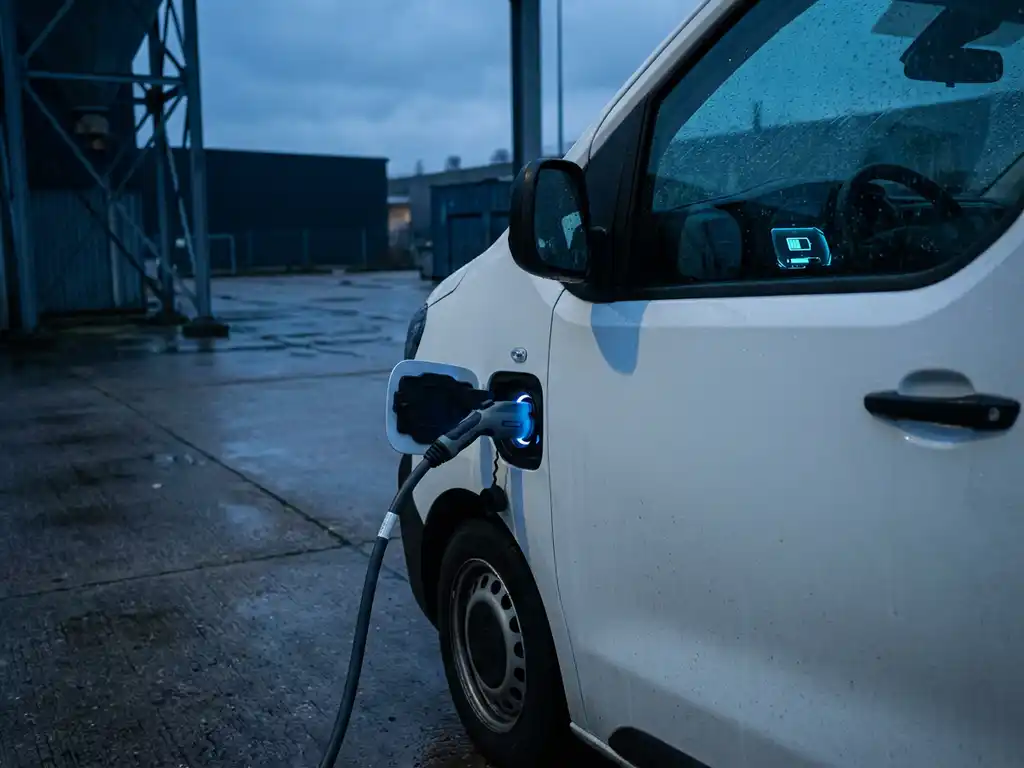
For a electric company car Electric vehicles do not emit CO₂, and as a result they are subject to significantly lower, or even no, BPM, depending on their classification.
What is the difference between a double-cab and a standard van in terms of BPM?
The main difference is that a standard van that meets the legal definition of a van is fully exempt from BPM, whereas a double-cab van is, in most cases, subject to BPM. This difference can amount to thousands of euros in purchase costs.
A standard closed van has a load compartment that meets the minimum requirements: the load compartment must be at least half the length of the wheelbase and have a minimum height. Provided the vehicle meets these requirements and has no more than two seats in addition to the driver’s seat, it qualifies as a van and is exempt from BPM.
A concrete example of the difference
Imagine you’re choosing between a closed van and a double-cab pick-up of the same make with a similar engine. The van qualifies as a commercial vehicle and you do not pay BPM. The double-cab pick-up is classified as a passenger car and you pay BPM based on its CO₂ emissions. Depending on the model, that difference can quickly run into several thousand euros.
This makes it particularly important to compare different types of vehicle when purchasing a small van or commercial van. It is not just the list price that matters, but also the associated tax liabilities.
Are there any situations in which a double-cab vehicle is exempt from BPM?
Yes, there are situations in which a double-cab vehicle may be (partially) exempt from BPM. The exemption applies in particular when the vehicle is officially classified as a van, despite the presence of additional seats. This depends on the specific layout and the dimensions of the load compartment in relation to the passenger compartment.
Some manufacturers offer double-cab versions that are specifically designed to meet the Dutch tax requirements for delivery vans. By increasing the load space and reducing the passenger compartment, these vehicles can still qualify as delivery vans and thus benefit from the BPM exemption.
Exemption for electric vehicles
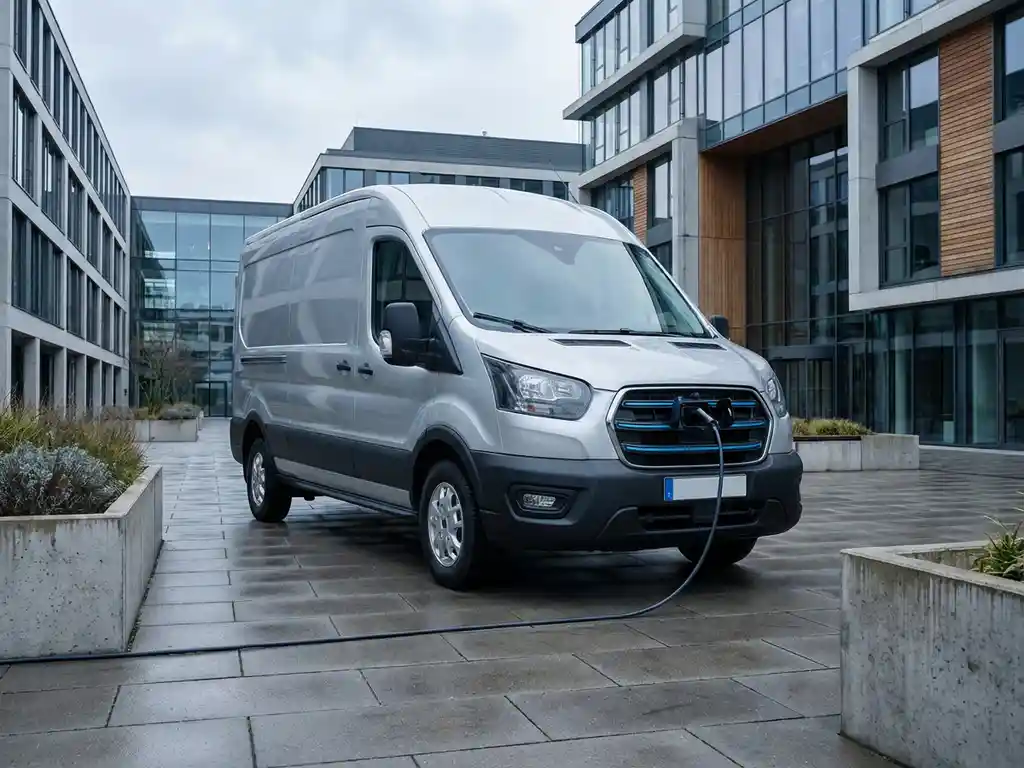
Another relevant example is the electric double-cab. As electric vehicles do not emit CO₂, the BPM for fully electric models is usually zero or significantly lower. This makes electric company cars more financially attractive, even if they are classified as passenger cars. For companies considering an electric company car lease, this is an important advantage to bear in mind when weighing up their options.
In addition, specific uses, such as adapted transport or special business fittings, may sometimes result in a different tax treatment. Always consult a tax adviser or the tax authorities directly if you are unsure about the tax treatment of a specific vehicle.
How does the BPM affect the purchase price of a double-cab pick-up?
BPM immediately increases the effective purchase price of a double-cab pick-up, as the tax is included in the price you pay at the dealership. For new vehicles, the BPM is already included in the retail price. For used vehicles, you pay a reduced rate of BPM based on the vehicle’s age and depreciation.
When comparing vehicles, it is always a good idea to ask whether the BPM is already included in the quoted price. Transparency regarding the total cost helps you make a fair comparison between different models and types. Particularly if you’re looking to buy a small van alongside a double-cab pick-up, it’s worth comparing the tax costs for each vehicle side by side.
BPM on the lease of a double-cab pick-up
If you lease a double-cab pick-up rather than buying one, the BPM also comes into play. Leasing companies factor the BPM into the lease instalments, which means that a vehicle subject to BPM will incur higher monthly costs than an exempt vehicle. With an electric company car lease, the lower or absent BPM can have a positive impact on the monthly lease instalments, which is an extra reason to seriously consider driving an electric vehicle.
In short: the BPM has a direct impact on both the purchase price and the total cost of ownership of a double-cab pick-up. If you make an informed decision when buying or leasing, you’ll avoid any unpleasant surprises later on.
How we help you choose the right company bus
BPM rules are complex, and the choice between a double-cab, a standard van or an electric vehicle has significant financial implications. We’ll help you make the right choice, without you having to wade through reams of tax regulations yourself.
At Van den Hurk Commercial Vehicles, we offer the following:
- Personalised advice on the tax implications of your choice of vehicle, including a tailored explanation of the BPM
- A large and diverse range of company minibuses, including double-cab pick-ups, panel vans and electric vehicles
- Transparent pricing so you know exactly what you’re paying, including taxes
- Flexible leasing and purchase options tailored to your situation as a self-employed person, SME owner or fleet manager
- A handy stock alert service so you’re the first to know about new stock that matches your requirements
Would you like to know which commercial van best suits your work and budget? Then please get in touch with us or pop in to see us in Helmond. We’d be happy to help you find the right solution.