
What should you look out for when buying a small van?
Buying a small van is a decision you don't take lightly. Whether you are a self-employed person transporting materials, an entrepreneur delivering goods or a fleet manager expanding your fleet, choosing the right vehicle will have a direct impact on your daily work and your costs. With so many models, powertrains and configurations on the market, it is useful to know exactly what to look out for.
In this article, we answer the most frequently asked questions about buying a small van. From cargo space and payload to fuel choice and reliable buying: after reading, you will know exactly what suits your situation.
What is a small van and who is it suitable for?
A small van is a light commercial vehicle with a maximum authorised mass (MTM) of typically up to 3,500 kg, intended for transporting goods or materials. Well-known examples are the Volkswagen Caddy, Ford Transit Connect, Renault Kangoo and Citroën Berlingo. They are more compact than a large van, but offer more cargo space than a passenger car.
Small vans are ideally suited to entrepreneurs who drive in urban areas on a daily basis, enter narrow streets or have limited parking options. Think electricians, plumbers, florists, courier services and small retailers. The combination of manoeuvrability, low running costs and practical cargo space makes them popular with sole traders and small to medium-sized businesses.
Is a small van also suitable as a double cab company van?
Yes, some small vans are available as double-cab van. A double-cab commercial van combines a spacious cabin for several passengers with a cargo area or loading platform behind the cabin. This makes it handy for construction companies or installers who need to transport both people and materials. Do note that the cargo space is smaller with a double cab than with a standard van.
What cargo space and payload do you need?
The required cargo space and payload depend entirely on what you transport on a daily basis. For small vans, cargo volume ranges roughly between 2.5 and 4.5 cubic metres, and payload is usually between 500 and 900 kg. Determine your average payload in weight and volume before choosing a model.
A common mistake is to look only at the load volume and forget about the payload. If you are transporting heavy materials, such as tools, building materials or refrigerated goods, the maximum payload can be the limiting factor. Always check the vehicle's technical specifications and compare them with your most common payload.
What do you pay attention to when sizing the cargo space?
Besides the overall volume, the interior dimensions of the cargo space are relevant. Check the load space height, the width between the wheel arches and the length of the floor. If you are transporting long materials, such as pipes or boards, a through-loading opening or a longer cargo area is a plus. Some models also offer a raised roof as an option, giving more height for stackable materials or special fittings.
Also consider the loading opening itself. Sliding side doors make loading and unloading in narrow locations easier. Rear doors give full-width access, which is useful for pallet work or larger objects.
What should you look out for when buying a used small van?
When buying a used small van, pay primary attention to mileage, service history and the condition of the body and chassis. Vans are more heavily loaded than passenger cars, so wear and tear on the engine, transmission and load floor occurs more quickly. A thorough inspection is not an unnecessary luxury, but a necessary step.
Always request the full service booklet and check that all service checks have been carried out at the prescribed intervals. A vehicle with a demonstrable service history gives you more assurance about its technical condition. If in doubt, have an independent technical inspection carried out by an approved company.
What technical points do you pay extra attention to when buying a used van?
There are a number of technical concerns specific to used vans:
- Cargo floor and cargo area: check for rust, dents or damage indicating heavy use or poor storage.
- Tyres and brakes: vans, tyres and brake discs wear faster due to the weight of the load.
- Cooling or refrigeration system: if it is a refrigerated vehicle, test the refrigeration unit separately for operation and leaks.
- Electrical systems: check lights, central locking and any on-board computer for malfunctions.
- Chassis and undercarriage: watch out for rust on the underside, especially on vehicles that have driven a lot in urban areas where road salt is used.
Also ask about the vehicle's usage history. A van that has been driven as a courier van for years will have a different wear pattern than a vehicle used for local deliveries.
What is the total cost of a small van?
The total cost of a small van consists of more than just the purchase price. You also take into account fuel costs, road tax, insurance, maintenance and any finance charges. To get a good idea of the actual running costs, add up all these items over a period of several years.
With a used small van, the purchase price is lower but maintenance costs may be higher. With a new vehicle or an electric commercial vehicle via lease, you pay a fixed monthly charge and maintenance and warranty are often included. Which option is more advantageous depends on your driving habits, the expected duration of use and your tax situation.
What does an electric company car via lease cost?
A electric company car via lease has become increasingly attractive thanks to lower additional tax, favourable road tax and falling lease prices. The monthly lease term for a small electric van varies depending on the model, term, mileage and services chosen. Finance lease gives you the option to take over the vehicle at the end of the term; operating lease offers more relief but no ownership.
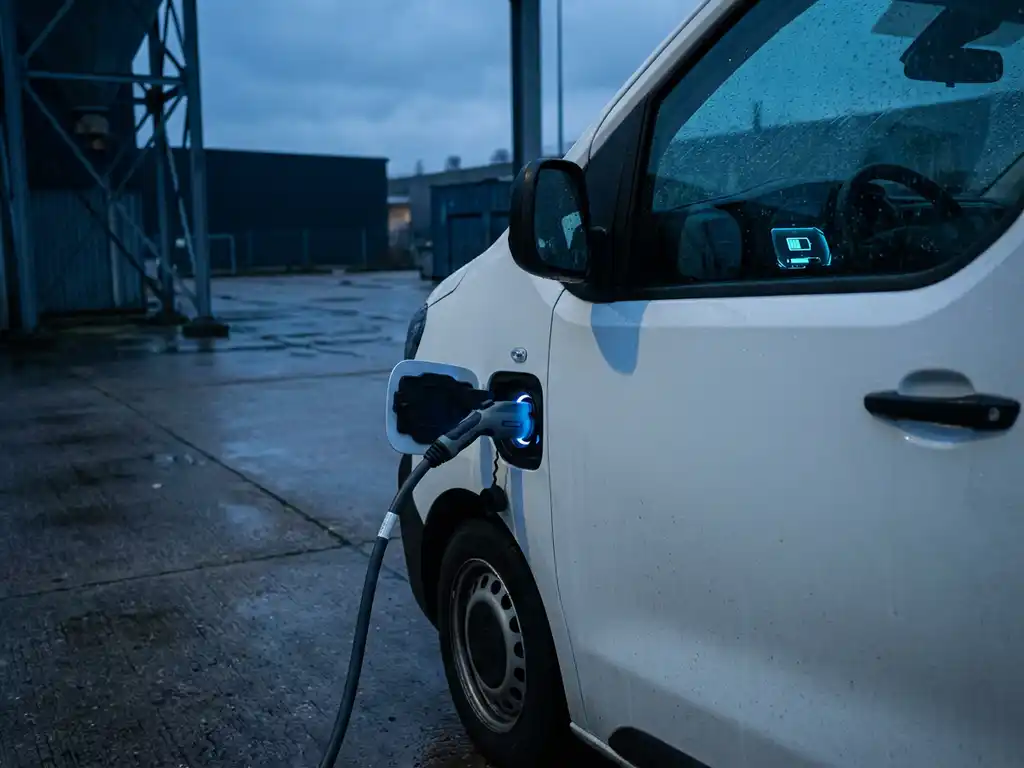
Also consider charging infrastructure. If you can charge at home or at work, energy costs per kilometre are significantly lower than for fossil fuels. If you mainly charge at public charging stations, the costs increase and you should also factor the availability of charging points into your planning.
What tax breaks apply to company cars?
Company cars are tax deductible in the Netherlands if business use can be demonstrated. Consider VAT deduction on purchase, fuel costs and maintenance. Additional benefits apply to electric vehicles, such as a lower motor vehicle tax and a more favourable addition for income tax or corporation tax. Always consult a tax advisor for situation-specific advice.
Petrol, diesel or electric: which drive fits best?
The best powertrain for a small van depends on your driving profile. Diesel is advantageous for many motorway miles or long trips. Petrol is a good choice for shorter trips and lower annual mileage. Electric driving is most advantageous for city trips, fixed routes and the possibility of cheap charging.
Diesel was the standard in the van segment for many years because of its low consumption per kilometre and high torque when loaded. But stricter emission standards and environmental zones in more and more cities make diesel less attractive for urban delivery. Electric driving is gaining ground, especially among entrepreneurs who drive daily in urban areas.
What are the pros and cons of an electric small van?
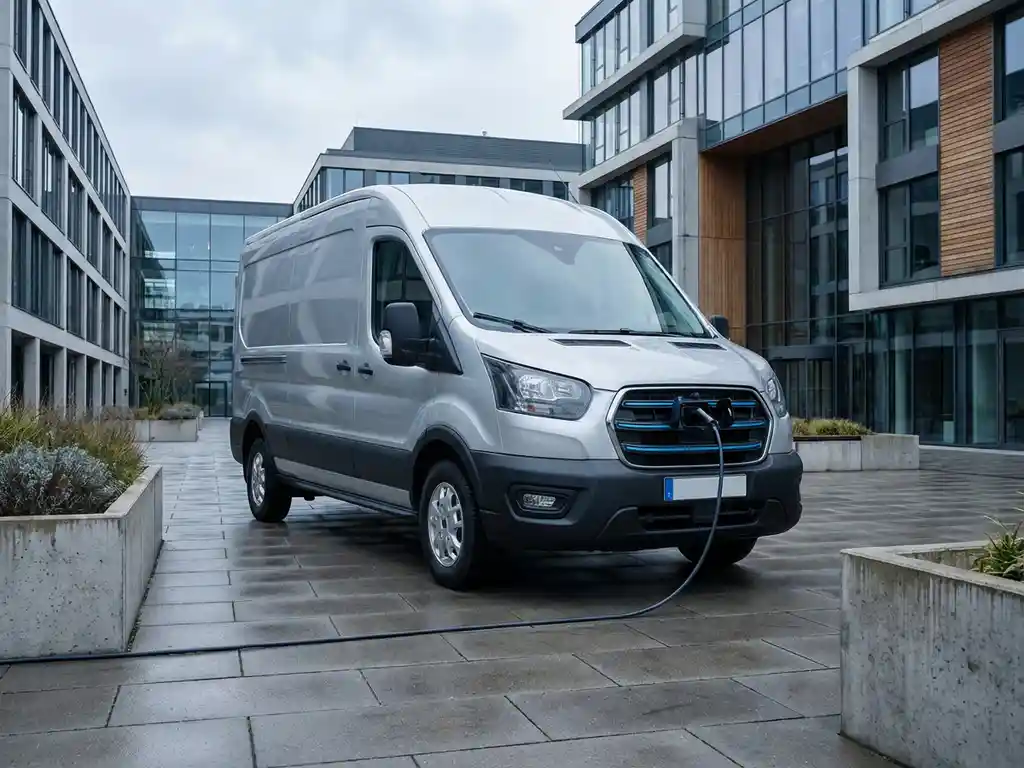
An electric van has low variable costs, zero emissions and is quiet in operation. Disadvantages are the higher purchase price, limited range when driving fully loaded and dependence on charging infrastructure. For city delivery, service workers with fixed routes and companies with their own charging facilities, electric driving is a logical choice.
If you want to consider an electric commercial vehicle, look at models such as the Renault Kangoo E-Tech, Volkswagen ID. Buzz Cargo or the Stellantis variants (Peugeot e-Partner, Citroën ë-Berlingo, Opel Combo Electric). These models offer a range of 200 to 300 kilometres, which is more than enough for most urban and regional routes.
Where can you buy a reliable small van?
Buy a reliable small van from a specialist commercial vehicle dealer with proven experience, a transparent offer and clear warranty terms. Avoid suppliers who cannot provide a maintenance history or whose pricing is unclear. A good dealer will give you space for a test drive and a technical inspection.
You can choose between an authorised dealer of a brand, an independent commercial vehicle specialist or an online platform. Authorised dealers offer manufacturer warranty and certified used vehicles, but tend to be more expensive. Independent specialists often have a wider range and more flexibility in price and configuration. Online platforms provide overview, but offer less personalised guidance and warranty.
How we help you choose the right small van
At Van den Hurk Bedrijfswagens, we help you make the right choice, without having to search through an overwhelming selection. With more than 60 years of experience in the Helmond and North Brabant region, we know the commercial vehicle landscape inside out. Whether you want to buy a small van, lease it or are specifically looking for an electric commercial vehicle or a commercial van with a double cabin: we think along with you.
What we do for you:
- Personalised advice based on your driving profile, load and budget
- A large, diverse stock of used and new commercial vehicles, including electric models
- Transparent prices with no hidden costs
- Flexible options for customised buying, financing or leasing
- A handy stock alert service, so you are the first to know about new offers
Want to know which small van suits your business best? Contact us or take a look at our current offer on the website. We are happy to help.