
whatsapp
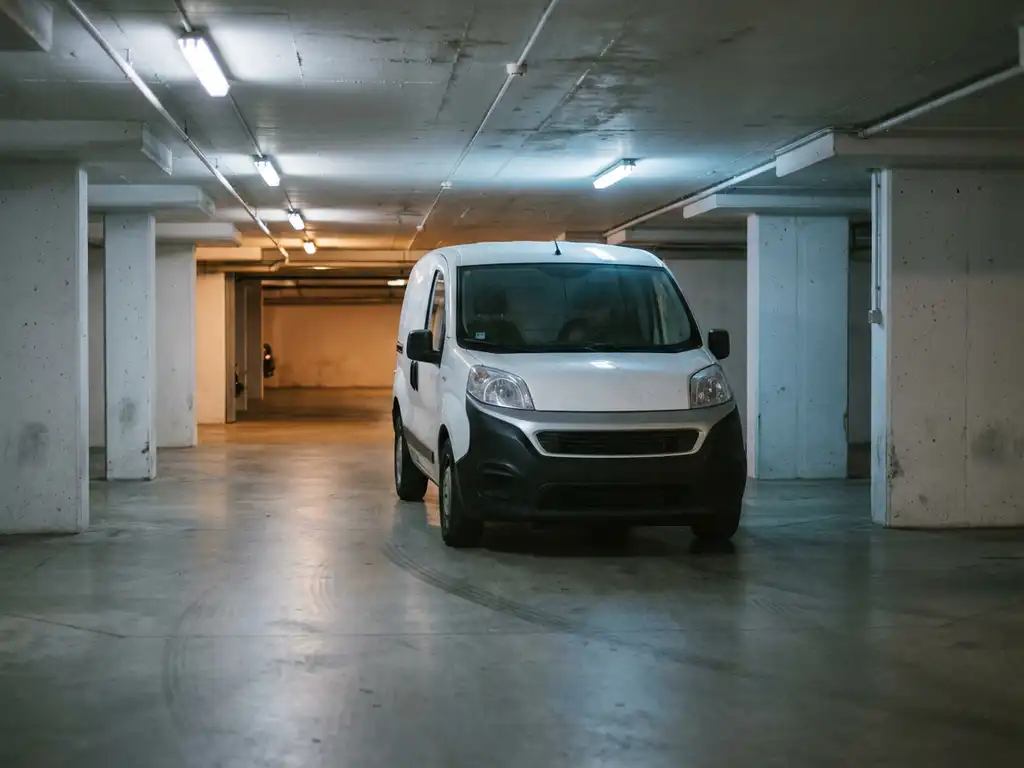
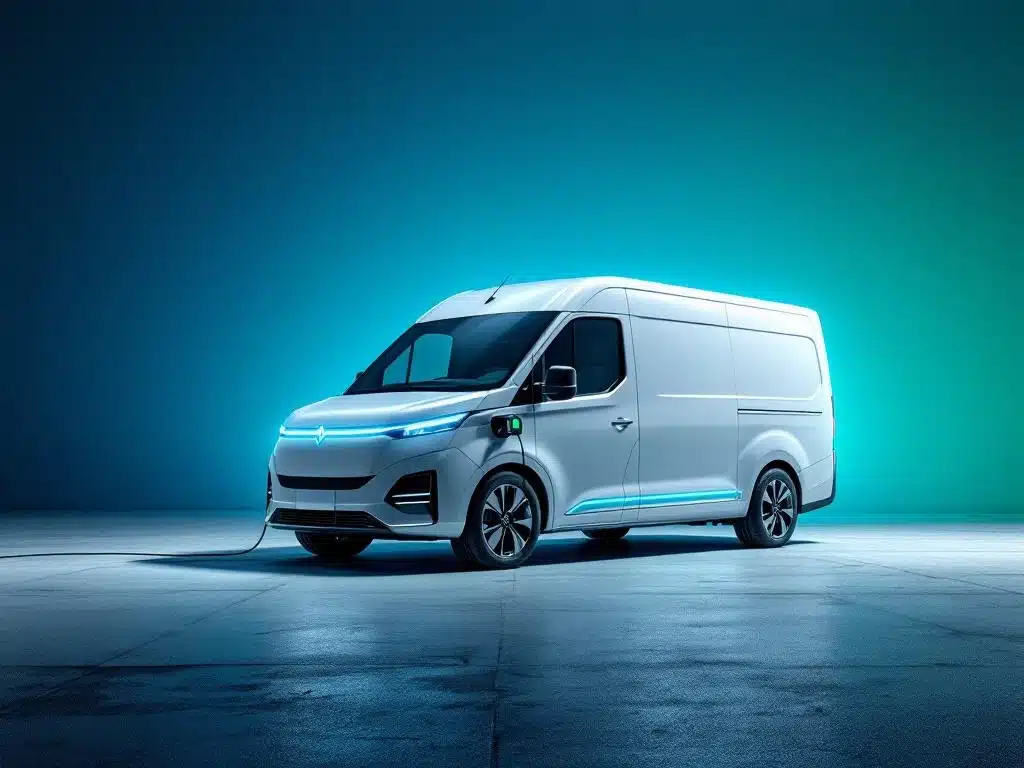
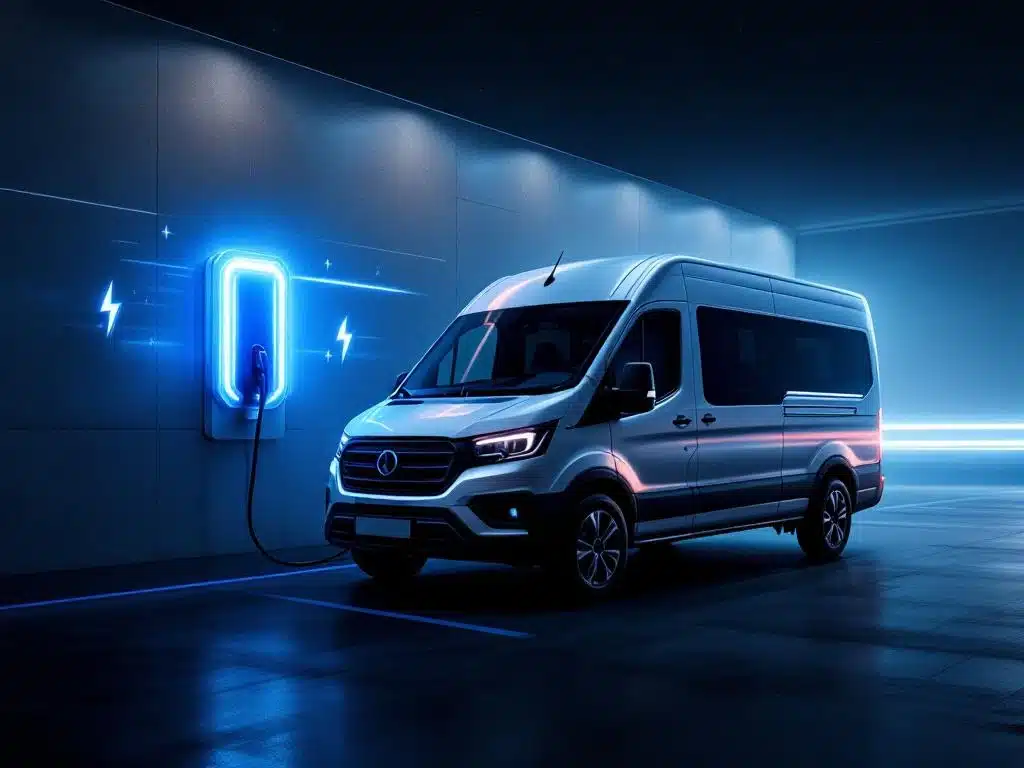
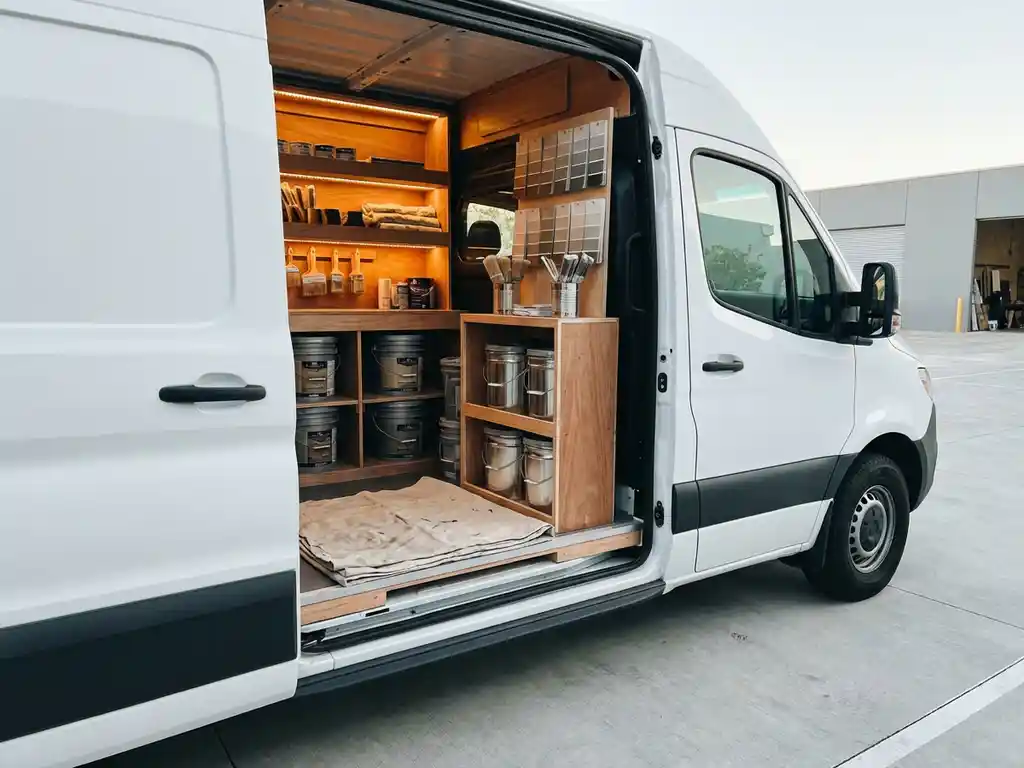
Three modern electric company vans in different sizes on polished concrete with LED lighting

What are the best electric commercial vehicles up to 3500 kg?

The best electric commercial vehicles up to 3,500 kg are currently the Ford E-Transit, Mercedes eVito, Volkswagen e-Crafter and Iveco eDaily. These models offer sufficient cargo space and range for most business applications. You can choose from different configurations, such as rigids, chassis cabs and passenger vans. Costs are higher than diesel, but lower maintenance costs and tax advantages make electric driving increasingly attractive for entrepreneurs.

What electric commercial vehicles up to 3,500 kg are available?

There are several electric commercial vehicles up to 3,500 kg available from well-known brands. The Ford E-Transit is popular for its spacious cargo space and reliable performance. Mercedes offers the eVito and eSprinter, while Volkswagen has developed the e-Crafter for heavier transports.

Other interesting options include the Iveco eDaily, Renault Master E-Tech and the Fiat E-Ducato. These vehicles are available in different versions:

  • Box trucks of various lengths and heights
  • Chassis cabs for customised bodies
  • Double cabins for personnel and equipment
  • Refrigerated vehicles for temperature-controlled transport
  • Passenger vans for business transport

Most models have a load capacity between 800 and 1,400 kilograms. When making your choice, pay attention to practical specifications such as load volume, turning radius and loading sill height. These factors will determine whether the vehicle is suitable for your daily operations.

How much does an electric company car cost and what is the total cost?

Electric commercial vehicles cost between €40,000 and €80,000 to buy, depending on make and version. This is higher than for comparable diesel models, but the total cost of ownership is often lower due to subsidies, lower fuel costs and less maintenance.

Since January 2025, BPM will be levied on new diesel commercial vehicles, reducing the price differential. Electric commercial vehicles are subject to different tax advantages:

  • No BPM at purchase
  • Lower additional tax rate for business use
  • Possible subsidies from governments
  • Exemption from certain environmental zones

With leasing, monthly costs are between €400 and €800 per month, including maintenance and insurance. Electric driving costs about €0.15 per kilometre in electricity, compared to €0.25 for diesel. Over 30,000 kilometres a year, that saves €3,000 in fuel costs.

Maintenance costs are lower because electric motors have fewer wearing parts. You save on oil, filters and exhaust systems. However, you should consider higher insurance premiums and possible battery replacement after 8 to 10 years.

What is the range of electric commercial vehicles and how do you charge them?

Modern electric commercial vehicles have a range of between 150 and 400 kilometres, depending on battery capacity and load. For most companies, this is sufficient for daily use within a 100-kilometre radius from home base.

You can load in different ways:

  • Charging at home: 8 to 12 hours on a wallbox (11 kW)
  • On-the-go charging: 30 to 60 minutes on a fast charger
  • At work: at a regular charging station during working hours
  • Public charging stations: ranging from 3.7 kW to 350 kW

For long distances, plan charging stops of 30 to 45 minutes at fast chargers along the route. Apps like PlugShare and Chargemap help you find charging points and check availability.

Range is affected by weather, driving style and load. In winter, range can decrease 20 to 30% due to heating and battery performance. Therefore, always plan some extra margin in your routes and factor charging times into your work schedule.

What advantages does an electric company car have for your business?

An electric company car offers concrete benefits that are immediately noticeable in your operations. You save substantially on fuel costs, have access to environmental zones and benefit from tax advantages. In addition, you contribute to a better environment and reinforce your company's modern image.

The most important practical benefits are:

  • Lower operating costs due to cheaper electricity
  • Reduced engine and exhaust maintenance
  • Silent operation for early and late deliveries
  • Access to zero-emission zones in cities
  • Positive impact on corporate image and sustainability
  • Stable energy costs, less dependent on diesel prices

For your employees, electric driving means more comfort with its quiet operation and smooth acceleration. The modern dashboard and technical gadgets make work more pleasant. Customers appreciate your commitment to eco-friendly transport, which can help win contracts.

Electric commercial vehicles make your business future-proof. More and more cities are introducing environmental zones where only electric vehicles are welcome. By switching now, you anticipate future regulations and maintain access to all business areas.

How Van den Hurk helps with electric commercial vehicles

We help you make the switch to electric driving with personal advice and practical support. We combine our experience of more than 60 years in commercial vehicles with knowledge of the latest electric models and financing options.

Our support includes:

  • Tailor-made advice for your specific business situation
  • Explanation of available electric commercial vehicles in our stock
  • Flexible leasing and financing options
  • Transparent cost comparison with diesel alternatives
  • Support with grant applications and tax benefits
  • Complete service from advice to delivery

We understand that driving electric is a big step for your business. That's why we take the time to discuss your needs and concerns. Whether you need one van or want to replace an entire fleet, we will be happy to think with you about the best approach.

Want to know which electric company car is best for your business? Contact us for a no-obligation discussion on options and costs.

Open bonnet of electric utility vehicle shows battery pack with cooling system and maintenance tools on workbench

How do you maintain the battery of electric commercial vehicles?

The battery of your electric company car keep you in good condition by regular checks, proper charging habits and avoiding extreme temperatures. Check the charge level monthly, keep the battery between 20-80% charged and avoid draining it completely. Proper care significantly extends its lifespan and prevents costly repairs. Below, we answer the most important questions on optimal battery care for electric commercial vehicles.

What happens if you neglect your electric utility vehicle's battery?

Neglecting your electric utility vehicle's battery leads to reduced driving distance, shorter lifespan and unexpected failure during operations. You can drive up to 30% fewer kilometres per charge and the battery breaks down years earlier. This means thousands of euros in replacement costs and potentially missed business opportunities.

The consequences of poor maintenance accumulate quickly. Your battery loses capacity when you regularly drain it completely or keep it at 100% all the time. Extreme temperatures without protection further accelerate this process.

Unexpected breakdowns are perhaps the biggest risk. Imagine: you are in the middle of an important delivery and your company car stops starting. That costs not only time and money, but also your reputation with customers. A well-maintained battery gives you the reliability you need for day-to-day operations.

How often should you check the battery of an electric commercial vehicle?

Check the battery of your electric utility vehicle monthly on charge level, temperature and any error messages. Check the charging behaviour weekly and watch daily for warning signals such as sudden capacity loss or slower charging. In winter and summer, the battery deserves extra attention due to temperature fluctuations.

At your monthly check, you look at the maximum charge level. Can your battery still reach 100%? Does charging take longer than usual? These signs indicate possible problems.

Pay particular attention to these warning signs:

  • Battery drains faster than usual
  • Slower charging for no apparent reason
  • Error messages on the dashboard
  • Unusual noises during charging
  • An extremely high or low battery temperature

In winter and summer, your battery requires extra attention. Cold temporarily reduces performance, while heat can cause permanent damage. Therefore, plan seasonal checks in your maintenance schedule.

What factors affect the life of your commercial vehicle battery?

The battery life of your electric utility vehicle depends on temperature, charging habits, driving style and vehicle load. Extreme cold and heat are its greatest enemies, followed by frequent fast charging and aggressive driving. Heavy loading and unfavourable parking conditions also significantly accelerate wear.

Temperature plays the biggest role. Batteries function best at moderate temperatures between 15 and 25 degrees. Therefore, preferably park indoors or in the shade. In winter, you can preheat the battery while charging.

Your driving style also matters a lot. Constant full throttle and hard braking demands more from the battery than gentle acceleration and anticipatory driving. Make the most of the regenerative braking function: it returns energy and saves the battery.

The load on your commercial vehicle determines how much power you need. A heavily loaded vehicle requires more power, causing the battery to wear out faster. Plan your routes smartly and avoid unnecessary weight.

Parking conditions are often underestimated. Long parking in direct sunlight or freezing temperatures harms the battery. If possible, use a garage or carport, especially during extreme weather conditions.

What are the best charging habits for electric utility vehicle batteries?

Keep your electric utility vehicle's battery between 20-80% loaded for optimum service life. Preferably charge slowly at home or in the office and use fast chargers only when really necessary. Avoid completely draining and keeping the battery constantly at 100%: both extremes damage battery cells and significantly shorten their lifespan.

The 20-80% rule is golden. Below the 20% the battery gets stressed, above the 80% too. For everyday use, this range is more than sufficient. Reserve full charging for long trips.

Slow charging is kinder to your battery than fast charging. At home at a wallbox or a regular wall socket gives the best results. Fast chargers are handy on the road, but use them sparingly: they heat the battery and accelerate wear.

Plan your charging sessions smartly:

  • Charge at night when the battery has cooled down
  • Stop charging at 80% for daily use
  • Preferably charge immediately after a long ride, do not wait too long
  • Use timers to prevent overcharging

Avoid these harmful habits: leaving the battery fully charged for days, waiting until it is completely empty or charging in extreme temperatures. These practices can cause your battery to fail years earlier.

How Van den Hurk helps with electric commercial vehicles

We help you with complete support for electric commercial vehicles, from battery maintenance to practical tips for optimal performance. We combine our experience of more than 60 years in commercial vehicles with the latest knowledge on electric mobility, so you can drive electric carefree.

Our support includes:

  • Personal advice on the right electric company car for your business
  • Explaining optimal charging habits and battery care
  • Service and warranty on our electric commercial vehicles
  • Practical tips for maximum driving distance and service life
  • Flexible leasing options to suit your growth plans

We understand that the switch to electric driving raises questions. That is why we take the time to guide you through battery maintenance, charging options and cost savings. From tax advantages to practical tips, we make sure you are well prepared.

Want to know which electric company car is best for your business? Contact us for personal advice. We will be happy to help you make the switch to sustainable and cost-efficient mobility.

White electric commercial bus with LED headlights, loading gate and safety systems on industrial concrete floor

What are the safety requirements for electric commercial vehicles?

Electric commercial vehicles must meet various safety requirements to be legally allowed on the road. This includes mandatory certifications such as CE marking and type approval, specific battery safety requirements and adapted maintenance procedures. There are also strict requirements for on-site charging stations to prevent fire and explosion hazards.

What certifications do electric commercial vehicles need?

Electric commercial vehicles have a type approval and CE marking required to be admitted to road traffic in the Netherlands. These certifications prove that the vehicle meets European safety standards for electric vehicles and their high-voltage systems.

Type approval verifies that the electric commercial vehicle meets all technical requirements for brakes, lighting, construction and electromagnetic compatibility. For electric vehicles, additional checks are added for the battery system, charging connection and high-voltage protection.

Business vehicles are subject to the same basic requirements as private cars, but there are additional requirements:

  • Load capacity and connections suitable for intensive use
  • Workshop safety during maintenance by mechanics
  • Documentation for fleet management and insurance
  • Declarations of conformity for leasing and finance companies

When purchasing, always check that all certificates are present. Vehicles without valid type approval are not allowed on public roads and are not insurable.

How to prevent fire and explosion hazards in electric commercial vehicles?

Prevent fire and explosion hazards by proper charging procedures and regularly check the battery and charging cables for damage. Use only certified charging cables and charging stations suitable for your vehicle type.

Pay attention to these warning signs that may indicate dangerous situations:

  • Strange odours during loading (sweet, chemical or burning smell)
  • An unusually warm battery or charging cable
  • Smoke development around the battery or charging connection
  • Dashboard error messages about the battery system
  • Distortion or swelling of the battery housing

Special procedures are required in emergencies involving electric commercial vehicles. Switch off the vehicle via the emergency switch (usually near the driver) and keep at least 3 metres away. Call 112 immediately and mention that it is an electric vehicle.

Provide a special fire extinguisher suitable for electrical fires (class C) in the workplace. Normal water extinguishers are dangerous for electrical fires because of the risk of electrocution.

What are the maintenance requirements for batteries of electric commercial vehicles?

Electric utility vehicle batteries require annual professional audits of the battery management system, cooling system and high-voltage connections. Software updates should be installed regularly to maintain optimal performance and safety.

These maintenance checks are mandatory for electric commercial vehicles:

  • Testing battery capacity and charging performance
  • Checking the cooling system for leaks and fluid levels
  • Inspecting high-voltage cables for wear
  • Updating the battery management system software
  • Measuring the insulation resistance of the electrical system

Daily maintenance you can do yourself by monitoring the battery temperature through the dashboard. Avoid fully discharging the battery and preferably charge between 20% and 80% for optimal battery life.

Professional inspection is required when:

  • Driving range decreases noticeably
  • Loading is slower than normal
  • Error codes appear on the dashboard
  • The battery becomes unusually warm

Have maintenance carried out only by mechanics certified for high-voltage systems. Improper maintenance can lead to dangerous situations and loss of warranty.

What are the charging station requirements for safe charging at work?

Workplace charging stations must be installed by a certified electrician and comply with NEN 1010 standards for electrical installations. They need a separate group with earth leakage protection and must be weatherproof.

These technical requirements apply to business charging stations:

  • Minimum IP54 dust and splash water protection
  • An earth leakage circuit breaker of no more than 30 mA
  • A separate fuse group for the charging station
  • Sufficient cable length for flexible parking
  • An emergency stop button at your fingertips

Outdoor installations require additional requirements, such as UV-resistant cabling and frost protection. Place charging stations at least 1.5 metres from combustible materials and ensure good ventilation in enclosed areas.

Check monthly whether:

  • The earth leakage circuit breaker is working correctly (test button)
  • Charging cables have no damage
  • The housing is clean and dry
  • All connections firmly in place

Have the charging station inspected annually by an approved installer. This is often mandatory for insurance purposes and may be required by law, depending on your business situation.

How Van den Hurk helps with safe electric commercial vehicles

We help you find fully certified electric commercial vehicles that meet all safety requirements. Our vehicles have the right type approval and certifications, so you can hit the road safely right away.

Here's how we support you:

  • Advice on which safety requirements apply to your business situation
  • Verification of all necessary certifications and documents
  • Explanation of maintenance requirements and warranty conditions
  • Referral to certified installers for charging stations
  • Support in drafting safety protocols

View our offer electric commercial vehicles and find out which vehicles best suit your safety requirements. Get in touch for personal advice on transitioning to safe electric driving for your business.

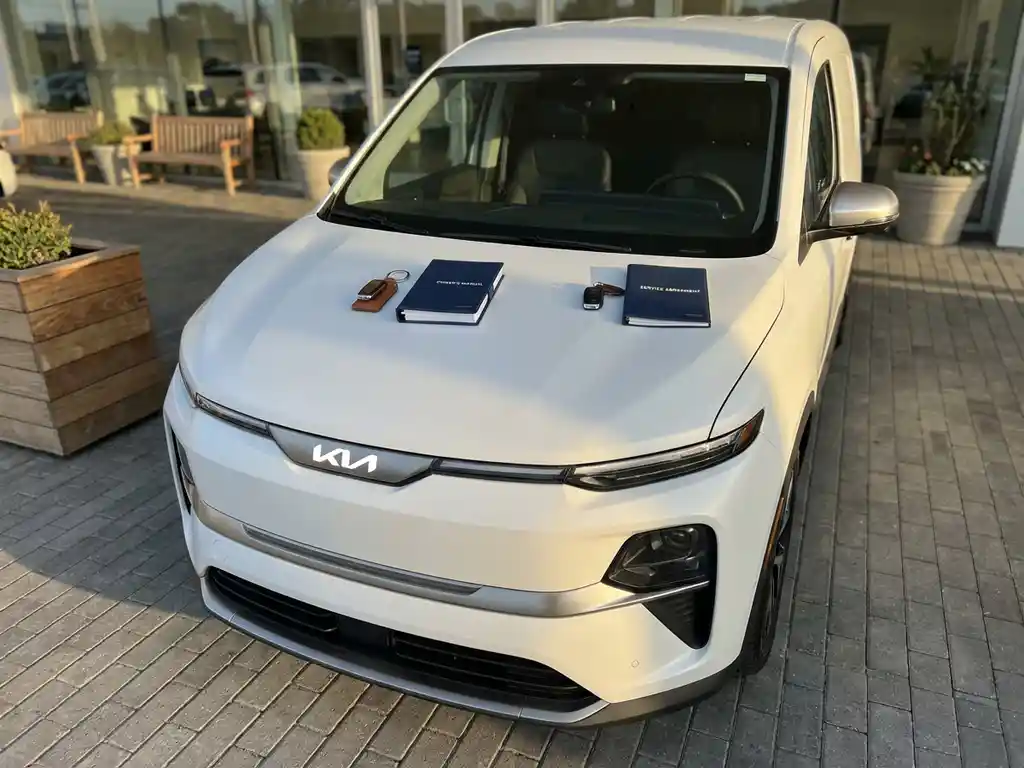
White electric commercial vehicle in modern showroom with charging cables and charging stations in background

What are the options for used electric commercial vehicles?

Used electric commercial vehicles offer an affordable way to drive sustainably without the high purchase cost of new vehicles. You can find popular models such as the Volkswagen e-Crafter, Ford E-Transit and Mercedes eVito on the used market. These vehicles combine eco-friendly driving with practical benefits, such as lower operating costs and access to environmental zones.

What used electric commercial vehicles are available?

The used market for electric commercial vehicles is growing rapidly, with various makes and models. You will mainly find vehicles from Volkswagen, Ford, Mercedes-Benz, Renault and Nissan introduced between 2019 and 2022. These first-generation electric commercial vehicles are now becoming available as used options.

The Volkswagen e-Crafter is popular for larger transport needs, with a load volume of up to 10.7 cubic metres. The Ford E-Transit offers several body variants, from closed van to chassis cab. For smaller companies, the Mercedes eVito and Renault Kangoo Z.E. are interesting options, with a range between 200 and 300 kilometres.

Nissan's e-NV200 was one of the first electric commercial vehicles and is therefore well represented on the used market. This compact van suits urban distribution and service operations well. Toyota offers the Proace Electric for companies that value reliability and service security.

What are the advantages of a used electric utility vehicle?

A used electric utility vehicle costs significantly less than a new one, while you still benefit from lower operating costs and eco-friendly driving. The main depreciation has already taken place, giving you better value for money. Moreover, the teething problems of early electric models have largely been solved by now.

The financial benefits are immediately noticeable. Electric driving costs about EUR 3-4 per 100 kilometres, compared to EUR 8-12 for diesel. Maintenance costs are lower because electric motors have fewer moving parts. You don't have to change oil and brake pads wear less due to regenerative braking.

Operationally, electric commercial vehicles provide access to environmental zones in city centres where diesel vehicles are restricted. They drive quietly, enabling early deliveries without noise pollution. The direct power generation of electric motors ensures smooth driving, especially during frequent stops and starts.

Since January 2025, BPM tax has applied to new diesel commercial vehicles, making electric alternatives even more attractive. These tax breaks make the total cost of ownership of electric commercial vehicles competitive with traditional fuel vehicles.

What should you look out for when buying a used electric utility vehicle?

Battery condition is the main concern with a used electric utility vehicle. Check residual capacity and ask about charging history. A well-maintained battery retains 80-90% of its original capacity after five years of normal use. Always ask about the battery warranty that may still be valid.

Check the charging options and cables belonging to the vehicle. Make sure you can use both AC charging (home/office) and DC fast charging. Test all charging ports and check that the original charging cables are complete. Replacing charging cables can cost several hundred euros.

Check the maintenance history and note software updates that have been made. Electric commercial vehicles receive regular updates that improve performance and battery management. Check that all recalls have been carried out and that the vehicle has been serviced at an authorised dealer.

Test the vehicle extensively at different speeds and check all electrical systems. Watch for unusual noises, vibrations or error messages on the dashboard. Check the tyres for uneven wear, which may indicate problems with the suspension or alignment.

What financing options are available for used electric commercial vehicles?

For used electric commercial vehicles, you have several financing options. Direct purchase gives ownership and full control, but requires a large upfront investment. Financial lease spreads the cost over several years, with fixed monthly charges and ownership at the end. Operational lease is also available for used vehicles, including maintenance and insurance.

Financial lease is popular because you spread the investment while retaining tax advantages. Monthly charges are deductible as business expenses and you build up ownership. With operational leasing, maintenance, insurance and road tax are often included, providing budget certainty.

Some leasing companies offer special rates for electric vehicles because of their lower maintenance costs and stable residual value. Compare different providers as terms and conditions may differ, especially for used electric commercial vehicles.

Although most subsidies apply to new vehicles, local governments can sometimes provide contributions for electric commercial vehicles. Check with your local council if there are incentive schemes for sustainable business mobility. Some energy suppliers offer discounts on charging stations when purchasing an electric vehicle.

How Van den Hurk helps with electric commercial vehicles

We help you make the switch to electric driving with our expertise in electric commercial vehicles and personal guidance. With more than 60 years of experience in the commercial vehicle industry, we understand that electric driving requires careful consideration. That is why we offer transparent information and practical support for your choice.

Our services for electric commercial vehicles include:

  • Extensive stock new and used electric utility vehicles of various brands
  • Battery check and technical inspection of all used electric vehicles
  • Flexible financing via purchase, financial lease or operational lease
  • Custom solutions for specific operating and installation requirements
  • Transparent pricing with no hidden costs or surprises

Whether you are looking for a compact electric van for urban distribution or a large electric cargo van for transport, we will help you make the right choice. Contact us for personal advice on used electric commercial vehicles to suit your business and budget.

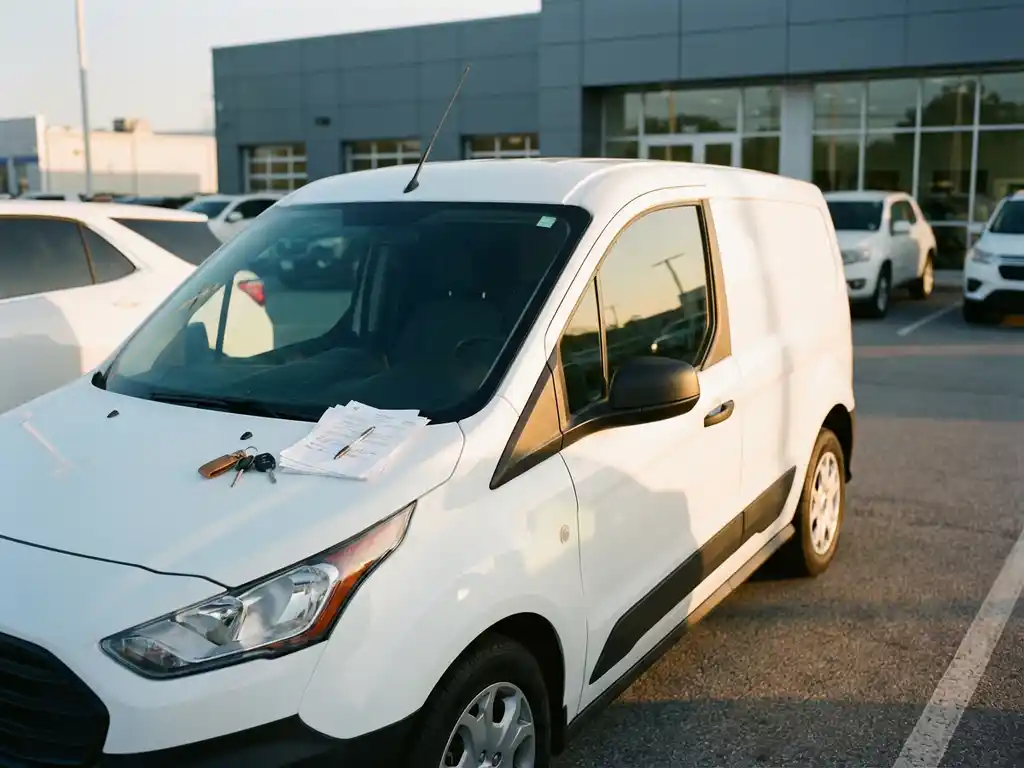
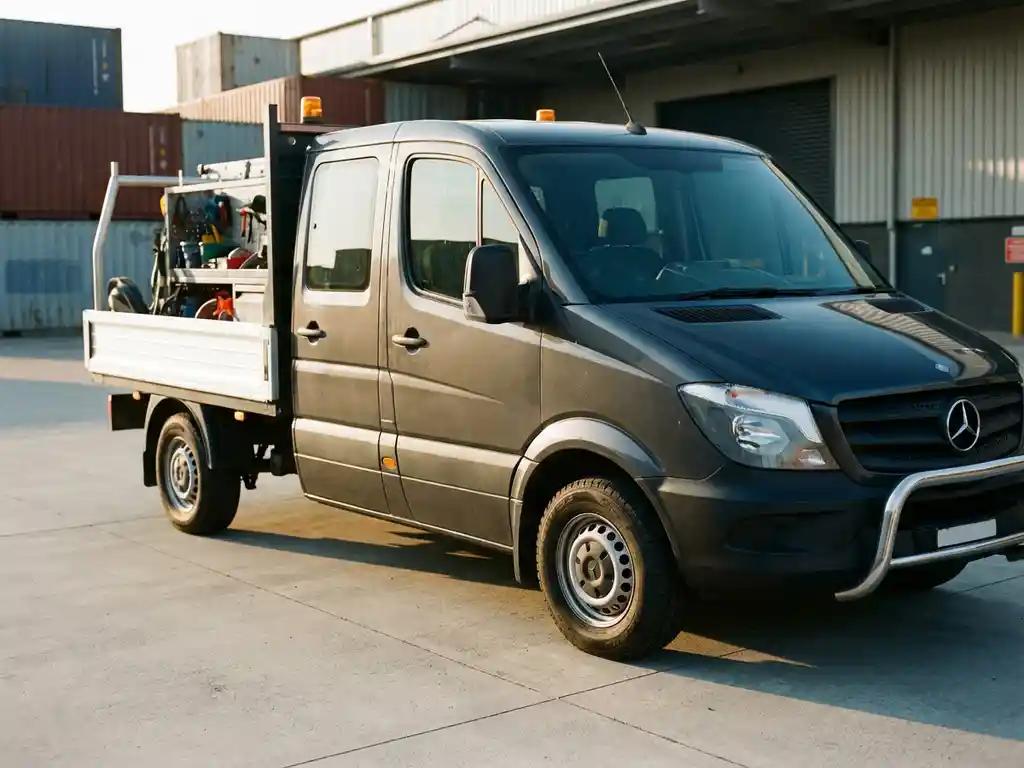
Silver double cab van on dealer lot with white and dark blue vehicles in the background

Which leasing companies offer double cab vans?

In the Netherlands, several leasing companies offer double cab vans, ranging from large national players to specialised dealers with their own leasing options. You can choose between financial lease, where you are the economic owner, and operational lease, where maintenance and insurance are often included. The choice depends on your business situation, desired flexibility and tax preferences.

What is the difference between financial lease and operational lease for a double cab?

At financial lease you are the economic owner of the double cab van and the vehicle is on your balance sheet. You pay monthly instalments, can reclaim VAT directly and have full control over maintenance and insurance. At operational lease ownership remains with the leasing company and you pay an all-in monthly instalment that often includes maintenance, insurance and road tax.

The main difference is in ownership and responsibility. With financial leasing, you can lease the car up to the purchase price excluding VAT. You can reclaim any VAT directly from the tax authorities because you are the economic owner. Trade-ins or partial payments are also possible. You can include a final instalment in the contract equal to the actual residual value, thus reducing the lease term.

With operational leasing, you pay a fixed amount per month without having to worry about unexpected costs. This makes budgeting easier, but you have less control over how the vehicle is maintained. For business owners who like to decide where and when the van double cab is serviced, financial lease offers more freedom.

Fiscally, financial leasing has advantages if you want to take advantage of the investment deduction. The monthly instalments consist of interest and repayment, with the interest being deductible. With operational leasing, you deduct the full monthly instalment as business expenses. Which form is more advantageous depends on your tax position and whether you want to invest in ownership of the vehicle.

What leasing companies are there for double cab vans?

The Dutch market has several types of providers for leasing a van double cab. Major national leasing companies often offer standard packages with fixed terms and processes. There are also specialised providers that focus on specific sectors such as construction, transport or technical services.

Local dealers with their own leasing options often combine sales and leasing of commercial vehicles. This has the advantage that you get personal advice from someone who knows the vehicles and can help choose the right specifications for your business. They usually work with financing partners to offer flexible solutions.

Banks and financial institutions also offer financial lease products for commercial vehicles. They often require more documentation and have stricter underwriting criteria, but can offer interesting interest rates. Some providers work by phone and e-mail to save costs on offices and reception staff, which is passed on in cheaper rates.

For business owners, it is important to know that not every leasing company has the same offer and terms. Some focus on new vehicles, others on used vans. Terms, mileage limits and additional services also vary between providers. It pays to compare several options before making a choice.

What should you look out for when comparing lease offers?

The monthly often seems like the main point of comparison, but there is more to it than that. Pay attention to what is and is not included in the price. With financial leasing, you usually only pay the principal and interest, while maintenance, insurance and road tax are at your own expense. With operational leasing, these costs are often included in the monthly instalment.

The duration and mileage allowance have a big impact on the total cost. A longer term means lower monthly costs, but you are tied to the contract for longer. With mileage limits, you often pay extra for every kilometre over the agreed limit. Realistically estimate how much you will drive the van double cab to avoid surprises.

Ask for the residual value and final responsibility. With financial leasing, you can often agree on a final instalment, making the monthly costs lower. At the end of the term, you have the choice of taking over, reselling or trading in the van. With operational leasing, you hand in the vehicle and are responsible for any damage above normal wear and tear.

Also look out for hidden costs such as administration fees, connection fees or early repayment charges. Some providers charge extra for adjustments to the contract or for picking up the vehicle. Ask about the security required by the leasing company. With financial leasing, the vehicle itself is often the collateral, while some providers require additional collateral.

Check if you have flexibility in maintenance and repairs. Some contracts require you to go to specific garages, while others give you the freedom to choose your own trusted garage. These car costs such as repairs, maintenance, insurance and motor vehicle tax are entirely in your control as a beneficial owner with financial leasing.

How Van Den Hurk helps with double cab leasing solutions

We understand that finding the right leasing solution for a double cabin van can be quite overwhelming. That is why we are happy to guide you through the entire process, from advice to delivery. With more than 60 years of experience in selling and leasing commercial vehicles, we know exactly what entrepreneurs in the Helmond region and the whole of North Brabant are looking for.

Our leasing support includes:

  • Personal advice on financial lease options that suit your business situation
  • Transparent explanation of monthly costs, maturities and tax benefits
  • Access to a large stock of 400 vans, including double cabs of various makes
  • Flexibility in financing with trade-in or part-payment options
  • Convenient stock alert service via our website, so you are immediately informed when your desired model becomes available
  • Cooperation with reliable partners for insurance and additional services

We work with a simple process in which we communicate by phone and e-mail as much as possible. This saves us costs which we pass on in competitive rates. Our goal is to make it as easy as possible for you. We only ask for the information you really need and take care of the rest.

Want to know more about leasing options for a double cab van? Contact us for a no-obligation discussion. We will gladly think with you about the best solution for your business and help you on your way to reliable business mobility.

Silver company car in split image with eco-friendly nature on left and industrial emissions on right

How environmentally friendly is a double cab van?

A double cab van is similar to other modern commercial vehicles in terms of environmental impact, although it has slightly higher fuel consumption due to its extra weight and size. Environmental friendliness depends mainly on the fuel type (diesel, petrol or electric), your driving style and maintenance. Modern models with Euro 6d standard are significantly cleaner than older variants, and electric options are becoming increasingly accessible for business use.

What determines the environmental impact of a double cab van?

The environmental friendliness of a double-cab van is determined by several factors that together determine your CO2 emissions and fuel consumption. The fuel type plays the biggest role: diesel, petrol or electric make a huge difference in your carbon footprint. In addition, engine power, overall weight, aerodynamics and especially your usage pattern influence how much you emit.

The extra weight of a double cabin directly affects consumption. Because of the extra seats and sturdier construction, a double cab typically weighs 200 to 400 kilos more than a standard van. This higher weight requires more energy to move, resulting in an average 0.5 to 1 litre of extra consumption per 100 kilometres, depending on your load and driving style.

Aerodynamics also come into play. A double cab often has a longer wheelbase and a larger frontal area, which means more air resistance. You notice this especially on motorway trips: the higher your speed, the more fuel you consume. The difference with a standard van is limited at 80 km/h, but at 120 km/h it can add up to 15% more consumption.

Your usage pattern is perhaps the most important factor you can influence yourself. Do you mainly drive short trips in the city with lots of stop-and-go traffic? Then you will consume significantly more than on quiet country road trips. Loading also matters: every 100 kilos of extra weight increases your consumption by around 0.3 to 0.5 litres per 100 kilometres.

How does a double cab compare with other commercial vehicles in terms of emissions?

A double-cab van consumes slightly more on average than other commercial vehicles, but the difference is often not so great in practice. A modern double-cab diesel emits about 180 to 220 grams of CO2 per kilometre, while a standard van comes out at 160 to 200 grams. The difference of around 10 to 15% is mainly due to the higher weight and slightly less favourable aerodynamics.

Compared to a small van such as a Peugeot Partner or Volkswagen Caddy, the fuel consumption of a double cabin is significantly higher. These compact models often reach 6 to 7 litres per 100 kilometres, while a double cab is more likely to reach 8 to 9.5 litres. For many entrepreneurs, however, this difference is acceptable, because with a double cabin you combine both passenger transport and material transport.

Bucket trucks are in the same segment as double cabs in terms of emissions. Both vehicle types have similar weight and size, so fuel consumption is also similar. The difference is mainly in functionality: with a double cab, you comfortably transport your team, while a box truck offers more cargo space.

It is important to note that modern models with Euro 6d standard are much cleaner than older variants. A post-2020 double cab emits up to 30% less pollutants than a similar pre-2015 model. Technological advances in engines and exhaust systems have significantly reduced the environmental impact, even in heavier commercial vehicles.

What eco-friendly alternatives are there to a double cab?

Electric double cabs are the most eco-friendly alternative, although supply is still limited. Brands such as Ford (E-Transit with double cab option) and Maxus (e Deliver 9) now offer all-electric variants. The range is between 250 and 350 kilometres, which is sufficient for many daily business activities. The charging network in the Netherlands is well developed, but for longer trips, an electric double cab does require planning.

The advantage of electric driving is not only zero emissions while driving, but also lower operating costs. Electricity is cheaper than diesel, and maintenance is more minimal as there are fewer moving parts. For entrepreneurs who mainly operate regionally and have access to a charging point, an electric double cab is a serious option.

Hybrid models are an intermediate step, but are still hardly available for double cabs. With hybrid technology, most manufacturers focus on passenger cars and smaller vans. For those looking for a more fuel-efficient option now, modern diesel engines with Euro 6d standard are often the most practical choice.

This latest generation of diesel engines combines relatively low consumption (7.5 to 9 litres per 100 km) with clean exhaust emissions. AdBlue systems and particulate filters ensure minimal emissions of nitrogen oxides and particulates. For operators driving long distances or transporting heavy loads, a modern diesel remains the most practical and affordable alternative for the time being.

How to make your double cab van more fuel-efficient to run?

Your driving style has the biggest impact on your fuel consumption. Smooth acceleration and anticipatory driving can reduce your consumption by 10 to 20% without slowing down. Avoid hard acceleration and brake as little as possible by looking ahead and releasing the throttle early. Use the engine to slow down instead of constantly hitting the brakes.

Check your tyre pressure regularly. Underinflation increases rolling resistance and can increase your consumption by 3 to 5%. Check the pressure at least once a month and stick to the recommended values for your load. Properly inflated tyres also extend their life and improve your driving safety.

Remove unnecessary cargo from your van. Every kilo of extra weight costs fuel, so regularly clear your cargo space. Tools or materials that you do not need every day are better stored on your premises. Roof racks and roof bars also increase air resistance: remove them when not in use.

Regular maintenance keeps your engine economical. Change air filters on time, use the right engine oil and have your engine checked periodically. A well-maintained engine will run more efficiently and consume less. Plan your routes smartly to avoid unnecessary kilometres, and use cruise control on quiet roads to maintain a constant speed.

How Van Den Hurk helps with sustainable commercial vehicles

We understand that sustainability is becoming increasingly important for business owners, without you wanting to sacrifice functionality. In our extensive range of 400 commercial vehicles, you will find modern, fuel-efficient double cabs that perfectly suit your business needs and sustainability goals.

Our range of eco-friendly double cabins includes:

  • Modern models with Euro 6d standard for minimum emissions
  • Fuel-efficient diesel engines consuming 7.5 to 9 litres per 100 km
  • Electric options for those who want to drive completely emission-free
  • Well-maintained used models with current environmental standards

Our advisers will gladly think with you about the most sustainable choice for your specific situation. We look at your daily mileage, charging pattern and budget to find the most suitable vehicle. Whether you opt for purchase or financial lease, we provide transparent pricing and personal assistance.

Are you missing the perfect durable double cab in our current range? Then use our stock alert service. You will be automatically notified as soon as a van that meets your needs becomes available. Check out our current offer at www.vdhurk.nl or contact us for personal advice on the most eco-friendly option for your business.

White double cab commercial vehicle with visible safety features such as LED headlights, airbags and ABS sensors

What safety features does a double cab van have?

A double-cab van has standard safety features such as ABS, ESP, multiple airbags and seatbelt pretensioners for all occupants. Modern models also have advanced driver assistance systems such as blind spot detection, lane keeping assist and automatic emergency braking. Due to the extra seats, a double cab often has more extensive safety equipment than a single cab, with additional airbags and reinforced bodywork for optimal protection of all passengers.

What standard safety systems are included in a double cab?

Modern double-cab vans are equipped with ABS (anti-lock braking system), ESP (electronic stability programme), multiple airbags and belt tensioners. These systems form the basis for safe multi-occupant business driving. ABS prevents your wheels from locking during emergency stops, while ESP helps keep the car stable when cornering or on slippery road surfaces.

Seatbelt pretensioners ensure that all occupants remain firmly in place in the event of a collision. This is important when you regularly travel with a team to project sites. The belts automatically tighten as soon as the vehicle detects a hard impact, keeping your colleagues better protected from injury.

You will also find brake force distribution and traction control in almost all modern double cabs. These systems work together with ABS and ESP to keep you in control of the vehicle even when you are driving loaded or travelling in bad weather. For daily business use with materials and multiple people on board, these features are important for everyone's safety.

How do airbags work in a double cab van?

A double cab van usually has six to eight airbags: front airbags for driver and passenger, side airbags in the seats and side curtain airbags. These airbags activate within milliseconds when sensors detect a collision. The system determines which airbags are needed based on the force and direction of the impact.

Front airbags protect your head and chest in a frontal collision. They fill with gas at lightning speed and form a buffer between you and the steering wheel or dashboard. Side airbags are incorporated into the seats and protect your torso when you are hit from the side. This is especially useful in the heavy traffic you regularly drive in as a company car.

The curtain airbags run along the entire length of the cabin, from front to rear. They protect the heads of all occupants, including those in the second row of seats. This makes them important for teams travelling together. When you travel to a job with colleagues, you know that everyone has the same protection in case of an accident. The airbags work together with the seat belts for maximum safety.

What is the difference between safety in a double cab and a single cab?

A double cab has additional safety features for rear passengers that you won't find in a single cabin. Think extra airbags for the second row of seats, seatbelt points for all seats and often a reinforced body around the passenger area. This extra protection makes sense because you are transporting more people who all need to be able to travel safely.

The body of a double cab is designed differently from that of a single cab. There is more structure between the cab and the cargo area, providing extra protection in a rear impact. The sides are also often reinforced to keep the longer cab stable and protect the occupants in a side impact.

If you regularly travel with a team, a double cab offers significantly more safety. Everyone has their own seatbelt, headrest and often access to side airbags. With a single cab, the focus is mainly on driver and possibly one co-driver. For companies that value the safety of their employees, a double cab is therefore the better choice.

What modern driving assistance systems does a double cab van have?

Newer double cab models are equipped with blind spot detection, lane keeping assist, adaptive cruise control, fatigue detection and automatic emergency braking. These systems help you avoid accidents during everyday business use. They work in the background and intervene when necessary.

Blind spot detection alerts you with a light in the mirror when there is a vehicle driving next to you that you might not see. This is useful when changing lanes on busy roads. Lane assist helps you stay within your lane by gently correcting the steering wheel when you unintentionally deviate. On long trips to projects, this prevents you from straying due to fatigue.

Adaptive cruise control automatically adjusts your speed to the traffic in front of you. You set a speed limit and the system automatically keeps a distance from the car in front. Fatigue detection monitors your driving behaviour and warns you when it's time for a break. The automatic emergency brake is perhaps the most important system: it brakes automatically when an obstacle suddenly appears and you do not react in time. For commercial vehicles with daily mileage, these systems are valuable for your team's safety.

How Van Den Hurk helps with safe double cab vans

We understand that the safety of your team is paramount when choosing a double cab van. With more than 60 years of experience, we help business owners find commercial vehicles with the right safety features for their specific situation.

Our approach to safe double cabs:

  • Large stock with modern safety equipment - We have 400 commercial vehicles in stock, including double cabins with the latest driving assistance systems and safety features
  • Personal advice on safety systems - Our advisers explain exactly which safety features each model has and what this means for your daily use
  • Transparent information per vehicle - You can instantly see which airbags, driver assistance systems and other features are present, so you can make an informed choice
  • Test drive with a focus on safety - During a test drive, you will experience how the safety systems work and whether they suit your driving style and activities

Check our website for the current range of double cab vans or drop by our showroom in Helmond. We will gladly think with you about the best safe solution for your team. Contact us for personal advice or schedule an appointment straight away to experience the safety features for yourself.

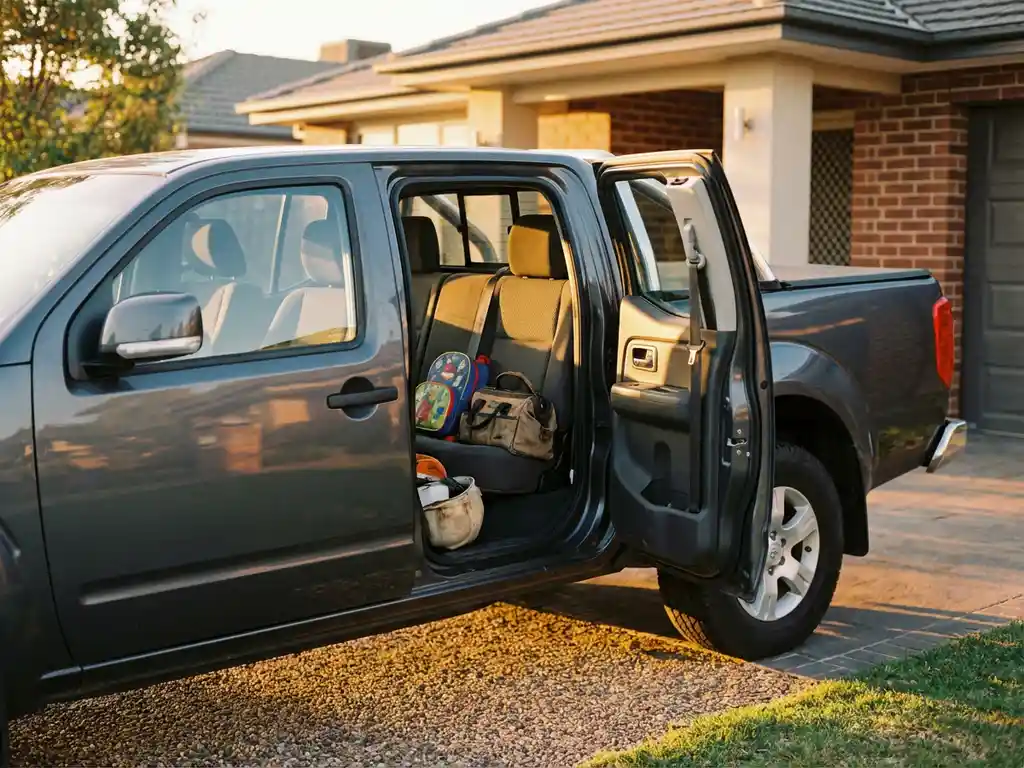
Comparison of two pick-up trucks in silver and blue: double cab on the left, crew cab on the right, side view

What is the difference between a double cab and a crew cab?

A double cabin and a crew cab are the same in practice: both terms refer to a van with two rows of seats and space for five to six people, in addition to a cargo area behind the cab. The term “crew cab” is mainly used in English, while “double cab” is the common Dutch term. Both configurations combine passenger transport with material transport, making them ideal for teams travelling together to project sites with tools and materials.

What exactly is a double cab?

A double-cab van is a commercial vehicle with two full rows of seats, allowing you to transport five to six people. Behind the cabin is a separate cargo area for materials and tools. This configuration offers the flexibility of passenger transport combined with practical transport options for business belongings.

The double cabin has a clear separation between the seating area and the cargo area. The rear row of seats offers comfortable seating with sufficient legroom for longer journeys. This keeps the cabin clean and comfortable, while tools, materials and equipment are transported safely and dry in the separated cargo area.

The dimensions of a double cab fall within the standard 3,500 kg category for commercial vehicles. The cargo space is more compact than with a single cab, but still offers enough room for standard tools, materials and equipment that teams need on a daily basis.

This configuration is mainly used when you regularly travel with a team to different locations. Construction crews, installation specialists and maintenance teams benefit from being able to travel together with all the necessary gear on board.

What is the difference between a double cab and a crew cab?

The difference between a double cabin and a crew cab is mainly in the terminology, not the practical implementation. Both terms describe a commercial vehicle with two full rows of seats and a separate cargo area. “Crew cab” is the English-language term mostly used by international brands, while “double cab” is the Dutch term most commonly encountered in practice.

Some manufacturers make subtle differences in the naming of their models. In some brands, “crew cab” refers to a slightly longer wheelbase with more legroom in the rear seat row, while “double cab” designates a more compact variant. However, these differences are not standardised and vary by make and model.

In the Dutch market, the two terms are often used interchangeably. Whether you are looking for a crew cab or a double cab, in both cases you will get a commercial vehicle with space for five to six people and a practical cargo area. The exact dimensions and layout depend more on the specific make and model than on the designation used.

In brands such as Volkswagen, Mercedes-Benz and Peugeot, you will find this configuration under different names. The Volkswagen Transporter, for example, offers a double cab variant, while other brands refer to the same layout as crew cab. The functionality remains the same: team transport with equipment space.

For which companies is a double cab or crew cab suitable?

A double cabin is particularly suitable for companies where teams regularly travel together to project sites with tools and materials. The combination of passenger transport and cargo space makes this configuration ideal for industries where collaboration and mobility are important.

In the construction industry, the double cab is popular for teams travelling together to construction sites. Bricklayers, carpenters and plasterers can travel to different projects with their team and tools in one vehicle. The separate cargo area keeps the cab clean, while materials and equipment are transported safely.

Installation companies in electrical, plumbing and HVAC benefit from flexibility. Technicians travel together to customer sites with all necessary equipment, tools and materials. The extra seats allow new employees to come along for training and mentoring.

The double cab is also a practical choice in the green sector, in landscaping companies and maintenance services. Teams can travel together to different sites with machines, tools and materials. The robust cargo area is suitable for dirty work and transporting garden machinery.

Facility service providers, maintenance companies and technical services use double cabs for their mobile teams. The ability to transport several specialists at once with their tools increases efficiency and reduces the number of vehicles needed.

What are the advantages and disadvantages of a double cab?

A double cabin offers specific advantages and disadvantages that you need to weigh up against your business needs. The choice depends on how many people you regularly transport and how much cargo space you need for materials and tools.

Advantages of a double cab

Its biggest advantage is its flexibility in passenger and goods transport. You can comfortably transport five to six team members with their tools and materials in one vehicle. This reduces the number of vehicles you need and lowers overall mobility costs.

The separate seating and cargo area ensures comfort and cleanliness. The cabin stays clean as tools, materials and dirty equipment are transported in the enclosed cargo area. This increases comfort for longer trips and makes the truck suitable for customer visits.

Team transport improves cooperation and communication. Colleagues can discuss projects, coordinate schedules and train each other on the road. This increases efficiency and makes travel time more productive.

The double cab stays within the 3,500 kg category, so you don't need a special driving licence. The car is BPM-free and fiscally attractive for business use, just like other commercial vehicles.

Disadvantages of a double cab

The main drawback is the more limited cargo space compared to a single cab. The second row of seats takes up space that could otherwise be used for cargo. If you regularly transport large quantities of materials or long objects, the cargo space may be too cramped.

The higher weight of the extra cabin and seats reduces the payload. You can carry less weight of materials and tools before reaching the maximum 3,500 kg. This requires careful planning of what you carry.

The purchase price is higher than for a single cabin with similar cargo space. The extra construction, seating and finishing make the car more expensive to buy. Fuel consumption is also slightly higher due to the extra weight.

The length of the truck increases, which can limit manoeuvrability in tight spaces. Parking and manoeuvring in narrow streets or on construction sites requires more attention than with a more compact single cab.

How Van Den Hurk helps choose the right company car

When choosing between a double cab, crew cab or other configurations, we help you with personal advice that suits your specific business situation. With over 60 years of experience, we understand the practical requirements of different industries and can tell you exactly which configuration best suits your operations.

Our approach to finding your ideal commercial vehicle:

  • Large stock of 400 commercial vehicles including various double cabin models from reliable brands such as Volkswagen, Mercedes-Benz and Peugeot
  • Personal guidance where together we look at how many people you are transporting, what materials you are bringing and what dimensions you need
  • Practical comparison in our showroom where you can view various configurations side by side and judge them on space, comfort and practicality
  • Flexible financing with buying and leasing options to suit your business and financial situation
  • Stock alert service that automatically notifies you when a double cab van that meets your needs becomes available

Want to know which double cab is best for your business? Take a look at our current range at www.vdhurk.nl or make an appointment for a showroom visit. We will take the time to discuss your situation and advise you on the configuration that really suits you.

White diesel double cab pickup truck from above at gas station with fuel pump and consumption gauge on dashboard

What is the fuel consumption of a diesel double cab van?

A diesel double cab van consumes between 7 and 10 litres per 100 kilometres on average, depending on the model, load and driving conditions. The exact consumption depends on factors such as engine type, driving style, load weight and vehicle maintenance condition. With conscious choices in driving behaviour and vehicle maintenance, you can significantly reduce this consumption.

What determines the consumption of a diesel double cab van?

The fuel consumption of a double-cab van is determined by several factors that together affect the efficiency of your vehicle. Engine type plays a big role: modern diesel engines with turbochargers consume differently from older models. The weight of your vehicle also makes a difference, a double cabin is heavier than a single cab due to the extra seats and stronger construction.

Your driving style directly affects how much diesel you consume. A lot of accelerating and hard braking costs more fuel than driving calmly and looking ahead. The aerodynamics of your van also play a role: a roof rack or open windows increase air resistance and thus consumption. Finally, the maintenance condition of your vehicle helps determine how economically you drive.

Loading is a factor not to be underestimated. An empty van drives considerably more economically than the same van fully loaded with equipment and a full team on board. Tyre pressure also makes a difference: too low pressure causes more rolling resistance and thus higher consumption. Regular maintenance such as changing air filters and engine oil will keep your engine in optimal condition.

How much does a diesel double cab consume on average per 100 kilometres?

A double-cab van with diesel engine consumes in practice between 7 and 10 litres per 100 kilometres. This average applies to normal driving conditions with a mix of indoor and outdoor roads. Modern models with efficient engines are often at the lower end of this range, while heavier versions or older vehicles go towards 10 litres.

The difference between city and highway is significant. In the city with lots of traffic lights and acceleration, you can count on 9 to 12 litres per 100 kilometres. On the motorway at a constant speed of 100 kilometres per hour, consumption is usually between 6.5 and 8 litres. This makes route planning important for your fuel costs.

Loading plays a big role in these figures. An empty double cab consumes on average 1.5 to 2.5 litres less per 100 kilometres than the same vehicle fully loaded with equipment and a team of five. Weather conditions also make a difference: headwinds or air conditioning use in summer increase consumption by an average of 0.5 to 1 litre per 100 kilometres.

How can you reduce the fuel consumption of your double cab?

You can directly reduce the fuel consumption of your double cab by adjusting your driving behaviour. Slow acceleration and forward-looking driving will save you up to 15% of fuel. Try to keep your speed constant and use the engine as a brake by releasing the throttle in time. On the motorway, driving 10 kilometres per hour slower already makes a difference: 90 instead of 100 kilometres per hour will save you about 1 litre per 100 kilometres.

Regular maintenance will keep your fuel consumption down. Check your tyre pressure every month, because too soft tyres can easily cost you an extra 0.3 litres per 100 kilometres. Have your engine serviced on time according to the maintenance schedule: clean air filters and fresh engine oil ensure optimal combustion. A well-maintained engine runs more efficiently and consumes less.

Smart loading also helps with fuel economy. Take only what you really need for the day, every 100 kilos of extra weight will cost you about 0.4 litres per 100 kilometres. Plan your routes to avoid unnecessary kilometres and combine several stops in one trip. Remove unnecessary accessories such as a roof rack if you are not using it, this improves aerodynamics and reduces fuel consumption.

What is the difference in consumption between an empty and loaded double cab?

The difference between an empty and fully loaded double-cab van is on average between 1.5 and 3 litres per 100 kilometres. An empty double cab with just the driver consumes around 7 to 8 litres, while the same vehicle with a full team of five people and equipment up to 3,500 kilos total weight goes towards 10 to 11 litres.

This difference is because the diesel engine has to work harder to move the extra weight and keep it up to speed. You notice this most during any acceleration and on inclines: the engine requires more fuel to deliver the same performance. Similarly, braking and accelerating in the city costs more energy and thus more diesel with a heavier load.

For business owners who regularly drive heavily loaded vehicles, this is important to know for your running costs. If you drive to project sites daily with a full team and equipment, count on the higher consumption for your calculations. Plan your routes smartly and try to avoid unnecessary kilometres with full loads. It sometimes pays to leave equipment on site if you are returning the next day anyway.

How Van Den Hurk helps with fuel-efficient double cab commercial vehicles

We understand that fuel costs are an important part of your operations. That is why we help you find a fuel-efficient double-cab van that suits your specific situation. With more than 60 years of experience, we know exactly which models are the most economical for different applications.

With us, you get:

  • Transparent consumption information of all models in our stock of 400 commercial vehicles
  • Personal advice on the most economical choice for your specific business activities
  • Modern diesel models With efficient engines that reduce your fuel costs
  • Flexible financial lease options allowing you to invest in a more fuel-efficient vehicle
  • Maintenance tips to keep your consumption low over the lifetime

Drop by our showroom in Helmond or use our handy stock alert service to stay up to date on fuel-efficient double cabs that are new arrivals. We are happy to think with you about the best choice for your situation. Contact us for personal advice on fuel-efficient commercial vehicles that really suit you.

Metallic silver modern double cab pickup truck in car show with dramatic studio lighting and polished floor

What is the average price of a new double cab van in 2026?

A new double-cab van will cost on average between €35,000 and €65,000 in 2026, depending on the make, engine version and equipment level. Electric variants are higher to buy, starting at around €50,000, but offer lower operating costs. The price is mainly determined by your specific business needs: what payload you need, how many people you regularly transport and which extra options are important for your work.

What determines the price of a new double cab van?

The price of a new double-cab van depends on several factors that together determine the total amount. The make and model form the basis, where you can choose from budget-friendly options starting from €35,000 to premium versions heading towards €70,000. The engine type also plays a big role in the final cost.

Diesel remains popular for its high torque and range, with prices often between €40,000 and €55,000 for a fully equipped variant. Petrol versions are often slightly cheaper to buy but less common for commercial vehicles. Electric powertrains start higher, from around €50,000, but we will come back to that later.

The equipment level often makes a difference of €10,000 to €15,000 between a base model and a fully equipped version. A base model usually has air conditioning, a radio and electric windows as standard. Fully equipped variants additionally offer navigation, cruise control, parking sensors, a reversing camera and sometimes even leather upholstery and advanced safety systems.

Payload also affects the price. A double cab with a payload of up to 1,000 kg is often cheaper than variants that can carry up to 1,300 kg. That extra capacity requires reinforced suspension, more powerful brakes and more robust construction, which translates into a higher purchase price.

Additional options and technology can add another €5,000 to €10,000 to the base price. Think automatic transmission, four-wheel drive, a towbar, special wheels or custom loadspace equipment. These additions are often worth the investment though if they contribute directly to your operations.

Why are double cabins More expensive than standard vans? The additional construction for the second row of seats requires a longer wheelbase and more material. The cargo area must also remain separate from the passenger compartment, requiring extra insulation and finishing. This combination of passenger and goods transport in one vehicle justifies the price difference of an average of €3,000 to €5,000 compared to a single cab.

How much does an electric double cab cost compared to diesel?

A electric double cab costs on average €15,000 to €20,000 more in purchase than a comparable diesel variant. Whereas you pay around €45,000 for a well-equipped diesel, with electric you start from €50,000 and top models run up to €70,000. However, that higher starting price is offset by significantly lower operating costs during use.

The daily costs of electric driving are much lower. Electricity costs around €4 to €6 per 100 kilometres, while diesel quickly costs you €10 to €14 for the same distance. With an average business use of 25,000 kilometres per year, that saves €1,500 to €2,500 in fuel costs. Over a period of five years, this will save you €7,500 to €12,500.

Maintenance of electric commercial vehicles is also more economical. There is no need for an oil change, no particulate filter to clog and less wear and tear on brakes due to regenerative braking. That easily saves €500 to €800 a year in maintenance costs. Add that to the fuel savings and you're at an annual cost savings of €2,000 to €3,300.

Subsidies and tax breaks make electric even more attractive. In 2026, as an entrepreneur, you can count on tax benefits such as 0% additional taxable benefit for electric company cars and accelerated depreciation. These schemes can further reduce the purchase price difference by several thousand euros, depending on your tax situation.

The Total Cost of Ownership (TCO) shows when electric is more advantageous. With a purchase price of €50,000 for electric versus €45,000 for diesel, you have a difference of €5,000. With an annual saving of €2,500, you have already recouped that difference after two years. If you drive more kilometres or benefit from extra subsidies, the payback time can be even shorter.

A practical calculation example: suppose you buy an electric double cab for €55,000 and a diesel for €48,000. You drive 30,000 kilometres a year. The electric variant saves you €3,000 a year on fuel and €600 on maintenance. After five years, you'll have saved €18,000, which not only recoups the purchase price difference but is also €11,000 cheaper. For companies with high mileage, electric is therefore often the smarter choice.

Which brands offer the best value for money for double cabs?

The double cab market has different price segments, each with its own strengths. In the budget segment, you will find reliable options between €35,000 and €42,000. These brands offer solid basic quality with standard equipment that is sufficient for many businesses. You get a functional double cab with decent engine performance and practical equipment.

The midrange segment between €42,000 and €55,000 offers more comfort and better finish. Here you will find brands that offer a good balance between price and quality, with more extensive standard equipment such as climate control, better seats and modern safety systems. These vehicles also tend to have lower residual value depreciation, making them attractive for long-term use.

Premium brands from €55,000 upwards offer top quality in finish, handling and technology. The double cabs in this segment feel like passenger cars but retain their robust workhorse character. You pay more, but get refined engines, excellent sound insulation and advanced assistance systems in return.

Reliability varies by brand and is important for your overall cost. Some brands are known for their long life and few breakdowns, which translates into lower unexpected costs. Other brands have cheaper parts and a larger service network, making repairs more affordable. Always check maintenance costs and parts availability in your area.

Residual value also plays a role in your final investment. Brands with a good reputation retain 45% to 55% of their value after four years, while less popular brands can drop to 35% to 40%. If you plan to sell or trade in your van after a few years, this difference can save thousands of euros.

Tips for choosing the right brand based on your situation: if you mainly have shorter journeys in town, choose a compact double cab with economical engine. If you drive a lot of long distances with full load, then a brand with powerful diesel engines and comfortable suspension is the better choice. For construction and off-road work, brands with four-wheel drive and high ground clearance are ideal, even if you pay extra for it.

Should you buy or lease a double cab in 2026?

The difference between buying and leasing is mainly in how you pay and what you get in return. With buying, you pay the full purchase price in one go or via financing, after which the vehicle is yours. With leasing, you pay a fixed monthly amount for using the double-cab van, but the vehicle remains the property of the leasing company.

Buying has the advantage of full ownership. You can customise the van however you want, drive unlimited miles and sell it at your convenience. The depreciation is yours, but so is the residual value. For companies with sufficient capital and a preference for long-term ownership, this is often the logical choice.

The disadvantages of buying are the high initial investment and the risk you bear. If something breaks down after the warranty period, you are responsible for the repair costs. You are also stuck with the vehicle, which is less flexible if your business needs change. The full purchase price also directly impacts your cash flow.

Leasing protects your cash flow by not having to pay a large lump sum. You pay a predictable monthly amount that often already includes maintenance, insurance and road tax. This makes budgeting easier and you always have a relatively new van without worrying about major repairs or depreciation.

The disadvantage of leasing is that you don't own anything after the contract ends. You pay for use, not ownership. You are also often stuck with mileage limits and have to keep the car back in good condition. Extra kilometres or damage can lead to hefty back payments at the end of the contract.

Operational lease means you pay an all-in monthly amount that includes everything: depreciation, maintenance, insurance, road tax and sometimes even tyres. You just drive and pay one fixed amount per month. This is ideal for companies that want certainty about their monthly costs and don't want to worry about fleet management.

Financial lease is more like a financing where you become the owner at the end or have the option to take over the vehicle at its residual value. You pay a monthly amount that consists mainly of repayment and interest, but insurance and maintenance you arrange yourself. This gives more freedom but also more responsibility.

Practical scenarios will help you choose. Are you a sole trader or small business with a limited budget and do you drive a lot of kilometres? Then buying is often more advantageous in the long run, especially if you use the van for more than five years. Do you have a growing business that needs flexibility and always want modern vehicles? Then operational lease suits your situation better.

For companies with a stable fleet and enough capital, buying is usually the cheapest option over a period of six to eight years. For companies that are growing rapidly, have seasonal work or prefer to invest their capital in their core business, leasing offers more advantages due to its predictability and flexibility.

How Van Den Hurk helps with your double cab purchase

We understand that buying a double cab is an important investment for your business. With over 60 years of experience, we help you find the right van within your budget and tailored to your specific operations. Whether you choose new or used, buying or leasing, we think along with you personally.

Our approach is practical and transparent:

  • Large stock: Choice of 400 commercial vehicles including several double cabs in different price ranges and versions
  • Transparent pricing: Clear information on all costs with no surprises afterwards
  • Personal advice: Our advisers look with you at seating comfort, load capacity, ride comfort and manoeuvrability based on your daily use
  • Flexible financing: Options for both purchase and financial lease, tailored to your business situation
  • Stock alert service: Automatic notification when the double cab you are looking for arrives in our stock
  • Full service: From advice to delivery, including options for insurance and accessories

View our current range of double cabs on our website or plan a visit to our showroom in Helmond. This way, you can see different models in real life and take a test drive. We take our time and help you make the right choice for your business. Contact us for personal advice on the best double cab within your budget.

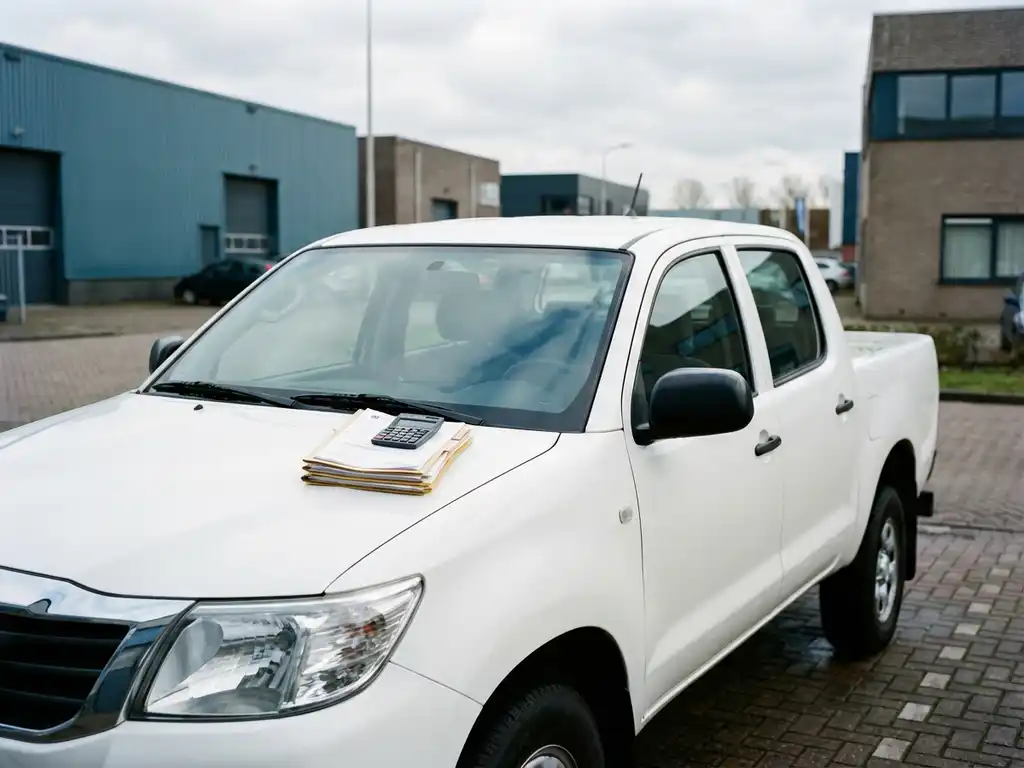
Three modern pickup trucks in professional workshop with hydraulic lift and cost calculations

Which double cab has the lowest maintenance costs?

If you are looking for a double-cab van with low maintenance costs, then brands like Toyota Hilux, Mitsubishi L200 and Ford Ranger are often the most economical choices. These models are known for their reliability, affordable parts and a good service network in the Netherlands. Maintenance costs depend mainly on the brand, engine type, age of the vehicle and how you handle it. In this article, we answer the most important questions about maintenance costs of double cabs.

What determines the maintenance costs of a double cab?

The maintenance cost of a van double cab is determined by several factors that add up to the overall picture. The brand plays a big role: some brands are known for their reliability and lower maintenance costs, while others have more expensive parts. The availability and price of spare parts often make the difference between a cheap and expensive servicing.

The engine type also affects your costs considerably. Diesel engines are robust and economical, but maintenance can be more expensive than petrol engines. Electric commercial vehicles have fewer moving parts and therefore often lower maintenance costs, but the purchase price is higher. The age and mileage of your double cab will determine whether you face predictable or unexpected costs.

The build quality and materials used make a difference in how long parts last. A well-built double cab van is less prone to wear and corrosion. Service intervals also play a role: some brands require maintenance every 15,000 kilometres, others only after 30,000 kilometres. The more often you have to visit the garage, the higher your annual costs will be.

Your driving style and the type of work you do also have an influence. Heavy loads, lots of short trips or regular off-road use increase wear. A double cab that mainly drives on the motorway with moderate load will last longer than a vehicle that is heavily loaded daily on construction sites.

Which double cab brands are the cheapest to maintain?

The Toyota Hilux is known as one of the most reliable double cabs with low maintenance costs. This brand has an excellent reputation for durability and a wide service network in the Netherlands. Parts are reasonably priced and mechanically the Hilux is simple, which keeps repairs affordable. Many operators choose Toyota because of its predictable costs and long service life.

The Mitsubishi L200 is also a popular choice for those looking to reduce maintenance costs. This model combines reliability with a good dealer network and affordable parts. The L200 has proven to be robust, especially in tough working conditions. The brand often offers attractive warranty packages that provide extra security.

Ford Ranger scores well on maintenance costs thanks to its wide availability of parts and extensive service network. Ford has many dealers in the Netherlands, which means you don't have to look far for servicing. The Ranger is technically well engineered and has a good balance between performance and maintainability.

In terms of maintenance costs, the Volkswagen Amarok is slightly higher, but offers premium quality and comfort. Parts are more expensive than Japanese brands, but the build quality is excellent. For business owners who value driving comfort and modern technology, the Amarok can be a good choice, despite its slightly higher cost.

When choosing between brands, it is wise to look at the service network in your area. A brand with many dealers and garages nearby saves time and often money. The availability of second-hand parts can also reduce costs, especially for older models.

How can you reduce maintenance costs of your double cab?

Following the manufacturer's maintenance schedule is the best way to avoid costly repairs. Regular maintenance prevents small problems from developing into major, costly breakdowns. Do not skip servicing even if everything seems to be working fine. Preventive maintenance is always cheaper than repairs afterwards.

Choose a reliable garage or dealer who has experience with your make of van double cab. A good mechanic will recognise problems early and can advise you on the best approach. Compare prices between different garages, but also pay attention to quality. The cheapest option is not always the best in the long run.

Your driving style directly affects wear and maintenance costs. Avoid aggressive acceleration and braking, and change gears in time. Allow the engine to warm up before applying heavy load, especially on cold starts. A calm driving style saves fuel and extends the life of parts.

Keep your tyres properly inflated and have them regularly checked for wear. Improperly inflated tyres increase fuel consumption and wear out faster. The alignment of your wheels is also important: misalignment causes uneven tyre wear and can damage the suspension.

Keep all maintenance reports and invoices carefully. A complete maintenance history increases the resale value and provides insight into recurring problems. Moreover, it allows you to recognise patterns and anticipate future maintenance. Some insurers and leasing companies give discounts for a well-maintained vehicle.

Consider a maintenance package or warranty if available. These packages spread costs and provide predictability. In leasing arrangements, maintenance is often included, which makes budgeting easier. Always ask about terms and conditions and what is and is not covered.

What is the difference between maintenance costs of new and used double cabs?

New double cabs have low maintenance costs in the first few years thanks to manufacturer's warranty. Most brands offer a minimum three-year warranty, in which major repairs are covered. You only have to deal with regular maintenance like oil changes and filter changes. Costs are predictable and surprises are rare.

With used double cab vans, maintenance costs are less predictable. Once the warranty expires, you pay for all repairs yourself. Older vehicles need more maintenance: brakes, gearbox, clutch and suspension wear out over time. The level of maintenance by the previous owner also determines how much you will spend.

The purchase price of a used double cab is much lower, but you have to expect higher annual maintenance costs. A well-maintained used van can last for years with reasonable costs. Always ask about the maintenance history and get a purchase inspection before you buy.

The tipping point between new and used is often around the fifth year. Until then, new vehicles are usually cheaper in total cost due to low repairs and better fuel efficiency. After five years, maintenance costs rise, but depreciation is already largely behind them. For business owners with tight cash flow, a well-maintained used double cab can be more financially attractive.

Lease constructions often include maintenance costs, making the difference between new and used smaller. Financial lease gives you flexibility to decide where to have maintenance done. With operational lease, everything is taken care of, including maintenance, which makes budgeting easy but increases monthly costs.

How Van Den Hurk helps with low maintenance costs for your double cab

We understand that maintenance costs are an important part of your overall running costs. That is why we help you make the right choice for a double cab van that fits your budget and operations. Our goal is transparency and honest advice, so you know exactly where you stand.

This is how we support you:

  • We offer a wide range of reliable brands with a good reputation for maintenance costs
  • All vehicles in our stock have a transparent service history, so you know what you're buying
  • We advise you on the total cost of ownership, not just the purchase price
  • With our used double cabs, you can have a purchase inspection carried out for extra security
  • We offer flexible financial lease options where you keep control over maintenance and insurance
  • Our delivery packages give you three months' security and get you off to a fresh start
  • We will personally look with you at the best option for your specific situation

With more than 60 years of experience, we know which double cabs are reliable and which brands have the lowest maintenance costs. We are happy to help you with personal advice at our showroom in Helmond. Make an appointment or drop by to discuss your options. Together, we will find the van double cab that best suits your business, with maintenance costs that stay within your budget.

Silver double cab van on wet tarmac at sunset with upgrading graph in background

Do double cab vans hold their value well?

Yes, double cab vans generally retain their value well. This is due to the versatility of these vehicles, which combine both passenger transport and cargo space. Demand from various business sectors remains high, while the supply of quality used models is limited. This ensures a stable residual value, especially if you take good care of your vehicle and make the right choices when buying.

Why do double cab vans retain their value better than other commercial vehicles?

Double-cab vans hold their value well because they offer a unique combination of functionality. You get comfortable seating for up to six people as well as practical cargo space. This versatility makes them attractive to a wide range of businesses, from construction companies to technical service providers.

Demand for second-hand double cabins remains high because they are so practical for teams travelling together to project sites with their equipment. The separate seat and cargo area means the cab remains clean and comfortable, while tools and materials are transported safely. This makes them popular in sectors such as construction, agriculture and installation companies.

The supply of good used double cabs is often limited. Many companies keep their vehicles longer because they meet their needs so well. This scarcity in the second-hand market supports prices. In addition, double cabs are often better maintained because they are used by multiple team members and companies want to protect the investment.

Its practical functionality appeals to different audiences. Whether you have a small installation company or a larger construction company, a double-cab van often solves several transport problems at once. This wide appeal ensures that you will always find a buyer when you want to sell your vehicle.

What factors determine the residual value of a double cab van?

The residual value of your double cab is determined by a combination of concrete factors. Mileage and intensity of use top the list. A vehicle with 80,000 kilometres holds more value than one with 200,000 kilometres, simply because it has more life left in it. How those kilometres were driven also plays a role: motorway kilometres are often less taxing than constant city traffic.

Your service history makes a big difference. A complete service booklet with regular servicing gives confidence to potential buyers. It shows that you have handled the vehicle carefully. Therefore, always keep all invoices and maintenance documentation, even of minor repairs.

Brand and model popularity strongly influence residual value. Some brands are known for their reliability and durability, which translates into better prices on the used market. The condition of both the cabin and the cargo area is important. Damage to the upholstery, scratches on the dashboard or dents in the cargo box immediately reduce the value.

The age of the vehicle also plays a role, of course, but is less important than you might think with well-maintained ones. Market demand fluctuates by period and region. Specific features such as towing capacity or four-wheel drive can significantly increase value, especially in certain sectors where these features are important.

Technical specifications that add value

  • Four-wheel drive for construction and off-road use
  • Higher towing capacity (up to 3,500 kg)
  • Air conditioning in the cabin
  • Modern safety systems
  • Electric windows and central locking

How can you maximise the value retention of your double cab?

Regular maintenance according to the manufacturer's schedule is the basis for good value retention. Do not skip servicing even when you are busy. A missed service can later lead to bigger problems that significantly reduce the value. Plan your maintenance ahead and stick to it.

Documentation is your best friend when selling. Keep every receipt, invoice and maintenance receipt in one place. If necessary, take photos of important documents as a backup. These papers prove that you have taken good care of your vehicle and give buyers confidence that they are buying a reliable vehicle.

Protect both the interior and exterior from damage. Use mats in the cabin, especially if several people use the vehicle. Consider a protective coating for the cargo box to prevent scratches and dents. Small investments in protection will pay off handsomely later.

Avoid excessive modifications that are not standard. While some modifications may seem useful, they can put off potential buyers. Keep modifications professional and businesslike. Wild colours or extreme styling limit your target audience when selling.

Manage your mileage strategically where possible. If you have several vehicles, divide usage smartly. Also pay attention to the timing of sales. The commercial vehicle market is often more active at the beginning of the year when companies have new budgets, or at the end when they want to use residual budgets.

Practical tips for everyday use

  • Wash your vehicle regularly, including the underside in winter
  • Remove rust as soon as you see it
  • Check tyre pressure monthly
  • Clear the loading bay regularly and keep it clean
  • Have small damages repaired immediately before they get bigger

What is the difference in value retention between new and used double cab vans?

New double cabs lose most of their value in the first two to three years. This is the steep depreciation curve everyone talks about. A new van can lose 20 to 30 per cent of its value in the first year, simply by driving from the showroom. In subsequent years, this flattens out to about 10 to 15 per cent per year.

Second-hand double cabs that are already a few years old lose their value much more gradually. The big depreciation blow has already been taken by the previous owner. This makes them more financially attractive for many companies. You get a reliable vehicle at a fraction of the new price, and the loss of value per year is much lower.

For your business, this means an important trade-off. If you buy new, you have the latest technology, full warranty and no worries about the vehicle's past. But you pay a premium for that convenience and quickly lose value. If you choose second-hand, then your initial investment is lower and the loss of value is more limited.

The financial impact depends on how long you plan to keep the vehicle. Do you plan to drive the same bus for five to seven years? Then buying new may make sense. Do you prefer to change every three years? Then a second-hand model two to three years old is often the smartest choice. You'll avoid the steep depreciation but still have a modern, reliable vehicle.

Your business activities also play a role. For intensive use with high mileage, a new bus with full warranty can provide peace of mind. For more moderate use, a well-maintained used double-cab van Excellent value for money without the heavy initial depreciation.

How Van Den Hurk helps choose a double cab with good value retention

With us, you will find transparent prices and honest advice on which models historically hold their value well. With more than 60 years of experience in commercial vehicles, we know the market inside out. We know which makes and models remain popular and why.

Our extensive range includes both new and used double cabs, giving you the choice that suits your situation. We help you make the financial trade-off between new and used, based on your specific use and plans. Every vehicle in our stock is carefully selected for quality and potential value retention.

What we do for you:

  • Personal advice on models with proven residual value
  • Transparent information on service history and condition
  • Flexible leasing options that protect you from depreciation risk
  • Access to our network of 400 commercial vehicles
  • Stock alert service if you have specific requirements
  • Guidance from advice to delivery

Want to know which double cab will best suit your business and hold its value well? Visit our showroom in Helmond or contact us. We will gladly think with you about the smartest choice for your situation, so that your investment retains its value and moves your business forward.

Organised load compartment of pick-up truck with aluminium drawers, partitions and tool storage

How do you furnish the cargo space of a double cab van?

The cargo area of a double-cab van furnish by choosing furnishing systems that suit your work, such as shelving, drawer units or wall panels. A well-organised loading area ensures safe transport, saves time and protects your materials. You choose the equipment according to your profession, type of materials and how often you load and unload.

Why is a well-appointed cargo area important for your business?

A well-organised cargo space in your van double cab saves you time every day and prevents damage to your materials and tools. While driving, everything stays in place, increasing safety and ensuring that your belongings are not damaged. An organised cargo space also makes you look professional when you arrive at customers' premises.

When your tools and materials have a fixed place, you work more efficiently. You know exactly where everything is and don't have to search through loose items. This saves you several minutes per job, which adds up over a whole working day. Moreover, expensive tools and materials are better protected against bumps and movement during transport.

A tidy cargo space has another advantage: you can carry more. Clever arrangement allows you to make optimal use of the available space, both horizontally and vertically. This means fewer trips back and forth to pick up materials.

What equipment systems can you use for a double cab?

Several systems are available for fitting out your van double cab, each with its own advantages. The choice depends on what you transport every day and how you work. Here are the most commonly used options:

  • Racking and shelving - Ideal for storing smaller materials and tools at different heights. Suitable for electricians, plumbers and installers who use a lot of small tools.
  • Drawer units - Offer locked storage space with pull-out drawers. Perfect for expensive tools you want to protect from theft and dust.
  • Wall panels with hooks - Flexible system where you can move hooks and holders as required. Useful when you regularly transport other materials.
  • Partitions - Ensure safety by preventing loose materials from shooting forward when braking. Important for passenger safety in the cabin.
  • Floor protection - Protects the bottom of your cargo space from scratches and damage caused by heavy materials.
  • Tailor-made tool cases - Can be permanently mounted and provide organised storage for specific tools.

Many trades combine different systems. For example, a contractor often uses both racking for small tools and floor protection for heavy equipment. Gardeners often choose wall panels from which to hang garden tools, combined with floor protection against dirt and moisture.

How do you decide which layout best suits your work?

You choose the best equipment for your van double cab by looking at your daily operations. Think about which materials and tools you use the most and how often you need them. A plumber has different needs than an electrician or contractor.

Start by taking stock of what you carry on a daily basis. Make a list of your tools and materials and group them according to how often you use them. Items you need every day should be easily accessible. Materials you use less often can go in the back or top.

For specific professions:

As an electrician, you have a lot of small tools and cables. Shelving with multiple compartments and drawer units for expensive tools work well then. Cable reels can be hung on wall panels for overview.

Plumbers often transport pipes and tubes alongside tools. A combination of long storage compartments for pipes and racks for fittings and tools is practical. Floor protection is important because of the heavy equipment.

Contractors often need heavy and large equipment. Solid floor protection and a partition wall are important for safety. Wall panels can be used for hand tools that need quick access.

Also pay attention to your budget. You don't have to buy all the furnishings right away. Start with the basics such as a partition wall and floor protection, and then expand with shelving or drawer units. Modular systems are handy because you can expand them later when your business grows.

What are the top tips for making the most of your cargo space?

With a few practical tips, get the most out of the cargo space of your van double cab. This approach will help you stay organised and work efficiently.

Always place heavy equipment at the bottom. This lowers the centre of gravity of your van and ensures more stable road handling. Moreover, you prevent heavy items from falling onto lighter materials and damaging them.

Keep frequently used items within easy reach. Place tools you need every day near the back doors or at eye level. This will save you time and prevent you from having to search the whole load compartment every time.

Use labels and markings. Label your drawers and compartments so you can see at a glance where everything is. This is especially useful when several people work with the same van.

Utilise vertical space. Many people forget that you can also work upwards. Shelving up to the ceiling gives you extra storage space without losing floor space.

Opt for modular systems. Systems you can customise and expand grow with your business. You can add or move compartments when you start transporting other materials.

Clean up regularly. Schedule time every week to tidy up your loading space. Remove materials you no longer need and put everything back in its proper place. A tidy loading space will only stay tidy if you pay attention to it.

Make sure loose materials are always secured. Use tension straps or nets for materials that do not fit in fixed compartments. This prevents damage and dangerous situations while driving.

How Van Den Hurk helps furnish your double cab van

With us, you will find a wide range of double cab vans that perfectly suit your business needs. We understand that a well-appointed cargo area is important for your daily operations.

What we can do for you:

  • Advice on which double-cab van best suits your specific work and equipment needs
  • Information on different furnishing options and which systems are suitable for your profession
  • Cooperation with reliable furnishing specialists who deliver customised solutions
  • Flexible financing and leasing options so you can get started immediately with a fully equipped van
  • Personal assistance from advice to delivery, with over 60 years' experience in commercial vehicles

Our advisers will be happy to help you find the best furnishing solution for your situation. Together, we will look at your daily activities and which equipment suits you best. View our current range of double-cab vans at www.vdhurk.nl or contact us for personal advice. That way, you will soon be driving a van perfectly equipped for your work.

Aerial view of modern dealership site with rows of white double-cab commercial vehicles under Dutch skies

Which dealer has the largest stock of double cab vans?

If you are looking for a dealer with a wide choice of double cab vans, look out for dealers with at least 100 to 150 vehicles in stock. A large stock means more choice in makes, models, ages and specifications, making it quicker to find the right double cab van that fits your business perfectly. Dealers with an extensive range can also often offer better prices and ensure immediate availability without long delivery times.

What is a double cab van and why are they so popular?

A double cab van is a commercial vehicle with two rows of seats, allowing you to transport up to six people while leaving plenty of cargo space for materials and tools. The cabin is separated from the cargo area, meaning your team can travel in comfort while stuff is safe and dry in the back.

These vehicles are particularly popular with entrepreneurs in construction, installation, maintenance and technical services. You can take your whole team to a job without the need for multiple vehicles. This not only saves on fuel costs, but also on insurance, road tax and maintenance.

Its versatility makes a van double cab extra attractive. On weekdays you transport staff and equipment, but on weekends the vehicle can also serve private purposes perfectly well. The extra seats offer flexibility that you simply don't have with a single cab or standard van.

Modern double cabs have also become increasingly comfortable. Many models have air conditioning, good soundproofing, modern safety systems and even options such as automatic transmission or four-wheel drive. So you no longer have to compromise on comfort, even in intensive business use.

How many double cab vans should a dealer have in stock at least?

A serious dealer should have at least 100 to 150 commercial vehicles in stock, with a substantial proportion of these as double cabins. This gives you enough choice to compare different makes, build years, engine power and equipment levels. A dealership with only 10 or 20 vehicles significantly limits your options.

What makes a stock really interesting? Variety in brands such as Ford, Mercedes-Benz, Peugeot, Volkswagen and Toyota. Diversity in age, from newer models to reliable used vehicles with a good maintenance record. Different specifications such as payload capacity, engine types and extra features such as towbar or roof rack.

A large stock offers you concrete benefits as a buyer. You are more likely to find exactly the van double cab that meets all your requirements, without compromise. Dealers with a lot of stock can often negotiate more keenly because they turn more volume. You can often drive off immediately instead of waiting weeks or months for delivery.

Dealers with serious inventory also invest more in their operations. They usually have better purchasing contacts, more professional after-sales and more expertise in-house. Their stock rotates faster, which means vehicles spend less time idling and are better maintained.

Why stock size matters

An extensive stock gives you freedom of choice as an entrepreneur. You can view, test drive and compare different double cab vans side by side. This helps you make an informed decision that fits your daily work and budget.

Moreover, a large inventory indicates financial stability and market confidence. Dealers who hold hundreds of vehicles have proven that they know the market and keep customers happy. That gives you extra security in such an important investment for your business.

What should you look out for when choosing a dealer for double cab vans?

Stock size is important, but not the only criterion. Also look at service quality and how transparently a dealer communicates prices, specifications and any defects. A good dealer will tell you honestly what you can and cannot expect from a vehicle, without hiding things.

Financing options often make the difference. Some dealers only offer cash sales, while others have flexible leasing options, financial leasing or installment schemes. If you need multiple commercial vehicles or want to spread your cash flow, these options are valuable.

Warranty and aftercare are as important as the purchase itself. Ask about delivery packages, maintenance options and what happens if something goes wrong within a short time. A dealer who disappears after the sale is not a reliable partner for your business.

Practical considerations

Please note the following when selecting a dealer:

  • Location and accessibility: Having a dealer nearby makes service and maintenance easier. You can drop by quickly for questions or minor adjustments.
  • Online visibility: A good website with clear pictures, specifications and prices will save you time. You can select in advance which vehicles are of interest.
  • Customer reviews: Look for reviews from other business owners. Platforms such as Klantenvertellen provide insight into how a dealership handles customers and problems.
  • Experience and reputation: Dealers that have been around for decades have proven to be reliable. They know the market and have built a network.
  • Additional services: Think insurance, lettering, accessories such as towbars or roof racks, and trade-in options for your current vehicle.

Take the time to visit several dealers. A personal conversation will make you feel good about working together. Ask for their advice for your specific situation and note how well they listen to your needs.

Transparency in prices and conditions

A reliable dealer communicates clearly about all costs. Always ask for the total price including any delivery costs, warranties and extras. Hidden costs are a sign that you are better off looking further down the road.

The terms and conditions of leasing or financing should also be crystal clear. Understand exactly what you pay monthly, what happens at the end of the term, and what obligations you have around maintenance and insurance.

How Van Den Hurk helps find the right double cab van

With us, you will find a stock of more than 400 commercial vehicles, including a wide range of double-cab vans. This diversity means you can choose from different makes, build years and specifications to suit your business activities.

What we offer:

  • Extensive choice: From newer models to reliable used vehicles, all with transparent information on condition and maintenance history
  • Flexible financing: Buy, financial lease or other solutions to suit your cash flow and operations
  • Personalised advice: Our advisers think along with you about which double-cab van best suits your daily operations
  • Stock alert service: Is your ideal vehicle not listed? Activate notification and receive automatic notification as soon as a suitable bus becomes available
  • Regional presence: Based in Helmond, easily accessible for viewing and service
  • Total solution: From accessories such as towbars and roof racks to insurance and maintenance

View us current offer online at www.vdhurk.nl or drop by our showroom. You are welcome with and without an appointment. We are happy to take the time to discuss your requirements and together find the perfect double cab van to help your business move forward.

Three modern open-body pick-up trucks in professional showroom with dramatic lighting

Which double cab has the highest cargo space?

The highest cargo space at a double cabin depends on several factors, such as the length of the cargo box, the height of the sides and the width between the wheel arches. Large pickups and chassis cabs generally offer the most cargo space, with volumes that can exceed 2 cubic metres. When comparing models, it is important to look at both cargo volume and payload, as both determine what you can actually transport.

What determines the cargo space of a double cab?

The cargo space of a van double cab is determined by several factors that together make up the usable space. The dimensions of the cargo box are the most decisive: length, width and height together determine the cargo volume in cubic metres. The size of the cab also plays a role, as a larger cab leaves less space for the cargo box behind it.

The construction of the chassis and the suspension also affect cargo space. For example, the width between the wheel arches determines how much width you can really use for pallets or other large items. Some models have wider wheel arches that limit the useful width, while others offer flat loading floors with minimal obstacles.

The difference between interior and exterior dimensions is important to understand. The outside dimensions indicate how big the truck is, but the inside dimensions determine what you can actually fit inside. The thickness of the side walls and the construction of the cargo box can cause the usable space to differ considerably from what you would expect based on the exterior dimensions.

The weight of the cabin itself also plays a role in the available cargo space. A heavier cabin structure means less weight left for cargo before you reach the maximum permitted weight of 3500 kg. Therefore, it is important to distinguish between cargo volume (how much room there is) and payload (how much weight you are allowed to carry).

Which double cabs have the most cargo space in practice?

In practice, there are several categories of double cabs, each with its own cargo space characteristics. Large double-cab pickups often offer the most cargo space, with cargo boxes that can be 1.5 to 2.5 metres long. These vehicles combine spacious seating for five to six people with a sizeable open cargo box suitable for bulk goods and materials.

Compact double cabins are popular in sectors such as construction and technical services. These models usually have a shorter cargo box of around 1.2 to 1.5 metres in length, but offer the advantage of better manoeuvrability in urban environments. The cargo volume here is often between 1 and 1.5 cubic metres, which is sufficient for tools and smaller materials.

Chassis cabs are a separate category where you can decide on the body. These vehicles offer the most flexibility because you can have the body or superstructure tailored exactly to your needs. This allows you to achieve the highest cargo space, sometimes up to 3 cubic metres or more, depending on the body chosen.

The height of the sides varies greatly by model and version. Standard cargo boxes usually have sides of 30 to 50 centimetres high, but with add-on sides you can increase this to 80 centimetres or higher. This makes a big difference to the overall loading volume, especially when transporting lighter but bulky materials.

How do you measure the cargo area of a double cab correctly?

Measuring the cargo area correctly starts with determining the length of the body. Measure from the rear of the cab to the end of the cargo box. Make sure you measure the inside dimension, not the outside, because the thickness of the cab's rear bulkhead and rear door take up space.

The width is best measured between the wheel arches, as this is the practical usable width. The overall width of the cargo box can be wider, but if the wheel arches stick out, you cannot fit europallets or other standard materials over them. Therefore, measure both the overall width and the width between the wheel arches.

For height, measure from the loading floor to the top of the sides. If you want to know how much you can load with a tarpaulin or hood, also measure the maximum height possible before running into legal restrictions. Remember that higher loading affects stability and fuel consumption.

When comparing specifications from different manufacturers, be aware that not everyone measures in the same way. Some manufacturers give the theoretical volume up to the edge of the cargo box, while others take practical limitations into account. Always ask about interior dimensions and check whether wheel arches or other obstacles limit the usable space.

Why is cargo area height important in a double cab?

The height of the loading space largely determines how much volume you can transport, especially for light but bulky materials. For companies in the construction or insulation industry, a difference of 20 centimetres in loading height often makes the difference between one or two trips. Higher sides offer more load volume without the need for a longer cargo box.

Different industries have different needs when it comes to loading height. Gardeners and earth-moving companies benefit from higher sides to transport soil, sand or gravel. Installation companies that mainly transport tools and smaller materials often have enough with standard loading height and prefer a lower centre of gravity.

Higher sides also have drawbacks to consider. They make it more difficult to load and unload goods from the side, which can be tiring when doing regular manual work. Also, a higher load affects aerodynamics and thus fuel consumption, especially on motorway trips.

Fortunately, there are solutions to adapt the effective loading height to your needs. Tops are removable edges that you mount when you need extra volume and remove when you want to load more easily. Hardtops and hoods protect your cargo from weather and theft while also increasing the effective loading height. These accessories make your double cab much more versatile.

How we help find the double cab with the right cargo space

At Van den Hurk, we understand that the right cargo space determines the efficiency of your business. With more than 60 years of experience, every day we help entrepreneurs choose a double cab van that perfectly suits their practical needs. Together, we look at what you transport every day and translate that into concrete requirements for load volume and payload capacity.

Our personal advice includes:

  • Practical guidance on how to determine the required loading space based on your work activities
  • Explaining the difference between load volume and load capacity for your specific situation
  • Understanding which models from our stock of 400 commercial vehicles are the best fit
  • Advice on accessories such as attachments and hoods that optimise your cargo space
  • Options for customisation and modifications to the cargo box

At our showroom in Helmond, you can view and compare several double cabs side by side. Together, we measure the cargo boxes and discuss how the dimensions relate to your daily practice. We also show how different accessories can increase the usable loading space.

Is the perfect double cab with the right cargo space not currently listed? Then use our handy stock alert function at www.vdhurk.nl. You will automatically receive a notification as soon as a vehicle matching your requirements enters our stock. This way, you are always the first to know and don't have to keep manually checking the website.

Contact us today for personal advice on the double cab with the highest cargo space for your situation. Call us, drop by our showroom or view our current range online directly. We are happy to help you with transparent advice and more than half a century of craftsmanship.

White pick-up truck with silver trailer on tarmac road during golden hour, side view with tow bar visible

Can you tow a trailer with a double cab?

Yes, you can tow a trailer with a double cabin, provided the car is suitable for the weight of your trailer. Most double-cab vans have a towing weight of between 750 and 3500 kg, depending on the model and version. You do need a suitable tow bar fitted correctly, and you must comply with the legal rules for towing a trailer with a commercial vehicle. Below, we answer the most important questions about towing a trailer with a double cab.

What is the maximum towing weight of a double cab?

The towing weight of a van double cab indicates the maximum weight you can tow with your vehicle. This weight varies by model and version, and is usually between 750 and 3500 kg. The towing weight consists of two main categories: braked and unbraked.

At a braked trailer the trailer itself has a braking system that helps with braking. This means you can tow more weight, often up to 3500 kg on heavier commercial vehicles. A unbraked trailer has no brakes of its own, so its maximum towing weight is much lower, usually around 750 kg.

You can find your vehicle's specific towing weight in the registration certificate under headings O.1 (unbraked) and O.2 (braked). This information can also be found in the manufacturer's technical specifications. Always check this information before buying or towing a trailer, as exceeding the maximum towing weight is not only dangerous, but also punishable.

What tow bar do you need for a double cab?

For a double cab, you need a professional towbar to match the weight you want to tow. There are several types available: the fixed towbar, the detachable towbar, and variants with a gooseneck or ball head. For business use, a detachable towbar is often practical as you can remove it when not in use.

The choice of a gooseneck or ball head depends on the type of trailer you are towing. A gooseneck offers more freedom of movement and is popular for heavier trailers, while a ball head is suitable for lighter applications. For commercial vehicles up to 3500 kg, both variants are available.

Fitting a towbar is not an easy job these days due to the canbus systems in modern vehicles. An incorrectly fitted towbar can cause damage to your car's electronics. Therefore, make sure the towbar is fitted by a specialist and that it is certified according to European standards. The towbar must also be registered online with the RDW, otherwise you will not officially be allowed to drive it.

How do you calculate whether your trailer is not too heavy?

To calculate whether your trailer is within the legal limits, you first need to know the empty weight of the trailer. This can be found in the trailer's papers or on a plate attached to the chassis. Add to this the weight of your load to determine the total weight.

Compare this total weight with the maximum towing weight of your vehicle as stated in the registration certificate. Note the difference between braked and unbraked. If your trailer has no brakes, you may tow up to the unbraked towing weight. With a braked trailer, you may go up to the braked maximum towing weight.

Practically speaking, it makes sense to weigh your loaded trailer at a weighbridge, especially with heavy loads. Many hardware stores and waste management companies have a weighbridge you can visit. Also note the weight distribution over the trailer. A well-distributed load improves stability and handling. Place heavy items low and centrally in the trailer, and make sure the weight distribution is not too far back or forward.

What are the rules for towing a trailer with a commercial vehicle?

Towing a trailer with a commercial vehicle is subject to specific legal rules in the Netherlands. Which driving licence you need depends on the total weight of your combination. With a driving licence B you may tow a trailer up to 750 kg, or a heavier trailer if the total weight of car plus trailer does not exceed 3500 kg.

If you want to drive a heavier combination, you need driving licence BE required. This applies, for example, if you combine a 2,500 kg van with a 2,000 kg trailer. For business use, it is wise to check that all drivers have the right licence.

The speed limit with a trailer is lower than without. On motorways, you can drive a maximum of 90 km/h with a trailer, and 80 km/h on motorways. Inside built-up areas, the normal limit of 50 km/h applies. Your trailer must also have working lights, reflectors and a clearly legible number plate. Before leaving, always check that all lights are working.

Remember that your trailer must be insured and registered. Trailers over 750 kg require their own registration number. Your trailer must also be inspected periodically, depending on its weight and age.

How Van Den Hurk helps with double cabs and trailers

When choosing a double cab van suitable for towing a trailer, we are happy to help you get started. With over 60 years of experience in commercial vehicles, we know exactly what to look out for.

Our service includes:

  • Advice on towing weight and vehicle choice: We will help you find a double cab with the right towing weight for your specific situation
  • Towbar mounting: We supply and fit professional towbars for all types up to 3500 kg, including online registration with the RDW
  • Transparent information: At our showroom in Helmond, you can see all the specifications of our stock of double cabs, including towing weights and available options
  • Flexible solutions: Whether you choose to buy or lease, we will work with you to find the best solution for your business
  • Stock alert service: Is the perfect double cab with your desired towing weight not listed? Set up a stock alert and receive automatic notification as soon as a suitable vehicle becomes available

View our current range of double cabs on our website or drop by our showroom for personal advice. We will be happy to help you find the perfect van double cab for your towing needs.

Silver double-cab pick-up truck full of construction materials and pallets on industrial concrete floor with safety cones

Which double cab is suitable for heavy loads?

If you regularly hit the road with your team and materials, a double-cab van with sufficient load capacity is important. For heavy loads, pay particular attention to the difference between GVW (gross vehicle weight) and unladen weight, as this determines how much you can actually load. Models with a GVW of up to 3500 kg usually offer between 800 and 1200 kg of payload, depending on the configuration and weight of the double cab. In this article, we explain what to look out for when choosing the right heavy-duty double cab.

What is the difference between GVW and payload in the case of a double cab?

The GVW (Gross Vehicle Weight) is the maximum total weight your commercial vehicle can have when fully loaded, including passengers, fuel and cargo. You calculate the payload by subtracting the empty weight of the van from the GVW. With a double cab van, this difference is important because the extra cabin space and seats increase the empty weight, leaving you with less payload.

Suppose you have a commercial vehicle with a GVW of 3500 kg and an unladen weight of 2300 kg. That leaves 1200 kg of payload. Subtract the weight of passengers (75 kg per person on average), and you can see that with a fully occupied double cabin with six people, 450 kg will soon go on passenger transport. That leaves about 750 kg for materials and tools.

This is why it is important to properly calculate how much you actually need beforehand. Will you often drive with a full team? Then you need to consider less available payload. Do you usually ride with one or two people? Then you can take more equipment with you. Always check the vehicle registration certificate for the exact figures, as these can vary considerably per model and brand.

What technical specifications should you check for heavy loads?

Besides payload, there are more technical specifications that determine whether a double cab is suitable for heavy loads. The towing weight is relevant if you regularly use a trailer or trailer. Many commercial vehicles up to 3500 kg can tow between 2000 and 2500 kg, but this varies by model and engine variant. Stronger diesel engines often offer more towing capacity than smaller variants.

The axle load distribution determines how the weight is distributed between the front and rear axles. With heavy loads, it is important that the rear axle has sufficient load-bearing capacity because that is where most of the weight rests. A good axle load distribution prevents your car from becoming unstable when fully loaded. Also check the suspension, because a reinforced rear suspension is no luxury when doing heavy work.

The brake system should of course also be calculated for the weight you are transporting. Modern commercial vehicles have disc brakes all round and electronic stability control as standard, but for heavy loads it is wise to look at extra options such as a load-dependent braking system. This automatically adjusts braking force based on the load.

Practical tip: for regular heavy work, keep at least 1000 kg payload, a towing weight of at least 2000 kg if you use trailers, and choose a version with reinforced suspension. This will prevent you from driving at your vehicle's limit, which is both safer and better for the life of your vehicle.

How does a double cab affect payload?

A double cab weighs about 150 to 300 kg more than a single cab, depending on the make and model. This extra weight comes from the longer body, extra doors, seats and safety systems. With a van double cab, this weight goes directly off the available payload, meaning you can carry less material than with a comparable single cab.

The difference becomes even greater when you actually fill the cabin with passengers. Six people in the car quickly means 450 kg extra weight, on top of the weight of the cabin itself. As a result, the total payload for materials in a fully occupied double cab is often 600 to 800 kg lower than in a single cab with one or two passengers.

Still, a double cab is the right choice for many companies. If you regularly drive a whole team to project sites, you save costs on a second vehicle. You transport staff and equipment in one trip, saving time and fuel. The trade-off is simple: do you need more staff transport or maximum payload? For construction crews, installation companies and maintenance teams working together, the benefit of travelling together often outweighs the loss of cargo space.

Just make sure you stay within the GVW limits. Overloading is not only dangerous, but can also lead to fines and insurance problems. When in doubt, weigh your car fully loaded to check if you are within the permissible limits.

Which brands and models are best for heavy loads?

Within the commercial vehicle category up to 3500 kg, there are several types suitable for heavy loads with a double cab. Light commercial vehicles such as the Volkswagen Transporter, Mercedes-Benz Vito and Peugeot Expert usually offer between 800 and 1000 kg payload capacity in double cab versions. These models are popular because they offer a good balance between personnel transport and load capacity.

For really heavy work pickups often a better choice. Models with four-wheel drive and reinforced chassis can handle more weight and are built for rugged off-road use. The downside is that pickups often have slightly less cargo space than enclosed vans, and the cargo box is open, which can be less convenient in bad weather or for valuables.

Another option is a chassis cab, where you can choose which superstructure comes on top. This gives maximum flexibility and you can tailor the configuration entirely to your type of work. Think of a tipper truck for earth-moving, a platform truck for long materials, or a closed body with side door for tool storage.

In terms of engine variants, more powerful diesel engines not only offer more towing power, but often a higher permitted GVW and better towing weight. Models with automatic transmission make heavily loaded driving more comfortable, especially in town or on busy roads. Also look for options like 4Motion all-wheel drive if you regularly drive on dirt roads or construction sites.

How we help you choose the right double cabin

With us, it's all about finding a double cab van that really suits your daily operations and load requirements. With more than 60 years of experience and a stock of around 400 commercial vehicles, we know exactly what you need to look out for when transporting heavy loads. We take the time to understand your situation: how many people are driving, what kind of materials are you transporting, and how heavy is an average load?

Our approach is practical and transparent:

  • Personal advice based on your specific load requirements and type of work
  • Various stock with various load capacities and configurations, from light commercial vehicles to robust pickups
  • Technical check of GVW, payload and axle load distribution per model
  • Test drive possibilities to test driving behaviour with load
  • Customisation options such as reinforced suspension, towbar mounting and practical heavy-duty accessories
  • Flexible financing via purchase or lease, tailored to your business situation
  • Stock alert service if your specific model is not listed right now

In our showroom in Helmond, you can find various double cabins and clearly explain the technical specifications. Together we calculate how much payload you will have left after deducting the passenger weight, so you know exactly where you stand. Is your ideal car not listed? Then put a stock alert on and we will let you know as soon as a suitable vehicle arrives.

Want to know which double cab is best for your heavy-duty job? Contact us or drop by our showroom. We will be happy to help you with practical advice and an honest story about what can and cannot be done.

Silver double cab commercial vehicle in showroom with calculator and lease documents for residual value calculation

What is the residual value of a double cab van after the lease period?

The residual value of a van double cab after the lease period is the amount the leasing company expects the vehicle to be worth at the end of the contract. This amount is estimated at the beginning of the lease and directly affects your monthly costs: the higher the expected residual value, the lower your monthly instalment. Factors such as mileage, maintenance condition and market conditions ultimately determine the actual residual value upon return.

What determines the residual value of a double cab van?

The residual value of your van double cab is determined by a combination of factors that together estimate the value of the vehicle after the lease period. Mileage plays a big role: the more miles you drive, the lower the value. The maintenance condition is at least as important. A vehicle with a complete maintenance history and timely servicing retains more value than one whose maintenance has been neglected.

The make and model also make a difference. Popular brands such as Volkswagen Transporter, Mercedes-Benz V-Class and Peugeot Expert hold their value better because they are more in demand on the second-hand market. Double cabins are particularly sought after in sectors such as construction, technical services and maintenance, which positively affects residual values.

Market conditions also play a role. When demand for commercial vehicles is high, residual values rise. In addition, certain factors increase the value, while others lower it:

  • Damage to bodywork or interior significantly lowers residual value
  • Modifications can be both positive and negative, depending on their quality and usability
  • A documented maintenance history with invoices increases confidence and therefore value
  • Original condition with standard equipment such as navigation, parking sensors and air conditioning retains more value
  • Additional features such as a towbar, electric sliding doors or seat heating can increase the value

How is the residual value of a leased company car calculated?

Leasing companies calculate the expected residual value at the beginning of the contract based on depreciation methods and market insights. They look at historical data of similar vehicles, expected mileage and the term of the contract. This estimate determines how much the company car is expected to be worth when you turn it in.

For a van double cab, leasing companies often apply a depreciation rate between 15% and 25% per year, depending on the make and expected mileage. A practical example: suppose you lease a double cab worth €30,000 for four years with an expected residual value of 35%. The leasing company then assumes the car will still be worth €10,500 after four years. You effectively pay off the difference of €19,500 over the lease period, plus interest and charges.

With financial leasing, you can often take out a final instalment equal to the expected residual value. This final instalment significantly lowers your monthly costs. At the end of the contract, you then have the choice: pay the final instalment and become an owner, or return the car whereby the residual value is set off against the final instalment.

The calculation also takes into account the popularity of double cabs. Because these vehicles are versatile for team transport as well as material transport, they generally retain a higher residual value than comparable single-cab commercial vehicles. This translates directly into more attractive monthly costs for you as a lessee.

What happens to your double cab at the end of the lease period?

At the end of your lease, you have several options, depending on your situation and the condition of the vehicle. The most common choice is return to the leasing company. They inspect the car for damage and check the mileage. When everything is within the agreed standards, you hand in the keys and you are done.

A second option is to buy off at the residual value. This is interesting if the actual market value is higher than the agreed residual value, or if you are happy with the vehicle and want to keep it. With financial leasing, you are an immediate owner after paying the final instalment.

You can also opt to extend the contract. This is useful when you are not yet ready for a new investment and the current vehicle is still working fine. The monthly charges will then be recalculated based on the current value.

The fourth option is to switch to a new vehicle. You trade in your current double cab and start a new lease. The residual value is then offset against the new lease, which can be attractive when you want to renew your fleet.

On return, pay close attention to the damage bill. Normal signs of use are acceptable, but dents, scratches and damage to the interior are usually charged for. The leasing company often has a damage protocol stating what is and is not acceptable. Having small damages repaired in time often prevents higher costs in the final settlement.

How do you keep the residual value of your lease van as high as possible?

Value retention starts with regular maintenance according to the prescribed schedule. Have all service checks carried out at an authorised garage and keep all invoices carefully. This documentation shows that you have taken good care of the vehicle and increases the confidence of the next owner or leasing company.

Avoid unnecessary kilometres by planning smartly. Every kilometre over the agreed limit lowers the residual value and can lead to additional charges on return. Use the vehicle purposefully and consider alternatives for longer trips when practical.

Careful use makes all the difference. Treat your van double cab as if it were your own vehicle. Avoid aggressive driving, park carefully to avoid parking damage and protect the cargo box from being damaged by sharp objects or heavy materials.

Practical tips you can apply immediately:

  • Keep the interior clean and tidy, especially the second row of seats which are often heavily used
  • Repair minor damages such as stone chips or small dents immediately before they get bigger
  • Maintain original condition where possible and avoid unnecessary modifications
  • Check tyre pressure regularly and replace tyres in time
  • Have the car cleaned periodically, including underneath, to prevent rusting
  • Keep all original parts when you do make modifications

Keeping documentation is often undervalued but important. Create a folder with all maintenance invoices, repair receipts and MOT inspections. This gives a complete picture of the history and noticeably increases the resale value.

How Van Den Hurk helps with lease and residual value of double cabs

We understand that residual value and leasing costs have a big impact on your operations. That is why we offer transparent advice on the expected residual value of various double cab models in our range. With more than 60 years of experience, we know exactly which vehicles hold their value well.

Our support includes:

  • Flexible financial lease options where you can decide whether you want to include a final instalment
  • Personal advice on the choice between buying and leasing, tailored to your situation
  • Transparent calculations of residual value and monthly costs in advance, with no surprises
  • Guidance throughout the lease term, including on maintenance and value retention questions
  • Trade-in your current vehicle at a fair price, which we will settle with your new lease
  • Stock alert service so you are immediately informed when the desired double cabin becomes available

With financial leasing through us, you are the economic owner from the first payment. You can reclaim VAT immediately and the interest is tax deductible. We only ask for the vehicle itself as security, no additional collateral. Want to know what the best option is for your business? Contact us or drop by our showroom in Helmond. We will be happy to look at the options for your double cab van with you.

Van comparison: double cab pickup with tailgate next to panel van with open rear doors, top view

Is the cargo space of a double cab smaller than a normal van?

Yes, the cargo space of a double cab van is smaller than a standard van. With the extra row of seats, you lose 1.5 to 2.5 m³ of cargo space on average, depending on the model. However, for many companies, this disadvantage outweighs the benefits of extra seats for passenger transport. The choice depends on how you use the van and whether you regularly travel with a team.

With a double cab, how much smaller is the cargo space actually?

With a van double cab, you deliver 1.5 to 2.5 m³ cargo space on average in compared to a standard van. A normal van often has between 6 and 8 m³ of cargo space, while a double cab variant comes out to around 4 to 6 m³. The exact difference depends on the make and model you choose.

In practice, this means you can carry fewer pallets, materials or goods per trip. Whereas you can fit three europallets in a standard van, for example, only two often fit in a double cab. For some companies this is not a problem, for others it may mean you have to make an extra trip.

The length of the cargo space is also shortened by the extra row of seats. You especially notice this when transporting long materials such as pipes, shelves or ladders. Many double cabs have a cargo box around 2 to 2.5 metres long, while a standard van often offers 3 metres or more.

Yet this need not always be a dealbreaker. Many entrepreneurs consciously choose a double cab because they consider the extra seats more important than maximum cargo space. With smart layouts and possibly a roof rack, you can often compensate for the difference quite well.

When do you opt for a double cab despite less cargo space?

A double cab is the ideal choice if you regularly drive a team of three to six people to work sites. Construction crews, installation companies and service teams benefit enormously from being able to transport everyone together in one vehicle, instead of having to drive multiple vehicles.

For landscapers working with a team of three or four, a double cab is often the perfect solution. You have enough space for the team as well as the most important tools and machines. Heavier equipment can be transported on a trailer if necessary.

A double cab also offers many advantages for maintenance companies and facility service providers working with changing teams. You can be flexible in terms of the number of employees that need to come along, without needing a second car every time. This saves on fuel costs and parking space on site.

Companies in technical services often choose a double cab because they mainly transport tools and smaller materials. The cargo space is then sufficient, while the extra seats make it possible to provide training or bring along new employees.

Also consider situations where you need to take clients or associates to project sites. A double cabin then offers the comfort of a passenger car with the practical advantages of a company car.

What are smart ways to make the best use of cargo space?

The most effective way to offset cargo space is to fit a roof rack. This creates extra storage space for ladders, pipes or other long materials that would otherwise take up valuable space in the cargo area. A good roof rack can increase your usable space by 30 to 40 per cent.

Invest in a smart load space layout with compartments, drawers and hanging options. By storing your tools and materials vertically instead of horizontally, you save a lot of floor space. Special fittings systems help you keep everything organised and accessible.

Use the space under the cabin seats. Many double cabs have storage space under the rear seats where you can store smaller tools, administration or personal items. This keeps the cargo space free for larger materials.

Consider a trailer for bigger jobs where you need more equipment. Fitting a trailer hitch gives you the flexibility to have extra capacity on big projects, while for daily trips with the team you use the cargo space of the double cab.

Plan your trips smartly. Load only the materials you need that day, instead of loading your car full of everything you could possibly use. This keeps space free and prevents you from having to unload all the time to access certain items.

Choose compact tools and stackable storage boxes. Modern tools are often smaller and lighter than older models, while delivering the same performance. Stackable boxes make optimal use of the available height in your cargo space.

How we help choose the right company car

At Van den Hurk, we understand that choosing between a double cab and a standard van is not always easy. We take the time to discuss your specific situation and how you use the van on a daily basis.

Our advisory process helps you in several ways:

  • We will discuss how many people you transport on average and what materials you take with you
  • You can test different models to experience the difference in cargo space for yourself
  • We show you which storage solutions and accessories are available
  • We calculate together whether a roof rack or trailer is a worthwhile investment
  • You get an insight into the total cost, including any adjustments

With over 60 years of experience, we have helped hundreds of entrepreneurs make this choice. We have both standard vans and double cabins amply in stock, so you can compare and test drive right away.

Whether you opt for purchase or financial lease, we offer flexible solutions to suit your operations. View our current range of double cabs on our website or make an appointment in our showroom in Helmond. We will gladly think with you about the best choice for your situation.

White van parks parallel between two cars in urban car park with yellow markings

Are double cab vans harder to park?

A van double cab is slightly longer than a single cab, usually 50 to 80 centimetres. You especially notice this difference when reversing and parking in tight spaces. With some practice and practical aids such as parking sensors, you quickly get used to it, and most drivers find the difference no longer bothersome after just a few weeks.

What is the difference in length between a double and single cab?

A double-cab van is typically 50 to 80 centimetres longer than the same single-cab model. This extra piece is due to the second row of seats placed between the front cab and the cargo area. The overall length of a double cab is usually between 5.3 and 5.8 metres, depending on the make and wheelbase.

That extra length has implications for cargo space. Whereas a single cab often has 3 to 3.5 metres of load length, a double cab usually leaves 2 to 2.5 metres. For many companies, this is not a problem, as the double cab is intended precisely to staff and equipment at the same time. You have comfortable seating for five to six people, plus enough space for tools and equipment.

The difference in length is mainly seen in the turning circle. A double cab needs a larger turning circle to turn around. In practice, this means you need a bit more space when manoeuvring on building sites, with customers or in car parks. The difference is noticeable, but not a big problem for most drivers after a short settling-in period.

In addition, a double cab is often slightly heavier due to the extra row of seats and amenities. This affects handling and manoeuvrability, especially at low speeds. The longer wheelbase does provide more stability on the motorway, which is nice on long journeys with a full team.

How do you notice the difference while parking?

When parking, you mainly notice the difference in length and turning circle. A van double cab needs more space to manoeuvre in a parking space. Reversing requires a bit more attention, as you have to steer the rear further back before the van is straight. This requires better estimation of distances, especially if you are used to a shorter van.

The longer wheelbase means the car turns less sharply. When you need to turn in a tight space, you need more back-and-forth movements than with a single cab. You especially notice this on narrow business parks, in old city centres or at loading and unloading points with limited space. It is not impossible, but requires a bit more time and patience.

You also feel the extra weight of the double cab when manoeuvring. The power steering has to do a bit more work, and at low speeds the car feels a bit heavier. This is not a problem while driving, but when parking, you just demand a bit more power from the steering system. Modern vans usually don't suffer from this, but older models can have slightly heavier steering.

The overview from the driver's seat also differs. The longer body behind you makes it more difficult to estimate the rear exactly without aids. The rear window gives limited visibility due to the second row of seats and any headrests. Therefore, many drivers rely on their mirrors and any parking sensors to reverse safely.

Yet this gets used quickly. Most drivers report that after two to three weeks of regular driving, they hardly notice the difference. You learn the dimensions of your car and adjust your parking technique automatically. It takes some getting used to, especially in the beginning.

What parking tips will make things easier with a double cab?

Parking sensors and a reversing camera make parking with a double cab a lot easier. These aids tell you exactly how much space you have left behind the van. Many modern vans have these as standard, but you can also have them retrofitted. This is an investment that quickly pays for itself in convenience and safety.

Where possible, opt for ample parking spaces or park in reverse in a space. Parking in reverse gives you a better overview when pulling away, and you will have completed the tricky manoeuvre before getting back on the road. At loading and unloading sites, it is often best to drive in ahead so you can easily access the loading area.

Use your mirrors actively while parking. Adjust them properly before you drive off so you can see the sides of your car and the ground next to the wheels. This helps enormously in estimating distances to obstacles, other cars or walls. Many drivers look mainly at the rearview mirror, but the side mirrors often give better visibility in tight situations.

Practice in a quiet area if you have just got a double cab. Find an empty car park or industrial estate where you can practice reversing, turning and parking without stress. This will give you confidence and help you get to know the dimensions of your car better. An hour of practice will save a lot of uncertainty in daily use.

Take your time in difficult parking situations. It's not a race, and a few extra seconds of manoeuvring is always better than damage to your car or someone else's. If a parking space seems too tight, find an alternative. Most drivers develop a good feel for which spots are feasible and which are not over time.

How Van Den Hurk helps choose the right van

We understand that choosing a van double cab is not just about seating and cargo space. Practicalities, such as parking and manoeuvring, also play an important role in your daily work. That's why we take the time to look with you at what is really important for your business.

With us, you can:

  • Test-driving different models to experience the difference in length and agility for yourself
  • Get advice on dimensions and parking availability based on your work locations
  • Choose from our extensive range double cabins in various lengths and designs
  • Have practical tools such as parking sensors and cameras added to your car
  • Count on honest advice on which configuration best suits your situation

In our showroom in Helmond, several double cabs are ready to be viewed and tested. Our advisers have years of experience with commercial vehicles and know exactly what entrepreneurs come up against. Together, we look at seating comfort, legroom, driving comfort and, of course, how the car behaves during parking.

View our current range at www.vdhurk.nl or make an appointment for a test drive. That way you can experience for yourself how a double cab drives and parks, and together we can determine which car suits your business perfectly.

Modern silver double cab commercial vehicle with cargo area, top view on industrial concrete floor.

What should you know before purchasing a double cab van?

A double cab van is a commercial vehicle with two rows of seats that can accommodate five to six people, plus a cargo area for materials and tools. This allows you to combine passenger transport with goods transport in a single vehicle. Before purchasing, you should take into account the lower load capacity compared to a single cab, the higher purchase price and the increased fuel consumption. Financing options such as financial lease or cash purchase also play an important role in your decision.

What exactly is a double cab van?

A double cab van is a commercial vehicle with two full rows of seats behind each other. The driver and passenger sit in the front row, while the second row can accommodate three to four additional people. Behind the cab, there is a separate loading area for materials, tools, and other business items.

The difference with a single cabin is mainly in the person capacity. Whereas a single cabin usually has room for two to three people, a double cabin can carry five to six people. However, the load space is smaller because part of the length is used for the extra row of seats.

This type of van is particularly suitable for industries where teams travel together to project locations. Think of construction companies, installers, gardeners and maintenance services. You can transport your staff comfortably while all the necessary tools and materials are safely stored in the back. The separate cabin ensures that the seating area remains clean, even when working with muddy boots or dusty materials.

What are the advantages of a double cab van?

The main advantage of a double cabin is the flexibility in use. You only need one vehicle instead of a separate passenger car and delivery van. This not only saves on purchase costs, but also on insurance, maintenance and road tax for a second vehicle.

For employers, a double cabin means that the entire team can travel to a job together. This improves cooperation and ensures that everyone arrives at the workplace at the same time. You save travel time and communication about the work runs more smoothly when you can already discuss things on the way.

The safety of your belongings is also an important advantage. Tools and materials are stored separately from the cab in a locked cargo area. During breaks or visits to customers, your valuable items remain out of sight and are better protected against theft. This is a practical advantage for industries such as installation companies with expensive tools.

Other advantages include:

  • One driver can transport several employees.
  • Lower overall transport costs for the company
  • Comfortable seats for longer journeys
  • Suitable for both work and business appointments
  • Professional image with customers

What are the disadvantages of a double cabin compared to a single cabin?

The main disadvantage is the more limited loading space. The second row of seats takes up approximately one metre of the total length. This can be a problem for companies that transport a lot of or large materials. A single cab offers up to 30% more load volume, which makes a significant difference in daily use.

The purchase price of a double cab is on average 3,000 to 5,000 euros higher than a comparable single cab. This is due to the additional construction, seating and safety features. This price difference also remains on the second-hand market, although it is slightly smaller there.

The fuel consumption is higher due to the extra weight of the second cabin and the passengers. On average, you will consume 0.5 to 1 litre more per 100 kilometres. With an annual mileage of 30,000 kilometres, this means several hundred pounds extra in fuel costs per year.

Other practical disadvantages include:

  • Larger dimensions make parking more difficult
  • Less manoeuvrable in narrow streets or on construction sites
  • Higher maintenance costs due to more components
  • Longer overall length may cause problems during loading and unloading
  • Heavier steering due to the extra weight

How much does a double cab van cost on average?

A new double cab van costs between £25,000 and £45,000, depending on the make, model and specification. Popular brands such as Ford, Volkswagen and Mercedes are generally at the higher end of this range, while brands such as Fiat and Peugeot are often slightly more affordable.

For a used double cabin you pay between 15,000 and 35,000 euros. Vehicles between three and five years old with a mileage between 80,000 and 150,000 kilometres usually fall into the mid-range of £17,000 to £32,000. Older models or those with higher mileage can be found from around £10,500.

Several factors significantly influence the price:

  • Brand and model: Premium brands retain their value better
  • Year of construction: Each additional year of age results in a difference of 10-15% in value.
  • Mileage: Above 150,000 km, the price drops more rapidly.
  • Engine type: Electric variants are more expensive to purchase.
  • Equipment: Air conditioning, cruise control and navigation increase the price.
  • Maintenance history: Full maintenance justifies a higher price
  • Cargo area layout: Shelving and storage systems add value

For a reliable double cab suitable for daily business use, you can expect to pay at least €18,000 for a used model. If you want a more recent model with modern safety features and lower fuel consumption, a realistic budget would be around €25,000 to €30,000.

What financing options are available for a double cab?

The most commonly used financing options for a double cab van are cash purchase, financial lease and operational lease. Each option has specific advantages and disadvantages that suit different business situations.

Cash purchase means that you pay the full purchase price in one go. You immediately become the owner of the vehicle and have complete freedom in terms of use and modifications. This is an interesting option if you have sufficient liquidity and do not want any monthly commitments. The disadvantage is that your working capital is tied up in the vehicle.

Financial lease is a popular option for entrepreneurs who want to own the van but want to spread the costs. You are the economic owner, which means you can reclaim the VAT directly from the tax authorities. The monthly lease payments are tax-deductible as business expenses. You can also include a final payment equal to the residual value, which reduces the monthly costs. The vehicle itself serves as collateral, so no additional security is required. However, costs such as insurance, maintenance and road tax are at your own expense.

Operational lease offers a total package whereby you pay a fixed monthly amount for use, maintenance, insurance and often tyres too. You are not the owner but the user of the vehicle. This gives maximum predictability in terms of costs and ensures complete peace of mind. At the end of the contract, you return the van and can choose a new model. The disadvantage is that operational leasing is generally more expensive than financial leasing.

Tax considerations play an important role in your choice. With a financial lease, you can depreciate and deduct interest, while with an operational lease, the entire lease term is deductible. In both cases, you must calculate the additional tax liability for private use if you also use the van privately. Discuss with your accountant which structure is most advantageous for your situation.

How Van Den Hurk assists in selecting a double cab van

We understand that choosing the right double cab van is not always easy. With over 60 years of experience in commercial vehicles, we help entrepreneurs find the perfect match for their business every day.

Our range and service:

  • Ample stock of used and new items double cabins from reliable brands
  • Personalised advice tailored to your specific work activities
  • Transparent prices with no hidden costs
  • Flexible financing options through financial leasing
  • Stock alert service: receive a notification as soon as your ideal vehicle arrives
  • Option to trade in your current company vehicle
  • Complete peace of mind with insurance and maintenance options

You can easily view our current range on our website and filter it according to your requirements. Can't find your ideal double cab? Activate the stock alert and we will automatically inform you when a suitable vehicle becomes available. Our purchasing team continuously monitors the market to supplement our range with quality vehicles.

Get in touch with us today for personal advice on which double cab best suits your business. Schedule a visit to our showroom in Helmond or call us for a no-obligation consultation. We are happy to help you find the best solution for your business mobility needs.

Modern silver double cab van, fully loaded with boxes and equipment, parked in an industrial estate

How heavy can you load a double cab van?

The load capacity of a double cab van is usually between 500 and 1000 kilograms, depending on the specific model and version. This is lower than for a single cab because the extra seats and construction add weight. You can find the exact load capacity of your van on the vehicle registration certificate under ‘mass’ or via the online RDW Vehicle Registration Check. It is important to check this in advance, as overloading can lead to fines of up to £3,500 and safety issues.

What is the maximum load capacity of a double cab van?

A double-cab van typically has a load capacity between 500 and 1000 kilograms. This load capacity varies depending on the brand, model and version. Popular models such as the Volkswagen Transporter, Mercedes-Benz V-Class and Peugeot Expert each have their own specifications that determine the load capacity.

The load capacity of a double cab is structurally lower than that of a single cab. This is because the extra seats, seat belts, structural reinforcement and interior fittings for the second row of seats add weight to the unladen weight of the van. As the maximum permissible total weight often remains the same (usually 3,500 kg for commercial vehicles), this extra weight reduces the amount you are allowed to load.

This is an important consideration for entrepreneurs in construction, installation or services. You have the option of transporting an entire team, but you must take into account a more limited load capacity. Some models have been specially optimised to minimise this difference by using lighter materials or smarter construction.

Always check the specific registration number of the van you are considering. Two seemingly identical models may differ in load capacity due to different options, versions or years of manufacture. This prevents surprises after purchase and ensures that you choose a vehicle that really suits your work.

How do you calculate how much you can still load into your van?

You can calculate the load capacity using a simple formula: permitted total weight minus unladen weight minus weight of occupants and fuel. This calculation gives you the maximum weight of materials, tools and other cargo that you may safely transport.

You will find the necessary information on the vehicle registration certificate, part I. Look for the following details:

  • Mass ready to drive (G): the weight of the empty van including standard equipment and a full tank
  • Technically permissible maximum mass (F.1): the maximum total weight you are permitted to drive
  • Mass ready to drive, including driver: This is often stated separately, or you must add 75 kg to mass G.

A calculation example illustrates this. Suppose you have a double cab with a permitted total weight of 3,500 kg and an unladen weight of 2,200 kg. You are driving with three people (3 x 75 kg = 225 kg). You then calculate: 3500 kg – 2200 kg – 225 kg = 1075 kg load capacity. This is the maximum amount of materials and tools you are allowed to carry.

Take into account any extras that you have had fitted after purchase. A tow bar, side bars, roof rack or other accessories increase the unladen weight of your van. This automatically reduces your remaining load capacity. Always include these additions in your calculation to avoid overloading.

For daily use, it is useful to maintain a safe margin. Do not calculate down to the last kilogram, but keep a reserve of, for example, 10%. This compensates for unexpectedly heavier loads or extra materials that you need to take with you during a job.

What happens if you overload a double cab?

Overloading your van poses significant risks, both in terms of safety and legally and financially. The consequences are real and can seriously disrupt your business operations.

The safety risks are immediately noticeable while driving. An overloaded van has a longer braking distance, which means you will not be able to come to a stop in time in emergency situations. Stability when cornering is reduced, especially at higher speeds or when making sudden steering corrections. Tyre wear increases exponentially and the risk of blowouts increases significantly. The suspension and chassis also have to endure more, which can lead to damage to suspension components and frame construction.

From a legal perspective, you risk substantial fines during inspections. The police and inspection services regularly check company vehicles, especially in sectors where overloading is common. Overloading up to 10% will result in a fine of several hundred pounds. For more serious offences, fines can be as high as £4,000. In addition, you will receive penalty points on your driving licence, which can lead to suspension if repeated. For entrepreneurs with multiple drivers, this also means that you are liable as an employer.

Insurance issues are an often underestimated risk. In the event of an accident involving an overloaded van, your insurer may refuse or reduce the payout. Your insurance only applies if you comply with the legal requirements. This means that in the event of damage or total loss, you will have to bear the costs yourself, which can be financially disastrous for a business.

Damage to the vehicle caused by structural overload is also not covered by the warranty. Accelerated wear and tear on the transmission, clutch, brakes and suspension are direct consequences that you will have to pay for out of your own pocket. In the long term, overloading also significantly reduces the residual value of your van.

Where can you find the load capacity of your specific van?

You can find the load capacity of your specific van in three reliable places, each with their own advantages for different situations.

Vehicle registration certificate part I is the official source for weight information. Here you will find all relevant data under the heading ‘mass’. Please note the following codes:

  • G (kerb weight): the unladen weight of the van including standard equipment and a full tank
  • F.1 (technically permitted maximum mass): the maximum total weight you are permitted to drive
  • F.2 (mass pulling unbraked): relevant if you wish to connect a trailer without brakes
  • F.3 (mass pulling braked): the maximum weight you are permitted to tow with a braked trailer

The difference between F.1 and G gives you an indication of the maximum load capacity, but do not forget to subtract the weight of passengers from this to obtain the actual load capacity.

Type plate in the door provides quick access to weight information. This sticker is usually located on the B-pillar on the driver's side and becomes visible when you open the door. It lists the same weights as on the vehicle registration certificate, often in multiple languages. This is useful for a quick check before loading, without having to look up the vehicle registration certificate.

Online via RDW Vehicle Registration Check is the most modern way to look up weight information. Go to the RDW website and enter the registration number. You will immediately receive a complete overview of all technical specifications, including all weight categories. This is especially useful when you are considering buying a van and the seller can already provide the registration number. This allows you to check in advance whether the load capacity meets your needs.

For everyday use, these weight categories mean the following. The kerb weight tells you how much the empty van weighs. The difference between the maximum weight and the kerb weight is your theoretical load capacity. Subtract the weight of all passengers (standard 75 kg per person) to determine your practical load capacity. In a double cab with six seats fully loaded with people (6 x 75 kg = 450 kg), there is considerably less load space left than when you are driving alone.

How we help you choose the right double cabin

We understand that the load capacity of your van has a direct impact on your daily work. With over 60 years of experience in commercial vehicles, we help entrepreneurs find a double cabin that perfectly matches their specific transport needs.

Our approach focuses on transparency and personalised advice:

  • Transparent weight specifications: For each vehicle in our stock, we clearly state the load capacity so that you can immediately see whether a van is suitable for your work.
  • Customised advice: We will look at your specific situation together, how many people you regularly transport and what weight of materials and tools you carry with you.
  • Ample stock with various load capacities: With 400 commercial vehicles in stock, including various double cab models, you will always find an option that suits your needs.
  • Taking accessories into account: If you would like to have a tow bar, roof rack or side bars fitted, we will calculate in advance how this will affect the load capacity.
  • Stock alert service: Are you looking for a specific double cab with a certain load capacity that is not currently available? Set up an alert and receive automatic notification when a suitable vehicle becomes available.

In our showroom in Helmond, you can view and compare various double cab models. We take the time to go through all the specifications and show you what to look out for. Make an appointment for personal attention, or feel free to drop by and have a look around. View our current range online at www.vdhurk.nl and discover which double cab van best suits your business.

Modern pick-up truck seen from above with fully loaded cargo area filled with building materials and tools on industrial concrete floor

What load capacity do you require in a double cab?

The cargo space you need in a double-cab van depends on the type of material you transport on a daily basis and the number of employees who need to travel with you. On average, there is between 1.5 and 2.5 metres of loading length remaining after the second row of seats, with a width of approximately 1.2 to 1.6 metres. This is usually sufficient for building materials, tools or small machines, but for longer loads such as pipes or planks, a regular commercial vehicle may be more convenient. You can make the right choice by carefully considering your daily activities and future plans.

What is the difference between a double cab and a regular commercial vehicle?

A double-cab van has a second row of seats behind the driver, allowing you to transport up to six people. This comes at the expense of cargo space, as the extra seats take up physical space that would otherwise be available for materials. A regular commercial vehicle only has a single cab with usually two or three seats, leaving the entire rear available for cargo.

The main difference lies in the trade-off between passenger transport and goods transport. With a double cab, the load space is shorter, but you can transport your entire team and the necessary tools in a single trip. This is practical for construction crews, installation companies and maintenance teams who travel together to project locations. The separate space between the cab and the load compartment ensures that the seats remain clean, even when transporting dirty materials.

For entrepreneurs who regularly travel with several employees, a double cabin often the best choice. You save on fuel costs because you drive one vehicle instead of two, and your team can discuss work matters on the road. On the other hand, if you mainly work alone or with one colleague and regularly transport large volumes or long materials, a regular commercial vehicle offers more practical advantages.

How much cargo space do you have left in a double cab?

With an average double cab van, there remains approximately 1.5 to 2.5 metres loading length depending on the make and model. The width between the wheel arches is usually around 1.2 metres, while the total width of the load space is approximately 1.6 metres. The height varies from 1.3 to 1.4 metres in standard models, which is sufficient for toolboxes, small machines and stackable materials.

The exact dimensions vary depending on the manufacturer and model. For example, a Volkswagen Transporter with a double cab has different proportions than a Mercedes-Benz V-Class or Peugeot Expert. Some brands opt for a longer wheelbase to retain more cargo space, while other models remain more compact for better manoeuvrability in urban environments.

In practice, this means that you can easily transport tools, smaller building materials, painting supplies or installation materials. For longer items such as ladders or pipes, you can often use a roof rack or roof carrier. Large volumes such as complete pallets or very long materials are less suitable for a double cab, unless you opt for a model with an extra-long wheelbase.

Practical examples of what fits

The average load space of a double cab can accommodate:

  • Toolboxes and power tools for a complete team
  • Small to medium-sized machines such as compressors or generators
  • Painting supplies including paint tins and ladders up to 2 metres
  • Installation materials for plumbing or electrical systems
  • Garden tools and small amounts of green waste

What factors determine how much loading space you really need?

You daily activities are the most important indicator for the required loading space. Think about the type of material you transport most often: are these mainly smaller items such as tools and parts, or do you regularly transport large volumes and long materials? Frequency also plays a role. If you can load and unload several times a day, you will need less space than if you have to transport all the material for an entire working day in one go.

The number of employees who regularly travel with you determines whether a double cab is the right choice. If you always travel with three or more people, the extra row of seats is more practical than using two vehicles. If you usually work alone or with one colleague, it is better to opt for maximum load space. Also consider future growth: will you be hiring additional staff soon, or do you expect larger projects that require more materials?

Specific considerations that play a role:

  • Dimensions of your standard load (length, width, height)
  • Weight of materials and maximum permissible load capacity
  • Need to keep materials dry and clean
  • Option to use a roof rack or trailer for extra capacity
  • Accessibility of the loading area (rear doors, side doors)
  • Security requirements for expensive tools or sensitive equipment

Make a realistic estimate by keeping track of exactly what you transport for a week. Measure the dimensions of your standard load and compare this with the specifications of different models. This will prevent you from finding out afterwards that you don't have enough space, or that you have paid unnecessarily for capacity that you don't use.

How Van Den Hurk helps find the right double cab

We understand that choosing a double cab van with the right load space is crucial for your daily work. With over 60 years of experience in commercial vehicles, we help entrepreneurs in Helmond and throughout the United Kingdom find the perfect vehicle to suit their specific needs.

This is how we support you in your choice:

  • Extensive range of 400 commercial vehicles, including various double cabins from reliable brands such as Volkswagen Transporter, Mercedes-Benz V-Class and Peugeot Expert
  • Personal advice in our showroom, where we will look at your daily load, number of employees and future growth plans together.
  • Practical demonstrations where you can experience for yourself how much loading space remains and how accessible it is for your materials.
  • Transparent comparison between models with specific dimensions and load capacities
  • Flexible financing options through purchase or lease, tailored to your business situation
  • Stock alert service when you have specific requirements that are currently out of stock

Visit our showroom in Helmond or contact us for no-obligation advice. We will take the time to discuss your situation and help you make an informed choice that will help your business move forward. With our years of market knowledge and personal approach, you are guaranteed to find the double cab van that suits you perfectly.

Silver hybrid double cab van parked in industrial estate during golden hour

Are there any hybrid double cab vans?

The range of hybrid vans with double cabin is currently limited, but growing. A few brands offer this combination, combining the advantages of hybrid technology with the practical space of a double cab. These vehicles are particularly interesting for companies that regularly transport several people and want to save on fuel. It is important to carefully compare which option best suits your specific work and driving pattern.

What is a hybrid van and how does it work exactly?

A hybrid van combines a traditional fuel engine with an electric motor and battery. The vehicle automatically switches between the two engines or uses them simultaneously, depending on the driving situation. When driving slowly or stationary, the vehicle often uses only the electric motor, while the fuel engine kicks in at higher speeds or when extra power is needed.

There are two main types of hybrid systems that you will encounter. One mild hybrid has a small electric motor that mainly assists with acceleration and recovers energy during braking. This electric motor cannot power the car independently. A plug-in hybrid has a larger battery that you can charge at home or at a charging station. This allows you to drive a considerable distance entirely on electric power, often between 30 and 60 kilometres, before the fuel engine takes over.

Hybrid technology is appealing for double cab vans because you often drive in urban areas where the electric motor does its job, while you still have the reliability of a fuel engine for longer distances. The system is fully automatic, so you don't have to do anything extra as a driver.

Which hybrid double cab vans are available on the market?

The range of hybrid double cab vans is still relatively small compared to fully electric or traditional models. Some brands do have options available or have announced them. Availability varies by brand and is often determined by demand and market developments.

Most hybrid vans currently available are mild hybrid variants. These are mainly found among larger brands that are expanding their existing models with hybrid technology. Plug-in hybrid versions with double cabins are rarer, because the combination of a large battery, space for six people and sufficient loading space is technically challenging.

When searching for a hybrid double cab van, it is wise to pay close attention to:

  • Whether it is a mild hybrid or plug-in hybrid
  • How much electric range do you get with a plug-in variant?
  • Whether the load capacity and towing capacity remain sufficient for your work
  • What are the delivery times for the specific model?

As the range is still developing, it may be wise to check regularly for new models becoming available. The market for hybrid commercial vehicles is growing, so it is expected that more brands will offer this combination.

What are the advantages of a hybrid double cab van?

A hybrid double cab van offers tangible benefits for everyday use. Fuel economy is often the most immediately noticeable benefit. The electric motor means you use less diesel or petrol, especially in stop-and-go city traffic. This makes an immediate difference to your monthly costs.

The lower emissions ensure that you retain access to environmental zones in large cities. More and more municipalities are introducing restrictions for high-emission vehicles. With a hybrid van, you are less likely to be affected by this and can continue to do your work in these areas.

Quieter driving is pleasant for you as a driver, but also for those around you. This makes a real difference during early morning deliveries or when working in residential areas. Your electric motor is virtually silent, which increases driving comfort and reduces nuisance.

The combination with a double cab means that you get these benefits while still being able to take your entire team with you. So you don't have to choose between economical driving and sufficient seating. For companies that regularly drive to projects with several people and want to save on fuel at the same time, this is a practical solution.

For which companies is a hybrid double cab van suitable?

Hybrid double cab vans are well suited to companies that regularly work with a team and drive a lot in urban areas. Construction companies Those who travel to different locations with a team benefit from the space for personnel and tools, while the hybrid drive helps to save fuel when driving in the city.

Installation companies and maintenance services that visit customers in urban areas on a daily basis benefit from lower emissions and quieter driving. You can start early without causing any nuisance and have access to environmental zones where your customers are located. The double cab offers space for mechanics and their tools.

Your driving pattern largely determines whether a hybrid van is right for you. Do you mainly drive short distances in the city with a lot of stop-and-go traffic? Then you will get the most out of hybrid technology. Do you mainly drive long distances on the motorway? Then the advantage is smaller because the electric motor is less active there.

When making your decision, also consider the load capacity. Hybrid vans have extra weight due to the battery and electric motor. This may mean that you can carry slightly less load compared to a traditional van. For many companies, this is not a problem, but if you regularly transport heavy materials, it is a good idea to check this in advance.

Companies that value sustainability and want to project a green image will find that a hybrid double-cab van offers a good balance between practical use and environmental awareness.

How Van Den Hurk assists in finding the right double cab van

We understand that choosing between hybrid, electric and traditional double cab vans is not always easy. At Van Den Hurk, you will receive personalised advice tailored to your specific work and driving patterns. We take the time to understand your needs and find the solution that suits you best.

What we can do for you:

  • Advice on which powertrain best suits your business
  • Insight into total costs, including fuel and maintenance
  • Access to our stock of 400 vehicles, including various double cab models
  • Flexible leasing and financing options to suit your situation
  • Stock alert service so that you are immediately notified when a suitable van arrives

Whether you opt for a hybrid, electric or traditional double cab van, we will ensure that you make an informed decision. View our current range on our website or contact us for a no-obligation consultation. Together, we will find the van that perfectly suits your business activities.

Metallic silver delivery van surrounded by euro banknotes, coins, calculator and contract documents on polished concrete

What financing options are available for a double cab van?

If you want to purchase a double cab van, there are various financing options available. You can pay in cash, opt for a financial lease whereby you become the economic owner and can reclaim the VAT immediately, or an operational lease whereby all costs are included in a single monthly payment. The choice depends on your liquidity position, tax situation and how much you want to arrange yourself. Financial leasing often requires a down payment of 10-30% of the purchase price, while operational leasing usually does not require a large down payment. In this article, we answer the most important questions about financing a double cab.

What are the main financing options for a double cabin?

For a double cabin When purchasing a van, you have three main options: cash purchase, financial lease, and operational lease. With a cash purchase, you pay the full amount in one go and become the owner immediately. Financial lease means that you pay monthly and are the economic owner, allowing you to reclaim VAT. Operational lease is an all-inclusive formula where you pay monthly without becoming the owner.

A cash purchase gives you full ownership and freedom, but requires a large one-off investment. You have no monthly obligations, but you are responsible for maintenance, insurance and all other costs. This option works well if you have sufficient liquidity and do not need financing.

At financial lease you pay a fixed monthly amount for an agreed period. You are registered as the economic owner, which means that the van is included in your balance sheet. The big advantage is that you get the VAT back immediately with your first tax return. You can lease the car up to the purchase price excluding VAT. Trade-ins or partial payments are also possible. Car costs such as repairs, maintenance, insurance and road tax are at your own expense, which means you have complete control over them.

Operational leasing is organised differently. You also pay monthly, but you do not become the owner. In exchange, maintenance, insurance and other costs are often included in the monthly amount. This provides clarity and predictability, but less control over how you maintain or insure the van.

What is the difference between a finance lease and an operating lease?

The main difference lies in ownership and responsibilities. With a financial lease, you become the economic owner and the double cab van is included in your balance sheet. With an operational lease, the leasing company remains the owner and you are effectively renting the vehicle. This has significant implications for your administration, taxes and what you need to arrange yourself.

At financial lease you pay a fixed amount per month, with the interest rate set in advance and remaining unchanged throughout the term. This means you know exactly where you stand. As you are the economic owner, you can reclaim the VAT directly on your first tax return. You therefore pay VAT on purchase, but this amount is refunded in full. You do not pay VAT on the monthly amount, as you have already paid it.

The security for the financier is the vehicle itself, which serves as collateral. If you encounter financial difficulties and are no longer able to meet your payment obligations, this will be recovered from the car. You are responsible for maintenance, repairs, insurance, and vehicle tax. This gives you complete control over these costs and choices.

With operational leasing, things are different. You pay a monthly amount that often includes maintenance, insurance and sometimes even tyres. You don't have to deal with garages and insurers yourself, but you also have less freedom in these choices. At the end of the contract, you simply return the van without having to arrange anything with regard to sale or residual value.

For start-ups and self-employed professionals, financial leasing is often the best option. As a start-up, you already have a lot of expenses. With financial leasing, you have the advantage of not having to pay large sums of money all at once. For self-employed professionals, it is a godsend because it is never convenient to make large expenditures. With financial leasing, you spread your expenses and know what you are paying, so you can keep your finances under control.

How much of your own money do you need to finance a double cabin?

The required down payment varies depending on the type of financing and the provider. With financial leasing, a down payment of 10-30% of the purchase price is common, but this is not always mandatory. The more you pay up front, the lower your monthly payments will be. With operational leasing, you can often start with little or no down payment.

With a finance lease, you can also opt for a final instalment in the agreement at the actual residual value. This results in an even lower lease term. This means that you pay a larger amount at the end of the term, but have lower monthly costs during the term. This can be interesting if you expect your cash flow to improve in the future.

Trade-in of your current commercial vehicle or partial payment are also possible. If you have an existing van that still has value, you can often trade it in. The trade-in value will then be deducted from the purchase price, reducing the amount you need to finance. This lowers both your own contribution and your monthly payments.

The balance between your own contribution and monthly payments is personal. A higher own contribution means lower monthly payments and often less interest paid over the term. However, it also means that you are taking more liquidity out of your business. For many entrepreneurs, it is important to keep liquidity available for investments, stock or unexpected expenses. Think carefully about what works best for your situation.

What costs are involved in financing a delivery van?

In addition to the monthly amount, there are various other costs involved in financing a double cab. With a finance lease, you pay interest that is determined in advance and remains unchanged throughout the term. There are also administration costs for drawing up the contract and registration. These costs vary per provider, but transparency about them is important.

Insurance is mandatory for all forms of financing. For commercial vehicles, there are special packages that offer third-party liability and comprehensive cover throughout Europe. Many insurance policies for vans cover standard lettering up to certain amounts, work risks associated with tail lifts or cranes, driver's luggage and legal assistance. Financing often includes a present value clause added, which means that in the event of a total loss, the residual value of the financing will be paid out instead of the usual current market value.

With a finance lease, maintenance, repairs and vehicle tax are at your own expense. This gives you control over these costs, but you do need to take them into account in your budget. Depending on the make, model and use, maintenance costs can vary considerably. A well-maintained double cab van retains its value better and causes fewer problems.

There may be termination costs at the end of the contract. With a finance lease, you have the option to take over the van at its residual value, continue driving with a new contract, or sell the vehicle. If you sell the car and the proceeds exceed the residual value, the difference is yours. If the proceeds are lower, you must pay the difference.

Early repayment is possible, but the conditions vary depending on the financier. Some charge a penalty, while others allow it without additional costs. Ask about this in advance if you think you may want to repay early. Because you are the economic owner in the case of a financial lease, you may also put stickers or advertising on the van without the financier's permission.

How Van Den Hurk assists with financing your double cab

We understand that financing is an important decision for your business. That is why we offer transparent financial lease solutions that suit your situation. With over 60 years of experience in commercial vehicles, we know exactly what entrepreneurs, self-employed professionals and fleet managers encounter when financing their double cab vans.

Our approach is personal and transparent. We request minimal information for an application because we operate differently from traditional banks. Our goal is to make it as easy as possible for you. At a bank, you have to provide everything; we request everything. We conduct as much business as possible by telephone and email, which allows us to save on office costs. We pass these savings on to you in the form of the most competitive offer possible.

What we arrange for you:

  • Financial lease with fixed monthly payments and fixed interest rates throughout the entire term
  • Direct VAT refund with your first return
  • Flexible terms tailored to your depreciation and business operations
  • Option to trade in your current van
  • Transparent prices with no hidden costs
  • Personal advice on the best financing option for your situation
  • Support with insurance specifically for commercial vehicles
  • No other collateral required other than the vehicle itself

Our extensive range of 400 commercial vehicles means that you will always find a suitable double cab that fits your budget. Whether you choose a used or new van, we will guide you from advice to delivery. You can easily view our current range on our website and set up a stock alert for the model you are looking for.

Would you like to know what financing options are available for your desired double cab? Contact us for a no-obligation consultation. We are happy to help you find the best solution for your business, so you can get off to a fresh start with the van that suits you perfectly.

Silver double cab pick-up truck loaded with building materials at a construction site, top view

Is a double cab suitable for transporting building materials?

A double cab van is certainly suitable for transporting building materials, but you do need to weigh up the passenger and load capacity. You lose some load space compared to a standard box van, but you gain the ability to take your entire team with you. Whether this is the right choice depends on your daily activities and whether you often drive to project locations with several people.

What is the difference between a double cab and a standard box van?

A double cab has an extended cab with two rows of seats, allowing you to transport five to six people instead of the usual two or three. The main difference lies in the distribution of space: whereas a standard box van has almost the entire length behind the cab available for cargo, in a double cab the extra row of seats takes up about one metre of that cargo space.

The design of both variants is otherwise similar. Both have an open loading space behind the cab, both can be fitted with the same type of superstructure or covers, and both usually fall within the 3,500 kg category. The difference lies purely in how much space is available for goods versus people.

For construction companies that regularly drive to sites with a full team, a double cabin A practical solution. Your entire team sits comfortably and dry in the cab, while tools and materials remain separate in the load compartment. With a standard box truck, you would need a second vehicle or your team would have to sit cramped.

The choice depends on your priority: maximum load capacity or flexible passenger transport. Many construction companies opt for a mix in their fleet, with a few double cabins for crew transport and standard box trucks for pure material transport.

How much cargo space do you lose with a double cab?

With a double cabin, you lose approximately 0.8 to 1.2 metres of loading length compared to a similar standard box van. This is because the second row of seats and the extra space for passengers behind the front seats physically take up space that would otherwise be available for cargo. In cubic metres, this often means a loss of 1 to 1.5 m³, depending on the model and width of the cargo area.

In concrete terms, a standard box truck usually has a loading length of approximately 3.0 to 3.5 metres, while a double cab has a loading length of 2.0 to 2.5 metres. For building materials, this means that long planks or beams become more difficult to transport. Standard 3-metre construction timber, for example, no longer fits flat in the loading area, unless you load it at an angle or allow part of it to protrude.

For everyday building materials such as bags of cement, toolboxes, ladders and smaller materials, the shorter loading platform is often not a problem. You can still load quite a lot, especially if you make good use of the height with a superstructure or high side panels. It is more about the length of specific materials than the total volume.

The practical impact depends on what you transport on a daily basis. If you often work with long materials such as scaffolding tubes or large sheets, you will notice the difference. If you mainly transport tools and smaller materials, the loss is often not that significant.

What is the payload of a double cab for construction materials?

The The maximum payload of a double cab is usually between 800 and 1200 kg., depending on the specific model and version. This is the total weight you are allowed to load, including all passengers, tools and building materials. The important point is that each person in the cab reduces your load capacity by approximately 75 to 100 kg.

If you are travelling with a full crew of five people, you will quickly lose 400 to 500 kg of your payload before you have even loaded a single bag of cement. That leaves, for example, 700 kg for materials. That sounds like a lot, but bags of cement weigh 25 kg each, a pallet of tiles can weigh 500 kg, and tools also count.

This is usually sufficient for daily construction work with a normal amount of tools and materials. You can easily work for a day with what you bring with you. Where it becomes difficult is with heavy transport: a full load of tiles, large quantities of cement or heavy machinery will not fit if you are also travelling with a full team.

The 3,500 kg limit remains the guiding principle. Exceeding this limit means that you need a heavier driving licence and other regulations apply. For construction companies, it is wise to know the actual payload and to check it regularly, especially when fully loaded with both personnel and materials.

When should you opt for a double cabin in construction?

Opt for a double cab if you regularly drive to different project locations with a full team. and where you mainly need tools and lighter materials. This is ideal for maintenance companies, finishers, installers and smaller construction projects where team mobility is more important than maximum load capacity.

A double cabin works well for:

  • Daily trips with three to five employees to various locations
  • Work that mainly requires tools, small machines and limited materials
  • Projects where materials are delivered on site by suppliers
  • Situations in which the comfort and safety of your team are important

It is better not to opt for a double cab if you mainly need to transport large quantities of building materials, long materials such as scaffolding tubes or beams, or if you regularly reach the maximum load capacity. In that case, a standard box van with more loading space is the better choice, possibly combined with a separate passenger car for team transport.

Many construction companies opt for a mixed fleet. One or two double cabins for flexible shift transport, and a few standard box trucks for pure material transport. This way, you have the right vehicle available for every situation without having to make any compromises.

How Van Den Hurk assists in selecting the appropriate commercial vehicle for construction materials

We understand that the choice between a double cab and a standard box van depends on your specific work and daily needs. With over 60 years of experience in commercial vehicles, we help construction companies find the right balance between passenger and goods transport.

This is how we support you:

  • Personalised advice: We will look at your daily activities, team size and material requirements together to make the best choice.
  • Ample stock: With 400 commercial vehicles, including various double cabins and box trucks, you will always find a suitable vehicle.
  • Practical configuration: We assist in determining the appropriate payload, dimensions, and any modifications for your building materials.
  • Flexible financing: Choose between buying or leasing, with transparent prices and clear terms and conditions.
  • Stock alert service: Are you looking for a specific model that is not currently available? Our stock alert will notify you as soon as a suitable vehicle arrives.

Visit our showroom in Helmond to view and compare different models in real life. Make an appointment for personal attention, or just drop by to have a look around. You can also view our current range online at www.vdhurk.nl and discover which double cab van or box van best suits your construction company.

Euro pallet in the loading area of a silver double cab van, top view in workshop

Will a Euro pallet fit in a double cab van?

A Euro pallet usually does not fit directly into a double cab van due to the width between the wheel arches. A standard Euro pallet measures 120 x 80 cm, while most double cabins have a width between the wheel arches of approximately 115 to 125 cm. By loading diagonally or choosing models with longer loading areas (L2 or L3), you can often transport a pallet. It is important to check the exact dimensions of your specific model in advance.

What are the exact dimensions of a Euro pallet and a double cabin loading space?

A Euro pallets have standard dimensions of 120 x 80 cm.. These dimensions are laid down in international standards and always remain the same, which is useful for planning purposes. However, the loading space of a double cab van varies considerably depending on the model and version.

Most double cab vans have a loading floor length of approximately 180 to 220 cm, depending on whether you choose a short (L1) or longer (L2/L3) variant. The width of the loading floor itself is often more than sufficient (around 160 to 170 cm), but the bottleneck is the width between the wheel arches.

The width between the wheel arches on most double cabins is between 115 and 125 cm. Because a Euro pallet is 120 cm wide, in many cases it does not fit directly between the wheel arches. With some models, you are in luck and the pallet fits perfectly, but with others, it is really too tight. This difference of a few centimetres makes the difference between being able to load without juggling or not.

The height of the cargo area is also a factor if you want to transport stacked pallets. Standard double cabins usually have an internal height of approximately 130 to 140 cm, which is sufficient for one pallet with an average load. For higher superstructures, you will need a high roof (H2).

How do you load a Euro pallet efficiently into a double cab van?

Diagonal loading is often the solution when a pallet does not fit directly between the wheel arches. By placing the pallet at an angle, you can make optimal use of the entire width of the loading space. This is because the diagonal distance is greater than the straight width between the wheel arches.

Positioning is important for safe transport. Place the pallet as far forward as possible in the load compartment, against the partition wall of the cab. This ensures better weight distribution and more stable handling. Make sure the pallet is lying flat on the load floor before securing it.

Ideally, you will need a forklift or pallet truck for loading, especially for heavier pallets. Some companies have a tail lift fitted to the rear of their delivery van, which makes loading and unloading a lot easier. Without aids, it becomes physically demanding work, especially if you do it every day.

Do not forget to secure the load. Use sturdy lashing straps that you can hook onto the attachment points in the load compartment. Tension the straps crosswise over the pallet to prevent shifting while driving. For heavier loads, at least four lashing straps are required, two on each side. During longer journeys, check regularly that everything is still securely fastened.

Be careful not to exceed the maximum load capacity of your van. A full Euro pallet can easily weigh between 500 and 1,000 kilograms, and with a double cab, you already have extra weight on board due to the additional seats.

Which double cab models have the largest loading space for pallets?

Models with a L2 or L3 cargo space offers the most flexibility for pallet transport. These longer variants not only have more length, but often also slightly more leeway in terms of width and height. Popular brands such as Ford, Mercedes-Benz, Volkswagen and Peugeot all offer double cab versions in various lengths.

The Ford Ranger and Toyota Hilux are pickups with an open loading bed, which makes loading pallets easier. There are no wheel arches in the loading area, so pallets can lie flat. The disadvantage is that your load is not protected from the weather unless you fit a hard top or cover.

For closed vans such as the Volkswagen Transporter, Mercedes-Benz Vito and Peugeot Expert with double cabins, the L2 variant is often the best choice. These models typically have a loading floor length of approximately 210 cm and a width between the wheel arches of around 120 to 125 cm. Some newer models are specifically designed with wider wheel arches to better accommodate Euro pallets.

The Renault Master and Ford Transit in double cab versions with L3 cargo space are real workhorses for those who regularly transport pallets. These larger models often have enough space to even place two pallets one behind the other, albeit sometimes diagonally. The extra length gives you more options for distributing the load smartly.

If you specifically choose pallet transport, it is worthwhile to test different models in practice. A few centimetres difference in wheel arch width can make the difference between daily juggling or simply easy loading.

How Van Den Hurk assists with the right double cab for your load

We understand that the right load space dimensions can make or break your daily work. With us, you can not only view the specifications online, but also test in practice whether a Euro pallet fits into the model of your choice. Our advisers take the time to work with you to determine the exact dimensions and loading requirements of your business.

With over 60 years of experience in commercial vehicles, we know exactly which double cabin models are suitable for regular pallet transport. Our range includes various brands and models, from compact L1 variants to spacious L3 models. You can compare the different options side by side in our showroom in Helmond and experience for yourself what works and what doesn't.

What we do for you:

  • Personal advice on loading space dimensions and practical applicability for pallets
  • Option to bring your own pallet or load for a practical test
  • Extensive range of over 400 commercial vehicles, including various double cab models
  • Flexible purchase and lease options tailored to your situation
  • Stock alert service when your ideal model is temporarily unavailable
  • Advice on useful accessories such as tail lifts and lashing points

Are you unsure whether a particular model is suitable for your specific loading needs? Make an appointment to visit our showroom or contact us. We will ensure that you leave with the right double cab van, so that you can load and unload your pallets every day without any hassle. View our current range online or visit us in Helmond.

Silver company car with lease contract and purchase agreement in split-screen composition with professional lighting

Is leasing or purchasing a double cab more economical?

Whether leasing or purchasing a double cab van is more advantageous depends on your business situation. Leasing offers lower monthly costs and flexibility, which is ideal if you have limited start-up capital or want to change vehicles regularly. Buying is more economical if you have sufficient capital, long-term use and high mileage. The smartest choice is to compare all cost items: purchase price, depreciation, maintenance, insurance and tax benefits.

What are the main differences between leasing and purchasing a double cab?

When you purchase, you immediately become the owner of the double-cab van and you pay the full amount in one go or through financing. With leasing, you pay a fixed monthly amount and ownership remains with the leasing company. However, you can reclaim the VAT immediately because you are the economic owner.

The main difference lies in the financial impact. Buying requires a large upfront investment, which affects your working capital. Leasing spreads the costs over a longer period, allowing you to maintain your liquidity. This makes leasing attractive for entrepreneurs who want to keep their finances flexible.

The responsibilities also differ. As the owner, you are responsible for all costs: maintenance, insurance and road tax. With a financial lease, you also arrange these matters yourself, but you have predictable monthly costs due to the fixed interest rate during the term. You determine the lease period that suits the depreciation of your vehicle.

Flexibility is another important difference. With leasing, you can easily switch to a newer model at the end of the contract. When you purchase a vehicle, you are tied to the same vehicle for longer, but you can resell it later and benefit from its residual value.

When is leasing a double cab more advantageous than purchasing?

Leasing is more advantageous when you limited start-up capital available and would rather use your working capital for other business investments. You pay a fixed monthly amount without any large upfront costs, which keeps your finances clear. This is particularly useful for start-ups and self-employed people who already incur a lot of costs when setting up their business.

Financial leasing offers tax benefits that are attractive to entrepreneurs. You can reclaim the VAT immediately on your first tax return, and the interest you pay remains unchanged during the term. This means you know exactly where you stand and can budget more effectively.

If you want to change vehicles regularly, leasing is the smartest choice. At the end of the contract, you can simply switch to a newer model with more modern equipment. This is ideal for companies in the construction, logistics or installation sectors that always want to drive reliable and up-to-date commercial vehicles.

Even when you predictable monthly costs If you consider this important, leasing works to your advantage. You know exactly what your monthly costs will be, with no surprises due to sudden repairs or maintenance. The financing is separate from your other business financing, which strengthens your financial position.

When is purchasing a double cabin the most prudent choice?

Buying is the best option when you sufficient capital available and do not want any monthly obligations. You are the immediate owner without interest costs or lease conditions. This gives you complete freedom in the use and modification of your double cab van.

Purchasing pays off more quickly when using the same vehicle for a long period of time. If you plan to use your double cab for five years or longer, the total costs are often lower than with leasing. You also build up value instead of paying monthly for something that is not yours.

For companies with high mileage, purchasing is more economical. Leasing often involves mileage limits, and additional kilometres incur additional costs. As the owner, you can drive without restrictions and do not need to consider contract terms or penalties.

Even if you want to resell the vehicle later, purchasing is smarter. You benefit from the residual value yourself and can use the amount to purchase your next commercial vehicle. This is particularly interesting for well-maintained vehicles that retain their value well.

Entrepreneurs who want complete control over their business assets often opt to purchase. You can customise the vehicle as you see fit, apply advertising stickers and use it however you want. This is also possible with a finance lease, but other types of leases often have restrictions.

What costs should you compare when leasing versus buying?

For a fair comparison, you must all cost items consider, not just the purchase price or monthly costs. When you buy, you pay the full purchase price including VAT, which you can reclaim as a business owner. With a finance lease, you also pay VAT up front, but spread the rest over fixed monthly instalments.

Depreciation plays an important role in purchasing. Your company car loses value every year, which affects your balance sheet. With leasing, the vehicle is on your balance sheet and you are the economic owner from the first instalment, but depreciation is more predictable due to the fixed term.

Maintenance and repairs are at your own expense with both options. With a finance lease, you arrange your own insurance, allowing you to benefit from your no-claims years and choose the most affordable cover. This includes additional provisions such as co-insured lettering up to €2,500 or cover for occupational risks such as tail lifts.

Interest costs are relevant for both options. If you finance a company car, you pay interest on the amount borrowed. With a finance lease, you pay a fixed interest rate that is determined in advance and remains unchanged during the term. Compare these interest rates to see which option is more advantageous.

Road tax is payable by you for both options. With leasing, this is not included in the monthly amount as standard, unless you opt for an all-inclusive package. Don't forget to include any trade-in value of your current vehicle in the calculation.

Residual value is particularly important when purchasing. If you sell your double cab after a few years, you will receive this amount back. With a finance lease, you can include a final instalment equal to the residual value, which will reduce your monthly payments.

How Van Den Hurk assists in choosing between leasing or purchasing a double cab

We understand that choosing between leasing and purchasing is not always easy. That is why we offer personalised advice tailored to your specific business situation and financial capabilities. With over 60 years of experience, we know exactly what entrepreneurs encounter.

This is how we can assist you:

  • Transparent calculations of all costs associated with leasing and purchasing, so that you can make a fair comparison
  • Flexible financial lease options where you determine the term yourself and benefit from fixed monthly payments
  • Large stock 400 double cabins, both new and used, in various designs and brands
  • Personal guidance throughout the entire process, from advice to delivery of your van
  • Handy stock alert service via our website, so that you are immediately informed of newly arrived vehicles

Whether you opt for purchase or financial lease, we ensure a clear and transparent process without any obscure constructions. Contact us for a no-obligation discussion about your requirements and discover which option best suits your business.

White double cab pickup truck from above with commercial cargo and building materials on concrete floor---**Note:** The original alt text exceeded 125 characters. Here's a compliant version:White pickup truck from above with commercial cargo and building materials on industrial concrete floor

Which imperial units fit on a double cab van?

On a double-cab van roof racks that are specially designed for the shorter loading area behind the double cab. These roof racks are available in various sizes and materials, such as aluminium or steel, and can be either open or closed. The right choice depends on the make and model of your van, the type of work you do and how much extra storage space you need. When choosing a roof rack, it is important to consider the dimensions of your load space, the load capacity and the mounting method.

What is the difference between a roof rack and roof bars on a double cab?

A roof rack is a complete frame that is mounted on the loading area of your van and provides space for ladders, pipes or other long materials. Roof bars are simpler crossbars that are attached to the roof of the cab. The main difference lies in load capacity, protection and accessibility.

A roof rack offers more load capacity than roof bars, often between 200 and 400 kilograms, depending on the type. You can transport heavier materials and your belongings are more securely fastened. Roof bars are more convenient for lighter loads such as suitcases or small toolboxes, but offer less stability for heavy or long materials.

When it comes to protection, a roof rack has the upper hand. Your load is protected from the elements and you prevent damage to the paintwork of your van. With roof racks, everything is more exposed, which can cause problems, especially in rain or mud. For construction workers or installers who work with dirty materials on a daily basis, a roof rack is more practical.

Accessibility also varies. With a roof rack, you can often access your items from the side, which makes loading and unloading easier. With roof bars, you always have to climb onto the loading area to access your items. For people who need to access their equipment several times a day, this saves time and effort.

How do you know what size roof rack you need for your van?

You can determine the correct size by measuring the length and width of your load space, taking into account the shorter loading area of a double cab. Measure from the rear of the cab to the end of the load bed. Measure the width between the inner edges of the load bed. These measurements determine which roof rack will fit.

A double-cab van has a shorter loading area than a single cab, usually between 120 and 160 centimetres. Brands and models vary considerably. A VW Transporter double cab has different dimensions than a Ford Ranger or Toyota Hilux. Always check the specifications of your model before ordering a roof rack.

In addition to length and width, you also need to consider the height you require. Do you mainly transport ladders and long pipes? Then you will probably need a higher roof rack with sturdy supports. For tools and smaller materials, a lower model will suffice. Also take into account the total height of your van, especially if you regularly encounter car parks or low-hanging obstacles.

The load capacity is just as important as the dimensions. Check the maximum roof weight specified by the manufacturer for your van. Add the weight of the roof rack itself and calculate how much you can still load. For heavy materials such as scaffolding tubes or tile packages, you need a roof rack with a higher load capacity and sturdier construction.

Can you fit a roof rack yourself or do you need a specialist to do it?

Whether you can install a roof rack yourself depends on the type of roof rack and your technical skills. Simple aluminium roof racks with clamp fastenings can often be installed yourself using standard tools. For heavier constructions or roof racks that require drilling, professional installation is advisable.

For self-assembly, you will need basic tools such as a torque wrench, drill and spirit level. You must be able to locate the mounting points on your load platform and check that they are strong enough. Some roof racks are clamped onto the edges of the load compartment, while others require you to drill holes. If you are not used to working with metal or are unsure about the strength, you run the risk of the roof rack not being properly secured.

Safety is the most important argument for professional installation. A poorly installed roof rack can come loose while driving, creating dangerous situations. A specialist knows exactly where the mounting points are, uses the right bolts and nuts, and checks that everything is level and secure. This gives you the confidence that you can safely take to the road.

Warranty also plays a role. With professional installation, you often get a warranty on the work. If something goes wrong, you can rely on the installer. With self-installation, the warranty on the roof rack itself may sometimes lapse, especially if it turns out that incorrect installation has caused damage. Installation costs at a specialist usually range between £150 and £400, depending on the type of roof rack and the complexity.

Which type of roof rack is best suited to your type of work?

The best type of roof rack depends on what you transport on a daily basis and how you work. Open roof racks are practical for construction workers and gardeners who transport long materials. Closed roof racks or models with roller shutters are more suitable for installers who want to store their tools safely.

A open roof rack consists of a frame with crossbars on which you can place ladders, pipes or planks. You can load and unload from the side, which saves time. The disadvantage is that your items are visible and exposed to the weather. For construction companies that mainly work with large materials, this is often the best choice.

A closed roof rack offers more protection and security. Your tools and materials are out of sight and protected from rain and theft. This type is ideal for installers, electricians or plumbers who transport expensive tools. The disadvantage is that you cannot access your belongings as quickly and that the construction is heavier.

When it comes to materials, you can choose between aluminium and steel. Aluminium is lighter, does not rust and is easier to process. Steel is stronger and can carry more weight, but is heavier and more susceptible to rust. For daily intensive use with heavy loads, choose steel. For lighter work and if you want to save weight, aluminium is better.

Imperials with roller shutters or doors combine the best of both worlds. You have the storage space of a closed system with quick access via side roller shutters. This solution is popular with transport companies and service engineers who need materials several times a day. Integrated storage solutions such as drawers and compartments make it even more practical to work in an organised manner.

How we help you find the right roof rack for your double cab

At Van Den Hurk, we understand that choosing the right roof rack for your double-cab van is not always easy. We are happy to assist you with personalised advice tailored to your work and the type of van you drive. Our experience with different brands and models ensures that you make the right choice.

What we can do for you:

  • Customised advice: We will discuss which type of roof rack best suits your daily work and the brand of van you have.
  • Extensive range of accessories: We offer various types of imperial frames, from open aluminium structures to closed systems with roller shutters.
  • Professional installation: Our engineers ensure safe and correct installation with a guarantee on the work.
  • Knowledge of brands: We have been working with reputable brands for many years and know exactly which roof racks fit different double cabin models
  • Total solution: In addition to the roof rack, we can equip your van with other accessories such as side bars, rims and tow bars.

Would you like to know which roof rack best suits your double cab van? Contact us for personalised advice. We are happy to help you and ensure that your van is perfectly equipped for your work. Visit our showroom in Helmond or call us for an appointment.

White double cab commercial vehicle with power tools and cables in a modern workshop with concrete floor

Which double cabin is ideal for installation companies?

A double-cab van is often the best choice for installation companies because you can transport your team and equipment together. The cab can accommodate up to six people, while the rear offers plenty of loading space for tools, materials and equipment. This combination makes your business more flexible and efficient, as you can use a single vehicle for jobs that would otherwise require several vehicles. In this article, you can read about which models are well suited to installation work and how to optimise the loading space.

What is a double cabin and why is it suitable for installation companies?

A double cabin is a commercial vehicle with a full passenger cabin for four to six people and a separate load compartment behind the cabin. Unlike a single cab, which only has two or three seats, a double cab offers plenty of space for your entire team. The load compartment is separate from the passenger compartment, which means that your cab stays clean and comfortable, while tools and materials are transported safely and dryly in the rear.

This configuration is ideal for installation companies. You can drive to a job with your entire team without everyone having to come in a separate car. This saves on fuel costs, parking problems on site and coordination. What's more, you have all your equipment at hand: from toolboxes to spare parts and measuring equipment.

The practical advantages are numerous. You save time because your team can travel together and discuss the job on the way. Safety is improved because tools and materials are not lying around loose in the cab but are neatly stored in the load compartment. And you are more flexible: if you unexpectedly have to go to another location, you already have everything and everyone on board.

How much loading space do you require as an installer?

The required loading space depends greatly on the type of installation work you do. An electrician has different requirements than a plumber or HVAC engineer. On average, as an installer, you need at least 1.5 to 2 metres of loading length, with sufficient width for toolboxes and materials. The loading space height is also important: for upright storage systems and racks, you need a minimum height of 1.2 metres.

For electricians, organised storage with lots of compartments for small items is important. Think of cable reels, toolboxes and measuring equipment. You don't necessarily need a huge amount of volume, but you do need a smart layout. Plumbers, on the other hand, often need space for longer items such as pipes and larger equipment such as pumps or boilers. A loading space with a minimum length of 2 metres is more practical in this case.

HVAC engineers often work with larger appliances and require a higher load space. Air conditioning units, ventilation systems and accessories take up more volume. A load space with a height of at least 1.5 metres and sufficient width for large boxes and equipment is recommended.

When determining your required storage space, it is best to make an inventory of your standard tools and materials. Measure the dimensions of your toolboxes, allow space for spare parts and take into account occasional large jobs. Don't forget that you need space to be able to easily access your tools, so always allow 20-30% extra space on top of your minimum requirements.

Which brands and models are most suitable for installation companies?

Various brands offer reliable double cab models that are well suited to installation work. The Ford Ranger is popular because of its robust construction and good load capacity. It can easily transport heavy equipment and is known for its reliability. The load space is spacious enough for most installation work and there are many interior options available.

The Toyota Hilux has an excellent reputation for durability and low maintenance costs. This model is particularly appealing if you are looking for a vehicle that will last for years without any major problems. The cargo area offers sufficient space for standard fittings such as racks and toolboxes.

The Volkswagen Amarok combines comfort with practical loading options. The vehicle drives smoothly, which is important when you cover a lot of kilometres every day between different jobs. The cab offers a high level of comfort for longer journeys and the load compartment is suitable for various interior fittings.

The Mitsubishi L200 is an affordable option with good basic quality. The model offers sufficient load capacity for installation work and is solidly built. Maintenance costs are generally reasonable and standard interior solutions are available.

When choosing a model, it is wise to consider the maximum load capacity, the dimensions of the load space and the availability of interior options. Maintenance costs and the availability of parts in your region also play a role. Visiting a showroom helps you to experience the practical differences between models and see which one best suits your working methods.

How do you set up a double cabin for installation work?

A smart layout for your loading space makes the difference between working efficiently and constantly searching for tools. Start by installing shelving and storage systems that suit your specific materials. Aluminium racks are light but sturdy and protect your belongings while driving. Mount them on the sides of the load compartment so that you keep the floor free for larger items.

Toolboxes with drawers are useful for small items and accessories. Choose boxes that can be secured so that they do not slide around while driving. Many installers use a combination of fixed storage systems and removable toolboxes that can be taken inside when working on a job.

Protecting your materials is important. Use non-slip mats on the loading floor to prevent items from sliding around. For sensitive equipment such as measuring instruments, you can use special storage compartments with soft lining. Pipes and long materials are best mounted in special holders on the ceiling or side.

Safe storage prevents damage and accidents. Heavy items should always be placed at the bottom and against the cabin wall so that they do not shoot forward in the event of an emergency stop. Use straps or nets to secure loose items. A partition between the cabin and the load compartment provides extra safety for the occupants.

Accessories that make your work more efficient include LED lighting in the load compartment for working in the dark, an extendable load floor for easier access to your gear, and heated handles for cold weather. A tow bar can also be useful if you occasionally need to transport a trailer with large equipment.

Making optimal use of space also means tidying up regularly. Only take what you really need for the jobs ahead. Too much stuff makes your load space cluttered and increases fuel consumption due to extra weight.

How Van Den Hurk assists with the right double cab for your installation company

We understand that installation companies have specific requirements for their commercial vehicles. A double cab van must not only be able to transport your team, but also all the tools and materials you need on a daily basis. That is why we are happy to help you find the perfect vehicle that suits your working methods.

What we can do for you:

  • Ample stock of double cabins from different brands, so you can choose what suits you best
  • Personalised advice about loading space, layout options and practical matters for installation work
  • Flexible financing options via purchase or lease, tailored to your business situation
  • Furnishing options and accessories such as racks, toolboxes and protective materials
  • Stock alert service which automatically notifies you when a desired model arrives
  • Transparent pricing and clear information about all costs

Visit our showroom in Helmond to view and try out different models. Our advisors have extensive experience with installation companies and know exactly what to look for. We take the time to discuss your requirements and work with you to find the double cab that best suits your business.

Contact us today for a no-obligation consultation, or view our current range of double cabins on our website. You will soon be driving the ideal commercial vehicle for your installation company.

Borrowing money costs money