
Can a double-cab commercial van also be used for passenger transport?
A double-cab commercial van is an attractive option for many business owners: you can transport both your staff and your equipment in a single vehicle. But as soon as you start carrying colleagues, employees or others, questions quickly arise about what is legally permitted. Is that allowed? And what are the implications for your insurance?
In this article, we answer the most frequently asked questions about using a double-cab commercial van for passenger transport. Whether you’re thinking of buying a small van, leasing an electric commercial vehicle, or simply want to know what to expect, you’ll find clear, practical answers here.
What exactly is a commercial double cab van?
A company van with double cabin is a van or light goods vehicle in which the cab has been extended to include a second row of seats, meaning the vehicle can usually carry five to seven people. Behind the cab is an open load bed or an enclosed cargo area for goods and equipment.
In most cases, these vehicles fall into the N1 or N2 category, depending on their maximum authorised mass. They are designed for professional use and are treated as commercial vehicles for tax and legal purposes. Well-known models include the double-cab pick-up and the double-cab van with a fixed load area.
The difference between a passenger car and a minibus lies not only in their construction, but also in their type approval. This type approval helps determine what you are permitted to do with the vehicle, how many people you are allowed to carry and which regulations apply. This makes it important to always check the registration certificate and the type approval when purchasing or leasing a vehicle.
Are you allowed to carry passengers in a company van?
Yes, you are permitted to carry passengers in a double-cab company van, provided the vehicle is approved for that purpose and the transport is not of a commercial nature. In most cases, it is perfectly permissible to take employees to a work site, provided your Category B driving licence is valid for the vehicle in question.
The key rule here is the distinction between private transport, business transport of your own staff, and paid passenger transport. The first two categories are generally permitted without the need for an additional licence. As soon as money is involved, or you are transporting people who have no direct connection to your business, the rules change.
Bring your own staff
The transport of a company’s own employees to and from a work site is classified as private passenger transport. This falls under normal business use and does not require an additional licence. However, the vehicle must comply with the statutory safety requirements regarding the number of seats, including seat belts for all passengers.
Bringing friends or family members along
You are also permitted to bring friends or family members along, provided no payment is involved. However, if you ask for a contribution that goes beyond a symbolic sharing of costs, the situation may be different from a legal and insurance perspective.
When do you need a different licence for passenger transport?
You need a licence as soon as you provide paid passenger transport. This means: transporting people in return for payment, where transport is the core of the service. Examples include taxi services, group transport for third parties, or the transport of care clients as a commercial service. These types of activities are governed by the Passenger Transport Act 2000.
Specifically, you will need a licence or exemption in the following cases:
- You transport customers or third parties for a fee (taxi services or private coach transport).
- You offer transport as a separate service, independent of your main business.
- You are carrying more than eight passengers, which requires a Category D driving licence or an exemption.
- You provide regular patient transport as an external provider.
A separate category applies to healthcare transport providers: private bus transport for healthcare institutions is subject to specific regulations issued by the Inspectorate for the Environment and Transport (ILT). If you plan to use a vehicle on a regular basis to transport clients or patients, it is advisable to contact the ILT or a legal adviser in advance.
Do you drive a double-cab pick-up or a van and only transport your own staff to job sites? In most cases, you won’t need an additional licence. However, the vehicle must be roadworthy and all passengers must wear a seatbelt.
What are the insurance implications for passenger transport?
The insurance implications of transporting passengers in a company minibus depend heavily on the type of use. Standard commercial vehicle insurance usually covers the transport of your own employees. As soon as you transport passengers who have no direct connection to your business, or as soon as the transport is provided for a fee, your policy may not provide sufficient cover.
Here are the key points to consider regarding your insurance:
- Passenger insurance: Standard third-party liability insurance covers damage to third parties, but does not always cover personal injury to passengers in your own vehicle. A separate passenger insurance policy is strongly recommended.
- Intended use as stated in the policy: If your policy states that the vehicle is intended solely for the carriage of goods, carrying passengers may lead to problems in the event of a claim.
- Paid transport: You need specific transport insurance for taxi services or paid group transport. A standard commercial vehicle insurance policy does not cover this.
- Patient transport: Additional insurance requirements apply to the transport of care clients, particularly where wheelchair transport or medical supervision is involved.
Our advice is always: contact your insurer before changing how you use your vehicle. Explain exactly how you intend to use the vehicle and ask for written confirmation that this is covered. This will help you avoid any unpleasant surprises in the event of a claim.
Which double-cab models are suitable for passenger transport?
For passenger transport in accordance with the regulations, suitable models are those that come with five or more seats as standard, are fitted with seatbelts in all seats, and have type approval permitting multiple occupants. Popular choices include the Volkswagen Transporter Double Cab, the Ford Transit Custom Kombi and the Mercedes-Benz Vito Tourer.
Double-cab pick-up
Models such as the Ford Ranger, Volkswagen Amarok or Toyota Hilux in double-cab versions offer five seats and an open load bed. They are suitable for transporting staff to construction sites or agricultural businesses. Their load capacity is limited compared to a van, but the ability to carry both people and materials makes them versatile.
Double-cab van
A closed double-cab van, such as the Renault Master Combi or the Citroën Jumper Combi, offers more cargo space and greater protection for both cargo and passengers. This type is popular with installation companies, cleaning firms and logistics service providers that transport both people and materials.
Electrical variants
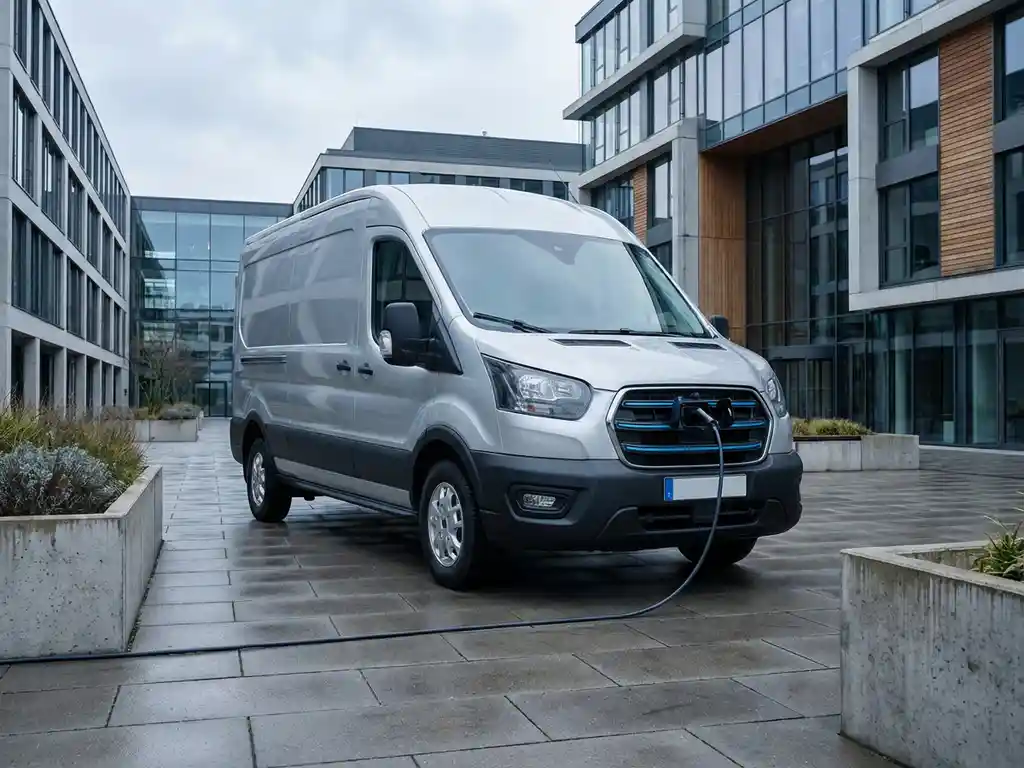
The market for electric commercial vehicles is growing rapidly. Models such as the Volkswagen ID. Buzz Cargo in its extended version or the Renault Trafic E-Tech now also offer variants with multiple seats. For businesses looking to invest in an electric commercial vehicle lease with double-cab functionality, the range of options is expanding. With electric variants, pay particular attention to the payload and range, especially if you are loading the vehicle heavily with both passengers and equipment.
What should you look out for when buying or leasing a double-cab pick-up?
When purchasing or leasing a double-cab commercial van for passenger transport, there are a number of practical points you should check carefully beforehand. The right choice depends on your intended use, the number of passengers, the required load capacity and your tax situation.
Please note the following points:
- Type approval and registration certificate: Check how many seats have been officially approved and whether all seats are fitted with seat belts.
- Driving licence category: For vehicles weighing up to 3,500 kg, a Category B driving licence is sufficient. Heavier vehicles require a Category C driving licence or a combination licence.
- Tax treatment: A double-cab pick-up truck is sometimes treated differently for tax purposes than a passenger car. Consult your accountant regarding the additional tax liability and VAT deduction.
- Payload versus passenger weight: Please take into account the combined total weight of passengers and luggage. Overloading affects road safety and your insurance cover.
- New or used car: A second-hand double-cab pick-up may be attractively priced, but always check the service history and ensure the vehicle complies with the current emission standards in your area.
- Lease type: With a finance lease, you are the legal owner and are responsible for maintenance and insurance. With an operational lease, the arrangements are different. Choose the option that best suits your business operations.
Would you prefer to buy a small van or lease one? Both options have their pros and cons, depending on your cash flow, how long you plan to use the vehicle, and your maintenance requirements. Leasing gives you more flexibility to upgrade, whilst buying may be more cost-effective in the long run if you use the vehicle intensively.
How we help you choose the right commercial double cab van
At Van den Hurk Commercial Vehicles, we understand that choosing a double-cab pick-up is about more than just picking a vehicle. It’s about finding the right balance between load capacity, seating, tax treatment and intended use. We provide practical support throughout the process, from the initial consultation right through to final delivery.
Here's what we can do for you:
- Personalised advice on which type of double cab is best suited to your needs and the number of passengers you wish to carry.
- A wide range of used and new commercial vehicles, including double-cab models suitable for transporting staff and equipment.
- Flexible leasing options, including electric company car leasing, tailored to your business needs.
- Help in understanding the tax and insurance implications of your choice.
- A stock alert service, so you’re the first to know about new offers.
Are you looking for a double-cab commercial van that can safely transport both your staff and your equipment? Please get in touch with us or take a look at our current offer on the website. We’d be happy to work with you to find the best solution for your business.