
How much do you save on fuel with an electric company car lease?
Electric commercial vehicles are becoming increasingly popular amongst business owners and fleet managers. Not only because of their lower emissions, but also because of the financial benefits of a electric commercial vehicle lease be specific and measurable. However, the switch also raises many questions: what are the actual fuel savings, what tax benefits are available, and when is a lease like this actually worthwhile for your business?
In this article, we answer the most frequently asked questions about leasing electric commercial vehicles. Whether you’re looking for a small van or a double-cab commercial van, the information below will help you make an informed choice.
How much do you save on fuel with an electric company car?
With an electric commercial vehicle, you can save an average of 60 to 80 per cent on energy costs compared with a similar diesel vehicle. Electricity is considerably cheaper per kilometre than diesel or petrol, especially if you charge via your own charging point or using solar panels. The exact savings depend on your driving style, the type of vehicle and energy prices.
A diesel van consumes an average of 1 litre per 12 to 15 kilometres, depending on its weight and usage. A comparable electric van consumes between 20 and 35 kWh per 100 kilometres. At current energy prices, this means you can easily pay half as much – or less – per kilometre compared with diesel. For businesses that cover many kilometres every day, this can amount to a difference of thousands of euros per year.
What determines how much fuel you save?
The savings are not the same for every business. A number of factors determine how much you actually end up saving:
- Annual mileage: The more you drive, the greater the difference in energy costs
- Vehicle type: A heavy-duty double-cab commercial van uses more fuel than a small delivery van
- Charging strategy: Charging at home or at work is cheaper than always using public fast chargers
- Handling: Smooth driving significantly improves battery efficiency
The savings are greatest for businesses with a high daily mileage and their own charging point. Those who drive less frequently or rely heavily on fast charging whilst on the road will see a smaller difference, but will still benefit from lower maintenance costs.
What are the total costs of leasing an electric company car?
The total cost of leasing an electric commercial vehicle comprises the monthly lease payment, any charging infrastructure, insurance and maintenance. The lease payment for an electric van is usually higher than that for a comparable fossil-fuel vehicle, but the lower energy and maintenance costs often fully offset this difference.
With an operational lease, maintenance and, in some cases, insurance are included in the monthly fee. This makes the costs predictable, which is a major advantage for many business owners. Electric vehicles have fewer parts subject to wear and tear than vehicles with a combustion engine: no oil changes, less brake wear thanks to regenerative braking, and no timing belt. This translates directly into lower maintenance costs over the term of the contract.
Purchase costs versus running costs
The purchase price of an electric commercial vehicle is higher than that of a diesel equivalent. With a lease, you pay this additional cost spread over the term of the lease, but the monthly instalment reflects this. You can make a smart comparison based on the total cost of ownership: the total of all costs over the entire lease period. When you factor in fuel savings, lower maintenance costs and tax benefits, the overall picture looks positive for many driving profiles.
What tax benefits apply to electric company cars on lease?
Electric company lease cars benefit from a lower additional tax liability percentage and lower road tax than fossil-fuel vehicles. The additional tax liability for fully electric cars is lower than the standard 22 per cent, which significantly reduces the driver’s net monthly costs. In addition, electric vehicles pay less or no road tax, depending on their weight and category.
For businesses subject to VAT, the VAT on charging costs and, in some cases, on the lease instalments is also deductible. This means the actual costs are lower than the gross amount shown on the invoice would suggest. It is advisable to work through these benefits in detail with a tax adviser, as the exact benefits depend on your business structure and tax situation.
Investment allowances and grants
When purchasing an electric commercial vehicle, you may be eligible for the Small-Scale Investment Allowance (KIA) or the Environmental Investment Allowance (MIA). In the case of leasing, this does not usually apply directly to the driver, but the leasing company may factor these benefits into the rate. Always check the current regulations, as tax rules relating to electric driving change regularly.
When is leasing an electric company car a financially attractive option?
Leasing an electric company car is financially attractive if you drive between 100 and 300 kilometres a day, have your own charging facility or can arrange one, and the vehicles are in use for at least three to four years. The more kilometres you cover and the cheaper it is to charge, the quicker the lower running costs will offset the longer lease term.
For businesses with fixed driving routes, such as delivery or service companies, the business case is often strong. The routes are predictable, charging times can be planned, and the vehicle is parked overnight at a location where charging is easy to organise. For companies with irregular, long journeys or few in-house charging facilities, the decision is less straightforward and requires a careful calculation.
Does your team drive a lot or a little?
Does an employee drive less than 50 kilometres a day? In that case, the fuel savings are smaller, but the maintenance costs are still lower. Does someone regularly drive more than 200 kilometres a day, including stops along the way? In that case, charging whilst on the road is a factor to be taken seriously. Buying or leasing a small van if electric version is only worthwhile if there is sufficient charging infrastructure available along the route.
How does charging an electric commercial vehicle work in practice?
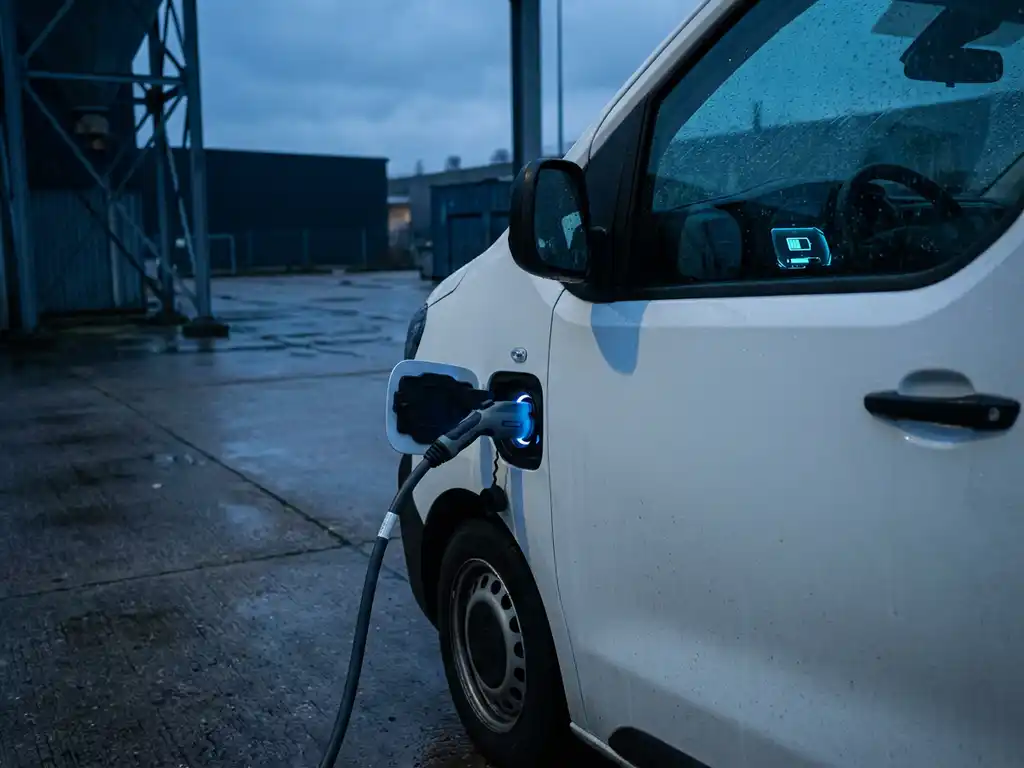
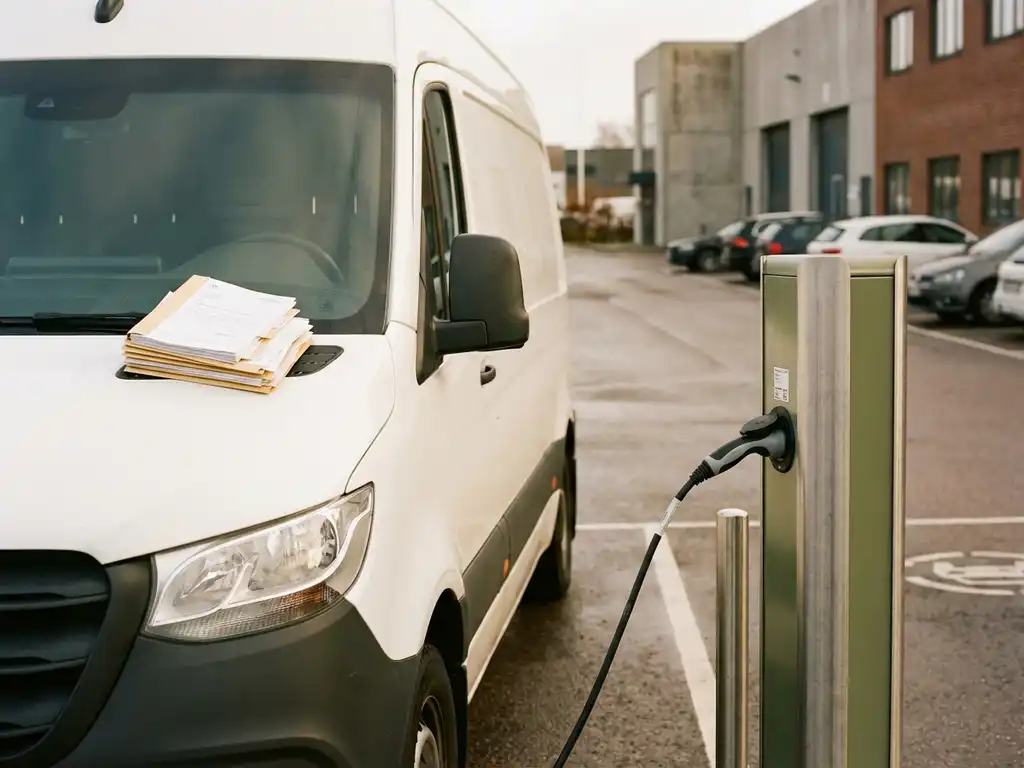
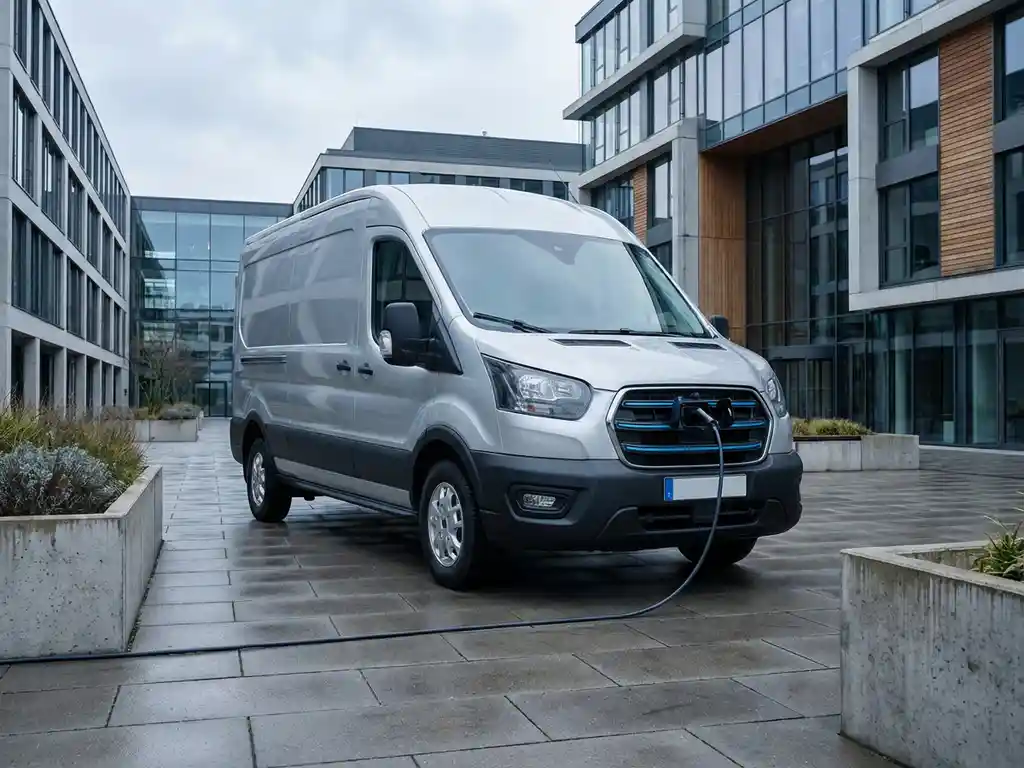
There are three ways to charge: at home or at work using your own charging point, via the public charging network, or at fast-charging stations along motorways. In practice, most businesses charge their vehicles overnight on their premises, so that the cars are fully charged and ready for use during the day. This is the cheapest and most practical solution for most business owners.
Charging time depends on the type of charger and the battery capacity. Using a standard charging point (11 kW), you can fully charge an average electric van in six to eight hours. Fast chargers (50 kW or more) can charge the battery to 80 per cent in an hour. For everyday use, having your own charging point at the business is therefore the most sensible investment.
Charging card and charging network
To charge whilst on the move, you can use a charging card or app from a charging network provider. Many leasing companies offer a charging card as part of the lease contract. The charging network in the Netherlands has expanded significantly in recent years, meaning you won’t have any problems with availability in most regions. Nevertheless, it’s wise to check your regular routes in advance for available charging points, especially if you’re driving a double-cab commercial van that requires a larger battery.
What are the most common mistakes made when leasing an electric car?
The most common mistakes made when leasing electric vehicles are: underestimating the charging infrastructure, overestimating the driving range in winter, and failing to calculate the total costs over the entire lease term. Anyone who looks only at the monthly instalment without taking energy savings and tax benefits into account will get an incomplete picture.
Another common mistake is choosing a vehicle with insufficient range for daily journeys. Electric commercial vehicles have a shorter range in winter due to lower temperatures, which affect the battery. You should therefore always plan for a margin of 20 to 30 per cent above your daily requirements. That way, you won’t be caught out on cold days or when you have to take unexpected detours.
Read the terms and conditions carefully
Also bear in mind the contract terms regarding mileage limits. Many lease contracts specify a maximum number of kilometres per year. If you drive more than this, you’ll pay a surcharge per kilometre. If you drive less, you won’t usually get any money back. Tailor the contract to your actual driving habits and allow for a bit of extra leeway, especially if your driving patterns vary with the seasons.
How we can help you with electric commercial vehicle leasing
As specialists in commercial vehicles for the North Brabant region, we help business owners every step of the way when choosing an electric commercial vehicle lease. Whether you’re looking for a small van, a double-cab commercial van or another type of vehicle, we’re happy to work with you to find the solution that best suits your driving profile and business needs.
What we do for you:
- Personalised advice based on your daily mileage and charging options
- A broad range of electric commercial vehicles, both new and second-hand
- Flexible leasing options, tailored to your budget and contract requirements
- Transparent prices with no hidden costs
- Help with finding the right vehicle via our stock alert service
Would you like to find out exactly what leasing an electric commercial vehicle could mean for your business? Please get in touch with us for a no-obligation chat. We’d be happy to work through the figures with you.