
What are the maintenance costs of a small van per year?
The maintenance costs of a small van are an important part of the overall running costs for many business owners. Whether you are a sole trader with one van or a fleet manager with multiple vehicles, understanding these costs will help you budget smarter and avoid surprises. In this article, we answer the most frequently asked questions about maintenance costs so that you are well prepared.
From a simple oil change to bigger repairs, the costs add up quickly if you don't take them into account. By understanding what factors affect maintenance costs, you can make targeted choices when buying or leasing a small van.
What is the average maintenance cost of a small van?
The average maintenance cost of a small van is between €800 and €1,800 annually, depending on the make, age of the vehicle, fuel type and usage. For a young, well-maintained van with a limited annual mileage, costs are at the lower end of this range.
This amount includes regular servicing, wear parts such as brakes and tyres, and minor repairs. As a van ages or travels more miles, the cost typically increases. A vehicle used extensively in urban traffic on a daily basis wears out faster than a van that mainly travels on the highway.
Also keep in mind that this average does not take into account unexpected breakdowns or larger technical interventions. It is wise to include a buffer of 10 to 15 per cent on top of the average for unforeseen costs. This will prevent an unexpected repair from disrupting your operations.
What costs fall under van maintenance?
Maintenance of a van includes all costs required to keep the vehicle safe, reliable and roadworthy. This goes beyond periodic servicing and includes wear parts, fluids and statutory inspections.
Regular maintenance
Regular maintenance consists of recurring work prescribed by the manufacturer. Examples include:
- Oil and filter changes
- Checking and replenishing fluids (coolant, brake fluid, windscreen wiper fluid)
- Checking brakes, tyres and lights
- Annual MOT inspection
Wear parts
Besides the regular servicing, there are parts that need to be replaced over time. These are costs that many business owners underestimate. The most common wear and tear items are:
- Brake pads and discs
- Tyres (front and rear axle)
- Timing belt or timing chain (depending on engine type)
- Battery
- Clutch (on manual transmission vehicles)
Unexpected repairs
Outside of scheduled maintenance, technical problems can always occur. A faulty sensor, a leaking radiator or an electrical problem are examples of costs that are difficult to predict. In older vehicles, the likelihood of such repairs increases, which directly affects the total annual cost.
What does a service for a small van cost?
A standard service for a small van costs on average between 150 and 400 euros, including labour and material costs. The exact price depends on the make, the type of service (small or large), the region and whether you go to a branded dealer or an independent garage.
A minor service usually includes an oil change, filter change and a general safety check. This is the most affordable variant and is recommended for most vans annually or after a certain number of kilometres. A major service is more comprehensive and includes more checks and replacements, which can push the price towards €300 to €500.
Independent garages generally charge lower hourly rates than branded dealers. This sometimes saves 20 to 40 euros per hour, which makes a noticeable difference for a two-hour service. Do always check that the garage has experience with commercial vehicles and that the work is recorded in the service booklet, as this is relevant for the residual value of the vehicle.
How does fuel type affect maintenance costs?
Fuel type has a direct impact on a van's maintenance costs. Diesel vehicles typically have longer service intervals but more expensive servicing; petrol vehicles are cheaper per service but require more frequent maintenance; and electric vans have structurally lower maintenance costs due to fewer moving parts.
Diesel
Diesel engines are robust and suitable for high mileage, but have specific components that require regular attention. A diesel particulate filter (DPF) needs to be cleaned or replaced periodically, which is an additional expense. Injectors and the EGR system can also cause problems over time, especially in vehicles that do a lot of city driving with short trips.
Petrol
Petrol engines are simpler in construction and servicing is cheaper on average. Spark plugs need to be replaced periodically, but this is a relatively minor cost. For entrepreneurs who mainly make short city trips, a petrol delivery van is sometimes cheaper to maintain than a diesel.
Electric
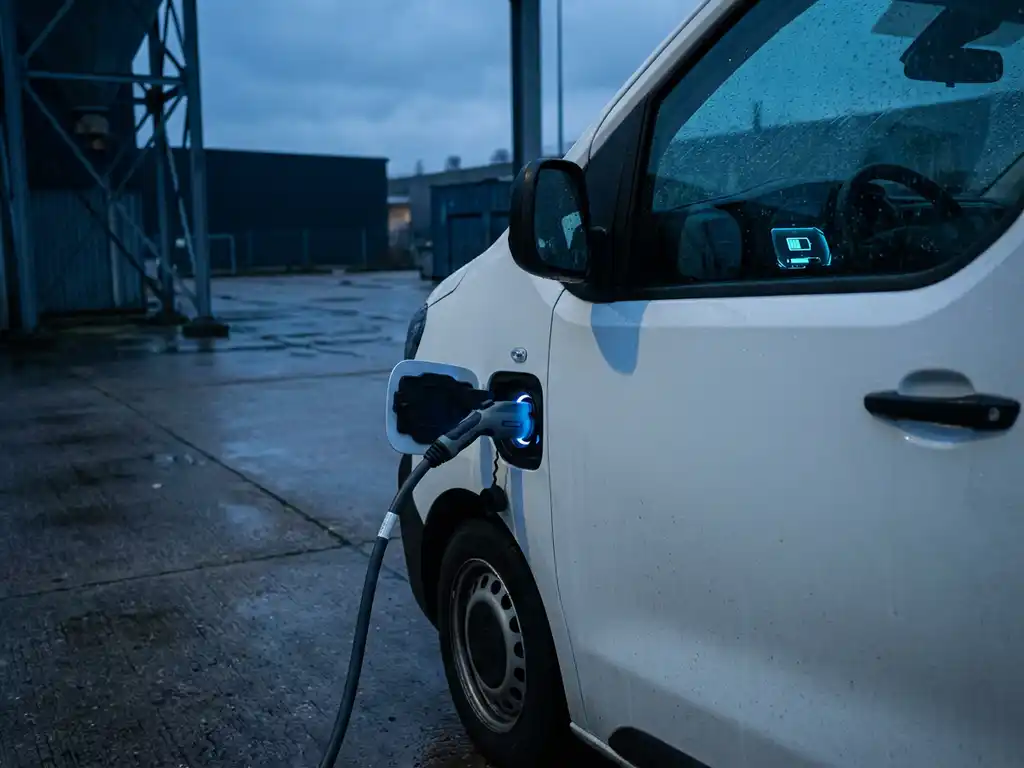
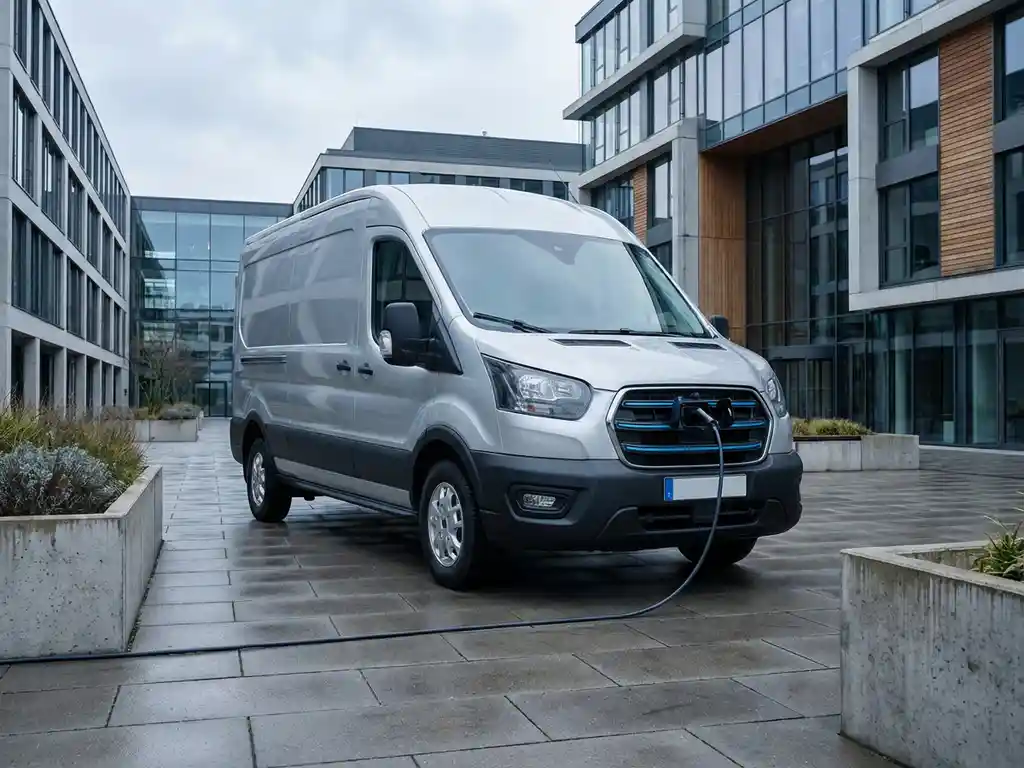
A electric company car Leasing or buying provides long-term maintenance benefits. Electric vehicles have no oil changes, no exhaust system and less wear on the braking system thanks to regenerative braking. The main maintenance costs in electric vans are tyre wear, brake fluid and periodic battery checks. This makes the total maintenance costs per year significantly lower than for internal combustion engines.
When are van maintenance costs highest?
A van's maintenance costs are highest between the fourth and eighth year of use. During this period, warranties expire, larger wearing parts need to be replaced and the likelihood of unexpected repairs increases. Vehicles with high annual mileage reach this stage earlier.
In the first three years, costs are usually low, especially for new vehicles with factory warranty. After the fifth year, parts such as the timing belt, clutch and brake discs often need replacement. These are larger one-off costs that can significantly affect the annual accounts.
Vehicles that are heavily loaded, for example by regularly carrying maximum loads or driving on bad roads, wear out faster. The same applies to vans that drive a lot in urban traffic, where driving behaviour (a lot of accelerating and braking) accelerates wear. So, when estimating maintenance costs, vehicle usage is at least as important as age.
Older vehicles with high mileage
A small van with more than 200,000 kilometres on the odometer requires extra attention. At this point, several systems may need servicing at once, piling up costs. Sometimes it makes more financial sense to replace an older vehicle than to continue expensive repairs. A good rule of thumb: if annual repair costs exceed the vehicle's residual value, replacement is worth considering.
How do you save on van maintenance costs?
You save on van maintenance costs by taking a preventive approach, making smart choices when buying and optimising your driving habits. Those who perform proactive maintenance will avoid bigger and more expensive repairs in the long run.
Concrete tips to reduce costs:
- Stick to maintenance intervals. Don't skip a turn. A missed oil change can eventually lead to engine damage, costing a multiple of the turn itself.
- Choose a vehicle with low maintenance costs. Brands like Volkswagen, Ford and Renault have a wide network of garages and affordable parts. This works directly into the cost per turn.
- Compare garage prices. Independent garages are often cheaper than branded dealers, without necessarily sacrificing quality.
- Watch your driving. Slow acceleration, timely gear changes and anticipation of traffic extend the life of brakes, tyres and the engine.
- Consider a maintenance contract. With a lease or garage contract, you pay a fixed monthly amount for maintenance. This provides overview and prevents unexpectedly high costs.
- Opt for a young used van. A two- to three-year-old vehicle has already had the biggest drop in value, but still has little wear and tear. This is often the most cost-effective choice for entrepreneurs.
Besides these practical steps, good records also help. By keeping track of all maintenance costs for each vehicle, you can quickly see which van is relatively expensive to operate and when replacement makes more sense than repair.
How we help you choose the right van
At Van den Hurk Bedrijfswagens, we understand that buying a small van goes beyond the purchase price alone. The total cost over the period of use, including maintenance, plays a big part in the decision. That's why we help you go beyond the offer.
What we can do for you:
- Advice on which models have historically low maintenance costs
- A spacious supply of young used vans with a known service history
- Flexible leasing options, including electric company car leasing, where maintenance is often included
- Personal advice on choosing between a company van with double cab or a standard van, depending on your use
- Transparent prices with no hidden costs
Are you looking for a reliable small van at a fair price, or want to know more about our leasing options? Contact us or take a look at our current offer on the website. We are happy to think along with you.