
What are the benefits of a small van for self-employed people?
As a self-employed person, you want to work quickly, efficiently and cost-effectively. Your choice of vehicle plays a bigger role in this than many business owners realise at first. Buying a small van could be exactly the right move: manoeuvrable in town, affordable to run and big enough for most jobs. In this article, we answer the most frequently asked questions about small vans for self-employed people, so that you can make an informed choice.
Whether you’re a carpenter, plumber, photographer or delivery driver, choosing the right vehicle plays a part in how professional you come across and how much you spend each month. We’ll take you through everything you need to know, step by step, from the type of van to the choice between buying and leasing.
What types of small vans are available for self-employed people?
Small vans for the self-employed fall broadly into three categories: compact panel vans such as the Renault Kangoo or Volkswagen Caddy, light commercial vehicles such as the Ford Transit Connect or Peugeot Partner, and the double-cab van, which combines cargo space with extra seating for colleagues or equipment.
Compact panel vans
Compact panel vans are the smallest variant and ideal for self-employed people who drive a lot in urban areas. They can navigate narrow streets, are fuel-efficient and have a load capacity that is more than sufficient for most light-duty trades. Think of electricians, photographers or couriers delivering smaller parcels.
Light commercial vehicles
Light commercial vans offer slightly more load space and towing capacity without becoming unwieldily large. They combine practicality with reasonable driving dynamics. For self-employed professionals in the construction, installation or landscaping sectors, this is often the most versatile choice.
Double-cab company van
A double-cab van, also known as a double cab or crew cab, has an extra row of seats behind the driver. This makes it suitable for self-employed people who regularly travel with one or two employees or work experience students. The load area is smaller than that of a standard van, but the flexibility it offers for carrying passengers is a major advantage.
Electric small vans
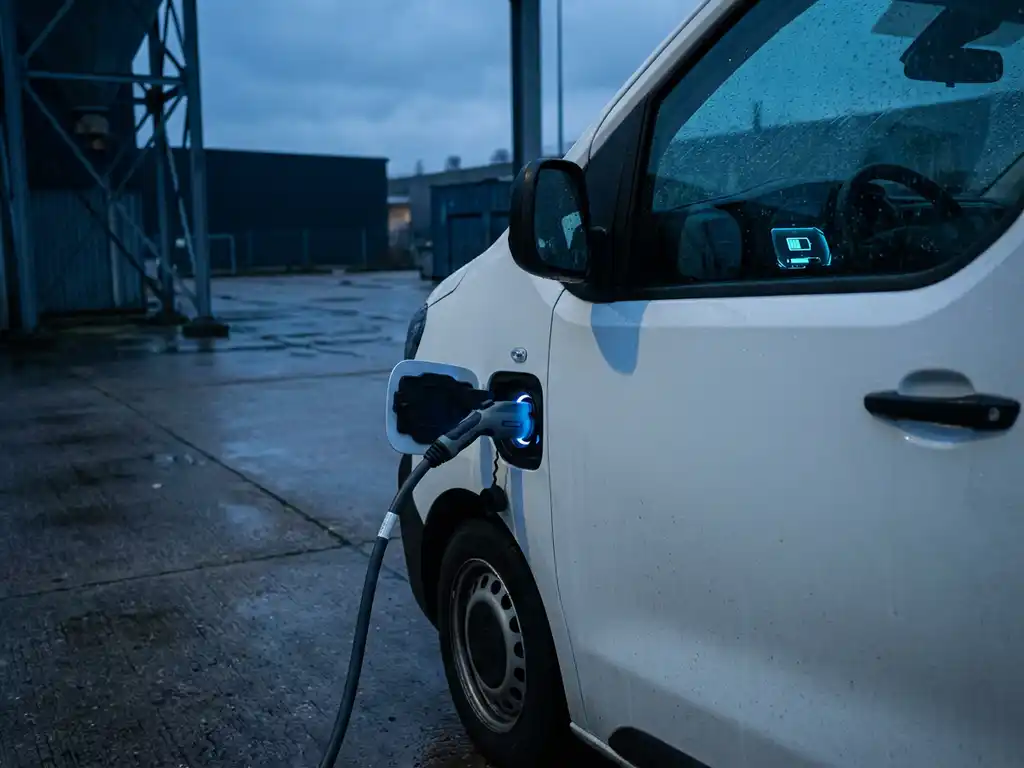
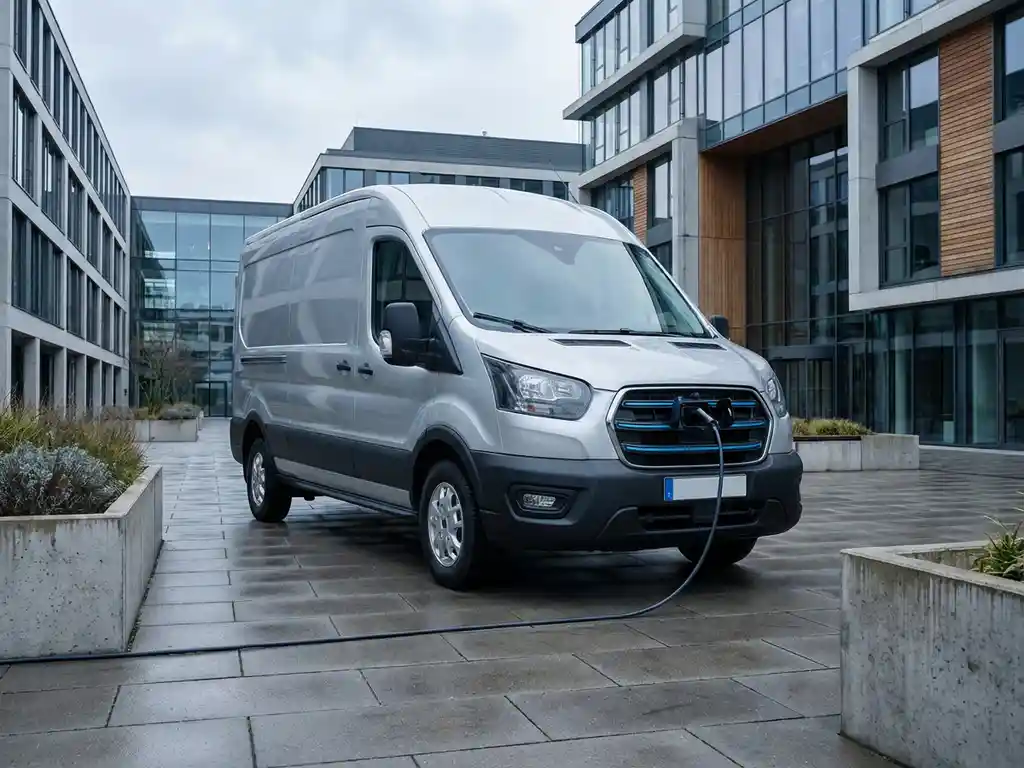
More and more self-employed people are opting for a electric company car. Models such as the Renault Kangoo E-Tech or the Volkswagen ID. Buzz Cargo offer zero-emission driving, low energy costs and access to an increasing number of low-emission zones in cities. For self-employed people with fixed driving routes within a city, this is a financially and practically attractive option.
When is a small van better than a large one?
A small van is better than a large one if you mainly drive in urban areas, your load is relatively light and compact, and you want to keep your day-to-day costs down. If you don’t regularly transport large or heavy goods, you’ll end up paying unnecessarily for space you don’t use if you opt for a large van.
Large vans use more fuel, are harder to park and fall into a higher insurance category. For a self-employed person working on their own who can fit their tools or products into a compact space, these drawbacks carry significant weight. Buying a small van also means lower purchase costs, which makes a real difference when you’re working with a limited start-up budget.
When is a large van actually the better option?
If you regularly transport large quantities of goods, drive long distances or travel with several people at once, a large van offers greater comfort and capacity. Removal firms, larger installation companies or self-employed professionals who also carry out large contracts as subcontractors simply cannot make do with a small van.
How much does a small van cost for a self-employed person?
The purchase price of a small van varies considerably, depending on the make, year of manufacture, fuel type and specification. You can buy a second-hand small van for between around 8,000 and 15,000 euros. New models usually start at around 20,000 euros and can cost over 35,000 euros for fully equipped electric versions.
As a self-employed person, in addition to the purchase price, you also need to factor in the total running costs: fuel or electricity, road tax, insurance, maintenance and any repairs. A diesel van has higher fuel costs than an electric model, but requires less upfront investment. An electric commercial vehicle has lower running costs, but a higher purchase price.
Tax benefits for self-employed people
As a self-employed person, you can reclaim the VAT on a company car if you use it for business purposes more than 10%. In addition, the costs of the van are deductible as business expenses. In the case of an electric company car, favourable additional tax liability rules also apply if you use the car privately as well, which further reduces the net costs. Always consult an accountant regarding your specific situation.
Buying or leasing: which is better for a self-employed person?
For a self-employed person, leasing is a better option if you want to spread the monthly costs, avoid tying up a large amount of start-up capital and always drive a well-maintained vehicle. Buying is a better option if you want to own the car outright, want flexibility in how you use it and are looking to minimise total costs in the long term.
Advantages of leasing
- Fixed monthly costs, easy to budget for
- Maintenance and insurance are often included in a finance lease or an operating lease
- You’ll always be driving a modern and reliable vehicle
- No major upfront investment required
- With an electric company car lease, you benefit immediately from tax advantages without having to pay a high purchase price
Advantages of buying
- You build up power in the vehicle
- No mileage limit or contractual restrictions
- Lower overall costs in the long term if the car lasts a long time
- Complete freedom in customisation and use
For self-employed people just starting out with limited capital, leasing is often the most accessible option. Those who already have a stable income and want to keep a car for a long time often choose to buy a small van. Both options have their own tax advantages and disadvantages, so seek advice from a specialist.
What should you look out for when buying a small van?
When buying a small van as a self-employed person, you should consider the load volume, payload, fuel type, maintenance history and total cost of ownership. A low purchase price means little if the vehicle has high running costs or isn’t suited to your day-to-day work.
Load volume and load capacity
Measure the dimensions of your materials or products in advance and compare them with the internal dimensions of the load compartment. Also take note of the load capacity in kilograms: a vehicle may look large, but still have a limited maximum load capacity, which can quickly become a problem when transporting heavy tools or materials.
Fuel type and environmental zones
More and more local authorities are introducing environmental zones where older diesel or petrol vehicles are no longer permitted. Check whether you regularly drive in such zones and whether the vehicle you wish to buy is permitted to enter them. An electric commercial vehicle clearly has an advantage here.
Maintenance history and technical condition
When buying a second-hand van, always ask to see the service history and a recent MOT certificate. If in doubt, have an independent inspection carried out. A vehicle with a transparent history gives you peace of mind about its technical condition and prevents unexpected costs after purchase.
Warranty and after-sales service
If you buy from an authorised dealer, you’re entitled to a warranty and professional after-sales service. This is particularly important if, as a self-employed person, you cannot afford the risk of downtime. For many self-employed people, a day without transport means an immediate loss of turnover.
How we help you find the right small van
At Van den Hurk Commercial Vehicles, we understand that a self-employed person has different needs to those of a large fleet. You want a reliable, affordable van that suits your work, without any hassle. That’s why we offer a wide range of commercial vehicles and personalised advice tailored to your situation. Here’s what we can do for you:
- A wide range of small vans, both new and used, including electric models
- Personalised advice on which model best suits your work and driving style
- Flexible leasing and purchase options, including for self-employed people without substantial start-up capital
- Transparent prices with no hidden costs
- Stock alert service via our website, so you’ll be the first to know when a suitable vehicle becomes available
Would you like to find out which small van is best suited to your needs? Please get in touch with our team in Helmond. We’d be happy to discuss your options with you and assist you every step of the way, from the initial consultation right through to the delivery of your new commercial vehicle.