
How long does a second-hand small van last?
Buying a second-hand small van is a smart choice for many business owners and self-employed people. You pay less than you would for a new van, but naturally you’ll want to know what to expect. How long will such a vehicle last? What can you expect in terms of maintenance and costs? And when is it time to part with it?
In this article, we answer the most frequently asked questions about the lifespan of a small van. Whether you’re considering a to buy a small van If you want to make your current car last as long as possible: here you’ll find clear answers and practical tips.
On average, how long does a second-hand small van last?
A well-maintained small van will last, on average, between 250,000 and 400,000 kilometres. In terms of years, this often equates to 10 to 15 years, depending on usage and maintenance history. Brands such as Volkswagen, Mercedes-Benz and Ford are renowned in this segment for their long service life.
The range is wide, as the service life depends heavily on how intensively a vehicle is used. A van that drives through the city every day for delivery services wears out faster than a car that occasionally covers a few hundred kilometres on the motorway. Nevertheless, the rule of thumb is: if you look after your car properly, you’ll be able to enjoy it for a long time.
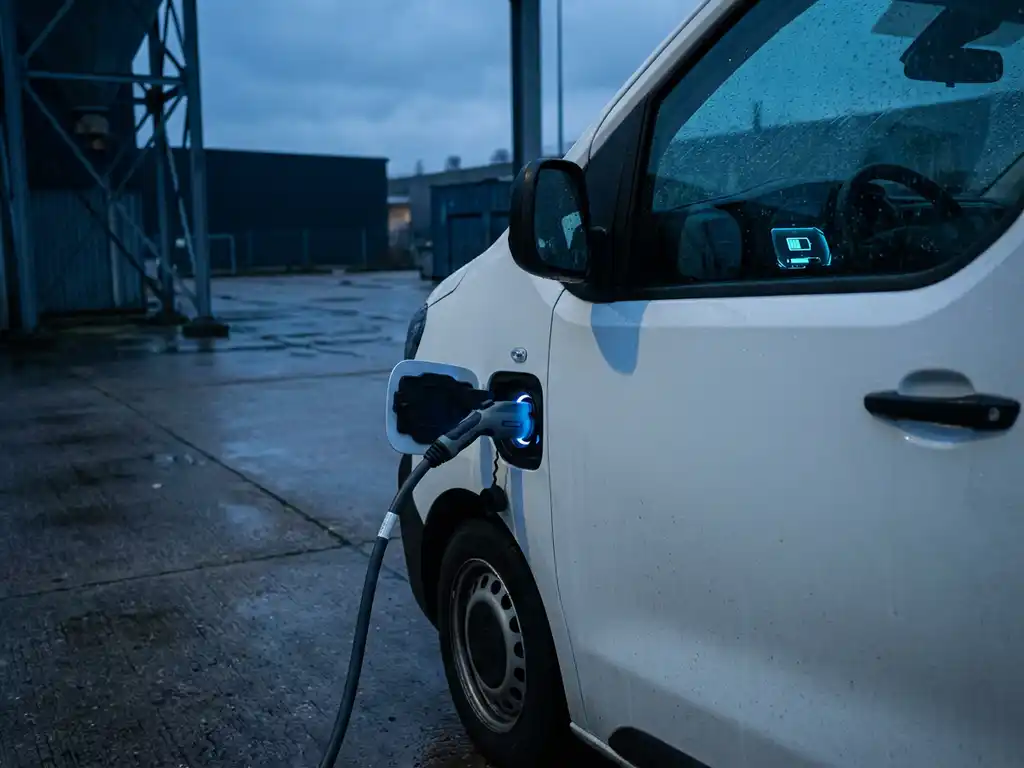
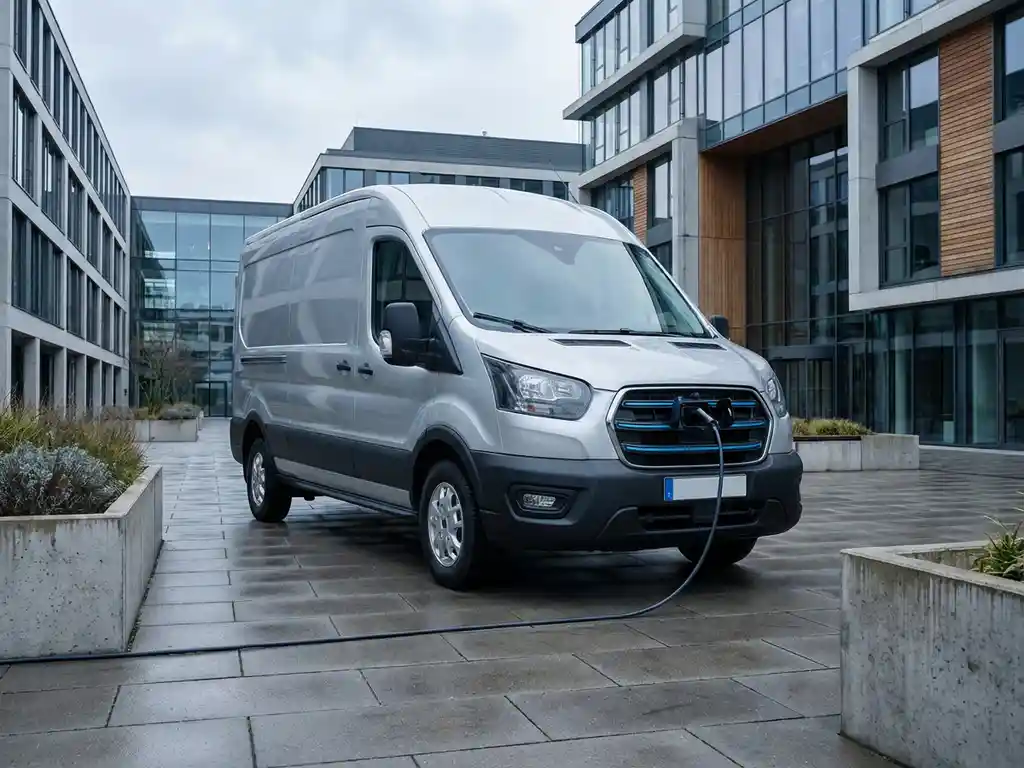
Another factor to consider is the type of powertrain. Diesel engines are traditionally known for their durability over high mileage. Petrol cars are often cheaper to buy, but can wear out slightly faster with intensive use. Electric models, on the other hand, have fewer moving parts, which reduces maintenance, but battery degradation is a separate consideration.
What factors determine how long a van will last?
The lifespan of a van depends on five main factors: maintenance history, driving behaviour, frequency of use, the quality of previous repairs and the conditions in which the van has been driven. If you are aware of these factors, you will be much better placed to estimate what a second-hand van is still worth.
Service history and handling
A fully completed service history book is worth its weight in gold when buying a second-hand van. It shows that the previous owner carried out oil changes, filter replacements and other preventive maintenance work on time. A van without a service history is a gamble, no matter how low the mileage is.
Driving behaviour has a direct impact on wear and tear. Hard braking, rapid acceleration and driving with an excessively heavy load accelerate wear and tear on the engine, brakes and gearbox. A previous owner who drove carefully has literally extended the car’s lifespan.
Conditions of use
City driving puts more strain on a vehicle than motorway driving. Frequent starts and stops, traffic jams and short journeys during which the engine does not reach operating temperature all take a heavy toll. Vans used in the construction, agricultural or logistics sectors have often been subjected to greater wear and tear than those used for lighter tasks.
The climate also plays a role. Vehicles that have spent a lot of time driving in salty air or on gritted roads are more prone to rust. A properly carried out paint treatment and regular underbody washing can help minimise this risk.
How many kilometres can a second-hand van have on the clock?
A second-hand van can easily have 150,000 to 200,000 kilometres on the clock, provided it has a good service history and is in good mechanical condition. Above 250,000 kilometres, a vehicle requires more attention and incurs higher maintenance costs, but it can still be reliable.
The mileage alone doesn’t tell the whole story. A car with 180,000 kilometres on the clock and a full service history is often a better buy than a car with 120,000 kilometres where maintenance has been neglected. So don’t be guided solely by the odometer; always look at the bigger picture.
When does a high mileage become a risk?
Above 300,000 kilometres, the likelihood of major repairs increases. Think of a worn-out gearbox, an engine in need of an overhaul, or a turbocharger that’s on its last legs. These are costly repairs that can quickly exceed the purchase price. With this kind of mileage, it is wise to have an independent technical inspection carried out before purchasing.
For light tasks, such as the occasional trip to the DIY store or an occasional delivery, a car with high mileage can serve you well. For intensive daily use, a car with lower mileage or a more recent model is the safer choice.
When is it better to replace a van rather than repair it?
It makes more sense to replace a car than to repair it when the expected repair costs exceed the car’s residual value, or when several major components are at risk of failing at the same time. A good rule of thumb is that if the repair costs more than 50 to 60 per cent of the car’s market value, replacement is the better option.
This sounds simple, but in practice it can sometimes be difficult to assess. A faulty clutch is relatively affordable. An engine block that needs replacing, a worn-out gearbox or severe rust damage to the bodywork are a different matter altogether. With faults of this kind, it’s worth having the car valued and comparing the repair costs with its current market value.
Signs that replacement is imminent
- Recurring problems that keep needing to be repaired
- High fuel costs due to reduced engine efficiency
- Severe rusting of load-bearing structural components
- Failures identified during the MOT that are expensive to repair
- Rising insurance costs, combined with declining reliability
As well as the direct costs, there are also indirect costs to consider. An unreliable car that regularly breaks down will also cost you turnover and customer trust. That’s a cost that you won’t find on the garage’s invoice, but it certainly counts.
How can you extend the service life of a small van?
The most effective way to extend the service life of a small van is through regular maintenance, careful driving and the timely replacement of wear-and-tear parts. A good maintenance routine can extend a vehicle’s service life by tens of thousands of kilometres.
Maintenance that really makes a difference
- Changing the oil and filters in good time: Dirty oil accelerates engine wear. Stick to the manufacturer’s service intervals.
- Checking the coolant: Overheating is one of the most common causes of engine damage.
- Checking the brakes: Worn brake pads also damage the brake discs, which increases the cost.
- Keeping tyres inflated: Incorrect tyre pressure increases fuel consumption and tyre wear.
- Undercoating and rust treatment: Protect the bodywork, especially during the winter months.
Driving behaviour as a means of maintenance
Careful driving costs nothing but pays off in the long run. Avoid accelerating sharply, brake gradually and do not overload the car beyond its permitted load capacity. Short journeys put more strain on the engine than longer ones, as the engine rarely reaches full operating temperature during short journeys. Take a longer journey every now and then to allow the engine to run in properly.
Dealing with minor problems quickly prevents major damage later on. It’s tempting to ignore a strange noise, a wobbly steering wheel or a warning light if the car is still running, but minor faults can quickly lead to costly repairs.
What should you look out for when buying a used van?
When buying a second-hand van, you should check the service history, the technical condition, the mileage in relation to the vehicle’s age, the validity of the MOT and any history of damage. A thorough inspection and a test drive are not just a luxury, but a necessary step.
Checking documents and history
Always ask to see the service history booklet and check that the service intervals listed match the mileage. Use the registration number to check the vehicle’s history, including any claims and previous owners. A car that has changed hands frequently in a short space of time warrants extra attention.
Technical inspection
If in doubt, have the car inspected by an independent company. They will check things that you might miss during a visual inspection, such as the condition of the gearbox, the engine, the exhaust system and the brakes. The cost of an inspection is a small investment compared with the cost of a disappointing purchase.
- Check for rust underneath the car and in the wheel arches
- Check all electrical systems, lights and windows
- Take a test drive at both city speeds and higher speeds
- During the test drive, check for smoke coming from the exhaust
- Check the load compartment for damage and wear and tear
Specific points to note for each type
Are you considering a double-cab van? In that case, it is particularly important to check the condition of the second row of seats and the mounting points, as these are subjected to extra strain in double-cab vans. In the case of a electric company car When you’re looking to lease or buy a car, always ask about the condition of the battery and its remaining capacity. A degraded battery has a direct impact on the range and, consequently, on the car’s practicality.
How we can help you find the right second-hand van
At Van den Hurk Commercial Vehicles, we help you make the right choice, without you having to figure it all out for yourself. With over 60 years’ experience in the Helmond and North Brabant region, we know what business owners need and which vehicles are reliable.
Here’s what we do for you:
- We offer a large, varied stock of used small vans, including electric models and double-cab vehicles
- Every vehicle in our stock has been inspected and is priced transparently
- We’ll give you personalised advice based on your usage, budget and requirements
- For anyone who wants a I want to lease an electric company car, we offer flexible leasing options, tailored to your business needs
- Through our stock alert service, you’ll receive a notification as soon as a car that meets your criteria becomes available
Would you like a buy a small van that suits your business and budget? Take a look at our current stock overview or get in touch with us for personalised advice. We’d be happy to help you find the right solution.