
Is it possible to convert a double-cab commercial van into one with an enclosed load compartment?
A double-cab commercial van is a versatile vehicle: it offers space for several passengers as well as a load area at the rear. But what if you no longer need that passenger space and would prefer a larger, enclosed load area? The question then is whether a conversion is possible and what exactly that involves. In this article, we answer the most frequently asked questions about converting a double-cab van into an enclosed load area.
Whether you have a want to buy a small van, want to modify an existing company van or are considering a lease electric company car, it is useful to first understand what is technically and legally possible. This will enable you to make an informed choice for your business.
What exactly is a commercial double cab van?
A double-cab van is a van or light goods vehicle with two rows of seats in the cab, followed by an open or enclosed load area. The double cab usually accommodates five or six people, meaning the vehicle can be used for both passenger transport and goods transport.
This type of vehicle is popular with construction firms, installers and service companies that transport a team of staff to a site whilst also carrying materials or tools. In most models, the load area behind the cab is shorter than that of a standard van, as the extra seats take up space along the length of the vehicle.
Difference between a double cab and a single cab
A single-cab model has a single row of seats, leaving the full length of the vehicle available for cargo. A double-cab model sacrifices some of that cargo length for extra seating space. The difference in load space can easily amount to half a metre to a whole metre, depending on the make and model.
Some manufacturers also offer what is known as an ‘extended cab’: a hybrid design with a slightly shorter second row. This provides more load space than a full double cab, but less than a single cab. If you know which variant you have, you’ll be better able to estimate how much space is available for conversion.
Is it technically possible to convert a double cab?
Yes, it is technically possible to convert a double-cab commercial van into a (larger) enclosed load compartment. The most common approach is to remove the rear row of seats and fit an enclosed body, or to extend the existing load compartment. Feasibility depends heavily on the specific model and bodywork.
Not every vehicle is equally well suited to a major conversion. In some models, the partition between the cab and the load compartment is fixed to the vehicle’s structure, which makes the conversion more complex. In other models, the load compartment is a separate body that is relatively easy to replace or extend.
What determines technical feasibility?
There are a number of factors that determine whether a conversion is feasible:
- Year of manufacture and model: Newer vehicles sometimes have more complex electronics and designs, which make conversion more difficult.
- The bodywork: Is the load compartment a separate structure or part of the base structure?
- The maximum permitted weight: A conversion must not result in the axles being overloaded.
- The condition of the vehicle: In the case of an older vehicle with high mileage, a costly conversion may not be worth the cost.
It is advisable to consult a specialist bodywork company before making a decision. They can assess whether your particular vehicle is suitable for the modification you have in mind.
What conversion options are available for a double cab?
There are several conversion options available for a double-cab commercial van, depending on what you want to achieve. The most common options are: removing the rear seats and fitting a partition, replacing the bodywork with a closed load compartment, or having the load compartment completely rebuilt by a bodybuilder.
Option 1: Remove the rear seat and fit a partition
The simplest and cheapest option is to remove the rear seats and fit a new partition. This increases the load space without altering the exterior of the vehicle. This gives you extra loading length, and you can fit the space with floor panels, mounting points or bespoke fittings.
Please note: removing seats affects the vehicle’s type approval. You can read more about this in the section on legal requirements.
Option 2: Install a new enclosed structure
If the existing load area is open – for example, on a double-cab pick-up – you can have an enclosed body fitted. This is a more extensive modification and requires bespoke work from a bodybuilder. The result is a fully enclosed load area that offers protection against the elements and theft.
Option 3: Complete refurbishment of the load compartment
With a complete rebuild, you remove the existing superstructure and have a new, larger loading area built. This is the most extensive and costly option, but it also gives you the greatest freedom in terms of layout, height and choice of materials. Examples include cold stores, wheelchair lifts or special floor coverings for specific sectors.
How much does a double-cab conversion cost?
The cost of converting a double-cab pick-up varies considerably, depending on the extent of the modification. A simple modification, such as removing the rear seat and fitting a partition, usually costs between 500 and 2,000 euros. A completely new body build can cost up to 10,000 euros or more.
In addition to the direct conversion costs, there are also additional costs to take into account:
- RDW inspection fees: If the modification affects the vehicle’s type approval, you must have the vehicle re-inspected.
- Amendment to the vehicle registration certificate: Any changes to the number of seats or the bodywork must be reported to the RDW.
- Layout of the load compartment: Shelving, drawers, floor panels and fixing systems are additional costs on top of the conversion itself.
- Any painting work: If the exterior changes visibly, you may want to have it updated.
It’s a good idea to get several quotes from bodywork firms in your area. This will give you a realistic idea of the costs and allow you to weigh up the conversion against buying a ready-made van.
Are there any legal regulations governing the conversion of a commercial van?
Yes, there are clear legal regulations in the Netherlands governing the conversion of a commercial van. The Dutch Vehicle Authority (RDW) determines what modifications may and may not be made to a vehicle. Modifications that affect the type approval, weight, number of seats or bodywork must be reported and approved.
Type approval and individual approval
Every vehicle has a type-approval: an official document stating the requirements the vehicle meets. If you carry out a modification that falls outside the scope of this approval, you will lose the type approval. You will then need individual approval from the RDW. This means that, following the modification, the vehicle will be inspected and re-approved for use on public roads.
Changes to the vehicle registration certificate
If you change the number of seats, for example by removing the rear seats, you must notify the RDW. The vehicle registration certificate will then be updated. This is not merely a formality: insurance companies base their premiums partly on the details in the vehicle registration certificate. If these details are incorrect, you may encounter problems with your claim settlement in the event of damage.
Weight and axle loads
A conversion must not result in the vehicle exceeding the permitted maximum weight or the axle loads. This is relevant if you are having a heavy body fitted. A bodybuilder or the RDW can advise you on the limits that apply to your vehicle.
When is it better to buy or lease a ready-to-use van?
Buying or leasing a ready-made van is often a better option than converting one if the conversion costs are high, the vehicle has already clocked up a lot of kilometres, or if you have specific requirements that a conversion cannot fully meet. In such cases, a new or nearly new vehicle offers greater certainty and sometimes better value for money.
Consider a ready-made solution if one or more of the following situations apply:
- The conversion costs are approaching or exceeding the value of the vehicle itself.
- You want a warranty on the vehicle and its fittings.
- You have specific requirements, such as refrigeration, a wheelchair lift or a particular loading length, which require a bespoke solution.
- You want to take advantage of the tax benefits of a new or electric company car.
- You want flexibility in your financing through a lease agreement.
Leasing an electric commercial vehicle as an alternative
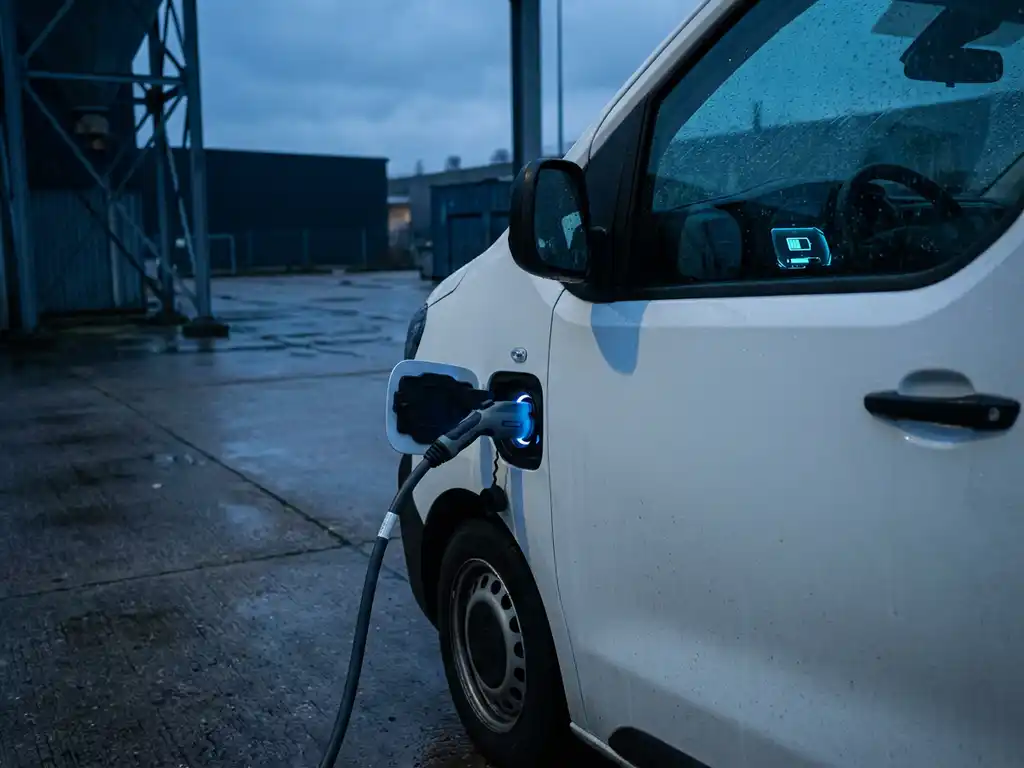
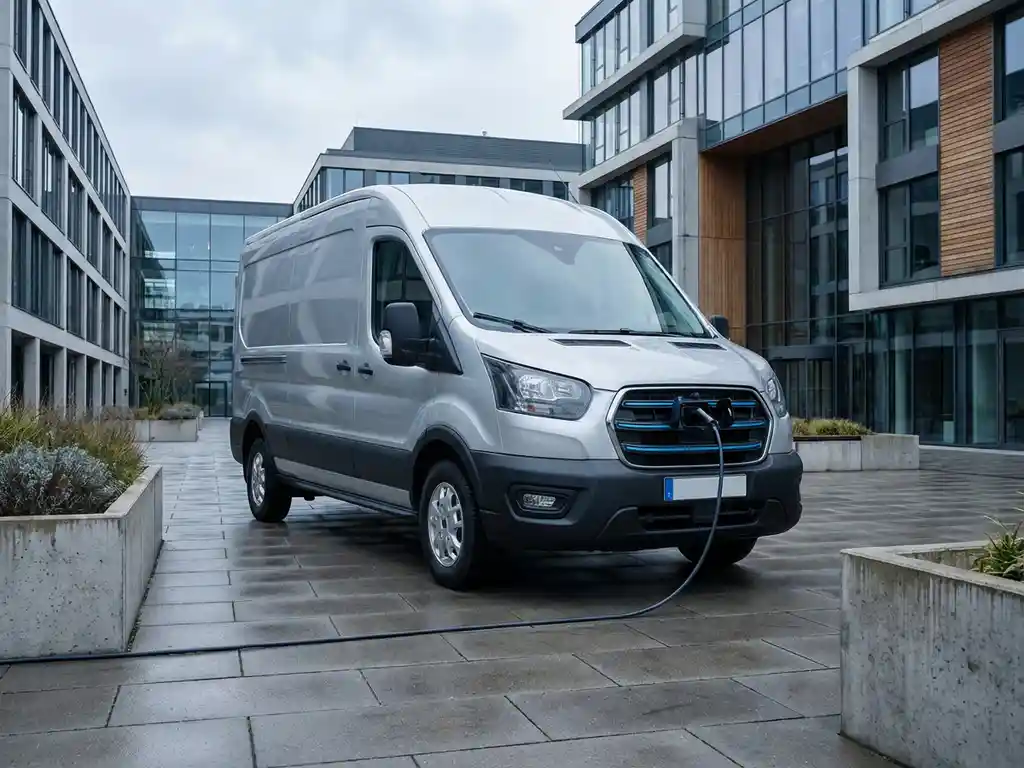
More and more companies are opting for a electric commercial vehicle lease as an alternative to converting an existing vehicle. Electric vans are available in various versions, including models with a closed load compartment, and offer advantages in terms of fuel costs and tax deductibility. What’s more, with a lease contract, you don’t have to worry about maintenance or residual value.
If you have a want to buy a small van If you’re looking for a vehicle that’s ready to use straight away without any extra modifications, it’s worth checking out the current range of new and used commercial vehicles. That way, you’ll quickly find out whether a ready-made solution works out cheaper and more practical than a conversion.
How we help you choose the right company bus
Whether you’re torn between converting your vehicle or buying a new commercial van, we’d be happy to help you make the best choice for your situation. At Van den Hurk Commercial Vehicles, we have over 60 years’ experience in advising entrepreneurs and businesses in the Helmond and North Brabant region. We know the market, understand the practicalities and are familiar with the challenges faced by SMEs, the self-employed and fleet managers.
What we can do for you:
- Honest advice on the feasibility and costs of a conversion compared with a new or second-hand van.
- A wide range of ready-to-use commercial vehicles, including electric vehicles, refrigerated vans and wheelchair-accessible buses.
- Flexible leasing and purchase options, tailored to your budget and business needs.
- Personalised support from initial consultation through to delivery, with no hidden costs.
Would you like to find out which options are best suited to your business? Please get in touch with us or take a look at our current offer online. We are happy to think with you.