
What happens to the battery when you lease an electric commercial vehicle?
Electric commercial vehicles are becoming increasingly popular in the business sector. This makes sense, as they offer lower fuel costs, less maintenance and tax benefits. But as soon as you start thinking about electric commercial vehicle lease, questions arise that would never come up with a standard van: what happens to the battery? Who pays if its performance deteriorates? And what does the small print in your lease contract actually say?
In this article, we answer the most frequently asked questions about the battery in electric lease cars. Whether you’re looking to buy or lease a small van, or are searching for a double-cab commercial van for your team, the battery is a component you need to understand properly before you sign on the dotted line.
What is battery degradation in an electric commercial vehicle?
Battery degradation is the gradual loss of charging capacity in the battery of an electric commercial vehicle. A new battery charges up to 100% of its theoretical capacity. Over time and with use, this maximum capacity decreases, meaning that a fully charged battery will cover fewer kilometres than it did when you bought the vehicle or at the start of the lease.
This process is normal and inevitable in all lithium-ion batteries, including those in electric vans. The rate of degradation depends on several factors:
- The number of charge cycles the battery has undergone
- How often you fast-charge using a fast charger (DC charging)
- The average charge level; regularly charging to 100% accelerates wear and tear
- Extreme temperatures: both heat and freezing cold can damage the battery
- Driving style: aggressive acceleration and hard braking without regenerative braking
In practice, this means that after three to five years’ use, an electric company car may have a battery that retains only 80 to 90 per cent of its original capacity. That sounds like a significant loss, but for most business journeys, you’ll hardly notice it in day-to-day use. It is only on longer journeys or with intensive use that the difference becomes noticeable.
How quickly does the battery in a leased electric car wear out?
The battery in an electric lease car loses an average of two to three per cent of its capacity per year under normal business use. After a standard lease period of three to four years, the battery therefore still retains a healthy capacity of around 88 to 94 per cent. Faster deterioration occurs with intensive use, frequent fast charging or extreme conditions.
In a business context, there are a few situations that can accelerate wear and tear:
- A lot of kilometres per year: A courier who drives 300 kilometres a day uses up more charging cycles than a mechanic who covers 80 kilometres a day.
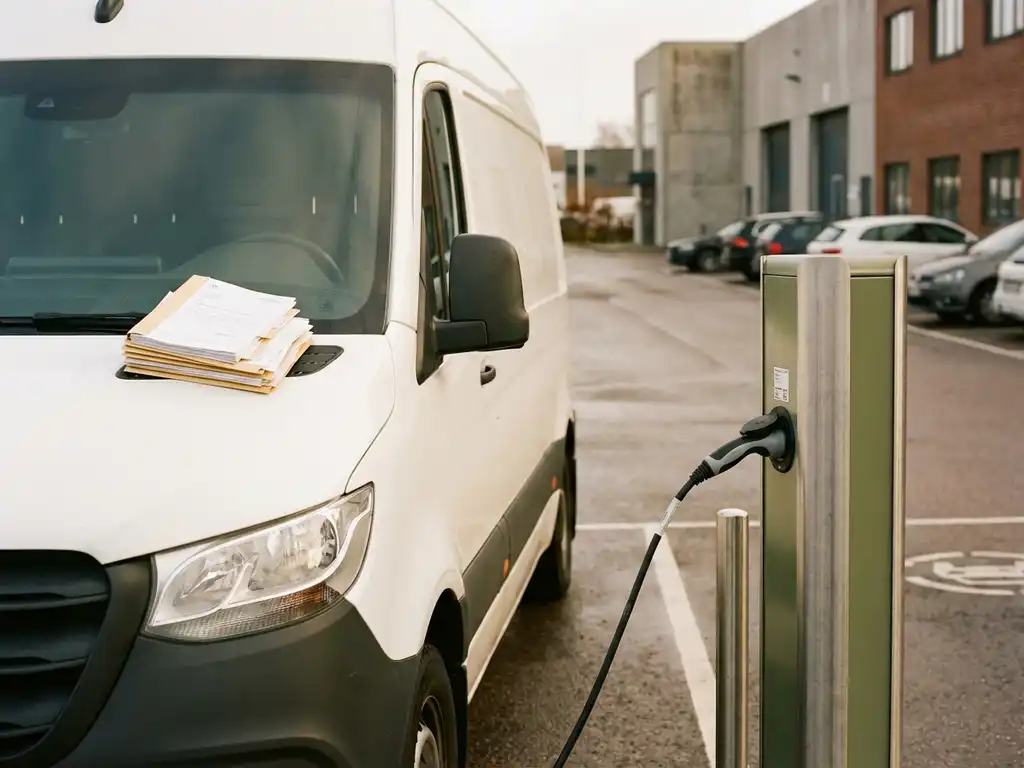
- Regular fast charging: Fast chargers are handy when you’re on the move, but DC fast charging puts more strain on the battery cells than slow charging via a wallbox or charging point.
- Battery always full or always flat: Batteries last longer if you charge them to between 20 and 80 per cent. Regularly charging them to 100% or letting them run almost flat accelerates degradation.
What can you do yourself to minimise wear and tear?
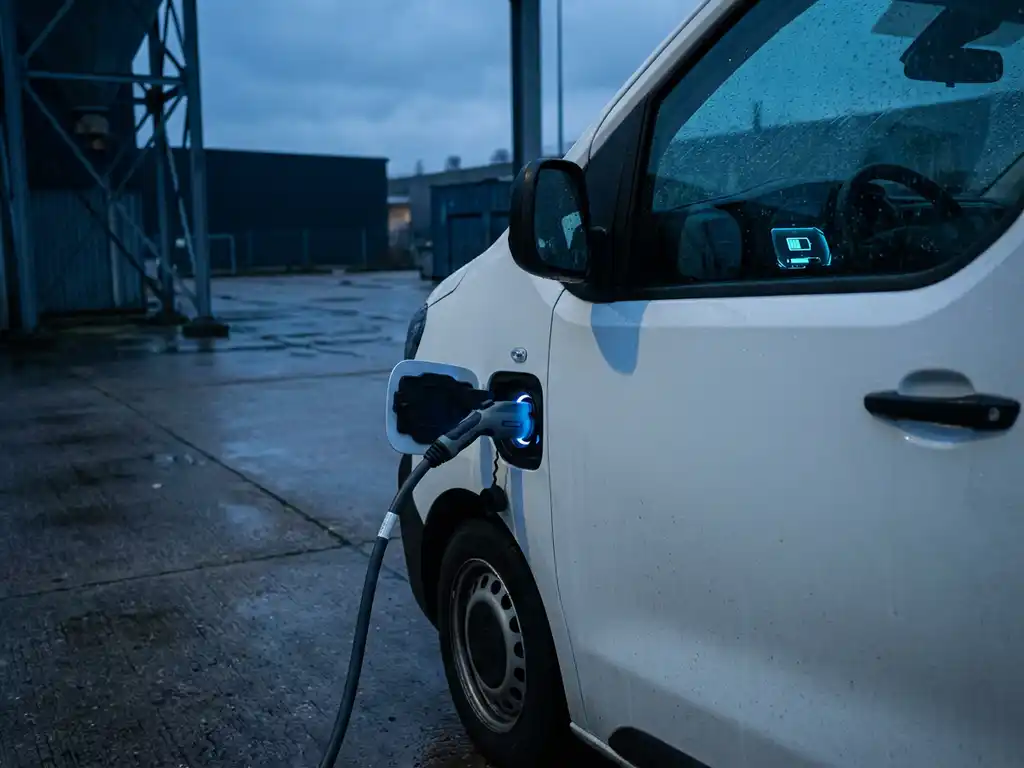
As a driver or fleet manager, you can actively help to extend battery life. Set the charging limit to 80 per cent for day-to-day use and reserve charging to 100 per cent for journeys where you need the extra range. Only use fast chargers when absolutely necessary and preferably charge at home or at the office using a standard charging point. Many modern electric vans have settings in the on-board computer or accompanying app that allow you to manage this easily.
Who is responsible for the battery during the lease period?
During the lease term, the leasing company is the legal owner of the vehicle and, consequently, of the battery as well. The lessee – that is, you as a company or business owner – is responsible for the correct use and routine maintenance of the vehicle. Damage caused by careless use or neglect is your responsibility; normal wear and tear resulting from use is borne by the leasing company or covered by the manufacturer’s warranty.
In practice, this varies from one lease agreement to another. With an operational lease, most risks are covered, including normal battery degradation. With a finance lease, you bear more of the risk yourself, much as you would if you owned the vehicle. It is therefore important, when entering into a lease agreement for an electric company car, to read carefully what the agreement says about:
- The definition of ‘normal wear and tear’ versus ‘damage’
- Who is responsible for the cost of battery repair or replacement?
- Whether a minimum capacity guarantee is included
- What is the procedure if the battery fails during the lease period?
If in doubt, always seek advice before signing. A contract in which responsibility for the battery is unclear may lead to unpleasant surprises when you return the vehicle.
What does the battery warranty cover for electric company cars?
The battery warranty for electric commercial vehicles usually covers situations where the battery capacity falls below a specified percentage within a certain period, often 70 or 75 per cent of the original capacity. Most manufacturers offer a warranty period of eight years or a certain number of kilometres, whichever comes first.
Exactly what the warranty covers varies depending on the make and model. Generally speaking:
- Capacity loss due to faulty cells or manufacturing defects is covered by the warranty
- Normal wear and tear resulting from use is not covered by the warranty, unless it exceeds the threshold value
- Damage caused by improper use, such as overloading or exposure to extreme conditions, is not usually covered by the warranty
- Some manufacturers offer more comprehensive warranties for business users or fleet customers
How does the battery warranty differ from one brand to another?
Brands such as Volkswagen, Mercedes-Benz, Ford and Renault each have their own warranty terms for electric vans. Volkswagen, for example, offers an eight-year or 160,000-kilometre warranty on the battery of the ID. Buzz Cargo, with a minimum capacity of 70 per cent. Renault applies similar terms for the Master E-Tech. When choosing a electric company car Always check the specific warranty terms and conditions for the model in question, as these can vary considerably.
What are the costs if the battery is damaged when it is returned?
If, when returning an electric lease car, you have caused damage to the battery that goes beyond normal wear and tear, the costs can be substantial. Depending on the make and model, replacing the battery in electric vans can cost several thousand euros. Leasing companies carry out a damage inspection upon return, during which the battery capacity is checked.
What counts as damage when returning the vehicle? This varies depending on the contract, but common situations include:
- Mechanical damage to the battery casing, for example caused by a collision or impact from below
- Proven misuse, such as bypassing the charging safety features or using unauthorised chargers
- A loss of capacity that goes significantly beyond the contractually agreed standard
How can you avoid unexpected costs when returning items?
The best protection is a clear contract with a defined description of normal wear and tear. When taking out the lease, ask for a written record of the battery’s initial condition, including a capacity test. This will give you a reference value when you return the vehicle. Some leasing companies also offer battery insurance as an add-on to the contract, which provides extra peace of mind should anything go wrong.
Is leasing an electric company car a good idea if you drive a lot?
Leasing an electric commercial vehicle is a smart choice if you drive a lot, provided your routes are predictable and you have access to charging infrastructure. With a high annual mileage, you’ll benefit most from the lower fuel costs and reduced maintenance requirements of an electric powertrain. However, it’s wise to manage battery wear and charging behaviour carefully during intensive use.
For business owners who cover many kilometres every day – such as couriers, service engineers or healthcare transport providers – the figures often add up. The benefits are clear:
- Lower energy costs per kilometre compared with diesel or petrol
- Less maintenance: no oil changes and less brake wear thanks to regenerative braking
- Tax benefits of electric driving in the business sector
- Lower environmental charges and access to zero-emission zones in cities
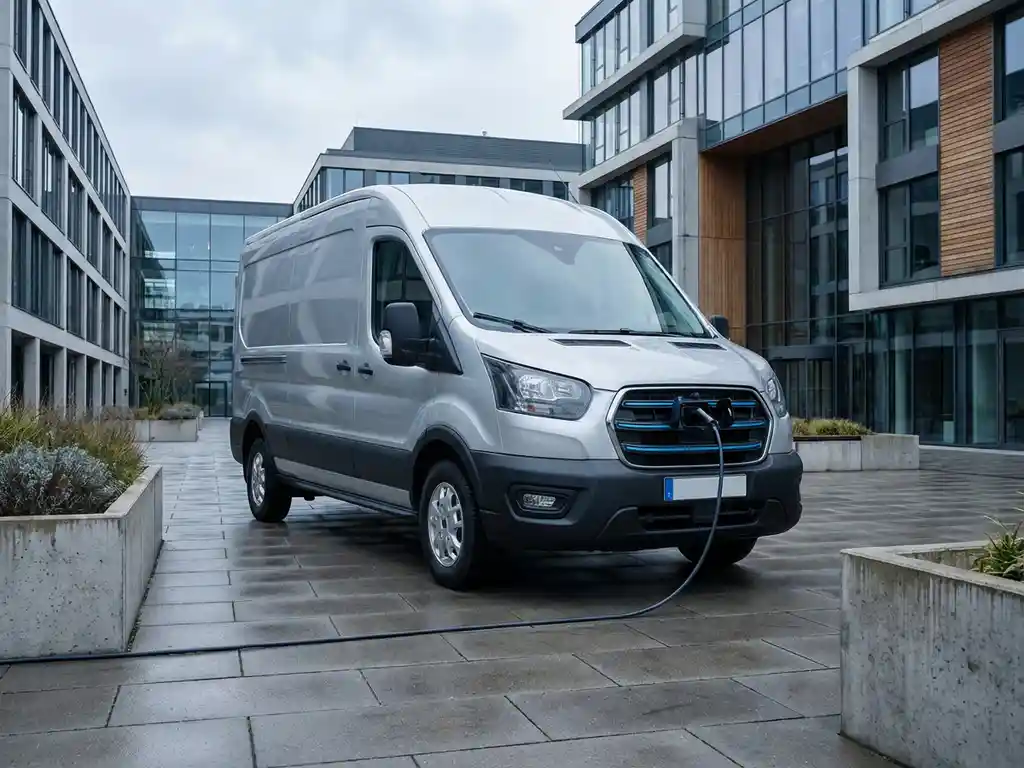
On the other hand, there are also points to bear in mind for frequent drivers. The battery wears out more quickly with frequent charging cycles, and if you rely on fast chargers every day, this will affect the battery’s health in the long run. You should also consider whether the range of your chosen model matches your longest daily route, rather than your average journey. A small electric van is ideal for urban distribution, whilst a double-cab van places different demands on the operating range for a team of professionals.
Which type of electric commercial vehicle is best suited to intensive use?
If you drive a lot, you’ll need a model with a larger battery capacity and an efficient charging strategy. Consider models with a battery capacity of 75 kWh or more, support for higher-power fast charging, and a range that suits your working area. Always discuss your annual mileage with the leasing company in advance, so that the contract is tailored to your usage and you don’t face any surprises when you return the vehicle.
How we can help you with electric commercial vehicle leasing
Choosing an electric commercial vehicle involves more than just comparing range and charging time. The battery, the warranty terms and the responsibilities set out in the lease agreement deserve just as much attention. We’re here to help you with this, from the initial consultation right through to the handover of the vehicle that’s truly right for your business.
Here’s what we offer:
- A wide range of electric commercial vehicles, from compact vans to larger double-cab models
- Personalised advice on which model suits your driving style, annual mileage and charging options
- Clear information on lease terms, warranty conditions and responsibilities
- Flexible leasing options, tailored to the needs of SMEs, the self-employed and fleet managers
- Over 60 years’ experience in commercial vehicles, now fully geared towards electric mobility
Would you like to find out which electric commercial vehicle is best suited to your situation? Please get in touch with us or take a look at our current offer online. We’d be happy to discuss this with you, with no obligation.