
What is the payload of a double-cab commercial van?
A double-cab commercial van is a popular choice for business owners who want to transport both passengers and cargo. However, combining space for people and goods has a direct impact on the load capacity. Before you buy a double-cab commercial van, it’s wise to understand exactly how much load space and load capacity you can expect.
In this article, we answer the most frequently asked questions about the load capacity of double-cab commercial vans. Whether you’re looking to buy a small van for a small team or need a larger solution for your fleet, the information below will help you make the right choice.
How is the payload of a commercial van calculated?
The payload of a commercial van is calculated by subtracting the vehicle’s kerb weight from the maximum authorised weight (also known as the GVW, or Gross Vehicle Weight). The resulting figure is the net payload: the maximum weight of cargo, passengers and fuel that you are permitted to carry.
The formula is as follows:
- Maximum authorised weight (GVW) minus the kerb weight of the vehicle is equal to the load capacity
Suppose a commercial van has a gross vehicle weight (GVW) of 3,500 kg and an unladen weight of 2,200 kg; in that case, the payload is 1,300 kg. Important to note: the weight of passengers is also taken into account. For a double-cab with six seats, you would typically allow for 75 kg per person, which can quickly add up to 450 kg or more in passenger weight.
In addition, the weight of fuel, accessories and any bodywork is also factored into the payload. As a result, a refrigerated lorry or a vehicle with special fittings has, in practice, less available load capacity than the figure on paper would suggest.
Why does a double-cab have a lower load capacity than a single-cab?
A company van with double cabin has a lower load capacity than a single-cab model, as the extra cabin space for passengers makes the vehicle heavier. The extended cab adds to the kerb weight, which means there is less space left for cargo when the maximum authorised weight remains the same.
In a standard single-cab model, the driver’s cab is compact, which means the kerb weight is lower. A double cab usually has a second row of seats for four to five additional passengers, which quickly adds 100 to 200 kg of extra structural weight. That weight directly reduces the available payload.
Furthermore, the load area behind the cab is physically smaller in a double-cab model. The extended cab takes up space on the overall vehicle platform, thereby limiting both the volume and the weight of the load area. So, in a sense, you’re paying for the extra seats at the expense of load capacity.
What factors affect the load capacity of a double-cab pick-up?
The payload capacity of a double-cab commercial van is influenced by several factors: the kerb weight of the base vehicle, the number of passengers, any bodywork or interior fittings, accessories and the type of drivetrain. Together, these factors determine how much payload you can actually carry in practice.
Unladen weight and body configuration
Any modification to the vehicle increases its kerb weight. Examples include a tow bar, a roof rack, floor covering in the load compartment or special fittings, such as shelves or a refrigeration unit. All these additions reduce the available load capacity. It is therefore advisable to take the vehicle’s final configuration into account at the time of purchase.
Drive system and fuel type
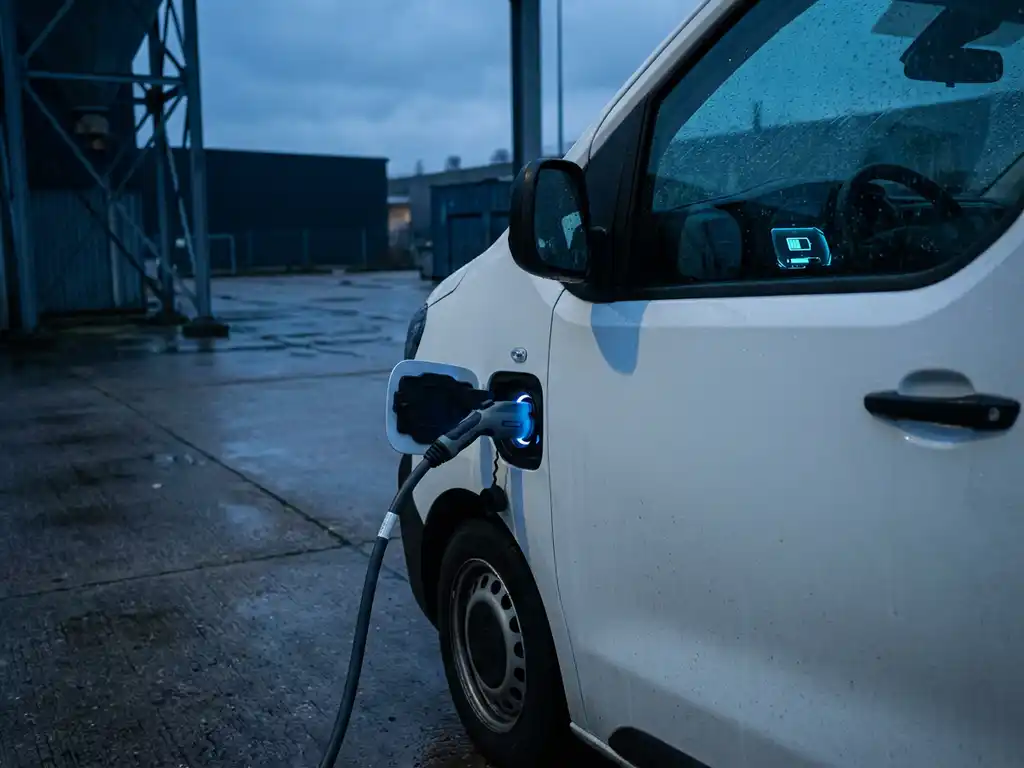
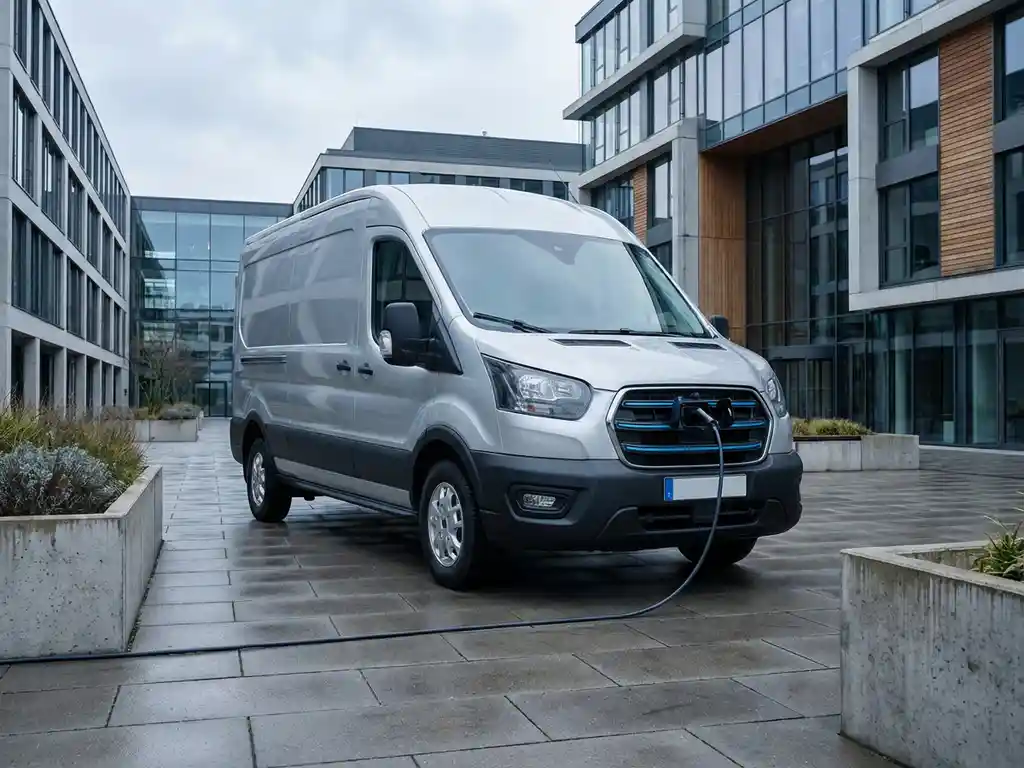
The type of drive system also plays a role. A electric company car has a battery pack that is considerably heavier than a conventional fuel tank. This higher kerb weight has a direct impact on the payload. When leasing an electric commercial vehicle, it is therefore important to compare the technical specifications carefully, so that you know what your net payload will be.
Number of passengers
With a six-seater double cab, you should generally allow for 75 kg per person. If you’re driving with a fully occupied cab, you’ll quickly lose 375 to 450 kg of payload capacity, simply due to the weight of the passengers. If you regularly drive with fewer people, you’ll have more load space available in practice, but legally speaking, you must always take the maximum occupancy into account.
What is the difference in load capacity between popular double-cab models?
The payload capacity varies considerably between popular double-cab models. Depending on the make, engine type and specification, the payload of a double-cab commercial van ranges from around 600 kg to over 1,200 kg. Below is a comparison of commonly used models.
Volkswagen Transporter Double Cab
The Volkswagen Transporter in the double-cab version typically has a payload of 700 to 900 kg, depending on the engine and specification. The Transporter is popular for its reliability and driving comfort, but its load capacity is more limited than that of heavier models.
Ford Transit Double Cab
Most versions of the Ford Transit double cab offer a payload of between 900 and 1,100 kg. This makes the larger Transit a good compromise for businesses that need to transport both people and a substantial amount of equipment.
Mercedes-Benz Sprinter Double Cab
The double-cab Sprinter generally offers the highest payload and, depending on the model, can carry up to 1,200 kg or more. This makes the Sprinter a popular choice for construction companies and logistics operators who do not want to compromise on load capacity.
When comparing models, always refer to the vehicle’s specific technical documentation. The load capacities stated are guidelines and may vary depending on the model, year of manufacture and optional extras fitted.
When is a double-cab commercial van the right choice?
A double-cab commercial van is the right choice if you regularly need to transport a team of four to six people whilst also carrying tools, materials or goods. It’s the most practical solution if you don’t want to have to choose between carrying people and transporting goods.
Double-cab pick-ups are popular in sectors such as construction, installation, landscaping and healthcare transport. Think, for example, of a contractor who picks up his team every morning whilst also transporting the day’s materials, or a healthcare provider who transports several carers and supplies.
However, a double-cab isn’t the best choice for everyone. If you mainly transport goods and rarely carry more than two people, a standard van or a single-cab is more efficient. The payload is higher and the purchase price is usually lower. You should also consider whether a small van might be sufficient for your needs, particularly if your transport requirements are limited.
When making your choice, ask yourself the following:
- Do I regularly carry more than two passengers?
- Is a load capacity of at least 700 kg sufficient for my day-to-day work?
- Do I need a vehicle that is both prestigious and practical?
- Will the double-cab fit within my budget, including any lease or finance costs?
If you answer ‘yes’ to most of the questions, a double-cab is likely to be a good investment for your business.
How we help you choose the right company bus
At Van den Hurk Commercial Vehicles, we help you find the right commercial van to suit your work, your team and your budget. We understand that choosing a double-cab van involves more than just comparing load capacities. That’s why we work with you to assess the full picture.
What we can do for you:
- Tailored advice based on your specific transport requirements and the number of staff you transport each day
- A wide range of double-cab commercial vans, both new and used, including electric models
- Flexible financing options, including electric company car leasing, so you don’t have to invest straight away
- Help with comparing load capacities and technical specifications of different models
- Personalised support from initial consultation through to delivery, provided by people with over 60 years’ professional expertise
Would you like to find out which double-cab model is best suited to your needs? Then please get in touch with us or take a look at our current offer on the website. We are happy to help.