
Is it possible to lease a second-hand electric commercial vehicle?
Electric commercial vehicles are no longer the preserve of large companies with generous budgets. More and more business owners are discovering that leasing a second-hand electric commercial vehicle is a smart and affordable way to drive sustainably without the need for a large upfront investment. The market for second-hand electric vehicles is growing rapidly, and with it, the range of financing options is also expanding.
Whether you’re thinking of buying a small van or looking for a commercial van with double cabin, or if you simply want to know how leasing a used electric company car works: in this article, we answer the most frequently asked questions. That way, you’ll know exactly what to expect before you make a decision.
What are the benefits of leasing a second-hand electric car?
Leasing a second-hand electric commercial vehicle combines the benefits of electric driving with lower monthly costs than those of a new vehicle. You benefit from lower fuel costs, reduced maintenance and more sustainable business operations, whilst the financial barrier to entry is considerably lower than with a new electric lease.
Financial benefits
Electric vehicles depreciate more rapidly in their first few years, which means that a second-hand model is considerably cheaper than a new one. If you lease such a vehicle rather than buying it, you spread the costs over a fixed term and your working capital remains intact. This is a major advantage for many SMEs and the self-employed.
What’s more, you’ll make long-term savings on fuel. Driving an electric vehicle works out cheaper per kilometre than driving on petrol or diesel, particularly when used regularly in urban areas or on fixed routes. For logistics companies and healthcare transport providers that cover many kilometres every day, this quickly adds up.
Operational benefits
Electric vehicles have fewer moving parts than vehicles with an internal combustion engine, resulting in less wear and tear and lower maintenance costs. No oil changes, less brake maintenance thanks to regenerative braking, and generally fewer breakdowns. This also makes a second-hand electric vehicle an attractive option from an operational perspective.
What’s more, electric commercial vehicles are increasingly being allowed to drive freely in environmental zones in Dutch city centres. If your company makes deliveries to cities such as Eindhoven or Den Bosch, an electric commercial van can improve your accessibility without incurring additional costs for environmental stickers or emissions permits.
What should you look out for when leasing a second-hand electric car?
When leasing a second-hand electric car, there are a number of specific points to bear in mind that you wouldn’t encounter with a standard second-hand car. The most important of these is the condition of the battery, but the remaining range, warranty terms and the type of lease also play a major role in your final decision.
Health and range of activity
The battery is the heart of an electric vehicle and also its most expensive component. Over time, a battery’s capacity decreases slightly, which affects the maximum range. Always ask for a battery report or a State of Health (SoH) assessment before leasing a second-hand electric vehicle. A healthy battery usually retains at least 80 per cent of its original capacity.
You should also check whether the manufacturer’s warranty on the battery is still valid. Many manufacturers offer an eight-year warranty or a warranty covering a certain number of kilometres on the battery. If that warranty is still valid, you, as the lessee, will have much greater certainty regarding the vehicle’s lifespan.
Lease type and contract terms
With a second-hand electric lease, you usually have the choice between an operating lease and a finance lease. With an operating lease, maintenance and insurance are often included, which makes the monthly costs predictable. With a finance lease, you finance the vehicle and pay it off, after which you become the owner.
Please also note the lease term and the maximum number of kilometres per year. With a second-hand electric car, residual value estimates are sometimes less predictable than with a new vehicle, which can affect the monthly instalment and the final settlement under an operational lease. Read the contract terms carefully and ask for a clear explanation of the mileage policy.
Charging infrastructure
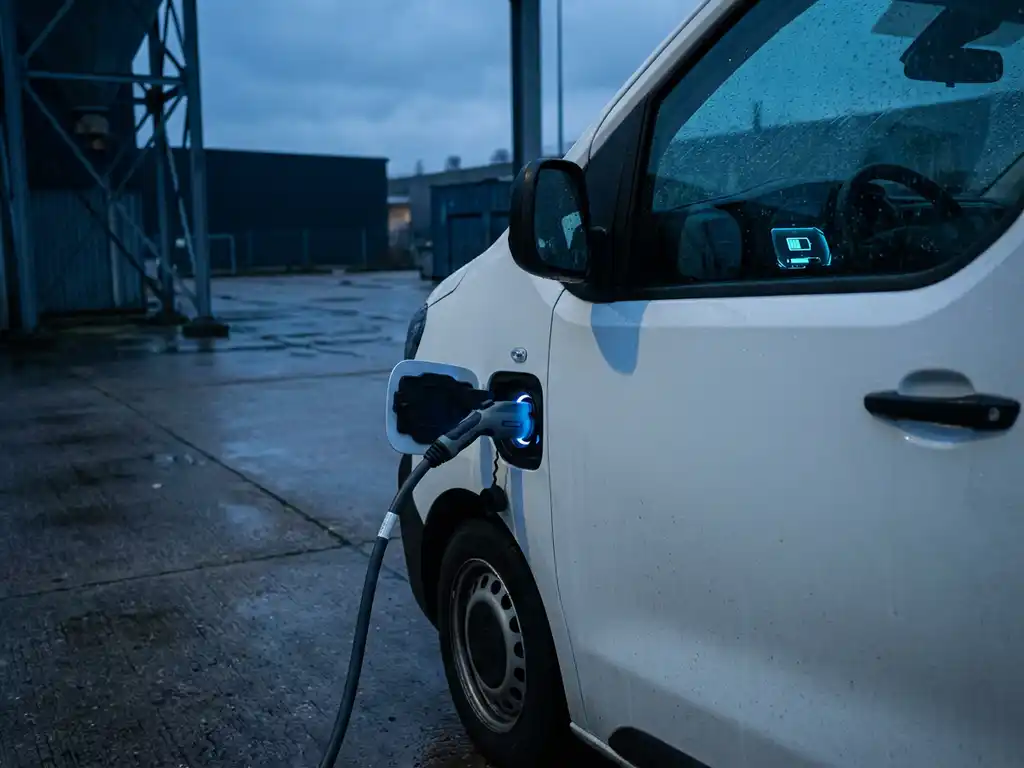
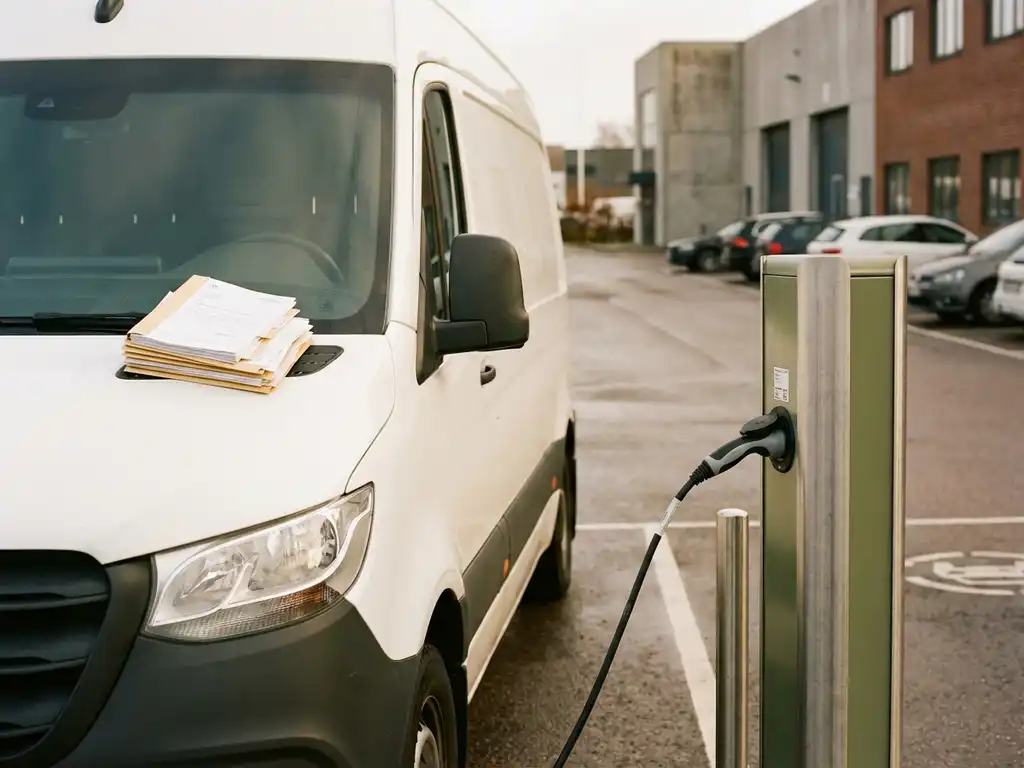
Also consider the charging options at your premises and whilst on the road. A second-hand electric commercial vehicle is only truly practical if you can charge it easily. Do you have a charging point on your business premises or at home? And is there a sufficient public charging network available along the routes you drive? These are practical questions you need to answer before signing a lease agreement.
How much does it cost to lease a second-hand electric commercial vehicle?
The cost of leasing a second-hand electric commercial vehicle varies considerably, depending on the make, year of manufacture, range and type of lease. As a rough guide, the monthly payments for a second-hand electric commercial van under an operational lease are generally lower than for a comparable new model, sometimes by as much as twenty to forty per cent.
The exact monthly cost depends on several factors:
- The purchase value of the vehicle at the time of leasing
- The residual value at the end of the lease term
- The term of the contract (usually 24 to 60 months)
- Annual mileage
- Whether maintenance and insurance are included
- The interest rate at the time of taking out the policy
A second-hand electric car often has a lower purchase price than a new vehicle, but its residual value is also more difficult to predict. Leasing companies take this into account in their calculations. Nevertheless, in many cases, the total cost over the lease term is more favourable than with a new electric lease.
Don’t forget to factor in the indirect savings as well. Lower fuel costs, reduced maintenance and any tax benefits associated with electric driving can significantly reduce the total running costs per kilometre compared with a similar diesel vehicle.
Which electric commercial vehicles are available second-hand?
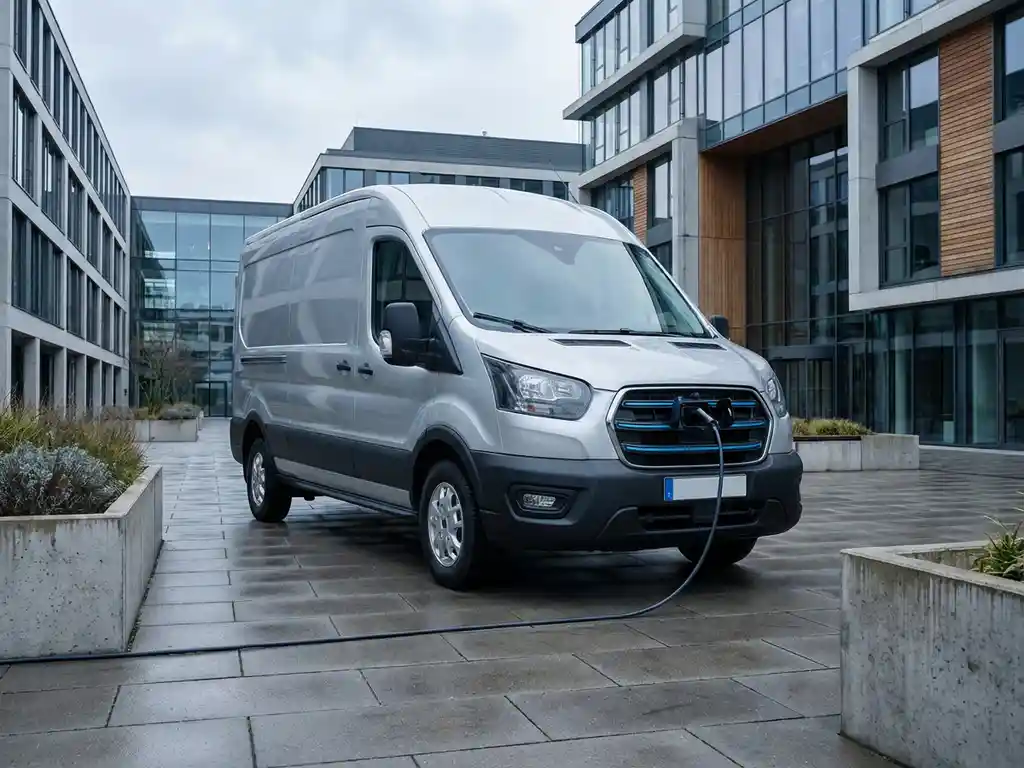
The range of second-hand electric commercial vehicles is growing steadily. The most common models on the second-hand market are compact vans and medium-sized commercial vans from manufacturers who invested early on in electric versions of their popular models.
Popular models
Models such as the Renault Kangoo Z.E., Renault Master Z.E., Nissan e-NV200, Volkswagen e-Crafter and Mercedes-Benz eSprinter are now regularly available as second-hand vehicles. These models have become popular in recent years with businesses that made an early switch to electric vehicles, and are now becoming available on the second-hand market.
For those looking for a small van, compact electric models such as the Renault Kangoo Z.E. or the Nissan e-NV200 are good options. They are manoeuvrable, suitable for city driving and available in a range of model years. Anyone looking for a double-cab commercial van currently has slightly fewer options in the second-hand electric vehicle market, but the range on offer is growing.
Special versions
As well as standard delivery vans, special-purpose models are also available as second-hand vehicles, such as refrigerated vans and wheelchair-accessible buses with electric powertrains. These are relevant options for healthcare transport providers and companies in the food sector. The range of such vehicles is more limited, but is growing as more companies renew their electric fleets.
When looking for a second-hand electric car, it’s a good idea to keep your search broad and check the stock regularly. Many dealers offer a stock alert service that automatically notifies you as soon as a vehicle that meets your requirements becomes available.
When is a second-hand electric lease the best choice?
A second-hand electric lease car is the best choice if you want to drive an electric vehicle with lower monthly costs, your daily mileage fits well with the range of a second-hand car, and you don’t need the latest technology. For many business owners with fixed driving routes and access to charging infrastructure, this is an excellent combination.
Specific situations in which a second-hand electric lease is a good option:
- You drive relatively short, predictable routes on a daily basis (urban logistics, healthcare deliveries, service engineers)
- You have charging facilities on the company premises or at home
- You want to make the switch to electric without taking on any major financial risks
- You want to benefit from lower fuel and maintenance costs
- Your company wants to demonstrate that it operates sustainably, for example to clients or local authorities
A second-hand electric lease car is less suitable if you drive long distances where the range of an older battery is insufficient, or if you drive in an area with few charging points. In that case, a new electric lease car or a hybrid vehicle might be a better choice.
It’s also worth bearing in mind that electric vehicle technology is developing rapidly. A second-hand car that’s three to five years old will generally have a shorter range than the latest models. If range is a key requirement for you, make sure you seek expert advice on which model years and models still offer sufficient range for your needs.
How we can help you lease a second-hand electric commercial vehicle
We understand that choosing a second-hand electric lease raises many questions. That’s why we’re here to help you every step of the way, from finding the right vehicle to signing a suitable lease agreement. With over 60 years’ experience in commercial vehicles and an extensive stock, we know exactly what’s going on in the market.
What we can do for you:
- Personalised advice on which second-hand electric car suits your needs and driving style
- Insight into the battery health and technical condition of every vehicle in our stock
- Flexible leasing options – both operational and finance leases – tailored to your situation
- Help with setting up a stock alert, so you’re the first to know when the right vehicle becomes available
- Personal contact with an adviser who takes the time to answer your questions
Are you curious to find out what we have to offer? Take a look at our Current range of electric commercial vehicles or get in touch with us directly for a no-obligation chat. Together, we’ll find the second-hand electric vehicle that suits your business and budget.