
When should you opt for a double-cab commercial van?
A double-cab commercial van is a smart choice for many business owners, but not always the most obvious one. If you need to transport both people and goods, this type of vehicle offers a combination that a standard van or passenger car simply cannot provide. Whether you work in the construction industry, provide healthcare transport or have a growing team, a double-cab commercial van is well worth considering.
In this article, we answer the most frequently asked questions about double-cab pick-ups: from exactly what they are to when buying or leasing is the best option. This will help you make an informed decision that suits your work and budget.
What is a double cab company bus?
A double-cab commercial van is a van or light goods vehicle with two rows of seats in the cab, combined with a load compartment or open flatbed at the rear. The vehicle usually accommodates four to six people whilst also featuring a functional load area for equipment, tools or goods.
The main difference compared to a standard delivery van lies in the layout. In a standard delivery van, the entire space behind the driver is used as a load compartment. In a double cabin Part of that space has been converted into a second row of seats, allowing you to carry both passengers and cargo at the same time. This type of vehicle is available as a closed van, but also as a pick-up with an open load bed.
What varieties are there?
The double cab is available in various versions, depending on its intended use:
- Enclosed double-cab delivery van: suitable for transporting both staff and goods, with a enclosed cargo area
- Double-cab pick-up: popular in sectors such as construction and agriculture, with an open load bed for large or heavy materials
- Combi version: a hybrid design in which the load compartment is accessible from the cab
The choice of a specific model depends on what you transport on a daily basis and how many people need to be carried. For many small and medium-sized businesses, buying a small double-cab van is therefore a practical all-in-one solution.
For which professions and sectors is a double cab suitable?
A double cab is best suited to professions where you need to transport both a team of staff and equipment at the same time. These include contractors, fitters, roofers, landscapers and road builders. However, there are also sectors outside the construction industry that benefit greatly from this type of vehicle.
In the healthcare sector, we see the double cab being used as an adapted transport solution, sometimes combined with wheelchair accessibility. Logistics companies that deploy several delivery drivers simultaneously on a single route use this vehicle to operate more efficiently. And for self-employed people who occasionally take a colleague or intern with them, the double cab offers greater flexibility than a standard delivery van.
Typical users by sector
- Construction and installation: several tradespeople, plus tools and materials, all in one trip
- Green spaces and landscape: moving the team and machinery at the same time
- Patient transport: care workers and service users together, sometimes with adapted access
- Events and facilities services: staff and supplies to the site
- Agricultural: seasonal staff and equipment at the farm or out in the fields
In short, the double cab is relevant to any business owner who needs to transport both people and equipment. It is not a niche vehicle, but a versatile work vehicle that proves its worth on a daily basis across many sectors.
What are the advantages of a double-cab van compared to a standard van?
The biggest advantage of a double-cab van over a standard delivery van is that it combines passenger transport and load capacity in a single vehicle. You don’t need a separate car for staff, nor a separate van for equipment. That saves on costs, fuel and planning headaches.
As well as the practical benefits, there are also operational advantages. Your team travels to the site together, which enhances communication and collaboration. Furthermore, a single vehicle is cheaper in terms of maintenance, insurance and road tax than two separate vehicles.
Overview of the key benefits
- Efficiency: a single journey for people and equipment, fewer kilometres and lower fuel costs
- Cost savings: one vehicle instead of two, lower total cost of ownership
- Team cohesion: Staff travel together, which makes the working day run more smoothly
- Flexibility: In some models, the second row of seats folds down, allowing you to temporarily increase the boot space
- Image: A well-equipped company van conveys a sense of professionalism to customers
A standard delivery van offers more load space if you never carry passengers. But as soon as you start working with a team on a regular basis, the benefits of a double cab outweigh the loss of load capacity.
When is a double-cab vehicle tax-efficient?
A double-cab commercial van can offer tax advantages if the vehicle qualifies as a delivery van for tax purposes and you use it predominantly for business purposes. In that case, it falls outside the additional tax liability scheme for passenger cars, which offers a significant advantage over a passenger car or MPV.
The Tax and Customs Administration applies specific criteria to determine whether a vehicle is classified as a delivery van. The load compartment must meet certain dimensions, and the layout of the cabin is also a factor. A double-cab vehicle is not automatically regarded as a van. You should therefore always have this checked when purchasing a vehicle, so that you do not face any unpleasant surprises.
What do you look out for during a tax assessment?
- Load space requirement: The load compartment must be at least a certain length, width and height to qualify as a van
- Usage: Private use exceeding 10% may result in a tax addition, even for a delivery van
- Journey log: If there is any doubt about private use, it is advisable to keep a comprehensive log of journeys
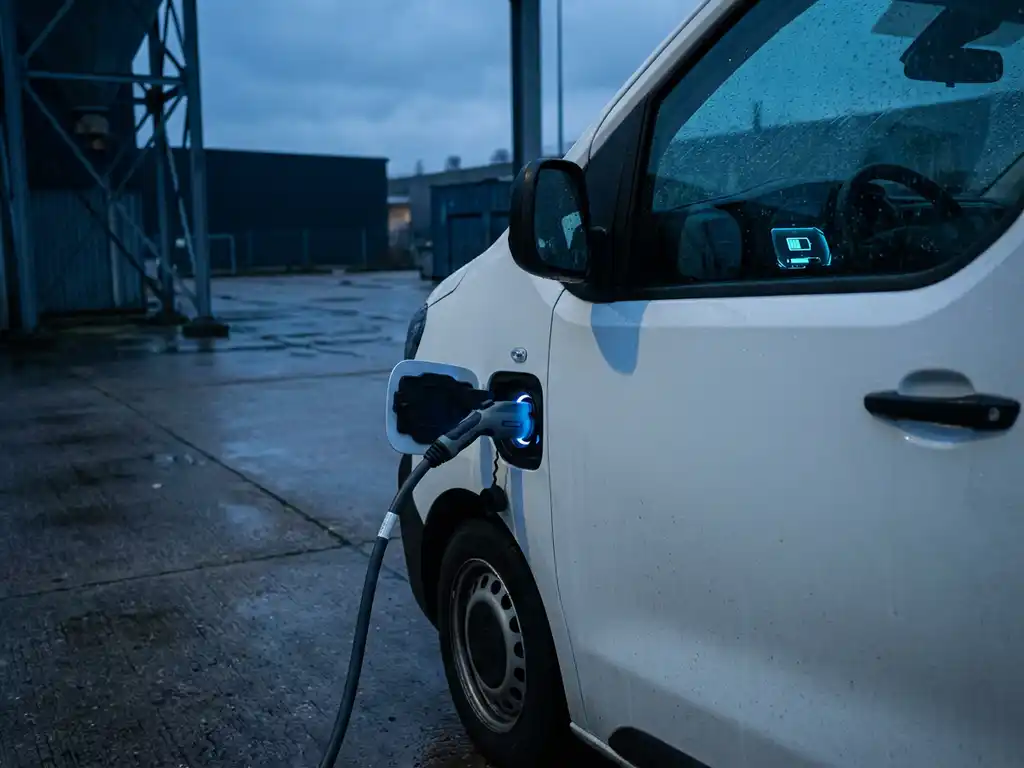
- Electric double-cab: in the case of a electric commercial vehicle lease different additional tax rates apply, which may be particularly advantageous
Always consult a tax adviser or accountant before making a decision based on tax benefits. The rules may change, and your company’s specific circumstances will determine what is most favourable for you.
Are you buying or leasing a double-cab commercial van?
Whether it’s better to buy or lease depends on your cash flow, how long you intend to use the vehicle, and whether you want to take advantage of the tax benefits of leasing. Leasing offers fixed monthly payments and few surprises, whilst buying may work out cheaper in the long run if you keep the vehicle for a long time.
With an operating lease, you pay a fixed monthly amount and maintenance is often included. This gives you a clear overview and prevents unexpected costs. A finance lease is more like buying on hire purchase: you own the vehicle and bear the risks associated with maintenance and depreciation yourself.
Buying: when is it a good idea?
Buying is a good option if you plan to keep a vehicle for a long time, if you can snap up a second-hand double-cab at a bargain price, or if you don’t want any monthly commitments. Buying a second-hand small van can significantly reduce the upfront cost, especially if you’re prepared to put a bit more effort into maintaining it yourself.
Leasing: when is it a sensible option?
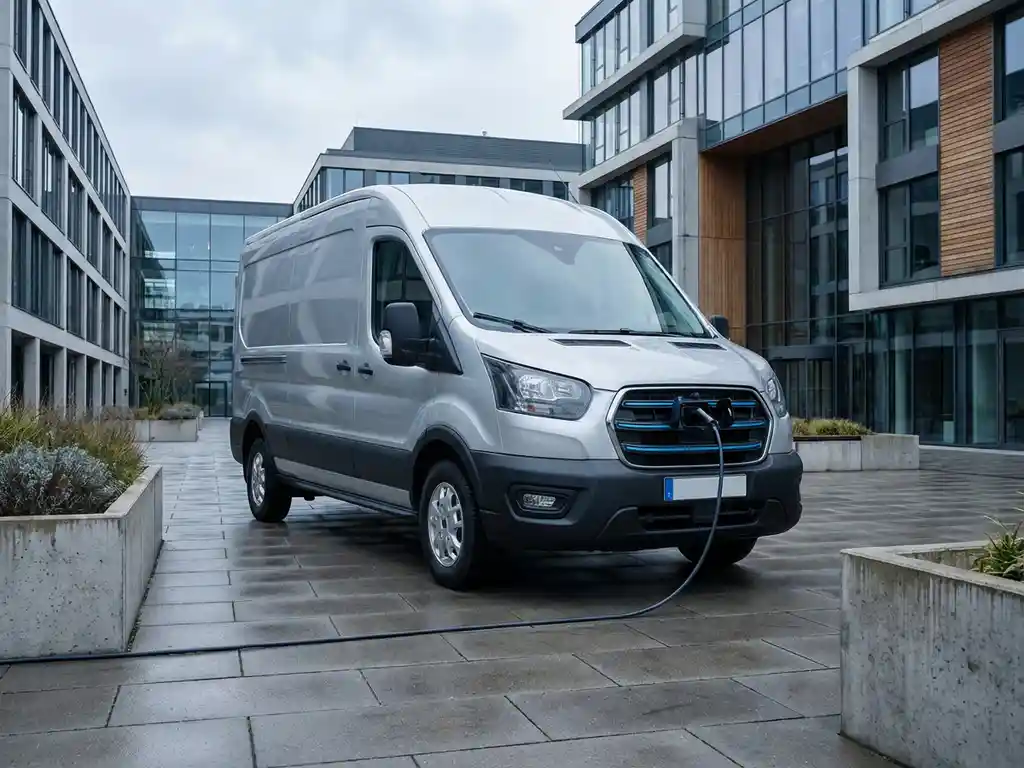
Leasing is an attractive option if you want to have a new or reliable vehicle at your disposal at all times without having to make a large upfront investment. Leasing electric commercial vehicles is growing in popularity, partly because the lower tax liability and subsidies make it financially attractive. For businesses striving to meet sustainability targets, this is a worthwhile option to consider.
What should you look out for when buying a second-hand double-cab pick-up?
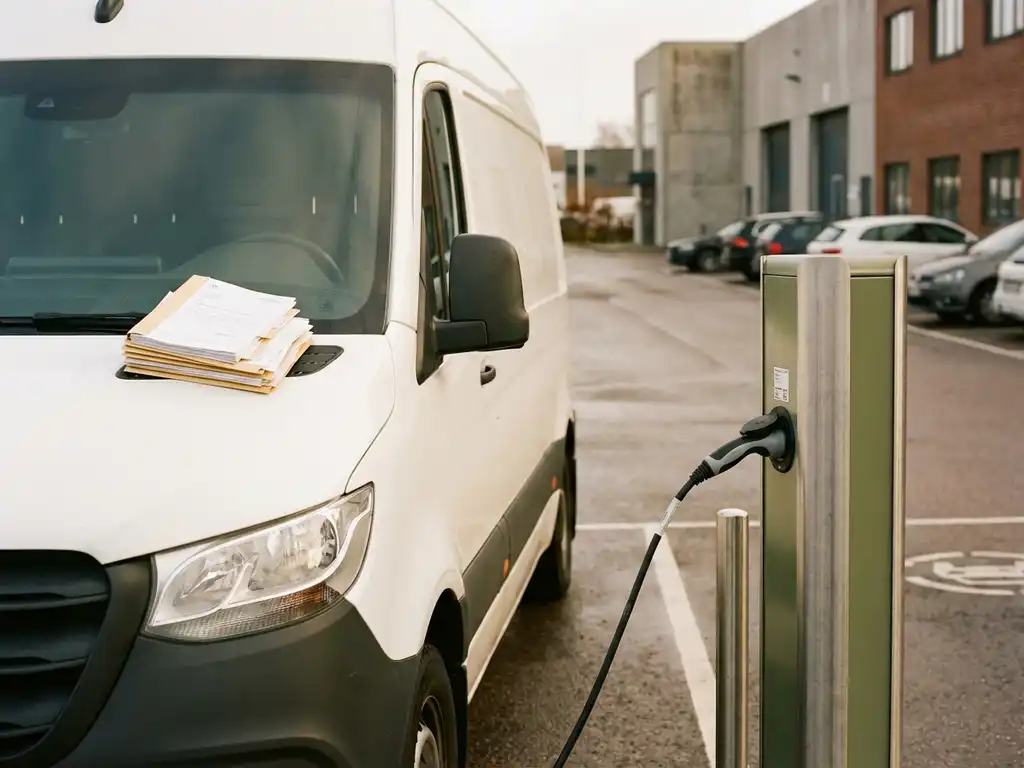
When buying a second-hand double-cab pick-up, you should check the mileage, the service history, the condition of the load area and how well the second row of seats works. You should also check that the vehicle documents are in order and that the vehicle still complies with the environmental zones in your region.
A second-hand commercial van has often already been put through its paces in a demanding working environment. This means that wear and tear can occur in specific areas that are less of a concern in a passenger car. Examples include the load floor, the cargo area door hinges and the suspension when carrying heavy loads.
Checklist for a second-hand double-cab pick-up
- Mileage and age: High mileage isn’t necessarily a problem if there is evidence that the vehicle has been properly maintained
- Maintenance booklet: Always ask for the full service history
- Condition of the load compartment: check for rust, damage and the condition of the floor
- Second row of seats: Check the seat belts, the seat locks and whether the doors open properly
- MOT and low-emission zones: Check the MOT date and whether the vehicle is permitted in the areas where you are driving
- Electrical systems: Lighting, central locking and any refrigeration systems must be in good working order
- Test drive: Always take the car for a test drive and listen out for any unusual noises, check the brakes and observe how the car handles under load
If in doubt, have the vehicle inspected by an independent mechanic. The cost of an inspection is a small investment compared with an expensive repair later on.
How we help you choose the right commercial double cab van
We offer a wide range of range of commercial vehicles, including several double-cab models. Whether you’re looking for a second-hand double-cab at a competitive price, want to lease a new commercial van, or need advice on tax options, we’d be happy to help.
What we offer:
- A large, diverse range of commercial vehicles, including double-cab models in various configurations
- Personalised advice from our specialists, tailored to your sector and specific needs
- Flexible leasing and purchase options for the self-employed, SMEs and larger vehicle fleets
- A handy stock alert service, so you are the first to know about new offers
- More than 60 years of experience in the Helmond and North Brabant region
Would you like to know which double-cab model is best suited to your business? Please get in touch with us or view our current range online. We’d be happy to help you make the right choice.