
Which manufacturers supply double-cab commercial vans?
A double-cab commercial van is a versatile vehicle that is becoming increasingly common amongst construction firms, installation companies, healthcare transport providers and other businesses that need to transport both people and materials. But which manufacturers actually offer this type of vehicle, and what should you look out for when making your choice? In this article, we answer the most frequently asked questions about double-cab commercial vans, from available manufacturers to leasing and purchase options.
Whether you’re looking for a small van Whether you want to lease a vehicle with extra seating or a larger double-cab commercial van, the market offers more choice than you might expect. We’ll take you through everything you need to know, step by step.
What is a double cab company bus?
A double-cab commercial van is a commercial vehicle with two rows of seats, allowing you to transport several people and a load at the same time. The front cab accommodates the driver and a co-driver, whilst the second row usually seats two to three additional passengers. Behind the cab is a load area or load floor.
This type of vehicle combines the best of both worlds: the passenger space of a minibus and the load capacity of a van. This makes it particularly practical for teams travelling together to a location whilst also carrying tools, materials or equipment. You often see this type of vehicle used by building contractors, roofers, fitters and healthcare organisations that transport both staff and equipment.
Difference compared to a standard van
A standard delivery van has a single row of seats and a large, unobstructed load compartment. In the case of a double cabin You sacrifice some of the load space for extra seating. That might sound like a drawback, but for teams who work together every day, the extra seating is actually a major advantage. You can travel in one vehicle instead of two, which saves money and simplifies logistics.
Which manufacturers supply double-cab commercial vans?
The best-known brands that supply double-cab commercial vans are Volkswagen, Mercedes-Benz, Ford, Renault, Peugeot, Citroën, Fiat, Toyota and Nissan. Virtually all major manufacturers of light commercial vehicles offer a double-cab variant, either as a standard model or as a special body-built version based on a base vehicle.
Below is an overview of the most common makes and models:
- Volkswagen Transporter and Crafter double cab
- Mercedes-Benz Vito Tourer and Sprinter double cab
- Ford Transit and Transit Custom double cab
- Renault Trafic and Master double cab
- Peugeot Expert and Boxer double cab
- Citroën Dispatch and Jumper double cab
- Fiat Scudo and Ducato double cab
- Toyota Proace double cab
- Nissan NV300 and NV400 double cab
Some of these models are available in a range of lengths and load capacity classes, allowing you to tailor the vehicle precisely to your business’s needs. With larger vehicles such as the Sprinter or the Ducato, the load space is still more than ample for heavy equipment, even with a double cab.
What are the differences between these brands and models?
The main differences between makes and models lie in load capacity, load space dimensions, seating configuration, engine options, level of technology and price. No two makes offer exactly the same package, and the right choice depends very much on your specific needs.
Size and load capacity
Models such as the Volkswagen Transporter and Ford Transit Custom fall into the medium-sized category and are suitable for teams of four to five people with an average amount of equipment. Larger models such as the Mercedes Sprinter, Renault Master or Fiat Ducato offer more load space and a higher payload, which is useful for heavier or bulkier loads.
Comfort and technology
Mercedes-Benz and Volkswagen are known for their higher build quality and more comprehensive driver-assistance systems. Ford and Renault generally offer good value for money with a generous range of standard features. Peugeot, Citroën and Fiat share a great deal of technology via their shared platform, which can sometimes have a positive impact on maintenance costs.
Seating configuration
Most double-cab models offer a total of five or six seats. With some variants, you can choose between a fixed or fold-down second row, which offers extra flexibility when you occasionally need more load space. Pay close attention to this when configuring the vehicle, as it partly determines whether the vehicle is classified for tax purposes as a passenger car or a van.
When should you choose to buy, and when should you choose to lease?
You should opt for purchase if you intend to use the vehicle extensively, do not want any mileage restrictions and wish to own it in the long term. You should opt for leasing if you want fixed monthly payments, wish to remain flexible and would prefer to outsource maintenance and insurance. Both options offer tax benefits that depend on your business situation.
Advantages of buying
- You are the sole owner and are free to customise or fit out the vehicle as you wish
- No mileage limit or contractual obligations
- After depreciation, the costs are lower
- You can capitalise the investment on the balance sheet
Advantages of leasing
- Fixed, predictable monthly costs without a large one-off investment
- Maintenance and repairs are often included in financial or operational leases
- You’ll always be driving a modern, well-maintained vehicle
- At electric company car lease you’ll benefit from favourable tax arrangements
For self-employed people and small SMEs, an operational lease is often an attractive option because it limits the financial risks. Larger companies with a fleet of vehicles are more likely to opt for a finance lease or outright purchase because they can take advantage of economies of scale. Always discuss the tax implications with your accountant before making a decision.
What should you look out for when buying a double-cab bus?
When buying a double-cab commercial van, you should consider the payload, seating configuration, tax classification, mileage (for used vehicles) and the condition of the load compartment. Thorough preparation helps to avoid disappointment and ensures that the vehicle is truly suited to your day-to-day needs.
Tax classification: van or passenger car?
This is a point that many buyers underestimate. The tax classification of a double-cab vehicle is not always straightforward. Depending on the number of seats, the load space and the interior layout, the vehicle may be classified by the tax authorities as a passenger car or a van. This has direct implications for VAT deduction and the additional tax liability. Make sure you have this checked in advance so that you don’t face any surprises.
Second-hand versus new double-cab pick-ups
A second-hand double-cab commercial van can be a smart choice if you want to keep the purchase cost down. When considering a second-hand vehicle, bear the following points in mind:
- Full service history available
- Condition of the load compartment and floor
- Mileage in relation to age
- Any rust forming around the loading doors and bodywork
- How sliding doors and locking mechanisms work
It’s easy to find a small double-cab van in good condition on the second-hand market, especially if you choose a reliable supplier who provides transparent information about the vehicle.
Are there any electric company buses with a double cab?
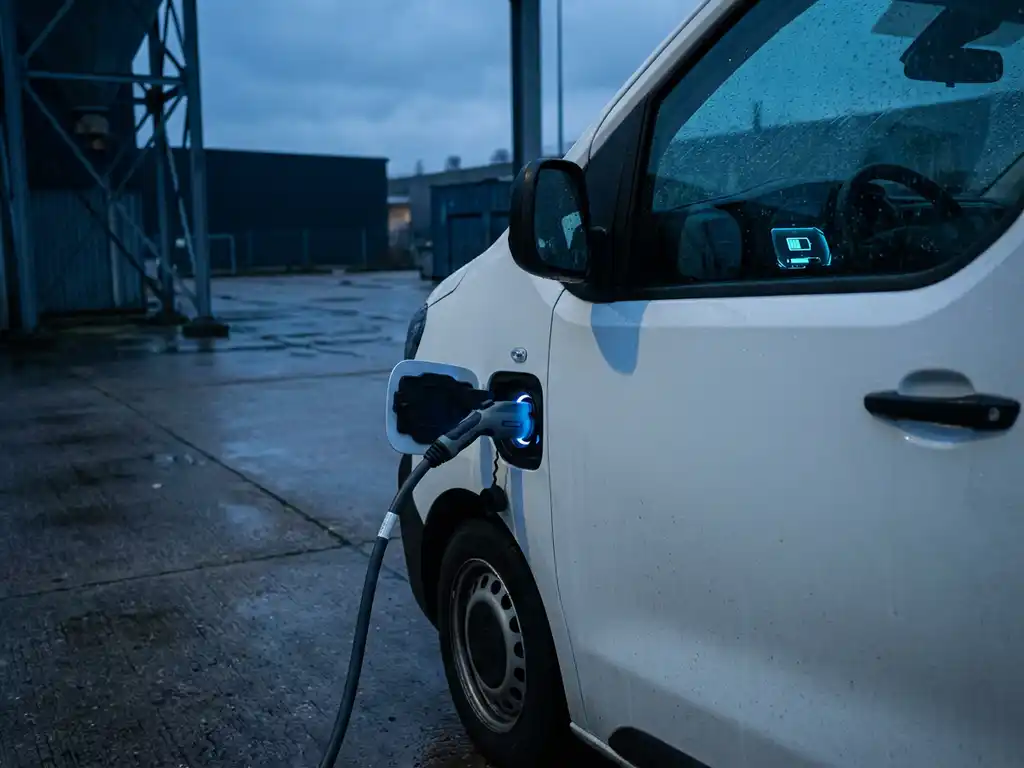
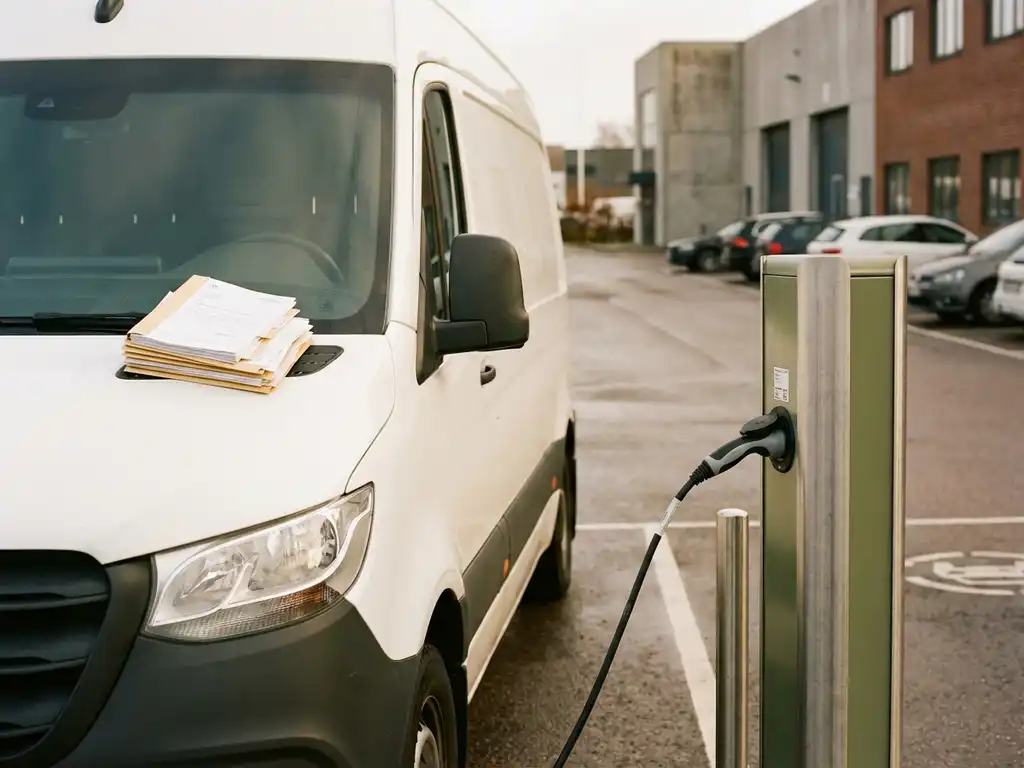
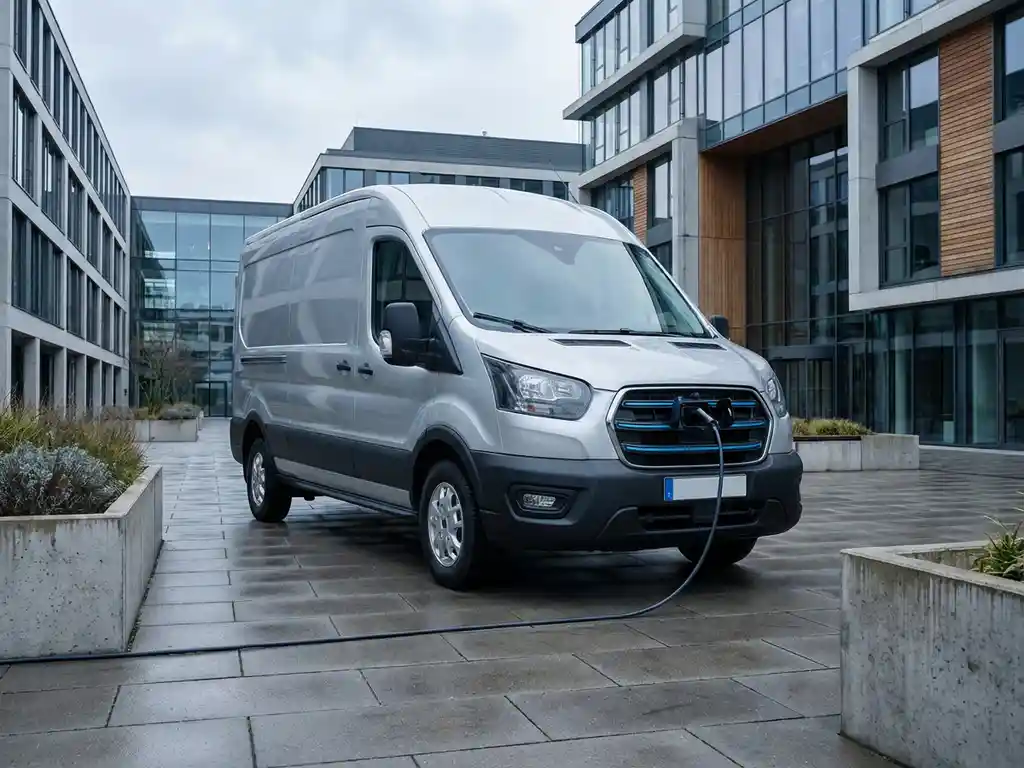
Yes, electric company buses Double-cab models are available and the range is growing rapidly. Brands such as Volkswagen, Mercedes-Benz, Ford, Renault and Citroën now offer electric versions of their most popular models, including double-cab variants. This is making electric driving increasingly accessible to business owners who need to transport both people and goods.
Available models
- Volkswagen ID. Buzz Cargo (an extension to a double cab is expected)
- Mercedes-Benz eSprinter double-cab version
- Ford E-Transit double cabin
- Renault Master E-Tech double cabin
- Citroën ë-Jumper double cabin
Is electric driving practical for a double-cab bus?
An electric double-cab commercial van is well suited to frequent use within a region or for regular daily journeys. The range of modern electric vans is typically between 200 and 350 kilometres, depending on the load and driving style. For longer journeys or irregular use, it is advisable to thoroughly map out the charging infrastructure around your work sites.
The tax benefits of leasing electric company cars are attractive. These include a lower additional tax liability, subsidies under the SEEH scheme for charging points, and favourable MIA/Vamil depreciation allowances. This makes the switch to electric vehicles financially attractive for many business owners, even though the purchase prices of electric vehicles are higher than those of comparable diesel models.
How we can help you find the right double-cab commercial van
At Van den Hurk Commercial Vehicles, we provide practical help in finding the double-cab commercial van that suits your work, your team and your budget. With over 60 years’ experience in the Helmond and North Brabant region, we know the market inside out, and we’re happy to work with you to find the best option.
Here's what we can do for you:
- Personalised advice based on your usage, team size and loading requirements
- A wide range of used and new commercial vans, including double-cab models
- Flexible options for both purchase and lease, tailored to your situation
- Guidance on tax classification and comparing models
- A range of electric commercial vehicles for those looking to become more sustainable
Would you like to know which double-cab commercial van is currently available? Please get in touch with us or take a look at our current offer online. We’re happy to help you every step of the way, from initial advice right through to delivery.