
How high is the insurance premium for a small van?
Insurance premium for a small van is a recurring issue for many business owners. Whether you just want to buy a small van for your sole proprietorship or expand your fleet with a double-cab van: the amount of the premium depends on more factors than you might think. In this article, we give you a clear overview of everything you need to know about insuring a small van.
From average costs to smart ways to save on your premium, we answer the most frequently asked questions directly and concretely. This will help you as a business owner make an informed choice, whether you opt for a traditional van, an electric commercial vehicle via lease or a vehicle with a special body.
What is an insurance premium for a small van?
A small van insurance premium is the amount you pay periodically to an insurer in exchange for coverage in case of damage, theft or liability. This amount differs from a passenger car insurance because a van is used for business purposes and therefore has a different risk profile. The premium covers costs arising from damage you or a third party suffers while using the vehicle.
A small van generally falls into the light commercial vehicle category, with a maximum payload of about 1,000 to 1,500 kilograms. Insurers assess this type of vehicle differently from a passenger car: it drives more often, sometimes with heavy cargo, and is used by several people. This makes the premium structure more complex than for an ordinary car.
The premium consists of several components, depending on the level of cover you choose. In any case, you pay for the legally required liability insurance, but you can choose additional coverages on top of that. The final premium is a combination of the risk estimated by the insurer and the cover you choose.
How much does insuring a small van cost on average?
The average insurance premium for a small van is roughly between 600 and 1,500 euros per year for basic (third-party) cover, depending on the vehicle, driver and use. For more comprehensive cover, such as all-risk, this amount rises to 2,000 euros or more per year. These are indicative ranges; the actual premium varies greatly depending on the situation.
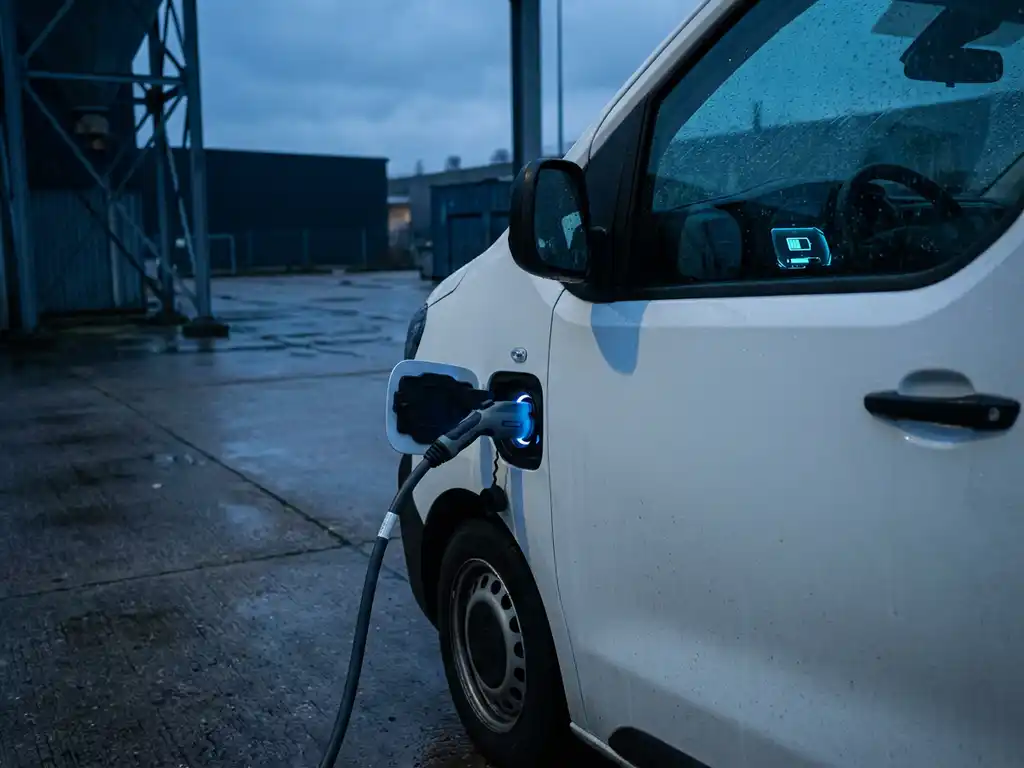
For a self-employed person with a simple small van and a claim-free driving history, the premium may be at the low end of this spectrum. For a company with multiple drivers, a newer van or a vehicle with a special body, such as a refrigerated van, the premium is usually higher. A electric company car sometimes has a higher purchase value, which can drive up the premium under all-risk.
Always compare several insurers before making your choice. Premiums can vary widely for the same vehicle and profile. Many entrepreneurs therefore choose to request quotes through an insurance advisor or intermediary so that they can compare not only on price but also on terms and conditions.
What factors determine the amount of the insurance premium?
The level of insurance premium for a small van is determined by a combination of vehicle features, usage pattern and driver profile. Insurers weigh all these elements to assess the risk. The higher the risk, the higher the premium.
Vehicle-related factors
The catalogue value and year of construction of the van play a big role. A newer or more expensive van costs more to replace or repair, which increases the premium. The type of vehicle also counts: a van with a double cabin or a vehicle with a special body, such as a refrigerated van or wheelchair van, has a different risk profile than a standard box van.
Use-related factors
The number of miles you drive each year directly affects the premium. The more you drive, the higher the risk of damage. Insurers also ask about the type of use: does the van drive only in the region, or also internationally? Is the vehicle used to transport goods, people or hazardous materials? All these elements help determine the amount of the premium.
Driver-related factors
Your claim-free driving history is one of the most heavily weighted factors. The more claim-free years you have accumulated, the lower the premium. Younger drivers or those with a recent claims history tend to pay more. If several drivers use the van, the insurer will also ask about their age and driving experience.
Other factors
- The postcode of the vehicle's location (urban areas count as higher risk)
- The presence of security devices, such as an alarm or GPS tracker
- The chosen excess
- The industry you operate in
What is the difference between third-party, limited collision and all-risk for a van?
Third-party liability (WA) only covers damage you cause to others. Limited casco adds limited cover for your own damage, such as theft, fire or windscreen damage. All-risk also covers damage to your own vehicle, regardless of who is at fault. These are the three common levels of cover for a small van.
WA: the basic insurance
Third-party insurance is required by law for any vehicle on public roads. It covers you for damage you cause to others, but not for damage to your own van. For older vehicles with a low daily value, this is often the most logical choice, as the premium is low and more comprehensive cover does not justify the cost.
Limited caseload: the middle ground
Limited-casualty adds a number of extra coverages on top of third-party liability. These include damage caused by fire, theft, storm, hail or a collision with an animal. Windscreen damage is also often included. However, this does not yet include damage from a collision you cause yourself. This level of cover is popular for vehicles of average value.
All-risk: the comprehensive cover
With all-risk, you are also covered for damage to your own vehicle that you caused yourself. This is the most comprehensive and most expensive option. For new or valuable vans, such as an electric commercial vehicle, all-risk is often wise. The higher purchase value justifies the extra premium, as a repair or replacement could otherwise be a big financial hit.
How can you reduce your van insurance premium?
You can lower the insurance premium for a small van by deliberately choosing a higher deductible, making the most of your claims-free driving history, taking security measures and actively comparing insurers. If you combine these steps, you can sometimes save hundreds of euros a year.
A higher deductible means you pay a larger portion yourself in case of damage, but the monthly premium decreases as a result. This is a wise choice if you expect little damage and have a buffer for unexpected costs. Just make sure the deductible is not so high that you will be in trouble for a small claim.
Security measures, such as an approved alarm, a GPS tracker or a fire box for tools, reduce the risk of theft. Insurers sometimes reward this with a lower premium. Always check if your insurer includes this in the calculation.
- Choose a level of cover appropriate to the daily value of your vehicle
- Actively build your claim-free driving history by paying for minor damages yourself
- Compare annual premiums with different insurers
- Consider fleet insurance if you have multiple vehicles
- Install approved security equipment
- Choose a higher deductible if financially feasible
Do you have several vans in use? Then fleet insurance could be interesting. You then insure all vehicles under one policy, which is administratively simpler and often cheaper per vehicle.
When is separate commercial vehicle insurance necessary?
A separate company car insurance is necessary as soon as you use a vehicle for business, even if it is only partially so. In most cases, standard car insurance does not cover damage incurred during business use. If you use a van for work, you are legally obliged to insure it correctly.
The distinction between business and private use is relevant for insurers. If your employee drives the van to a customer and damage occurs, the insurance should cover it. Private car insurance usually does not. The consequences of incorrect insurance can be major: the insurer may refuse to pay out in case of damage.
Additional requirements apply to vehicles with special equipment, such as a refrigerated van, a wheelchair van or a van with a fixed superstructure. This is because the superstructure itself is not always automatically covered by the standard coverage. Always check whether your vehicle's fittings are covered, or take out additional cover for them.
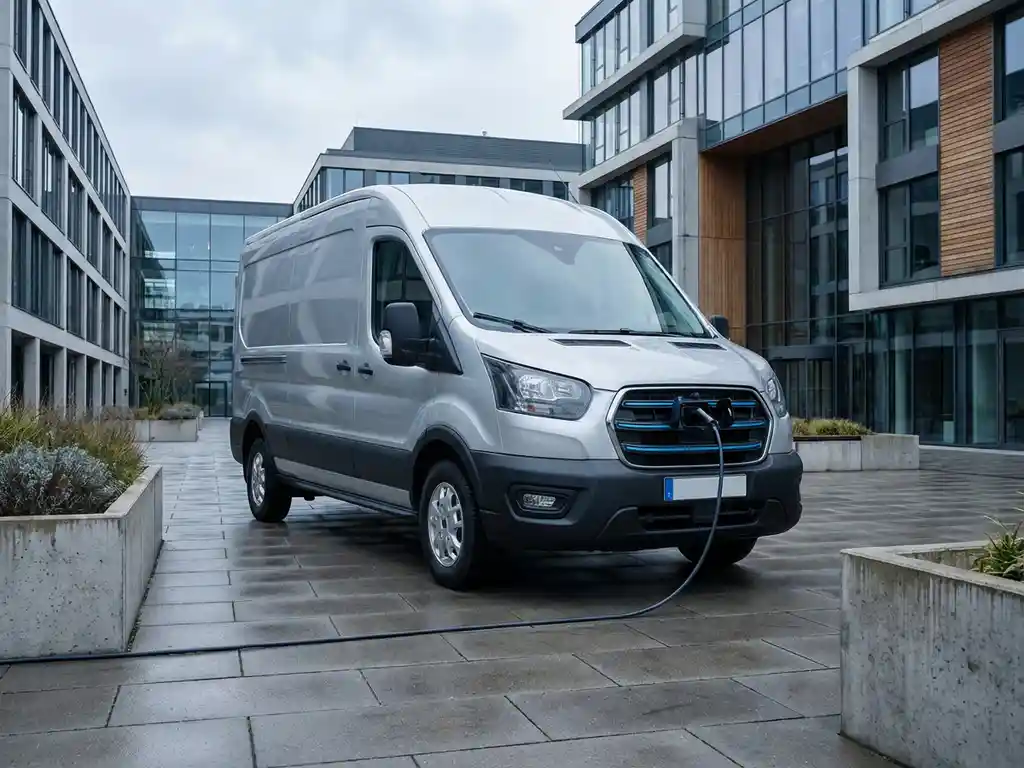
Even for an electric company car you drive via lease, it is good to check what the leasing company insures and what you need to arrange yourself. Sometimes insurance is included in the lease package, but the terms and conditions and level of cover can vary greatly.
How we help you choose the right van
Good insurance starts with the right vehicle. With us, you will find a wide range of small vans, double-cab vans and electric commercial vehicles, all tailored to business use. We will gladly think with you about which vehicle suits your operations, budget and insurance picture.
What we can do for you:
- Advice on the right type of van for your industry and use
- A transparent overview of our stock, including electric utility vehicles
- Flexible options for purchase or lease, also for sole traders and SMEs
- Personal assistance from advice to delivery
- Understanding which vehicle features affect your insurance premium
Want to know which small van is best for your situation? Then contact us or take a look at our current offer. We will be happy to help you choose one that suits your work, your budget and your insurance costs.