
On average, how much load space does a small van have?
If you’re thinking of buying or leasing a small van, load space is probably one of the first things you’ll want to know about. How much can it actually carry? And is that enough for your work? The answers to these questions will go a long way towards determining which vehicle is best suited to you. In this article, we answer the most frequently asked questions about load space in small vans, so that you can make an informed choice.
Whether you’re a self-employed tradesperson transporting tools, run a delivery service, or are looking for an electric commercial vehicle on a lease: understanding the load space will help you make the right choice, without any nasty surprises later on.
On average, how many m³ of load space does a small van have?
A small van has an average load capacity of between 2.5 and 4.5 cubic metres. This varies depending on the model and body style. Compact models such as the Volkswagen Caddy or Renault Kangoo are at the lower end of this range, whilst slightly larger variants within the small class tend to be around 4 to 4.5 m³.
It is important to understand that “small van” is not an official technical category, but a common term for vehicles with a payload of up to approximately 1,000 kilograms and a gross vehicle weight of less than 2,500 kilograms. There are significant differences within this class. A standard body with a low roofline offers less volume than a high-roof variant, even though the external dimensions are similar.
If you want to get the most out of a small van, it’s a good idea to look at models with an extended wheelbase or a raised roof. These can sometimes offer up to 4.6 or even 5 m³ of load space, which puts them very close to the capacity of medium-sized vans.
What is the difference in load capacity between small and medium-sized vans?
The difference in load capacity between small and medium-sized vans is considerable: small vans typically offer 2.5 to 4.5 m³, whilst medium-sized models such as the Ford Transit Custom or Volkswagen Transporter start at 5 m³ and can reach 8 m³ or more.
As well as volume, there is also a clear difference in load capacity. Small vans can carry an average of 500 to 900 kilograms, whilst medium-sized models can easily handle 1,000 to 1,500 kilograms. For light goods or small deliveries, a small van is often more than adequate, but anyone who regularly transports heavy or bulky goods is better off with a larger model.
When should you choose a small van?
A small van is a smart choice if you:
- mainly drives in the city or built-up areas where parking is limited
- transports relatively light or compact goods
- want to reduce fuel or energy costs thanks to the lower weight
- is looking for a vehicle that can also be used as a passenger car, such as a company van with double cabin
The choice between a small and a medium-sized vehicle is not just about volume, but also about handling, ease of parking and total running costs. A smaller vehicle is more manoeuvrable and more fuel-efficient, but has its limitations when it comes to carrying large loads.
What are the dimensions of the load compartment in a small van?
The load compartment of a small van typically has the following dimensions: a length of 150 to 200 centimetres, a width of 120 to 145 centimetres and a height of 115 to 135 centimetres. These are internal dimensions, which may vary depending on the model.
Please note that the width between the wheel arches is often narrower than the total interior space. In many small vans, the width between the wheel arches is only 100 to 115 centimetres. This is important if you want to transport pallets, pipes or wide items, as these must fit exactly between the wheel arches.
Loading length and loading sill
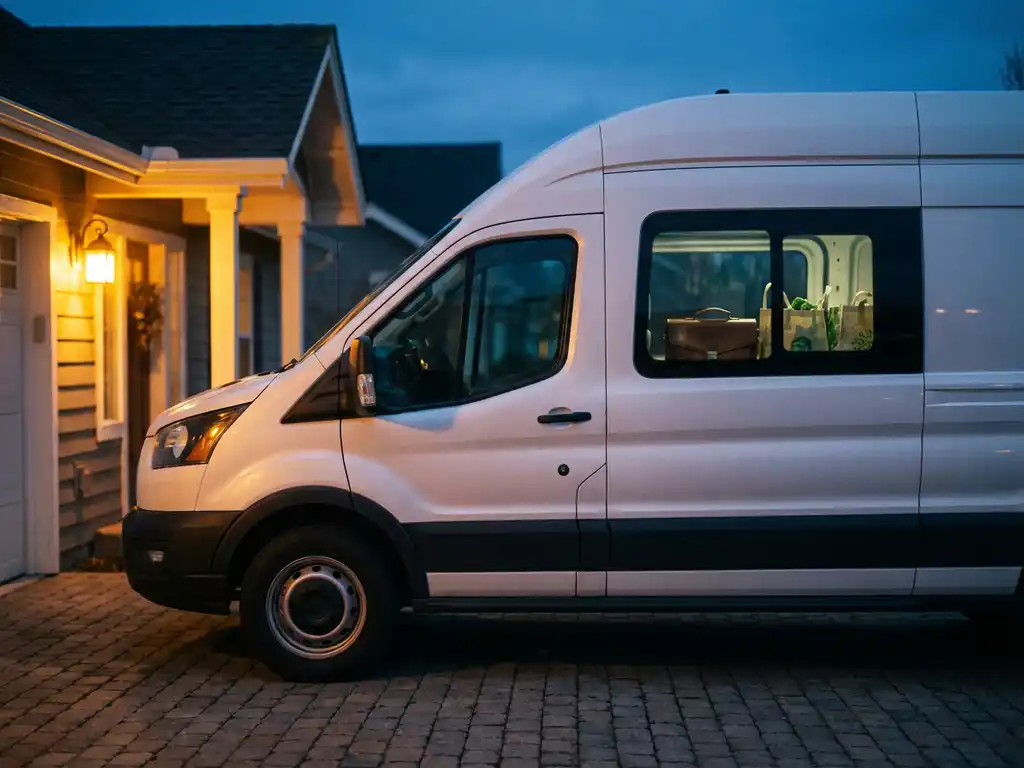
As well as width and height, load length is an important factor, particularly when transporting long items such as pipes, planks or ladders. For small vans, the maximum load length without a through-loading opening is usually between 150 and 180 centimetres. Some models feature a fold-down passenger seat or a through-loading hatch, which allows you to significantly increase the effective load length.
The loading sill height – that is, the height at which you load and unload goods – also varies. A lower loading sill makes the work less physically demanding, which is a bonus if you’re loading and unloading a lot every day. This is a detail that is sometimes overlooked in manufacturers’ specifications, but makes a big difference in practice.
How much load space do you need for your work?
How much load space you need depends on the type of goods you’re transporting, how often you drive and whether you also carry passengers. As a rule of thumb, calculate the volume of your average daily load and add a 20 to 30 per cent buffer for flexibility.
Different professions have different requirements when it comes to load space:
- Plumbers and electricians: They require relatively little space, but do need clever storage solutions for tools and materials. A small van with a capacity of 3 to 4 m³ is often sufficient.
- Painters and plasterers: transporting ladders, buckets and scaffolding equipment. A longer loading length and, if necessary, a roof rack are more practical in this case.
- Delivery services: We actually need volume for parcels. In this case, the total cubic metres are more important than the specific dimensions.
- Patient transport: requires specific facilities, such as wheelchair access. A standard loading bay is not sufficient here.
You might also want to consider whether you sometimes give colleagues a lift. In that case, a double-cab company van is an interesting option: it combines extra seating with a load area at the back. The total load volume is smaller, but it offers greater flexibility.
Does a small electric van have less load space?
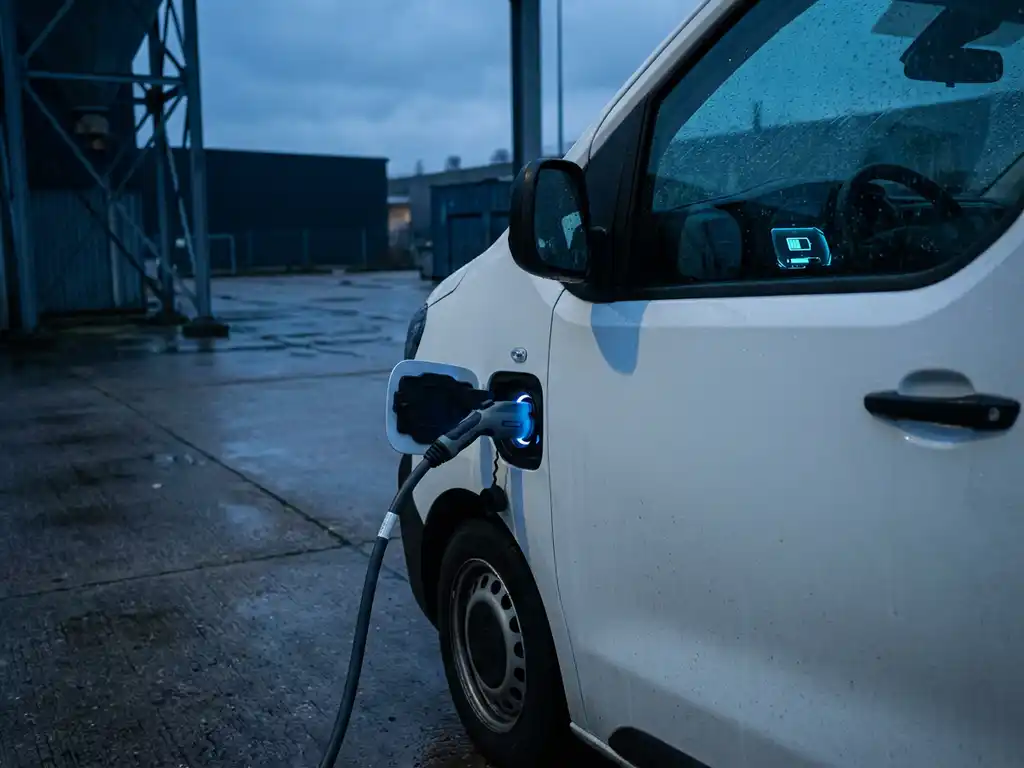
In most cases, a small electric van has no less load space than its fuel-powered equivalent. Modern electric models are designed with the batteries positioned under the floor, meaning that the load space remains comparable to that of the diesel version of the same model.
There are, however, a few caveats. In older or cheaper electric vans, the positioning of the battery can sometimes compromise the floor height or the load capacity. You should therefore always check the specifications of the specific electric model you are considering and compare them directly with the petrol or diesel version.
Electric commercial vehicle leasing and load space
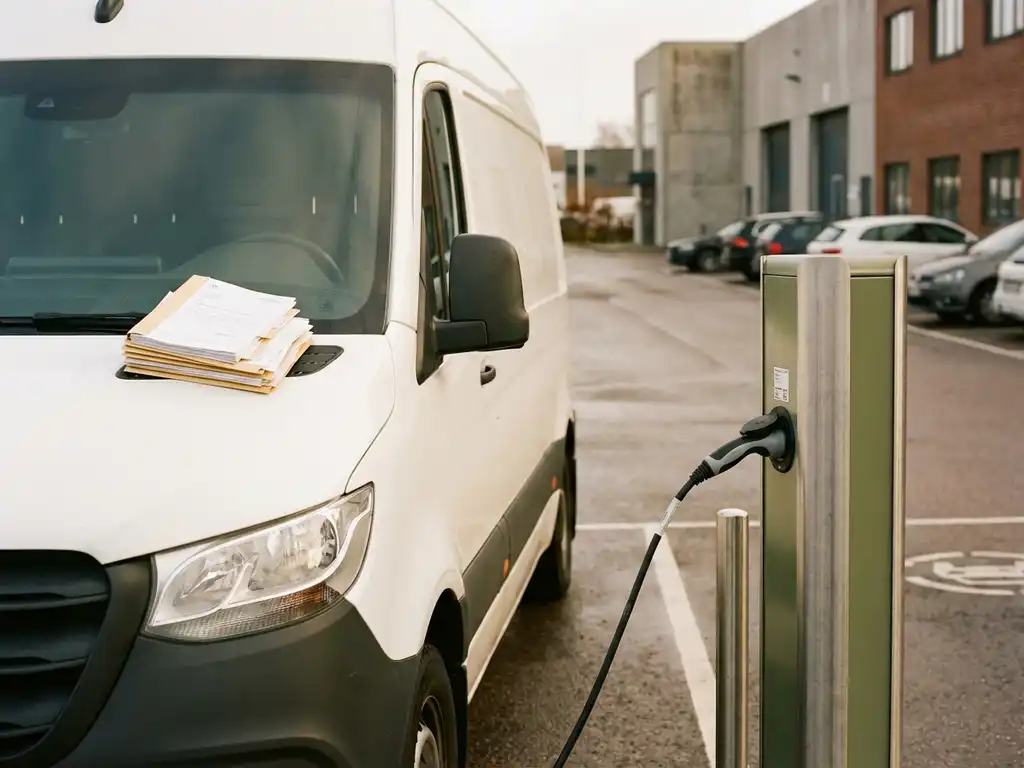
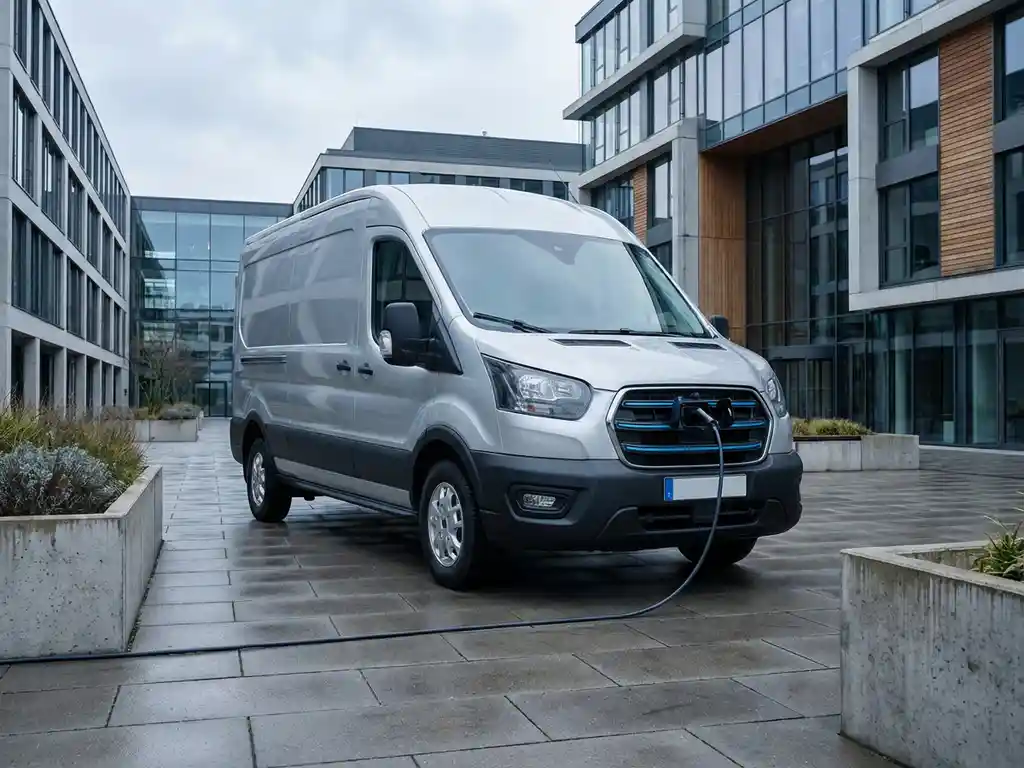
If you’re thinking of buying a electric company car When it comes to leasing, cargo space is certainly not a reason to rule out electric vehicles. Popular small electric vans such as the Renault Kangoo E-Tech or the Volkswagen ID. Buzz Cargo offer a similar load space to their conventional counterparts, sometimes even with a flatter floor thanks to the absence of a traditional powertrain.
One thing that does differ with electric models is the payload capacity in kilograms. Due to the greater weight of the batteries, the net payload capacity is sometimes slightly lower. This is an important point to bear in mind if you’re transporting heavy loads. For most everyday uses, however, you’ll hardly notice the difference in practice.
What should you look out for when comparing boot space?
When comparing load space between small vans, you need to look beyond just the stated cubic metres. Manufacturers sometimes measure load space in different ways, which means that models with the same volume can feel very different in practice.
Please note the following points:
- Internal height: Can you stand upright in the load compartment? This makes loading and unloading much easier.
- Width between the wheel arches: This is the actual usable width for placing goods.
- Loading sill height: A low threshold reduces the physical effort required for everyday use.
- Presence of a side door: A sliding door on the side significantly improves accessibility.
- Layout options: Can the load compartment be fitted with shelves, drawers or a fixed floor? This determines how practical the space ultimately is.
- Payload in kilograms: A large load space is of little use if the maximum weight is reached all too quickly.
Ideally, you should always compare manufacturers’ technical specification sheets side by side and, if in doubt, ask for a practical demonstration. Only then can you be sure that a small van will meet your needs in day-to-day use.
How we help you choose the right van
At Van den Hurk Commercial Vehicles, we understand that load space is a decisive factor for many business owners. That’s why we don’t just help you find a vehicle, but also help you make the right choice based on your specific business activities and transport needs.
What we can do for you:
- tailored advice on which model and body style best suits your work
- an extensive range of small vans, including electric models and double-cab versions
- flexible options for both purchasing and leasing electric company cars
- personalised support from the initial contact right through to delivery
- a handy stock alert service, so you’re the first to know when new vehicles become available
Would you like to know which small van is best suited to your needs? Please get in touch with us or take a look at our current offer. We’d be happy to discuss this with you, with no obligation.