
What is the best small van for city deliveries?
City deliveries place high demands on your vehicle. You spend the whole day driving through narrow streets, looking for parking spaces, loading and unloading several times a day, whilst aiming to work as efficiently as possible. A small van is the logical choice for many business owners and delivery drivers, but which one best suits your situation? And what really makes a city van suitable for everyday use in the city?
In this article, we answer the most important questions about choosing a small van for urban deliveries. Whether you’re looking for a want to buy a small van, is thinking about an electric company car on a lease Or if you simply want to know which model offers the most boot space: you’ll find clear answers here to help you make your decision.
What is a small van, and when do you need one?
A small van is a light commercial vehicle with a payload of up to around 1,000 kilograms and a load space of typically 2.5 to 5 cubic metres. Examples include models such as the Volkswagen Caddy, Renault Kangoo, Ford Transit Connect and Citroën Berlingo. They are more compact than a large van, but offer enough space for most delivery jobs.
You need a small van if you regularly transport goods in urban areas but don’t require the capacity of a large van. They are ideal for courier services, tradespeople, florists, caterers and other business owners who make several stops every day. Their smaller size makes parking and manoeuvring in the city considerably easier.
When is a small van not enough?
Do you transport large or heavy goods, or do you work with a team of several people? If so, a double-cab van are more interesting. These combine extra seating with a load compartment or open flatbed, which is handy for construction or installation firms. For purely urban delivery work, however, a small van is usually the smartest choice.
What requirements must a delivery van meet for urban delivery?
Urban delivery specifically requires a vehicle that is manoeuvrable, economical in stop-and-go traffic, easy to load and unload, and preferably compliant with the environmental zones that an increasing number of cities are implementing. Compact external dimensions, a low loading floor and an efficient engine are the key technical requirements in this regard.
As well as technical specifications, practical factors also play a role. Consider the accessibility of the load compartment: does the van have sliding doors on the side? Can you open the rear fully? How high is the threshold? Details like these determine how quickly you can load and unload at each stop, and that makes a big difference when you’re making dozens of stops a day.
- Agility: A small turning circle and compact width make it easier to manoeuvre in narrow streets
- Environmental performance: comply with Euro 6 or drive emission-free to gain access to low-emission zones
- Ease of loading: sliding doors, low loading floor and a wide rear opening
- Economy: low fuel consumption or electric driving when covering a lot of kilometres in town
- Reliability: minimal downtime, because any stoppage costs you revenue straight away
Driver comfort is also a key factor. A good seating position, a clearly laid-out dashboard and modern driver assistance systems help to reduce fatigue during long working days in the city.
What are the best small vans for city deliveries?
The best small vans for urban deliveries are models that combine compact exterior dimensions with a practical load space, low running costs and good parts availability. Popular and tried-and-tested choices include the Volkswagen Caddy, Renault Kangoo, Ford Transit Connect, Citroën Berlingo and the Peugeot Partner.
Volkswagen Caddy
The Caddy is renowned for its ride comfort and build quality. It is slightly narrower than some of its competitors, which makes it a pleasure to drive in city traffic. The load space is well utilised and the finish is of a high standard. An electric version is also available: the Caddy Cargo e-Caddy.
Renault Kangoo
The Kangoo has been a favourite in urban logistics for many years. It offers a remarkably spacious load compartment for its class and is available as a fully electric version (the Kangoo E-Tech). The wide side sliding door and low load floor speed up loading and unloading.
Ford Transit Connect
The Transit Connect offers a good balance between load space, driving performance and price. Ford has an extensive dealer network, which makes servicing and repairs easy. The long-wheelbase version offers extra load length without making the van unwieldy in town.
Citroën Berlingo and Peugeot Partner
These two models share the same technical platform and are therefore virtually identical in practice. They offer a spacious load compartment, a practical layout and are available as electric models. They offer excellent value for money, particularly in the second-hand market.
Is an electric van better for city driving?
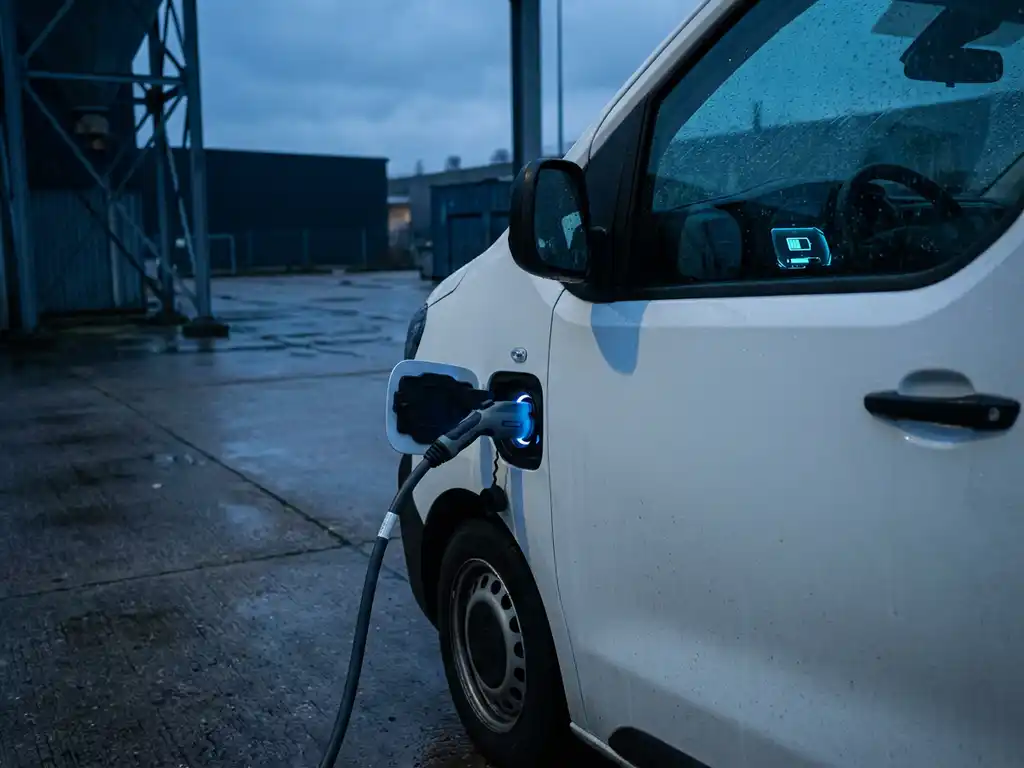
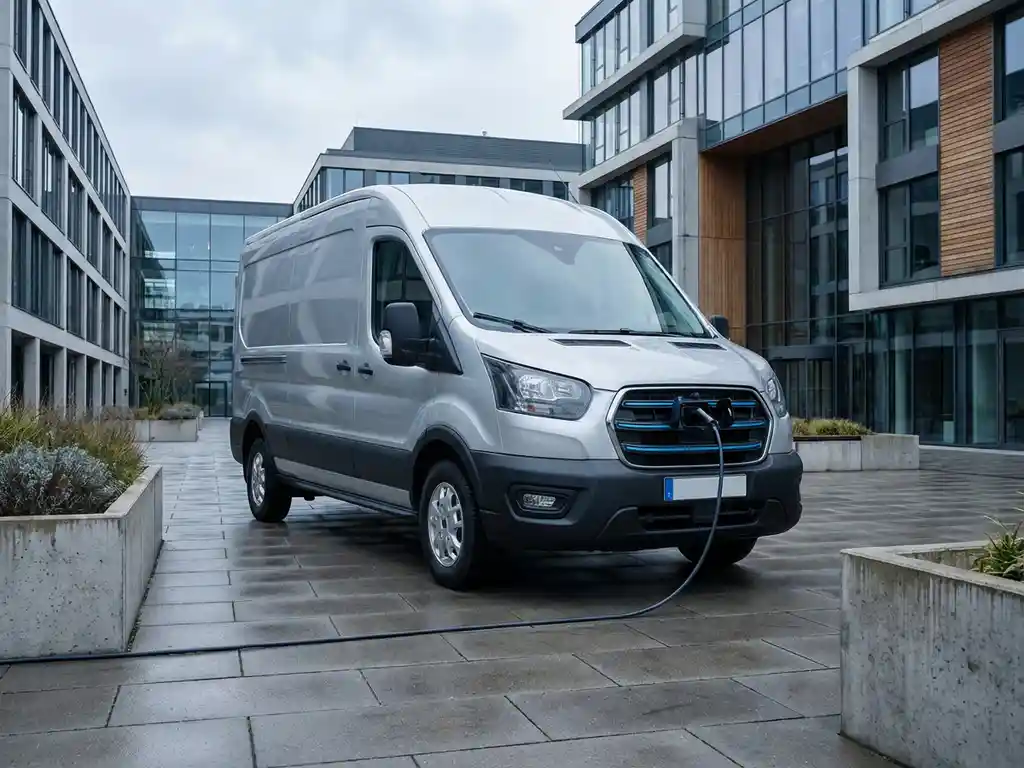
For city deliveries, a electric van In many cases, it’s a better choice than a fossil-fuel-powered version. Stop-and-go driving in the city is well suited to an electric motor: you use less energy at low speeds and benefit from regenerative braking. What’s more, with an electric van, you have access to an increasing number of low-emission zones where diesel vehicles are banned.
The benefits of electric driving in urban areas are clear. You have lower fuel costs per kilometre, less maintenance because there are fewer moving parts, and you drive silently, which is pleasant in residential areas early in the morning. On the other hand, the range is limited, although this isn’t a problem for most city journeys: most electric city vans can cover 200 to 300 kilometres on a single charge.
When is an electric vehicle less suitable?
Do you need a large load space, do you also drive long distances outside the city, or are you unable to charge at home or at your business premises? If so, an electric van may be less practical. In such cases, a hybrid model or a fuel-efficient Euro 6 diesel engine may be a better alternative. The choice depends heavily on your daily driving profile.
An electric company car on a lease For many business owners, it is an attractive way to drive an electric vehicle without having to make a large upfront investment. Leasing spreads the costs and gives you the flexibility to switch to a newer model once the contract period is over.
What should you bear in mind when buying or leasing a city van?
When buying or leasing a small van for urban deliveries, you should consider the total cost of ownership, the available load space, the reliability of the make and access to low-emission zones. Don’t just look at the purchase price or the lease rate; also work out how much the vehicle will cost you per kilometre, including fuel, maintenance and insurance.
Buying or leasing: which is right for you?
If you want to buy a small van, once you’ve paid it off you’ll have no further monthly commitments and you can customise the vehicle as you see fit or trade it in. Leasing gives you greater financial predictability, and with a finance lease, you can take ownership of the vehicle at the end of the contract. An operational lease is a good option if you want to drive a new and well-maintained vehicle at all times without having to worry about the residual value.
- Mileage: How many kilometres do you drive each year? This determines whether buying or leasing is better value for money
- Environmental zone requirements: Check which zones you drive into every day and which emission class is required
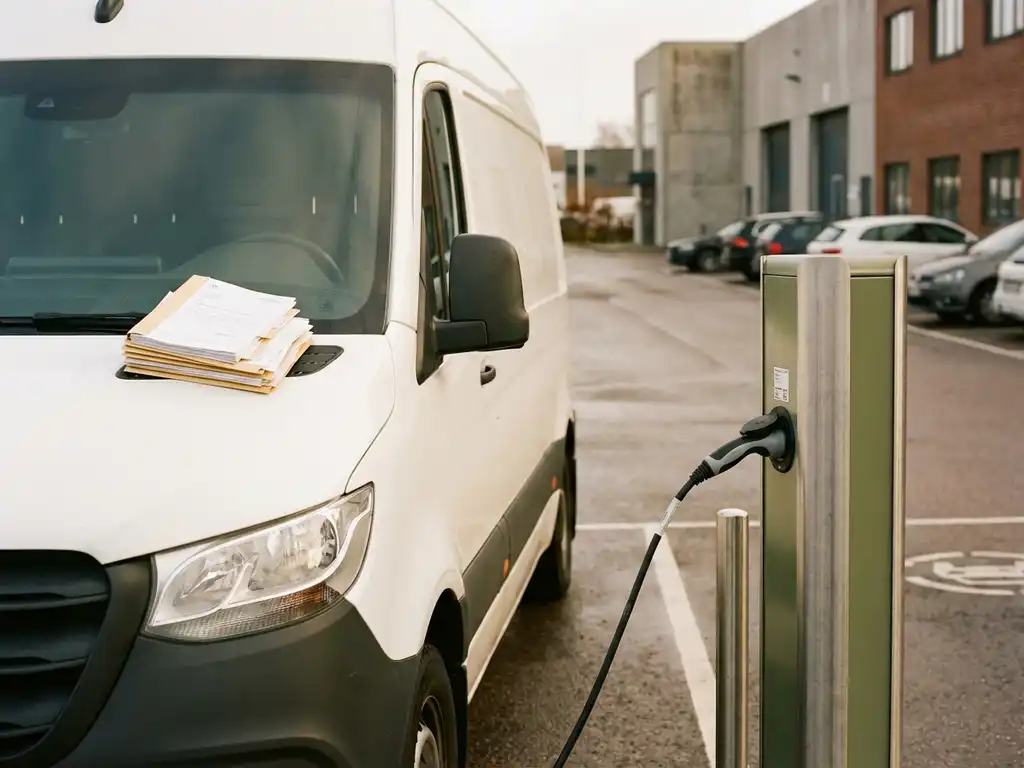
- Charging infrastructure: Can you charge your vehicle at your own premises, or do you use public charging points?
- Warranty and maintenance: Is a service contract or warranty included?
- Residual value: When buying, the residual value is a key factor in your final total cost
You should also take the tax benefits into account. Electric company cars may be eligible for grants or favourable tax schemes, which significantly reduce the net cost.
Which small van has the largest load space?
In the small van category, the Renault Kangoo Cargo generally offers the largest load space, with a volume of around 3.9 cubic metres in the standard version and a load length of over 1.8 metres. The long-wheelbase Ford Transit Connect and the Peugeot Partner L2 also score highly in terms of load volume within this vehicle class.
It is important to consider not only the total volume, but also the usable dimensions. A high load compartment makes it easier to stack boxes upright. A wide rear opening and a low loading height speed up the loading process. And a flat load floor without wheel arches protruding into the load compartment gives you more usable floor space.
Load capacity versus external dimensions
A larger load space does not automatically mean a larger van. Manufacturers are becoming increasingly adept at optimising interior space. When making your choice, always compare the vehicle’s external length and width with its internal load dimensions. That way, you can be sure you’re choosing a vehicle that fits through the narrow streets of your working area, whilst still offering maximum load capacity.
How we help you choose the right small van
At Van den Hurk Commercial Vehicles, we’re happy to help you find the small van that best suits your work in the city. We have over 60 years’ experience in the sale and leasing of commercial vehicles and understand the practical needs of business owners in the region. Whether you want to buy a small van or would prefer to lease an electric commercial vehicle, we’ll work closely with you to find the right solution.
What we can do for you:
- Personalised advice based on your driving profile, charging needs and budget
- A wide range of used and new city vans, including electric models
- Flexible leasing options, including both finance and operating leases
- Transparent prices with no hidden costs
- A handy stock alert service, so you’re the first to know when the right vehicle becomes available
Please get in touch with us or take a look at our current stock on the website. We’ll help you find the right van for your city deliveries quickly and without any fuss.