
How much will it cost to buy a small van in 2026?
Buying a small van is a big decision for many business owners. Whether you’re a self-employed person buying your first van or an SME expanding your fleet, the costs can quickly add up. In this article, we answer the most frequently asked questions about buying a small van in 2026, so that you’re well prepared to make the right choice.
From the purchase price to additional costs, from new versus used to the question of when leasing is the smarter option: we’ve set everything out clearly for you. That way, you’ll know exactly where you stand before you buy a small van.
What will be the average purchase price of a small van in 2026?
The average purchase price of a small van in 2026 will be between 15,000 and 35,000 euros for a new vehicle, depending on the make, model and engine type. For a second-hand small van, you’ll typically pay between 8,000 and 20,000 euros, depending on its age, mileage and condition.
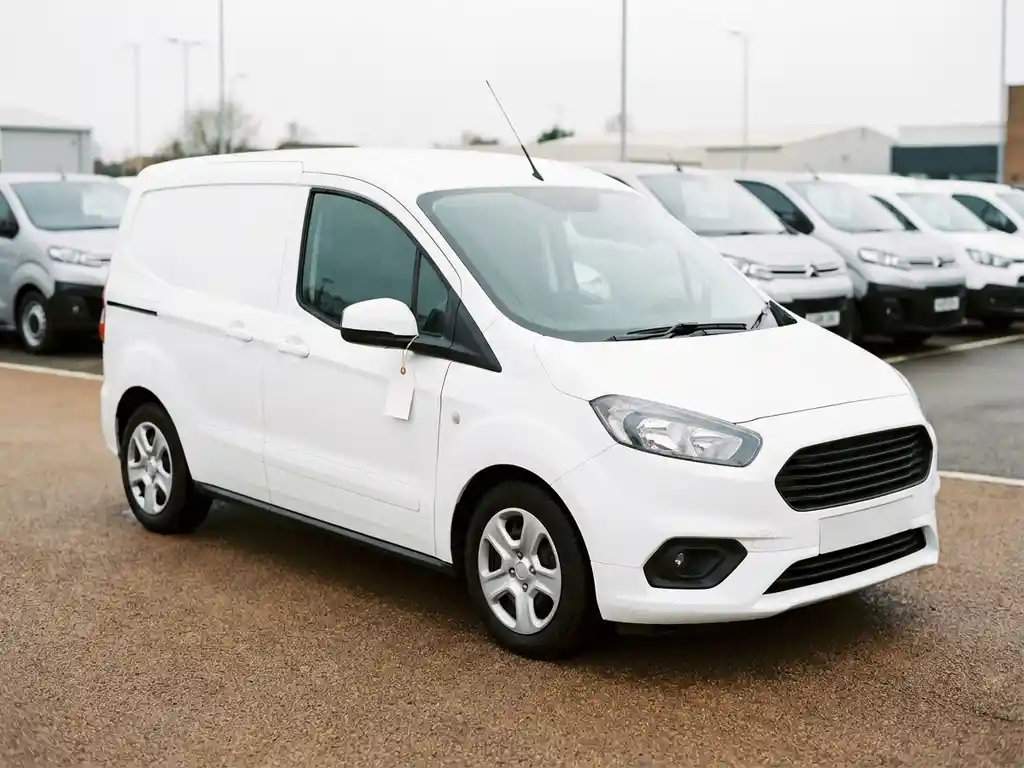
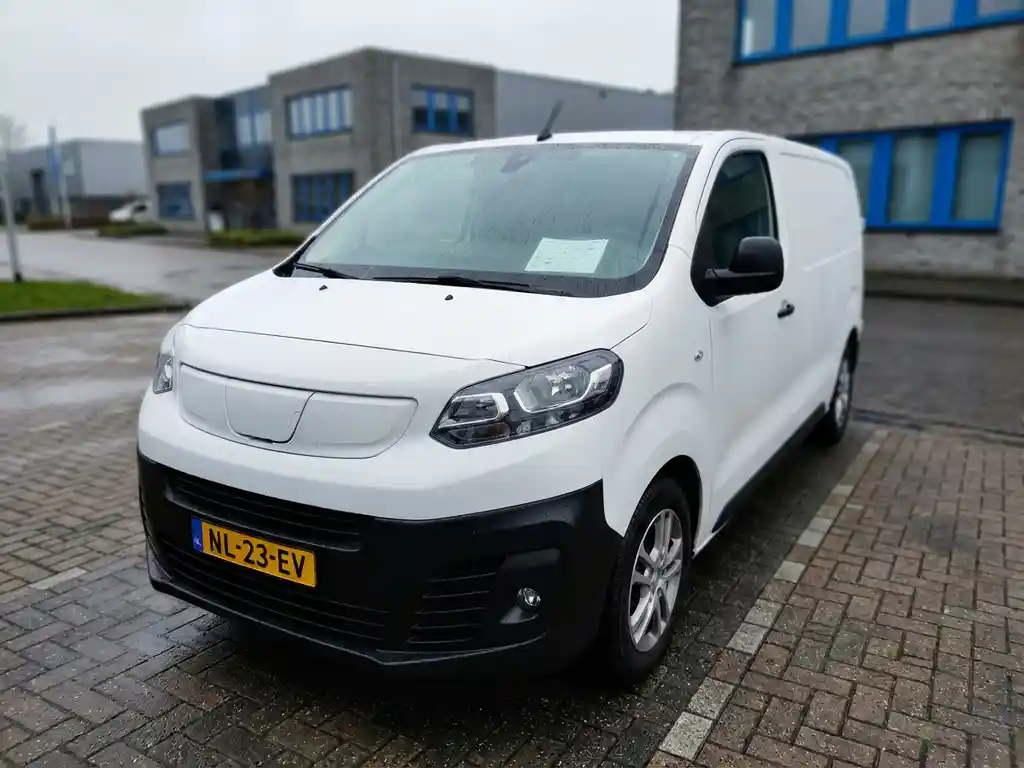
The price range is wide because the ‘small van’ segment encompasses many different vehicles. These include popular models such as the Volkswagen Caddy, Renault Kangoo, Ford Transit Connect, Citroën Berlingo and the Opel Combo. These vehicles are available as standard vans, but also as double-cab van, which significantly increases the price. A double-cab version can easily cost between 3,000 and 6,000 euros more than the standard model, as it includes extra seats and a separate cab.
Electric small vans
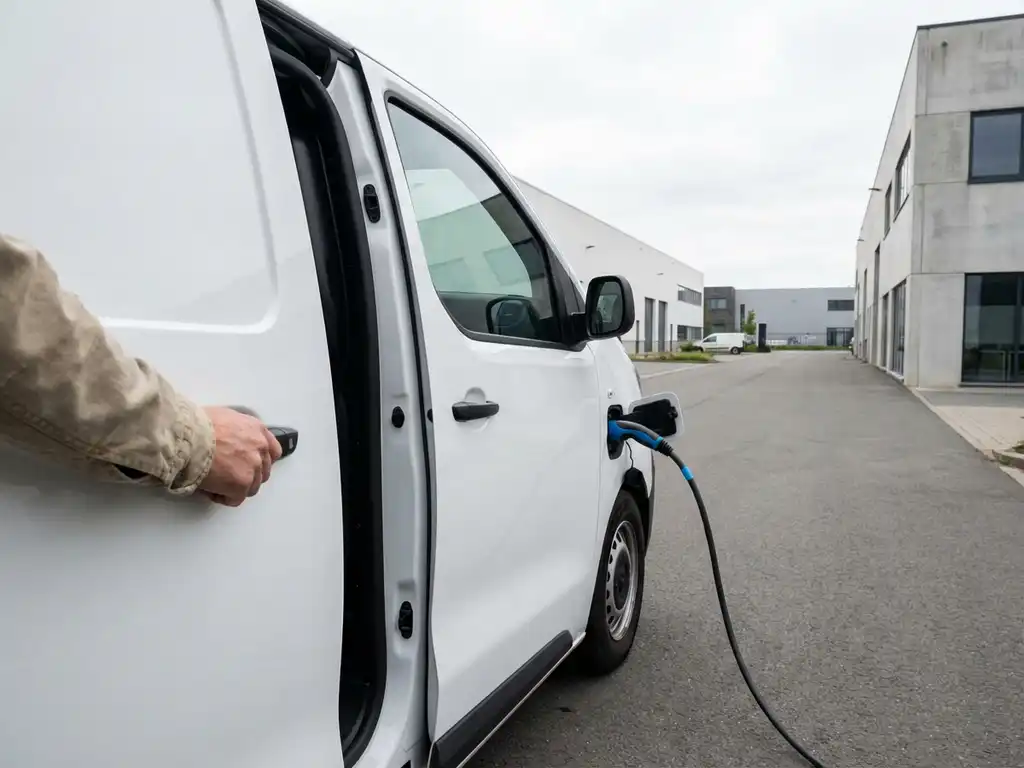
Electric versions of small vans will become increasingly common in 2026, but they will also be more expensive to buy. A new electric small van can easily cost between 30,000 and 45,000 euros. Models such as the Renault Kangoo E-Tech, Citroën ë-Berlingo and Volkswagen Caddy Electric fall into this category. The higher purchase price is partly offset by lower running costs, tax benefits and lower maintenance costs in the long term.
Please bear in mind that the exact price depends heavily on the options you choose. Extra boot space, a tow bar, air conditioning or a specific colour: all these choices affect the final price. Always ask for an itemised quote so that you know exactly what you’re getting for your money.
What additional costs should you factor in when making a purchase?
As well as the purchase price itself, there are always additional costs involved in buying a small van. You should allow for a total of 10 to 20 per cent on top of the list price to cover costs such as insurance, tax, fitting-out and maintenance in the first year.
A summary of the main additional costs:
- Motor Vehicle Tax (MRB): Special rates apply to commercial vehicles. Fully electric vans are exempt from motor vehicle tax (MRB) until the end of 2025, but this is set to change in the coming years. Please check the current rates with the Tax and Customs Administration.
- Insurance: Commercial third-party liability insurance for a small van costs on average between 500 and 1,500 euros a year, depending on the cover, use and claims history.
- BPM: Vans are generally exempt from BPM, but please check this when purchasing a specific model.
- Layout of the load compartment: Racking, loading platforms and securing systems can easily cost an extra 500 to 3,000 euros, depending on your sector.
- Maintenance and MOT: You should expect to pay an average of 500 to 1,200 euros a year for routine maintenance, tyres and the MOT test.
- Fuel or loading costs: Depending on how it is used, fuel can be a major expense. Driving an electric vehicle works out cheaper per kilometre, but requires a charging solution.
Don’t forget the costs of transferring the registration and any dealer fees. When buying a second-hand van from an authorised dealer, these costs are often included in the price, but always check this.
What is the difference between a new and a second-hand small van?
The main difference between a new and a second-hand small van lies in the purchase price, the warranty and the risk of unexpected costs. A new van comes with a manufacturer’s warranty and the latest technology, but costs considerably more. A second-hand van is cheaper to buy, but requires more care when choosing and inspecting it.
Advantages of a new small van
- Manufacturer’s warranty, usually lasting between 2 and 5 years
- No hidden defects or wear and tear
- The latest safety systems and technology
- Lower risk of unexpected repair costs in the first few years
- Higher residual value on resale
Advantages of a second-hand small van
- Significantly lower purchase price
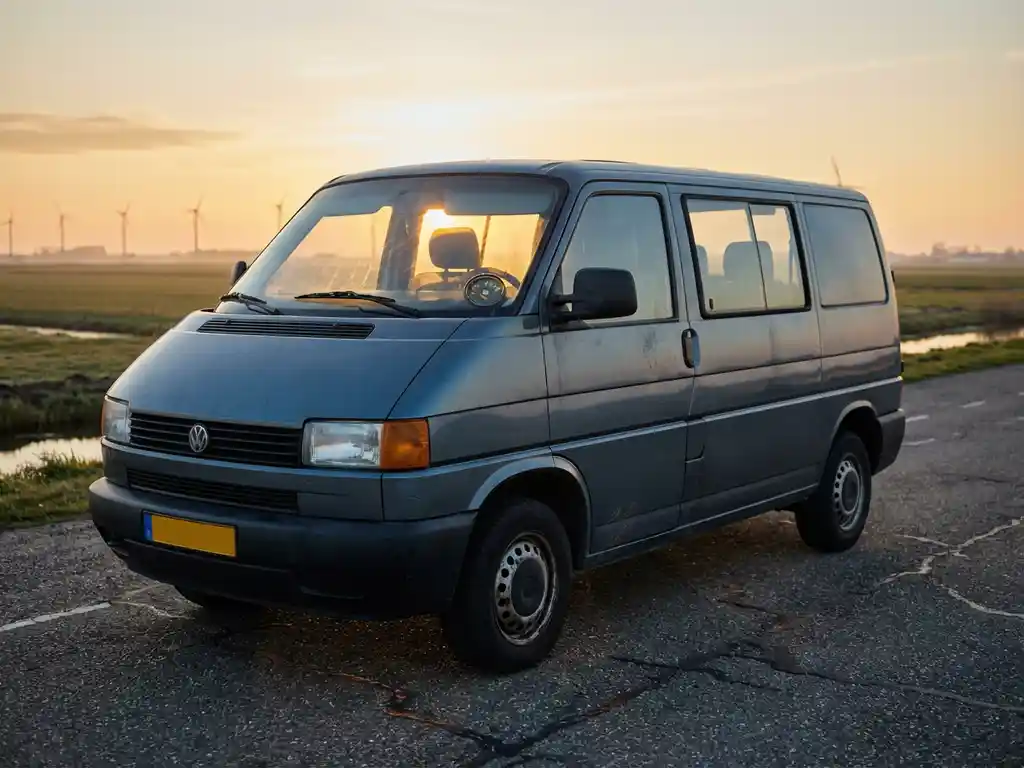
- Less depreciation in the early years (a new vehicle can quickly lose 20 to 30 per cent of its value in the first year)
- Faster availability, no waiting times
- Suitable for start-up entrepreneurs on a limited budget
The choice between new and second-hand depends largely on your budget, the expected lifespan of the van and how intensively you use it. If you use the van every day and cover a lot of kilometres, a new van may work out cheaper in the long run due to lower maintenance costs. For light use, a good second-hand van is often the smartest choice.
When is leasing cheaper than buying?
Leasing is cheaper than buying if you want to maintain liquidity, don’t want to invest a large sum all at once, or if you want to claim the full cost of the van as a business expense. An operational lease is particularly attractive if you want a fixed monthly cost with no surprises, including maintenance and insurance.
With a finance lease, you pay a monthly amount and become the owner of the vehicle at the end of the term. With an operational lease, you return the vehicle at the end of the term. The choice depends on your financial situation and how long you want to use the van.
When is it cheaper to buy?
Buying is more cost-effective if you intend to use the van for the long term, do not want any monthly commitments and also wish to capitalise the van as a business asset on your balance sheet. Do you have sufficient equity and do you still want to be driving the same van in five to seven years’ time? If so, buying is the more financially attractive option.
For electric commercial vehicle lease There is an additional argument in favour of this: technology is developing rapidly. By leasing, you can benefit from a newer model with a better range at the end of the lease term, without being stuck with outdated technology. This makes leasing an electric vehicle more attractive to many business owners than buying one.
Always work out the total costs over the planned period of use. When buying, add up the purchase price, maintenance, insurance and residual value. Compare this with the total leasing costs over the same period. This will quickly show you which option is the most cost-effective for your situation.
Which small vans are the most economical to run?
The most economical small vans to run are models with low fuel costs, reliable engineering and good parts availability. In practice, the Volkswagen Caddy, Renault Kangoo and Citroën Berlingo consistently score well on total running costs, also known as Total Cost of Ownership (TCO).
What determines the running costs:
- Fuel consumption: A fuel-efficient diesel engine or electric powertrain significantly reduces the cost per kilometre.
- Maintenance intervals: Some brands have longer service intervals, which helps to keep maintenance costs down.
- Parts price and availability: Popular models have cheaper and more readily available parts.
- Residual value: Brands such as Volkswagen and Renault generally retain a higher residual value, which is an advantage when reselling or trading in a vehicle.
Electric versus diesel: which is cheaper to run?
Small electric vans are cheaper to run per kilometre than their diesel counterparts, especially if you charge them at home or at a business charging point. However, the higher purchase price and any costs for charging infrastructure need to be factored into the overall calculation. For business owners who drive many kilometres every day in urban areas, electric vehicles quickly become the more economical option. If you drive infrequently or over long distances, diesel remains a practical choice for the time being.
What should you look out for when buying a second-hand small van?
When buying a second-hand small van, you should check the vehicle’s service history, mileage, technical condition and legal status. A thorough inspection will prevent you from facing unexpected costs later on.
Always check the following points:
- Maintenance booklet: Has the vehicle been serviced regularly? Have all service records been documented?
- Mileage: Check with the RDW to see if the mileage matches the vehicle’s history.
- Bodywork: Look out for rust, dents and paintwork damage. These may indicate previous damage or careless use.
- Technical inspection: Have the vehicle inspected by an independent garage or an ANWB specialist before you buy it.
- Load compartment and floor: Check for wear and tear, damage and whether any fittings are securely fastened.
- History of ownership: Ask about the number of previous owners and the vehicle’s use (private or business).
- Remaining warranty period: Is the vehicle still covered by the manufacturer’s warranty, or does the seller offer their own warranty?
Also check the MOT date. A vehicle with a recent MOT offers greater peace of mind, but is no substitute for a full technical inspection. It is best to buy from an authorised dealer that inspects the vehicles itself and offers a warranty. This provides peace of mind and protection should anything turn out to be wrong after purchase.
How we help you buy a small van
At Van den Hurk Commercial Vehicles, we provide practical support at every stage of the purchasing process. With over 60 years’ experience in the Helmond and North Brabant region, we know the market inside out, and we’re on hand to offer you honest and personalised advice.
Here’s what we do for you:
- A large and varied stock of small vans, both new and used, including electric models and double-cab versions
- Transparent pricing with no hidden costs, so you know exactly where you stand
- Personalised advice on whether to buy or lease, tailored to your business situation and budget
- Flexible leasing options for the self-employed, SMEs and fleet managers
- Stock alert service via our website, so you’re the first to know about new stock
Whether you’re looking for an affordable second-hand van, a double-cab commercial van or an electric commercial vehicle on a lease: we’d be happy to help you find the right solution. Please get in touch with us or View our current range online and find out what we can do for your business.