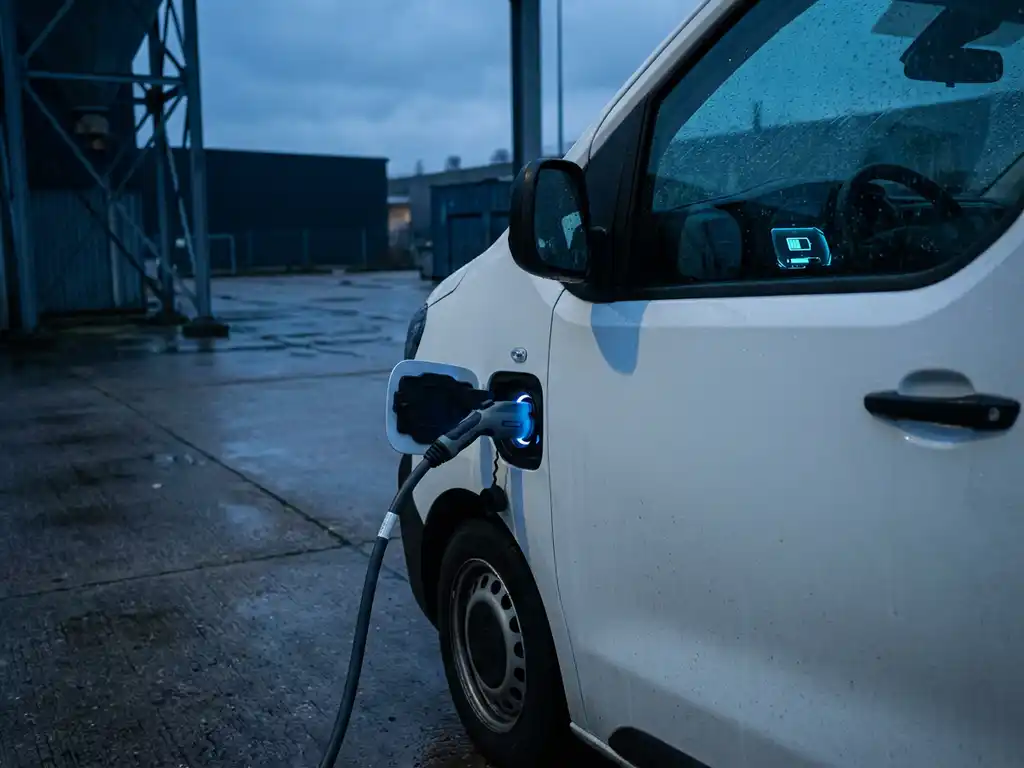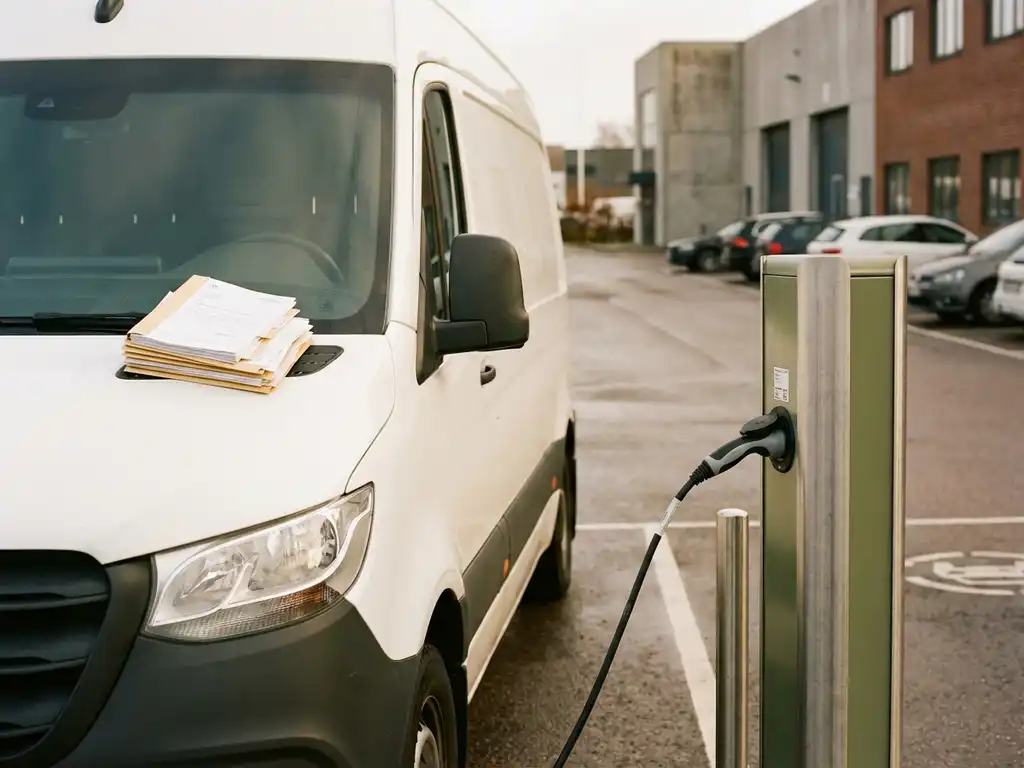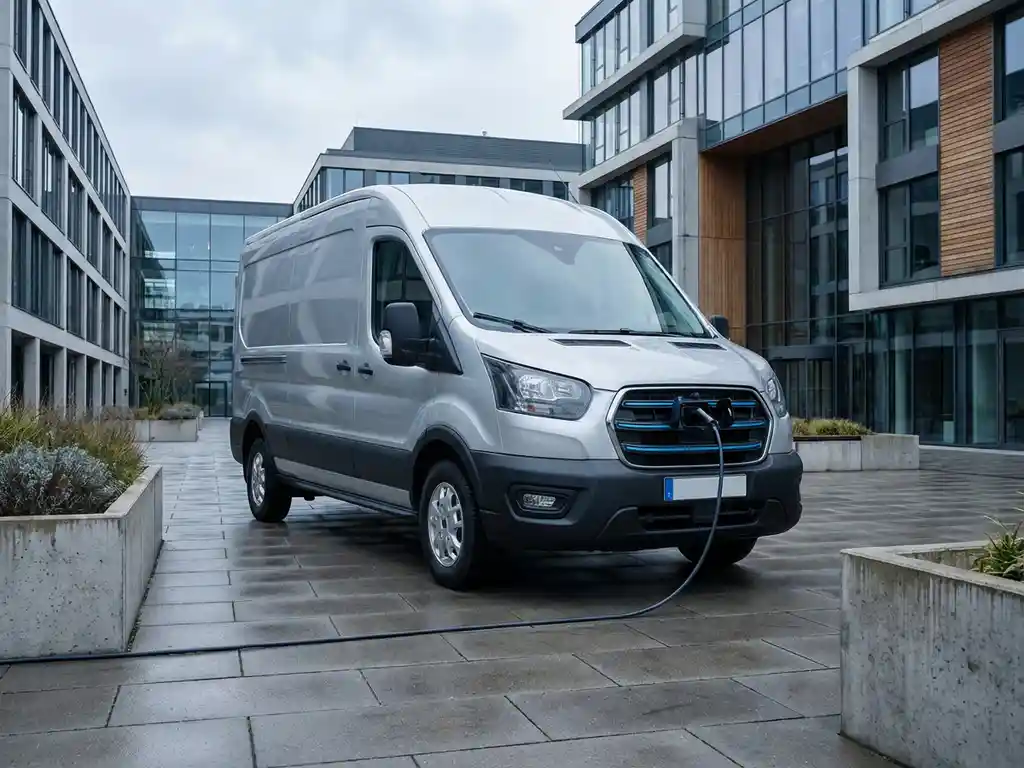

How long does a lease agreement for an electric company car last?
A lease contract for an electric commercial vehicle requires a different approach to a traditional contract for a diesel van. Technology is developing rapidly, tax incentives change regularly, and the residual value of electric vehicles is less predictable. This makes choosing the right lease term and lease type particularly important for business owners who want to manage their mobility costs wisely.
Whether you’re looking to buy a small delivery van or a commercial van with double cabin If you’re considering making your fleet more sustainable through electric company car leasing, this article answers the most frequently asked questions about lease contracts. That way, you’ll know exactly what to look out for before you sign on the dotted line.
What are the differences between an operating lease and a finance lease?
With an operating lease, you pay a fixed monthly fee for the use of the company car, whilst the leasing company remains the owner of the vehicle. With a finance lease, you finance the purchase in instalments over the term of the contract and become the owner of the vehicle at the end of the contract. The main difference, therefore, lies in ownership and risk.
Operating lease: use without ownership
With an operating lease, you can drive a company car without having to worry about residual value, maintenance or repairs. Those risks are borne by the leasing company. You pay an all-inclusive monthly amount that often includes insurance, road tax and maintenance. This makes it easier to forecast your monthly costs and manage your cash flow.
Operational leasing is popular for electric company cars because the uncertainty surrounding the residual value of the battery lies with the leasing company and not with you as a business owner. That is a major advantage in a market where technology is still evolving rapidly.
Finance lease: a step towards ownership
With a finance lease, the vehicle appears on your balance sheet. You benefit from tax advantages such as capital allowances, but you also bear the risk of depreciation. At the end of the lease term, you purchase the car at a pre-agreed residual value. This can be an attractive option if you wish to continue using the company car after the contract ends or if you wish to resell it.
For self-employed people and SME entrepreneurs who wish to expand their fleet with electric vehicles, a finance lease offers greater control over the vehicle in the long term. The downside is that you are responsible for maintenance and any repair costs yourself.
What is the most cost-effective contract term for electric company cars?
For electric company cars, a contract term of 48 to 60 months (four to five years) is usually the most cost-effective option. Shorter contracts involve higher monthly payments because the depreciation is spread over fewer months. Longer contracts of six years or more carry the risk of the technology becoming obsolete and higher maintenance costs.
Why four to five years is the sweet spot
A term of four to five years ties in well with the life cycle of the current generation of electric commercial vehicles. The battery will still be performing well during that period, the manufacturer’s warranty usually covers most problems, and you’ll make the most of the tax benefits currently available for electric driving.
What’s more, a four- to five-year contract term gives you the flexibility to make the switch to the next generation of electric vehicles once the contract ends. The market for electric vans and commercial buses is evolving rapidly. What is a top-of-the-range model today may be technically obsolete in six years’ time.
Shorter terms: when are they appropriate?
A 24- to 36-month contract may be worth considering if you want to respond quickly to new models or if your business situation is uncertain. The monthly payments are higher, but you’re tied in for a shorter period. For businesses that regularly change vehicle types, such as healthcare transport providers or logistics companies with varying contracts, this flexibility may be worth more than the lower monthly payments offered by a longer contract.
For shorter lease terms, do bear in mind the terms and conditions regarding mileage and wear and tear. The monthly allowance is lower, which means that exceeding it has a relatively greater impact on the final settlement.
How long does a lease agreement for an electric company car last?
A lease contract for an electric company car typically lasts between 24 and 72 months, with 48 to 60 months being the most common term. The exact duration depends on the type of lease, the make and model of the commercial vehicle, the expected annual mileage and the business owner’s financial requirements.
In the case of operating leases, leasing companies often set the lease term based on the vehicle’s expected residual value. Electric commercial vehicles have a less stable residual value than comparable diesel vehicles, which means that some companies apply shorter maximum lease terms or charge higher monthly rates for longer contracts.
What determines the term in practice?
The term of a lease agreement for an electric commercial vehicle is determined by several factors:
- Annual mileage: The more kilometres you drive, the faster the battery wears out and the shorter the recommended service life.
- Vehicle type: A small electric van has a different depreciation curve to a large electric double-cab commercial van.
- Lease type: A finance lease generally offers greater flexibility in terms of lease term than an operating lease.
- Tax considerations: Certain tax incentives for electric vehicles are subject to a maximum term or purchase price.
Always discuss your expected usage and business objectives with a leasing adviser before choosing a contract term. A contract that is perfectly suited to your driving habits and business situation will save you money and hassle in the long run.
Can a lease agreement be amended or terminated before the end of the term?
It is possible to amend or terminate a lease agreement early, but in most cases this involves additional costs. Lease companies charge a fee to cover the lost interest and the remaining monthly instalments. The earlier you terminate the agreement, the higher these costs are usually.
Amendment of the contract during its term
Some leasing companies offer the option of adjusting your annual mileage mid-contract if you find you’re driving more or less than expected. This helps avoid a large final bill. When signing the contract, always ask whether this option is available and what the terms and conditions are.
Changing the term itself is less common and usually requires a renegotiation of the entire contract. In some cases, it is financially more advantageous to see the contract through to the end and then enter into a new contract than to amend it part-way through.
Early termination: what to look out for
If you wish to terminate the contract early, for example because your business is downsizing or changing its line of business, there are a few options:
- Surrender: You pay a lump sum to cover the remaining financing costs.
- Transfer: In some cases, you can transfer the contract to another business owner, although this requires the leasing company’s consent.
- Exchanges: You trade in the vehicle for a different model and sign a new contract. The outstanding balance is then carried over into the new contract.
Always read the termination clause in your lease agreement carefully before signing. Transparency regarding the costs associated with early termination is a sign of a reliable leasing partner.
What happens at the end of a lease agreement?
At the end of a lease contract for an electric company car, you usually have three options: you return the vehicle, you extend the contract, or you purchase the vehicle at the pre-agreed residual value. Which option suits you best depends on the condition of the vehicle, your business situation and the current market value.
Returning and switching
With an operating lease, you return the vehicle at the end of the lease term. The leasing company assesses the condition of the vehicle and compares the actual mileage with the agreed mileage. If you drive more kilometres than agreed, you’ll pay a surcharge per kilometre. If you drive fewer, you may, in some cases, receive a refund.
Once you’ve returned the vehicle, you’ll sign a new contract for a different or new vehicle. This is the time to opt for a newer model or a different category of vehicle – for example, an electric double-cab commercial van if your business has grown.
Purchase or renew
With a finance lease, you purchase the vehicle at the end of the contract at the residual value agreed at the start. If the market value is higher than the residual value, you will immediately be left with a positive balance. If the market value is lower, you will pay more than the vehicle is worth on the market at that time.
Extending the lease is also an option if the vehicle is still running well and the monthly payments are low. Some leasing companies offer an extension contract on favourable terms, particularly if the vehicle has sustained little damage and is in good technical condition.
How we can help you with electric commercial vehicle leasing
At Van den Hurk Commercial Vehicles, we understand that choosing the right lease type and term for an electric commercial vehicle is not a simple decision. We’re happy to guide you through the process, from your initial enquiry right through to the final handover of your vehicle. Our range of services and our approach are specifically tailored to business owners in the North Brabant region who are looking for reliable mobility solutions.
Here's what we can do for you:
- Personalised advice on the most suitable leasing option for your business situation, whether you’re self-employed or manage a larger fleet.
- A wide range of electric commercial vehicles, from small vans to double-cab commercial vans, available for lease or outright purchase.
- Transparent pricing with no hidden costs, so you know exactly where you stand.
- Flexible leasing options tailored to your driving habits, mileage and growth ambitions.
- A stock alert service, so you’re the first to know when a suitable vehicle becomes available.
Would you like to find out which electric commercial vehicle best suits your needs and which contract term offers you the best value? If so, please get in touch with us or pop in to see us in Helmond. We’d be happy to help you with honest advice, with no pressure to buy.