
Which small van has the best boarding height?
The step-in height of a van is an underestimated factor for many business owners when buying a new vehicle. Yet it makes a big difference on a daily basis, especially if you get in and out of your small van several times a day. Whether you want to buy a small van for local delivery trips, care transport or craft work, the right step-in height helps determine how comfortable and efficient you can do your job.
In this article, we answer the most frequently asked questions about step height in small vans. From the definition to comparison with specific models and choosing an electric van: after reading, you will know exactly what to look out for.
What exactly is the boarding height of a van?
The step-in height of a van is the distance from the ground to the top of the sill or floor of the cab on the driver's side. This is the height you bridge when you get into the seat. In most small vans, this height is between 45 and 65 centimetres, depending on the model and version.
Specifically, this means the height of the first step you take when entering the vehicle. Some manufacturers also state the height of any step edge or step, which makes the actual step smaller. When comparing models, always pay attention to whether the size given is the threshold height including or excluding the step entrance.
Entry height versus floor height of cabin
Cabin entry height is slightly different from the load floor height at the rear of the vehicle. With the cabin, it is about the ease with which the driver and co-driver get in. A lower step height on the cabin side means that you do not have to lift your leg as high, which is physically less stressful in frequent use.
Why is a low step height important in a van?
A low step height is important because it significantly reduces physical strain for drivers who do a lot of getting in and out on a daily basis. The lower the threshold, the less force your knee and hip have to exert with each entry and exit movement. This has a direct impact on long-term health and productivity during the working day.
For occupational groups such as couriers, mechanics, home care workers and parcel deliverers, the number of times they get in and out of bed each day can be dozens of times. A difference of ten centimetres of step height may seem small, but over a full working year it adds up to thousands of extra efforts for the joints. Ergonomic considerations therefore play a real role when choosing a small van.
Entry height and accessibility
For companies that employ employees with physical disabilities or use vehicles for care transport, a low step height is even more relevant. A vehicle with a low threshold is more accessible for the elderly, people with knee problems or others who have difficulty getting up high. This also makes boarding height a factor when choosing a double-cab van, with several passengers boarding.
Which small vans have the lowest boarding height?
Small vans with the lowest entry height on the cabin side are usually models built on a passenger car platform or low monovolume construction. Examples include the Renault Kangoo, Citroën Berlingo, Peugeot Partner, Volkswagen Caddy and the Ford Transit Courier. These models have an entry height that, on average, is lower than that of traditionally higher vans.
Below is an overview of common small vans and their overall cab-side boarding heights:
- Renault Kangoo: around 45 to 50 centimetres, one of the lowest in its class
- Citroën Berlingo / Peugeot Partner: similar, around 48 to 52 centimetres
- Volkswagen Caddy: slightly higher, averaging 50 to 55 centimetres
- Ford Transit Courier: around 50 to 55 centimetres
- Mercedes-Benz Citan: Similar to the Caddy, depending on the version
Keep in mind that the design and wheel size affect the final height. A larger wheel size or an off-road version increases the step-in height. When buying, always ask for the exact technical specifications of the specific model and year of manufacture you are considering.
Double cabin and step-in height
In a double-cab commercial van, the entry height for the rear passengers is often the same as that of the front seats, but the space to get in may be narrower due to the door opening. With a double cab, consciously choose a model where the rear doors also open wide enough and the entry height is low enough for all occupants.
What is the difference between boarding height and load floor height?
Entry height refers to the height of the cabin threshold for driver and passengers, while load floor height indicates the distance from the ground to the load compartment floor at the rear of the vehicle. These are two separate measurements, each defining a different aspect of ease of use.
Cargo floor height is particularly relevant for loading and unloading goods. A low load floor height makes it easier to slide heavy or bulky cargo in and out of the vehicle without lifting. For small vans, the load floor height is on average between 50 and 65 centimetres, but this varies greatly from model to model.
When do you pay attention to what height?
If you mainly get in and out of the cab a lot, the entry height at the front is most relevant. If you use the van mainly for transporting goods and load and unload daily, then the loading floor height at the rear is the most important measurement. In practice, you should ideally choose a vehicle where both heights suit your operations.
Some models offer an optional lowered load floor package or folding load edge, which further reduces the effective load floor height. This is a useful option if you regularly transport heavy material and want to prevent employees from injuring themselves when lifting.
How to choose the right van based on boarding height?
You choose the right van based on boarding height by first determining how often and by whom you get in and out, the weight and size of the load, and whether there are special requirements around accessibility. Combine that information with a test drive to assess ergonomics in practice.
When choosing, go through the following steps:
- Map usage: how many stops per day, how many people board, what cargo are you carrying?
- Set a maximum boarding height: for intensive use, a threshold below 50 centimetres is recommended
- Compare models by technical specifications: Always ask for the exact size, not just the category
- Schedule a test drive: experience for yourself how the entry and exit motion feels, especially if you are tall or short
- Consider adjustments: a step or lowered threshold are sometimes available as an option
Besides step-in height, cargo space, ride comfort, fuel consumption and total cost of ownership also play a role. Think of step-in height as one of the selection criteria within a broader set of requirements that suits your operations.
Buy or lease a small van?
If you want to buy a small van, you have the freedom to fully customise the vehicle as you wish, including any adjustments to the boarding height. With leasing, modifications are sometimes limited, but you have the security of a fixed monthly budget and an up-to-date fleet. Both options have advantages and disadvantages that depend on your financial situation and desired flexibility.
When is an electric small van a better choice?
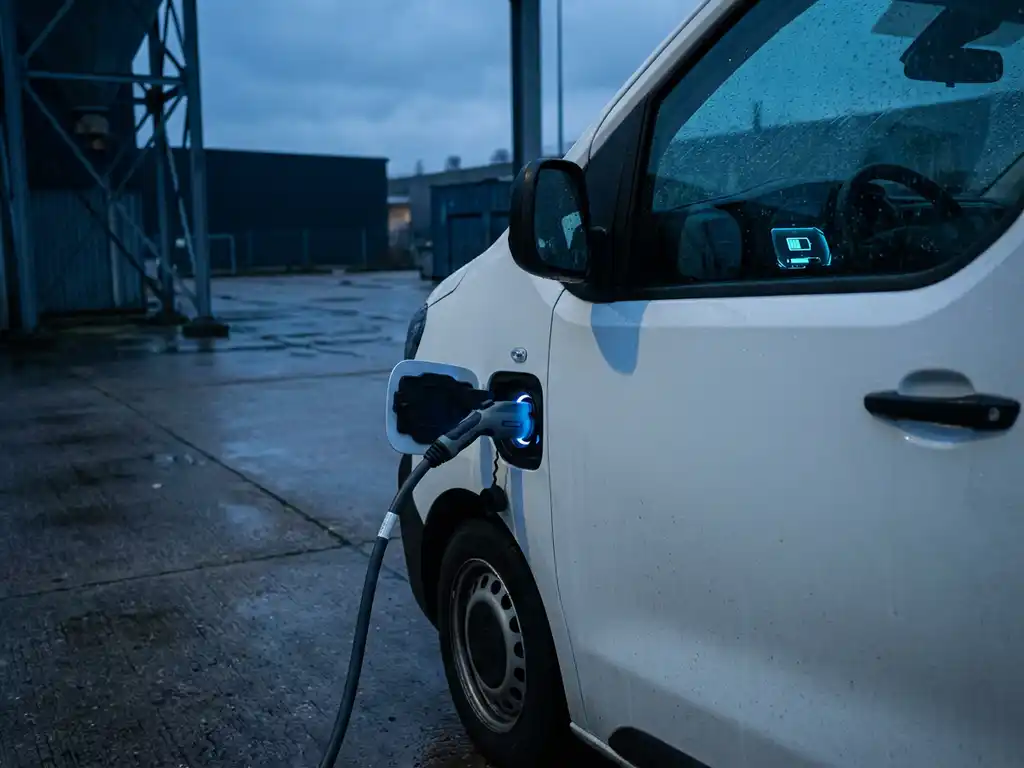
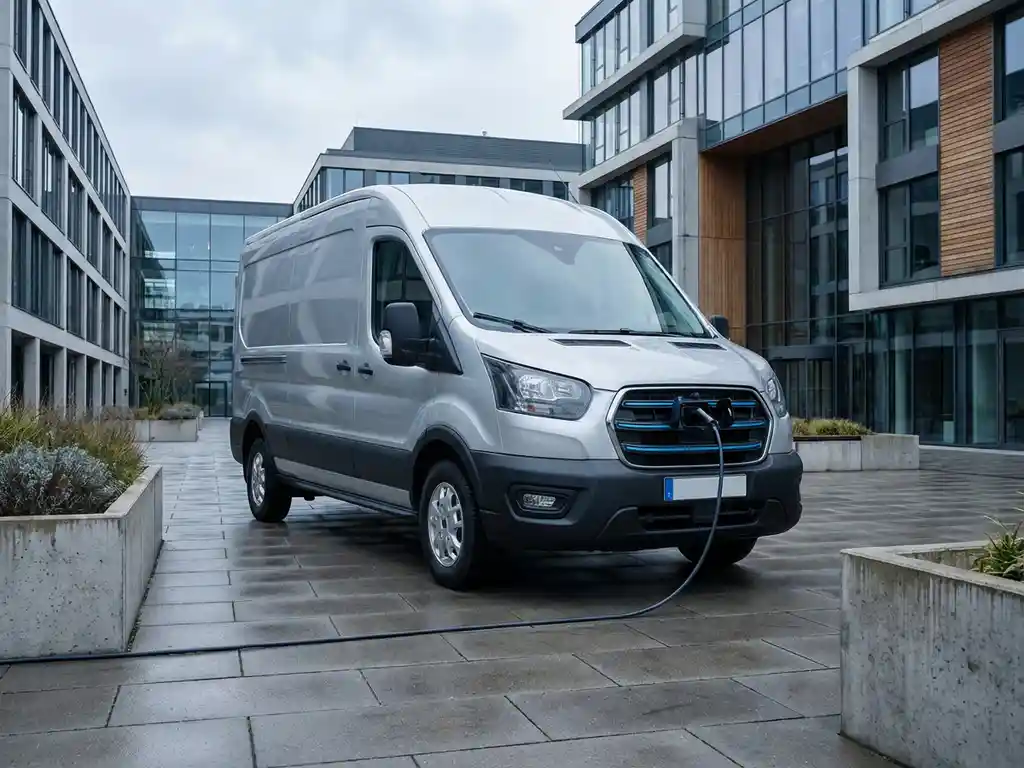
A electric small van is a better choice when you mainly drive in urban areas, your daily driving distance is within battery range and you want to benefit from lower fuel and maintenance costs. Moreover, more and more cities have environmental zones where only zero-emission vehicles are welcome.
Electric models such as the Renault Kangoo E-Tech, Citroën ë-Berlingo and Volkswagen Caddy Electric have similar boarding heights to their fuel variant. The battery is under the floor in most models, so the step-in height does not increase significantly. However, the load floor height may be slightly different due to the construction of the chassis.
Electric company car leasing as a smart option
Leasing an electric company car becomes more financially attractive for many business owners due to tax breaks and lower operating costs. With an electric company car lease, you pay a fixed monthly amount and drive a new vehicle with warranty, without a large initial investment. For sole traders and SMEs looking to respond to clients' sustainability requirements, this is a practical route.
Want to know which electric model best suits your driving profile and boarding height requirements? Then always compare several models on both technical and financial criteria before making a decision.
How we help you choose the right small van
At Van den Hurk Bedrijfswagens, we understand that choosing a van goes beyond just the price tag. Entry height, cargo space, driving range and ease of use are all factors we go through with you to arrive at the best match for your situation. We do this with over 60 years of experience in the Helmond and surrounding area.
What we can do for you:
- Personal advice on which model best suits your daily use and ergonomic needs
- Large stock of small vans, both new and used, including electric models
- Flexible leasing options for both sole traders and larger fleets
- Test drives so you can judge the step height and ride comfort for yourself
- Transparent prices with no hidden costs
Want to buy or lease a small van that fits your needs perfectly? Contact us or drop by in Helmond for a no-obligation chat. We will be happy to help you.