
What about the additional tax rate for a double cab company van?
Do you drive a double-cab company van for your work and wonder what that means for your tax return? The additional taxable benefit for a double cab is a subject that many entrepreneurs and self-employed people have questions about. This is because the distinction between a van and a passenger car is not always clear, and the tax authorities apply specific rules that directly affect what you pay net for your double-cab company van.
In this article, we give you a clear overview of how the additional tax liability works, how the tax authorities classify a double cab and what you can do to reduce or avoid the additional tax liability. Whether you are considering buying a small van or leasing an electric company car, the information below will help you make informed choices.
What is additional taxable benefit and when does it apply to a company car?
Additional taxable benefit is a tax scheme whereby you add a percentage of the catalogue value of a company car to your taxable income, because you can also use the car privately. The addition applies as soon as you have a company car at your disposal that you also use privately, or if you cannot prove that you drive the car less than 500 kilometres per year privately.
The scheme is designed to tax the benefit of private use of a business car. As an employee or director-major shareholder, you pay income tax on this notional benefit. As a self-employed person or entrepreneur, it works differently: you offset the car costs through the profit and loss account, but even then, private use can have tax consequences.
When exactly does the top-up apply?
The addition is applicable if the following conditions are met:
- The car is in the name of the company or employer.
- The driver also uses the car for private journeys (more than 500 km per year).
- There is no conclusive trip registration showing that private use remains below 500 km per year.
The addition rate varies by vehicle type and fuel type. For a regular passenger car, the current addition rate is 22% of the list value. For a Electric company car on lease a lower percentage applies, making this type of vehicle more financially attractive.
What is a double cab and how does the Inland Revenue classify it?
A double cab (also called “double cab” or “crew cab”) is a commercial vehicle with a fully enclosed cab with two rows of seats, suitable for five or more people, combined with a cargo area or open cargo box. The tax authorities do not automatically classify a double cab as a van, but assess the vehicle based on specific technical criteria.
This distinction is very important for tax purposes. A delivery van falls under a more favourable additional taxable benefit scheme than a passenger car. Whether a double cabin is classified as a van or a passenger car therefore directly determines how much additional taxable benefit you pay.
How does the Inland Revenue determine the classification?
The tax authorities look at the following factors when classifying a double cab:
- The cargo area relative to the cabin: The cargo area must be larger than the passenger area to qualify as a van.
- The number of seats: A vehicle with five or more seats is more quickly classified as a passenger car.
- Construction and use: Is the vehicle built primarily for goods transport, or is it more like a passenger car?
- The registration certificate: The official type approval and the coding on the registration certificate come into play.
In practice, many double cabins by the Inland Revenue as car classified, even if they are used for business purposes. This directly affects the additional tax liability you have to pay.
Does the lower additional tax rate for vans also apply to a double cab?
No, the lower additional taxable benefit for vans does not automatically apply to a double cab. A van may be entitled to a lower additional taxable benefit or even an exemption, but only if the vehicle is actually classified as a van by the Tax Administration. Many double cabs do not meet the technical criteria and are treated as passenger cars.
A van is subject to different tax treatment than a passenger car. With a genuine van, you can benefit from an exemption from additional taxable benefit under certain conditions, such as if the car is used exclusively for business purposes or if there is a ban on private use that is demonstrably complied with.
When does a double cab qualify as a van?
A double cab can still be classified as a van in exceptional cases. This is the case if:
- The cargo area is larger than the passenger area (measured in cubic metres or surface area).
- The vehicle is type-approved as an N1 vehicle (lorry) instead of M1 (passenger car).
- The construction is primarily aimed at freight transport and not passenger transport.
Are you in doubt whether your double cab will be classified as a van or a passenger car? Then request a preliminary consultation with the tax authorities or have the vehicle assessed by a tax expert. This will avoid unpleasant surprises afterwards.
How do you calculate the additional taxable benefit for a double cab company van?
You calculate the addition rate for a company double-cab van by multiplying the applicable addition rate by the vehicle's catalogue value. If the double cabin is classified as a passenger car, an addition of 22% of the catalogue value applies. You add this amount to your taxable income and then pay tax on it, depending on your tax bracket.
Suppose the list value of your double cab company bus is 45,000 euros. Then the annual addition is 22% of 45,000 euros, or 9,900 euros. If you fall in the 37% tax bracket, you will pay an additional 3,663 euros in tax per year on that. That's a significant amount to factor into your total cost of ownership.
Additional tax liability for an electric double cab
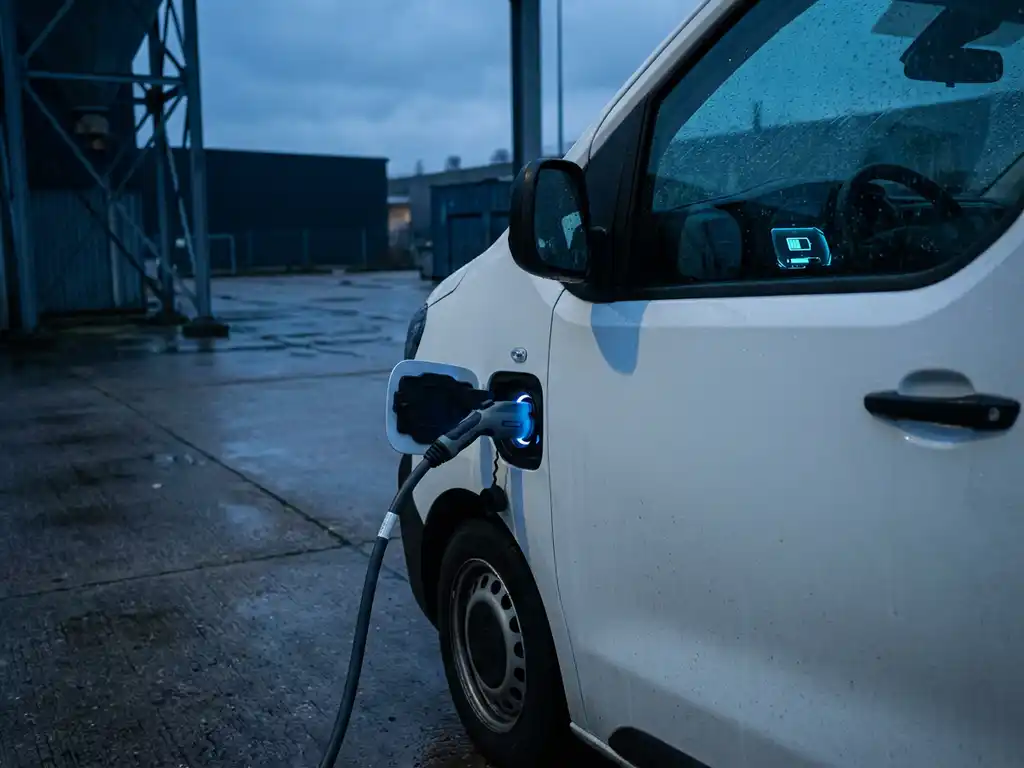
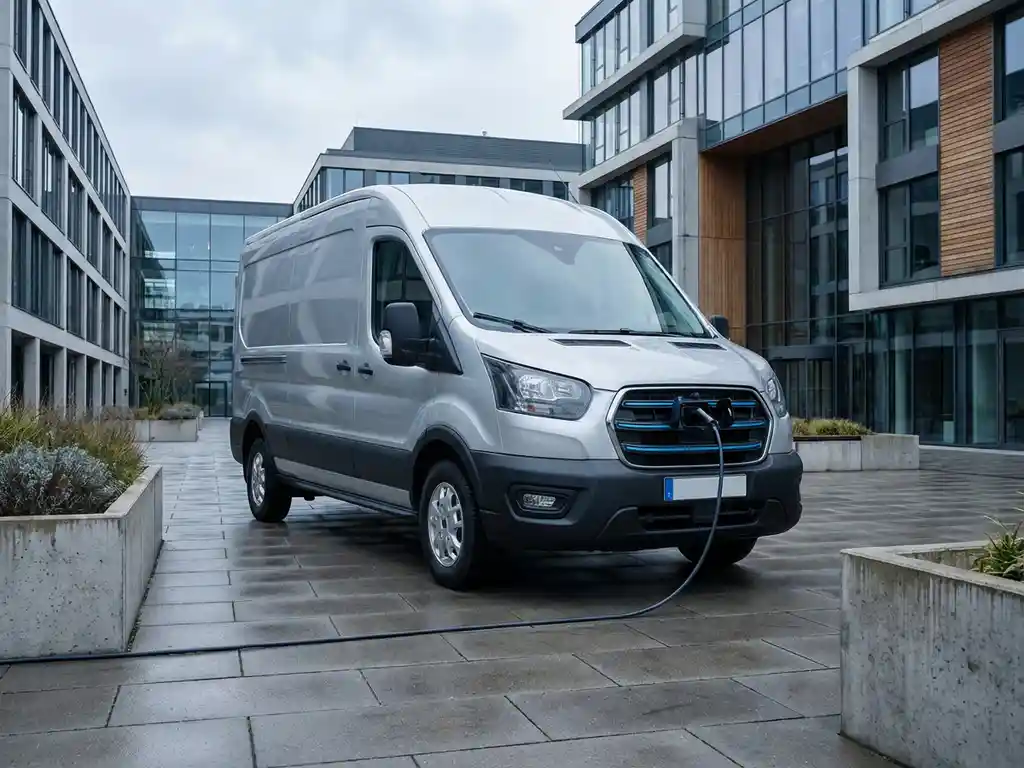
Are you considering leasing a double cab electric company car? Then a lower additional tax rate applies to the electric part of the catalogue value. The government encourages electric driving with a reduced percentage, although this percentage has been incrementally increased in recent years and the discount continues to decrease over time.
For an electric double cab classified as a passenger car, the reduced electric addition rate applies up to a certain maximum amount of the list value. You pay the standard percentage on the excess. Always check the current percentages with the Tax Administration, as they may change annually.
Calculation example: double cab as passenger car
- Determine the catalogue value (including VAT and BPM).
- Determine the applicable addition rate (22% for a regular car, lower for electric).
- Multiply the catalogue value by the percentage: this is the annual addition.
- Multiply the annual addition by your marginal tax rate: this is the extra tax you pay.
This calculation model helps you understand the real cost of private use before you buy or lease a vehicle.
How do you avoid additional taxes with a double cab?
You can avoid additional taxable benefit for a double cabin by proving that you use the car privately for less than 500 kilometres per year. You can do this with a comprehensive trip registration form. You can also opt for a vehicle that is classified as a delivery van, or make arrangements with your employer to prohibit private use.
There are several strategies you can employ to reduce or avoid the additional tax:
Strategy 1: Keeping trip records
Closing trip records is the most direct way to avoid additional taxable income. You record each trip with date, start position, end position, starting point, destination and business purpose. If you can prove at the end of the year that you have driven less than 500 kilometres privately, you will not have to pay an additional taxable benefit.
Use a digital system or a recognised trip registration app for this purpose. Paper registrations are allowed, but more vulnerable in case of a tax audit. Make sure the registration is complete and consistent: gaps or illogical routes can lead to discussions with the tax authorities.
Strategy 2: Declaration of no private use
As an employee, you and your employer can submit a “Statement No Private Car Use” to the tax authorities. With this, you indicate that you do not use the car privately. Note: you are then obliged to actually comply with this. If you do use the car for private purposes, you must report this immediately and still pay an additional taxable benefit.
Strategy 3: Choose a vehicle that qualifies as a van
If you want to buy or lease a small van and avoid additional taxes, look carefully at the classification of the vehicle. A genuine van without a double cab, or with a cargo area larger than the passenger compartment, is more likely to qualify as a van. This gives you more tax space and less addition risk.
Strategy 4: Electric driving
An electric company car on lease can also help reduce your net addition costs. Although you do not completely avoid additional taxable benefit when driving privately, the amount is lower with an electric vehicle due to the reduced percentage. Combine this with a trip log if you want to completely avoid additional taxable benefit.
How we help you choose the right company bus
The additional tax liability for a double cab company van is a complex issue that directly affects your monthly costs and your tax return. We understand that as an entrepreneur or self-employed person, you are not only looking for a reliable vehicle, but also for a solution that makes fiscal sense. That is why we are happy to help you find the right company car for your situation.
With us you will find a wide range of commercial vehicles, including:
- Small vans for sale that qualify as vans and have more favourable addition rules.
- Company buses with double cab for those transporting lots of people and equipment, with honest advice on the tax implications.
- Electric commercial vehicles for lease with a lower addition rate and lower running costs.
- Vehicles from our large stock with transparent prices and personal advice on classification and use.
Want to know which company bus best suits your work and tax situation? Then get in touch with us. We are happy to think along with you, from the first consultation to the delivery of your new company van.