
How to choose the right electric company car for your business?
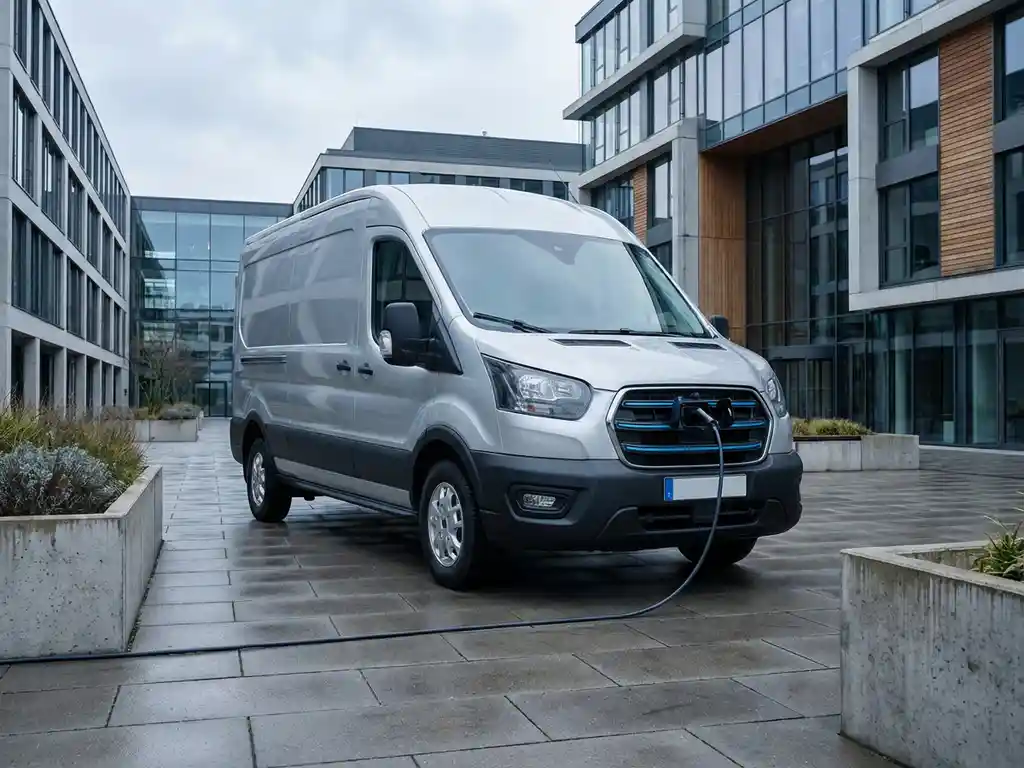
Choosing the right electric commercial vehicle depends on your daily mileage, charging capabilities and budget. First determine your range requirements, analyse your charging infrastructure and compare the total cost of ownership with traditional commercial vehicles. Financing options such as leasing can also make the switch more attractive. This guide answers the most important questions about electric commercial vehicles for businesses.
What are the main advantages of an electric company car?
Electric commercial vehicles offer lower operating costs, access to environmental zones and tax breaks for entrepreneurs. Since January 2025, the BPM levy on fuel vehicles has also made them more advantageous than diesel commercial vehicles in purchase.
The practical benefits are immediately noticeable in your operations. You save significantly on fuel costs because electricity is cheaper than diesel or petrol. Maintenance costs are lower because electric engines have fewer moving parts that can wear out. Think no oil changes, less brake maintenance due to regenerative braking and no exhaust system that can break down.
For the future, you are well prepared. More and more cities are introducing environmental zones where only electric vehicles are welcome. Your company contributes to a cleaner environment without local emissions, which is also good for your corporate image. Tax advantages make electric driving extra attractive for entrepreneurs.
How many kilometres can you drive with an electric company car?
Modern electric commercial vehicles have a range between 200 and 400 kilometres on a full battery. The actual distance depends on the weather, your charge, driving style and the use of heating or air conditioning.
Range varies by model and battery capacity. Compact commercial vehicles such as the Volkswagen ID. Buzz Cargo drive around 250-300 kilometres, while larger models with more battery capacity can go further. In winter, the range 20-30% may be lower due to the use of heating and the properties of batteries in cold temperatures.
To determine the right range, calculate your daily kilometres and add a safety margin. If you drive an average of 150 kilometres a day, a range of 250 kilometres is more than enough. For longer journeys, plan charging stops along the way, which is becoming increasingly easier with the growing network of fast chargers.
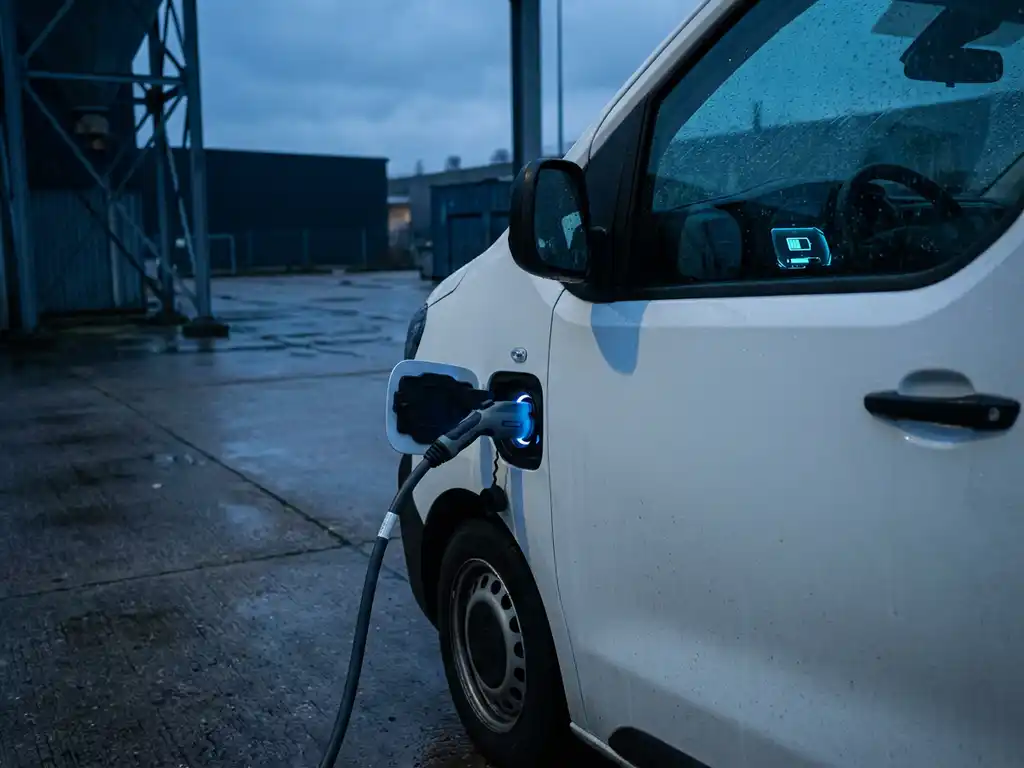
How long does it take to charge an electric company car?
Home charging takes 6-12 hours at a regular charging station, fast charging on the road takes 30-60 minutes take for 80% battery capacity. Charging time depends on the charging capacity of your vehicle and the type of charging station.
You have several charging options. At home or at your premises, you usually charge at an 11 kW or 22 kW charging station. This is perfect for overnight charging so your vehicle is full every morning. Public charging stations in the city have similar speeds.
For fast charging on the road, use DC fast chargers along motorways. These charge at 50 kW to 150 kW or more, depending on what your vehicle can handle. A 30-minute coffee break will give you enough energy for the rest of your route. Plan charging sessions during breaks or customer visits to use your time efficiently.
What does an electric company car cost in purchase and use?
Electric commercial vehicles cost more to buy than diesel vehicles, but the total cost of ownership is often lower through cheaper energy, less maintenance and tax advantages. The payback period is usually 3-5 years.
The purchase price is €15,000-25,000 higher than that of comparable diesel commercial vehicles. This difference will be reduced by the BPM levy on fuel vehicles since 2025. In use, you save considerably on energy costs: electricity costs about half of what you would spend on diesel for the same kilometres.
Maintenance costs are 30-50% lower because electric motors are more reliable. You have no oil changes, less brake maintenance and no exhaust system. Insurance costs about the same as traditional commercial vehicles. For the total cost comparison, calculate all costs over 4-5 years, including depreciation, energy, maintenance and taxes.
What financing options are available for electric commercial vehicles?
Operational and financial lease are popular options for electric commercial vehicles, in addition to regular financing and subsidies. Leasing spreads the higher purchase cost over several years and can include maintenance and insurance.
With operational leasing, you pay a fixed monthly amount that includes everything: depreciation, maintenance, insurance and road tax. This provides cost visibility and security. Financial lease means you write off the company car and become its owner at the end of the contract.
Several government schemes make electric driving more attractive. There are subsidies for buying electric company cars and tax benefits such as no or lower additional taxable benefit for entrepreneurs. Some municipalities offer additional incentives. Always compare total monthly costs, including energy and maintenance, to choose the best form of financing.
How Van den Hurk helps with electric commercial vehicles
We guide your complete switch to electric driving with personal advice, a large stock electric commercial vehicles and flexible financing solutions. We combine our 60 years of experience with knowledge of the latest electric technologies.
Our support includes:
- Personal consultation on range, charging options and TCO calculation
- Large stock electric commercial vehicles from well-known brands such as Volkswagen, Ford and Mercedes-Benz
- Flexible leasing options including operational and financial leases
- Transparent pricing without hidden costs
- Full service from advice to delivery and after-sales service
Whether you are considering your first electric company car or want to make your entire fleet sustainable, we will help you think about the best solution for your business. Contact us for a no-obligation discussion about the possibilities.