
What is the difference between a small van and a compact MPV?
Looking for a company car, but in doubt between a small van and a compact MPV? That is a question many entrepreneurs, self-employed people and fleet managers ask themselves. Both vehicle types look similar at first glance, but they are designed for very different purposes. The right choice depends on what you transport every day: goods, people or both.
In this article, we explain the difference between buying a small van and opting for a compact MPV. We answer the most frequently asked questions so you can make an informed decision. Whether you are looking for an electric company van lease or a company van with double cabin: the right basics will help you move forward immediately.
What exactly is a small van?
A small van is a light commercial vehicle with an enclosed cargo area behind the driver's cabin, designed for transporting goods. Think of models such as the Volkswagen Caddy Cargo, Renault Kangoo or Ford Transit Courier. They fall into the light commercial vehicle category and typically have a payload of between 500 and 800 kilograms.
What distinguishes a small van from a passenger car or MPV is the layout of the cargo area. Behind the front seats is a separated, bare cargo area with no side windows or rear seats. This makes the vehicle fiscally attractive to business owners, as it is classified as a van and therefore eligible for business benefits, such as VAT deduction and a favourable addition rate.
What do you use a small van for?
Small vans are popular with professionals, delivery drivers and small business owners who transport tools, materials or packages on a daily basis. They are agile enough for city traffic, but still have enough cargo space for a working day on the road. Think plumbers, electricians, couriers or catering and hospitality companies that are on the road with goods every day.
What is a compact MPV and what is it used for?
A compact MPV (Multi Purpose Vehicle) is a versatile passenger vehicle with several seats and a flexible interior layout. Models such as the Volkswagen Touran, Citroën Berlingo Multispace or Renault Kangoo Combi fall into this category. They are primarily intended for passenger transport, but also offer space for luggage or light cargo.
The big difference from a van is in the allocation of space behind the front seats. In a compact MPV, rear seats are present, often with the possibility of folding down or removing them. This makes the MPV flexible in use: transport five people on Monday, fold down the rear seats for a load of materials on Tuesday. That is exactly what this vehicle type is designed for.
Who drives a compact MPV?
Compact MPVs are popular with families, but also with companies that transport both people and materials. Care transporters, tour guides, sports clubs and small construction companies with mixed teams regularly choose a compact MPV. The vehicle combines passenger comfort with practical loading capabilities, making it a versatile choice for businesses with varying transport needs.
What is the difference between a small van and a compact MPV?
The main difference is the allocation of space behind the driver: a small van has an enclosed cargo area for goods, while a compact MPV is designed for passenger transport with additional seats. This difference also determines the vehicle's tax treatment, driving experience and practicality.
Below, we list the main differences:
- Cargo space vs passenger space: A van has a bare, separated cargo area. An MPV has rear seats that can be folded down if necessary.
- Tax treatment: A van is classified as a van and offers business tax benefits. An MPV is considered a passenger vehicle and has a different additional tax rate.
- Payload: Small vans typically have a higher payload and more cargo volume than compact MPVs.
- Comfort: MPVs are more comfortable for passengers, with better seats, more legroom and often more infotainment options.
- Agility: Both are compact and suitable for urban use, but vans are easier to load due to their low load floor.
A commercial bus with double cab, by the way, is a third option that combines elements of both vehicle types: a full rear seat for passengers as well as an open or closed cargo area. This makes the double cab interesting for teams that drive together and also carry materials.
When do you choose a small van over an MPV?
Opt for a small van when transporting goods is your primary need. If you transport tools, products or materials daily and rarely, if ever, carry passengers, a van is the most logical and tax-efficient choice.
A small van is the better option if:
- You transport goods daily and make full use of the cargo space.
- You want to benefit from VAT deduction on the purchase and use of the car.
- You want a lower addition for private use of the business car.
- You need a vehicle that is easy to load via rear doors or a sliding door.
- You drive in urban areas and manoeuvrability and parking options are important.
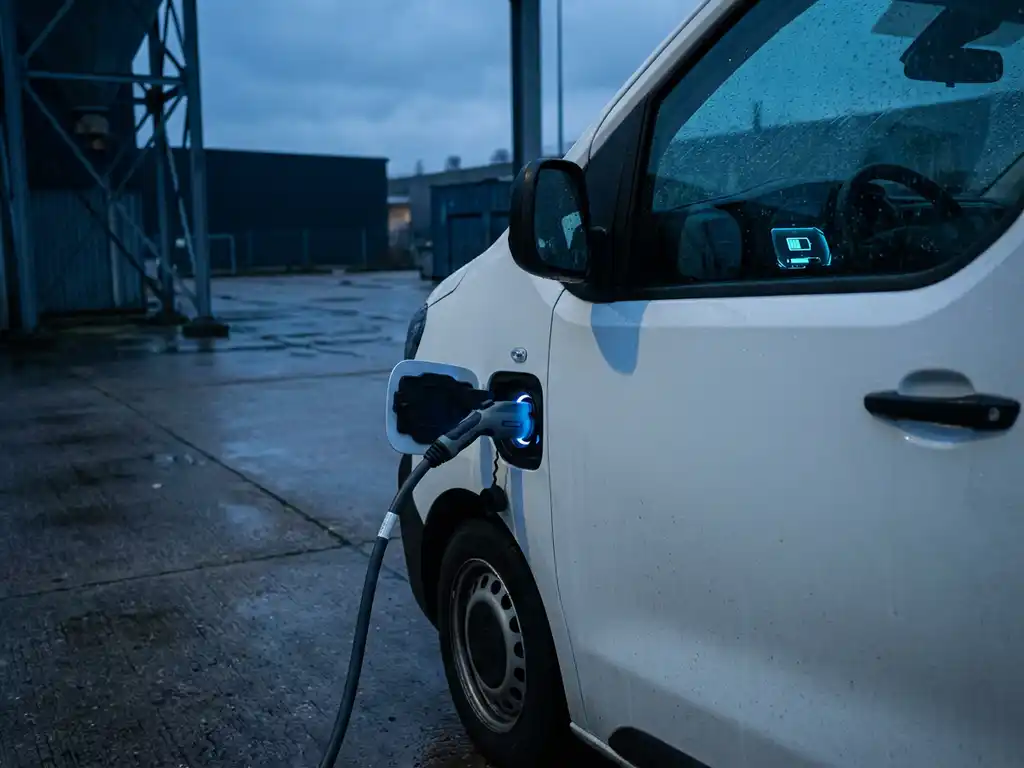
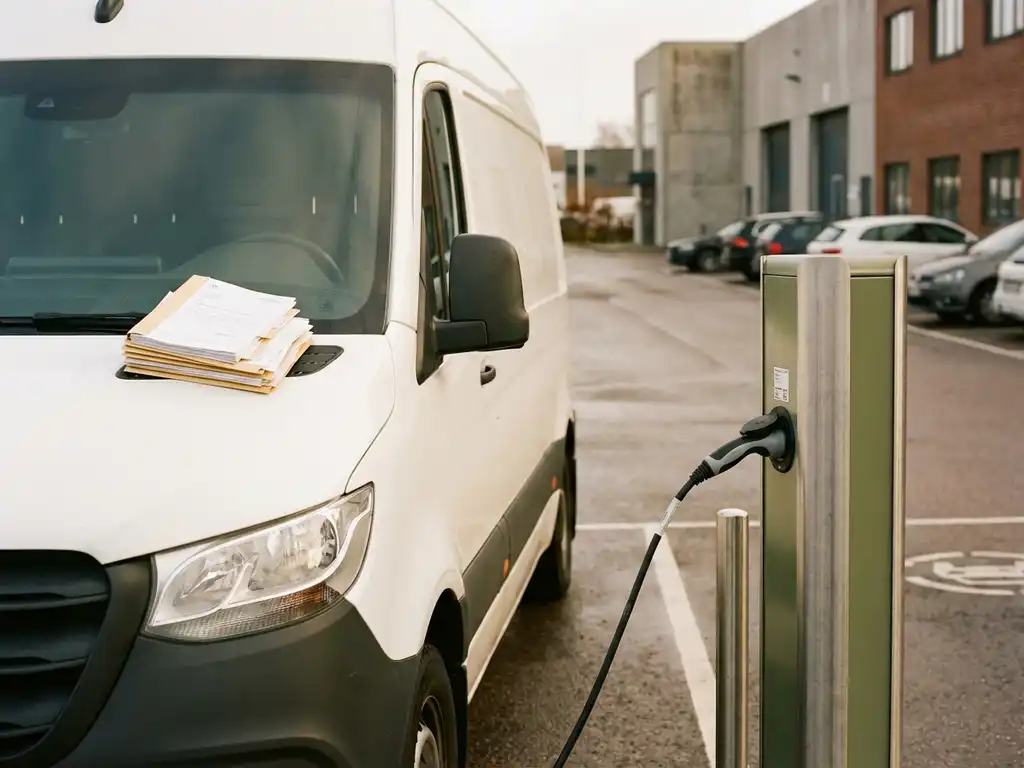
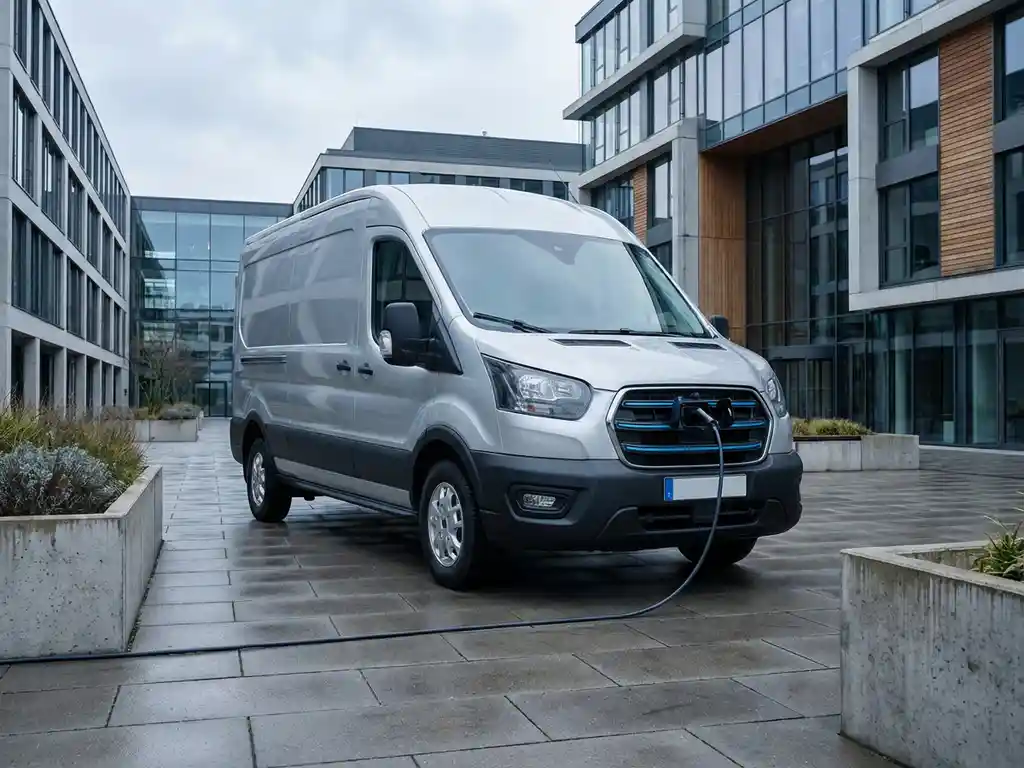
For sole traders and SMEs considering buying a small van, it is also useful to look at the electrical versions watch. Electric small vans are becoming increasingly attractive, especially in cities where zero-emission zones are being introduced. An electric company car lease can then be financially interesting, as the monthly costs are predictable and the tax benefits for electric vehicles are significant.
When is a compact MPV the better choice?
A compact MPV is the better choice when you regularly transport people and want space for luggage or light cargo at the same time. The flexibility of an MPV makes it useful for companies with varying transport needs, where occupant comfort also plays a role.
Consider a compact MPV like:
- You transport employees or customers and want them to travel comfortably.
- You are looking for a vehicle that can be used for both private and business purposes.
- You operate in the healthcare or passenger transport sector.
- You need a flexible layout that you can adapt quickly.
- You have a larger family and also want to use the vehicle privately.
Be aware that an MPV is treated differently from a van for tax purposes. If you use the vehicle purely for business, it is useful to compare the tax consequences with those of a van beforehand. An adviser or dealer can help you with this, so there are no surprises.
What should you look out for when buying a company car?
When buying a commercial vehicle, consider its purpose of use, load or passenger capacity, tax classification and total cost of ownership. A good choice starts with a clear picture of what you need on a daily basis, now and in the years to come.
These are the main areas of concern:
- Purpose of use: Do you transport goods, people or both? This will determine which vehicle type suits you best.
- Payload and volume: Check whether the vehicle has enough space and carrying capacity for your daily load.
- Tax classification: Is the vehicle a van or passenger car? This directly affects VAT deduction and addition.
- Fuel or electric: Electric commercial vehicles are becoming increasingly relevant, especially in view of emission-free zones and favourable leasing rates.
- Buy or lease: Buying gives ownership; leasing gives predictability in costs. Both options have advantages and disadvantages, depending on your cash flow and growth plans.
- Maintenance costs and warranty: Look not only at the purchase price, but also at expected maintenance costs and service availability.
- Mileage usage: When leasing, it is useful to estimate your annual mileage well so that you do not incur additional costs.
Whether you want to buy a small van, are looking for a double cab company van or are considering an electric company car lease, it pays to get proper advice before making a decision.
How we help you choose the right company car
At Van den Hurk Bedrijfswagens, we are happy to help you make the right choice, whether you are looking for a small van, a compact MPV or a commercial van with a double cabin. With more than 60 years of experience in the Helmond region, we know the market and know what entrepreneurs need.
Here's what we can do for you:
- Personalised advice based on your usage purpose and budget.
- A large, diverse stock of used and new commercial vehicles, including electric models.
- Flexible options for purchase, lease or customisation, tailored to your business situation.
- Transparent prices with no hidden costs.
- A handy stock alert service on our website, so you are the first to know about new offers.
Want to know which vehicle best suits your situation? Contact us or take a look at our current offer on the website. We are happy to think with you.