
How do you maintain electric commercial vehicles?
Maintenance of electric commercial vehicles differs considerably from traditional vehicles. You have fewer moving parts, eliminating a lot of regular maintenance. No oil changes, no air filter changes and less wear and tear on brakes due to regenerative braking. However, the battery does require specific attention and you need specialised knowledge for certain repairs. Maintenance costs are generally lower, but service intervals and checks remain important for optimal performance.
What is different about servicing electric commercial vehicles?
With electric commercial vehicles, many traditional maintenance chores fall away. You don't have to engine oil change, no air or fuel filters to change and the exhaust requires no maintenance. The electric motor has far fewer moving parts than an internal combustion engine, meaning less can wear out or break down.
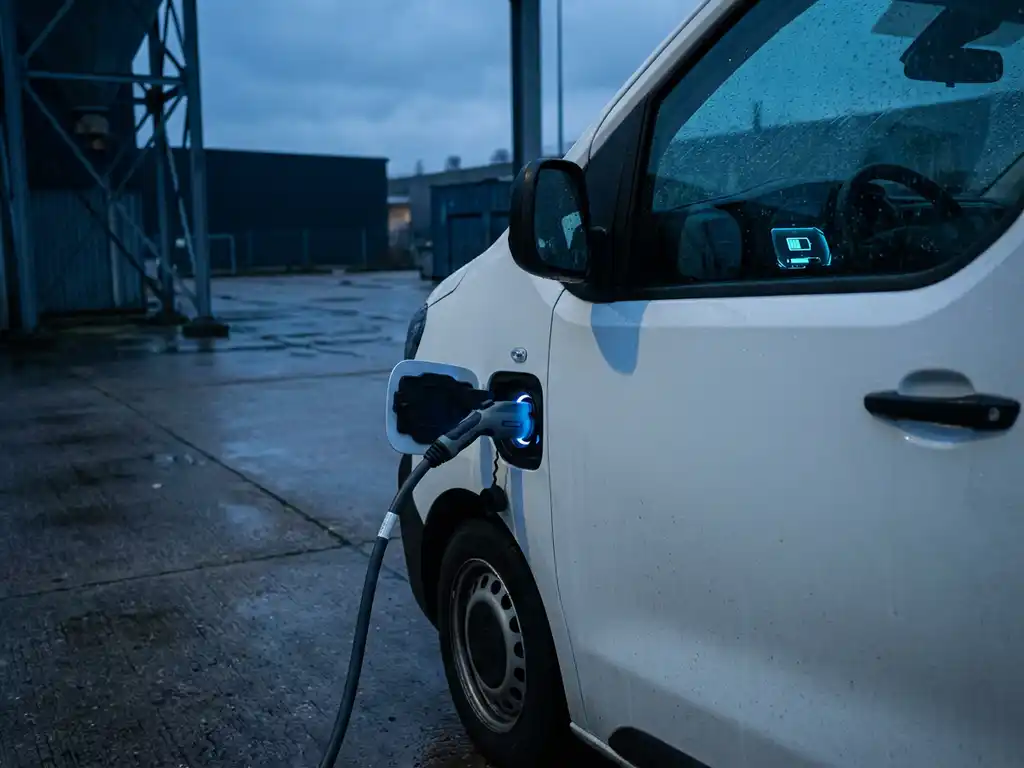
The biggest difference is in the attention paid to the battery and the electrical system. Your battery needs specific charge and temperature management. The cooling system for the battery requires periodic checks, as do the electrical connections and charging port. Your vehicle's software also gets regular updates, similar to your smartphone.
Regenerative braking makes your brake pads and discs last much longer. Instead of just using friction to brake, the electric motor converts kinetic energy into electricity that goes back to the battery. This means your brakes are put under less strain and last longer.
How do you care for your electric utility vehicle's battery?
Your electric utility vehicle's battery will last the longest if you Regular loading between 20% and 80%. Avoid driving completely empty or charging constantly to 100% unless you have a long drive ahead. Fast charging is convenient for travelling, but preferably use a regular charging station at home for everyday use.
Temperature plays a big role in the life of your battery. Park your commercial vehicle in the shade or covered areas whenever possible. In extreme cold or heat, the battery uses more energy for temperature regulation. In winter, you can pre-heat your vehicle while it is still on the charger so that your battery does not have to warm up while driving.
Look out for warning signs such as suddenly reduced range, longer than normal charging times or error messages on the dashboard. If you notice that the battery is draining faster than usual, have this checked. Modern batteries have a battery management system that protects the cells, but extreme conditions can still cause damage.
What maintenance costs can you expect with electric commercial vehicles?
Maintenance costs for electric commercial vehicles are on average 30-50% bearing than for diesel or petrol versions. You save on engine oil, filters, spark plugs and exhaust systems. The brakes also last longer due to regenerative braking, saving you money on brake pads and discs.
Electric vehicle tyres may wear slightly faster due to the higher weight of the battery and the direct torque of the electric motor. Choose tyres suitable for electric vehicles; these are often optimised for lower rolling resistance and noise reduction. Regular tyre rotation helps achieve even wear.
However, some repairs can be more expensive because you need specialised garages. Not every mechanic is certified to work on high-voltage systems. On the other hand, things don't break down as often, so over the entire life of your commercial vehicle, you usually come out cheaper with electric.
When should you go to the garage with your electric utility vehicle?
Most electric commercial vehicles have service intervals of 12 months or 20,000 kilometres, which is longer than for traditional vehicles. These checks focus on the battery, electrical systems, air conditioning and general safety rather than engine maintenance.
Seasonal maintenance remains important. Before winter, check your tyres, wipers and lights. In summer, pay extra attention to battery cooling and air conditioning. The 12V battery (not the main battery) still needs periodic checks, just like regular cars.
Go to the garage if your dashboard shows warning lights, hears unusual noises or if the range suddenly decreases. A check-up is also wise if you experience charging problems or the air conditioning is not working properly. You can often install software updates yourself, but sometimes this has to be done at the dealer.
How Van den Hurk helps with electric commercial vehicles
We understand that the move to electric commercial vehicles questions about maintenance and costs. With our 60 years of experience in commercial vehicles, we will help you make the right choice and guide you through the whole process.
Our service for electric commercial vehicles includes:
- Personal advice on which electric company car suits your business
- Explaining maintenance costs and practical differences from traditional vehicles
- Support in finding suitable charging solutions
- Flexible leasing options that take into account lower maintenance costs
- Ongoing guidance after purchase for optimal use
Want to know which electric company car best suits your situation? Contact us for a no-obligation discussion. We will be happy to help you with practical information on maintenance, costs and the possibilities electric driving offers your company.