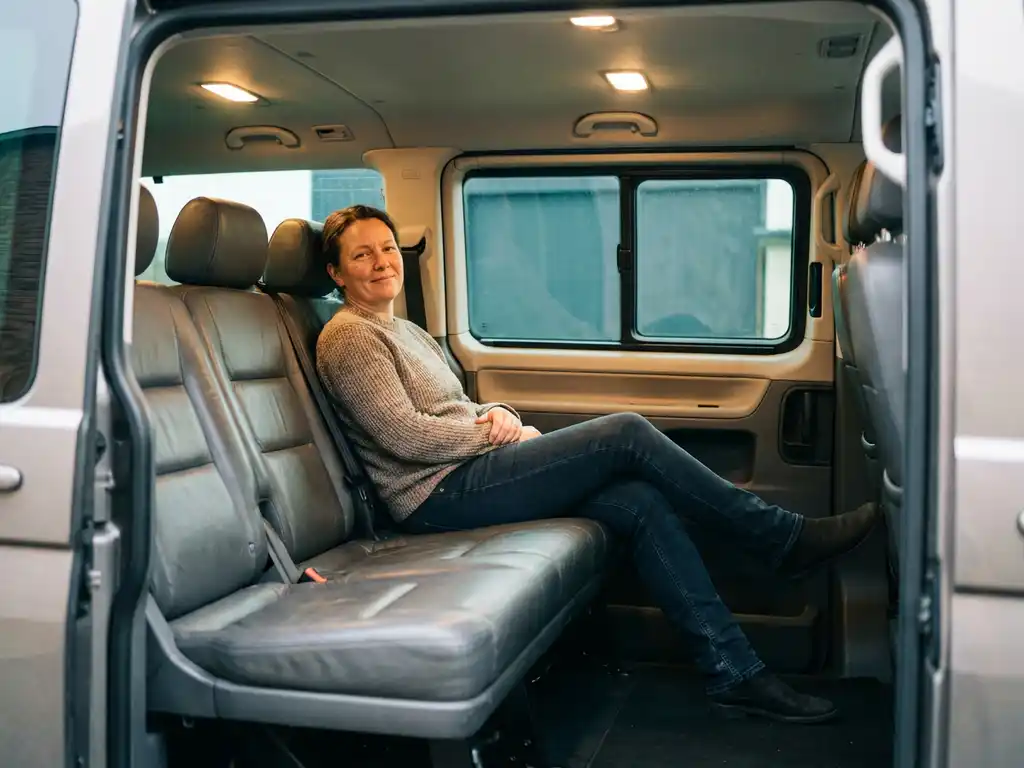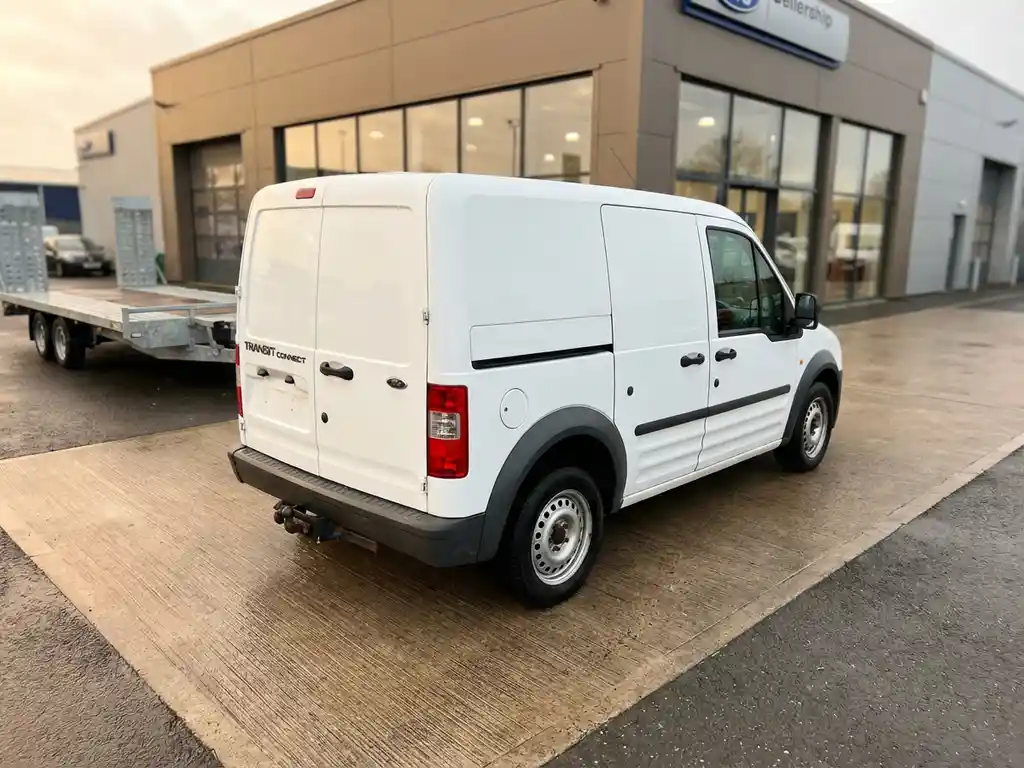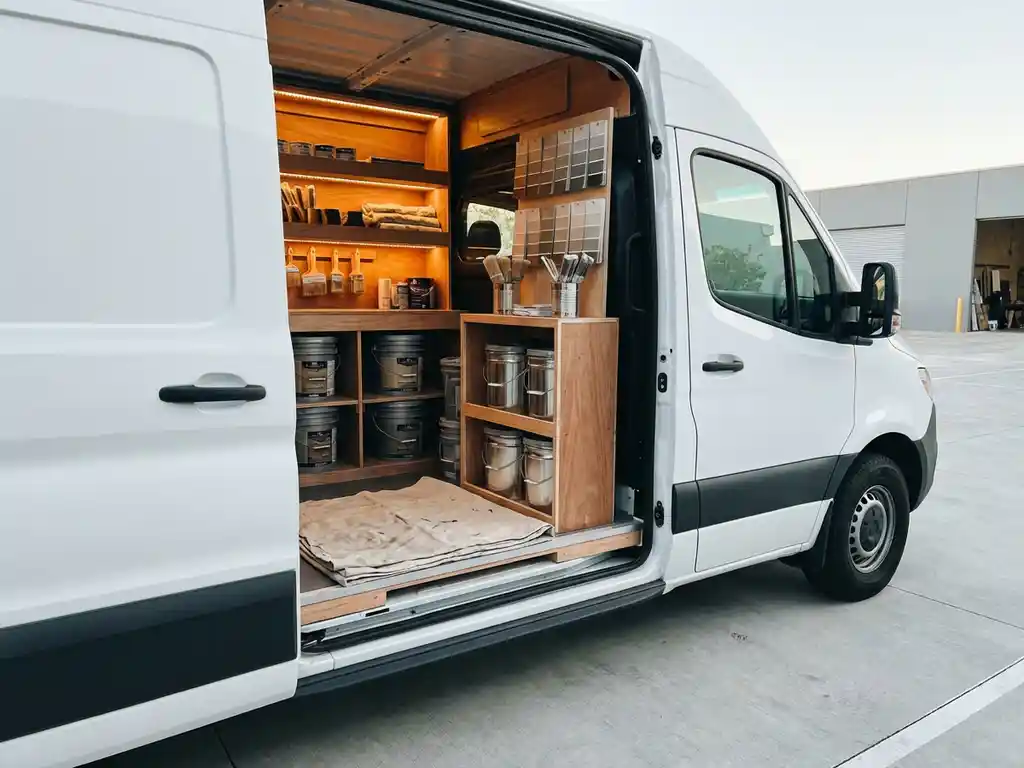

How comfortable is the back seat in a double cab commercial van?
A double-cab company bus allows entrepreneurs to carry both people and materials. But how comfortable do you actually sit in the back of such a vehicle? That's a question many buyers ask before buying a double cab commercial van. In this article, we answer the most frequently asked questions so you know exactly what to look out for.
Whether you want to buy a small van for daily use or are considering leasing an electric commercial vehicle, rear passenger comfort plays a bigger role than many people think beforehand. We take you step by step through everything you need to know about seating comfort in a double-cab van.
What is a double cab company bus?
A double-cab commercial van is a van or light truck in which the cabin is extended to accommodate multiple passengers, typically five or six people. In addition to the driver and passenger seat, the vehicle has a full-sized rear seat, allowing it to serve as a means of transporting goods as well as people.
The major advantage of this type of vehicle is the combination of cargo space and seating capacity. Although the cabin occupies part of the total length of the vehicle, there is still usable cargo space left behind the rear seats. This makes the double-cab bus Popular with construction companies, installers and other professionals who drive a team of colleagues every day and want to carry tools or materials at the same time.
What are the most common body shapes?
Commercial double-cab vans are available in different versions. The most common are the double-cab pick-up, the closed van with extended cab and the minibus. Each version has its own ratio of passenger space to cargo space, and that ratio helps determine how much legroom the rear passengers get.
How comfortable is the back seat in a double cab bus?
The back seat in a commercial double-cab van is functional, but it usually offers less comfort than the back seat of a passenger car. Legroom is limited, the seat is often harder and the suspension is tuned to load rather than passenger comfort. For short trips, this is fine; for longer journeys, it requires a conscious choice.
That said, there are big differences between makes and models. Newer generations of double-cab buses have improved significantly in terms of comfort in recent years. Manufacturers such as Volkswagen, Ford, Mercedes-Benz and Renault are investing more and more in ergonomically sound rear seats, better sound insulation and improved suspension. The result is that some models come close to a compact MPV in terms of rear driving comfort.
What do you notice most as a rear passenger?
Rear passengers in a double-cab bus notice the difference mainly in three areas: legroom, seat height and vibration level. Legroom is tight in most models for adults of average or taller height. Seat height is often higher than in a passenger car, which some people find pleasant. Vibration levels depend on the road surface and vehicle load, and can be quite high when empty.
What factors determine seating comfort in the back of a commercial van?
Seating comfort in the back of a double-cab bus is determined by a combination of five factors: legroom, seat width, suspension quality, sound insulation and the presence of features such as belts, ventilation and heating. Each of these factors contributes to how pleasant it is to ride along as a rear passenger.
- Legroom: This is often the biggest pain point. The distance between the rear seats and the front seats varies by model and directly affects driving comfort for taller passengers.
- Suspension quality: Commercial vehicles are designed with suspension tuned for load. An empty cargo area creates more shocks and vibrations felt by rear passengers.
- Sound insulation: Vans are naturally noisier than passenger cars. Better sound insulation in newer models makes long journeys more pleasant.
- Ventilation and heating: Not all double-cab buses have separate air conditioning for the rear passengers. This can make a difference in summer or winter.
- Seatbelt comfort: The position and adjustability of the rear seatbelts help determine how comfortable a longer drive is.
Besides these technical factors, the driver's driving style also plays a role. A quiet driving style partly compensates for the harder suspension of a company car. If you regularly take along rear passengers, it is wise to factor this into your driving style.
What is the difference in comfort between popular double cab models?
The most popular double cab models in the Netherlands, including the Volkswagen Transporter, Ford Transit Custom, Mercedes-Benz Vito and Renault Trafic, differ noticeably in the comfort they offer in the rear. The Volkswagen Transporter and Mercedes-Benz Vito are known for higher trim quality and more legroom in the rear. The Ford Transit Custom scores well on suspension quality. The Renault Trafic offers good value for money, but has less legroom.
Volkswagen Transporter and Mercedes-Benz Vito
The Volkswagen Transporter Double Cab and the Mercedes-Benz Vito are often praised for their higher finish quality. The rear seat is wider and better padded, and legroom is slightly larger than average in this segment. Both models are also available in versions specifically geared to passenger transport, with additional features for rear passengers.
Ford Transit Custom and Renault Trafic
The Ford Transit Custom has a good reputation for ride comfort thanks to improved suspension in more recent generations. The Renault Trafic is a popular choice for entrepreneurs who want to buy a good small van without paying too much, but legroom in the rear is more limited than in Volkswagen and Mercedes. For short to medium journeys, this is not a problem; for daily use with adult rear passengers, it is an issue to consider.
Is a double cab bus suitable for daily passenger transport?
A double-cab bus is suitable for daily passenger transport on shorter distances, such as commuting or trips to a construction site. For journeys of more than an hour a day or for regularly longer distances, the comfort in the back is too limited for many people to consider it an ideal solution. Suitability depends a lot on the model and the passengers' requirements.
For care transport, school transport or other specialised passenger transport, special versions are available that focus more on passenger comfort. Think of models with extra insulation, upgraded seats and sometimes even individual climate control in the rear. These versions are closer to a minibus in terms of comfort than a standard van.
When is a double cab bus a good choice for passenger transport?
A double cab bus is a good choice if you transport a small team of employees daily over relatively short distances and want to carry tools or materials at the same time. It is also a useful choice if you are looking for a vehicle that can be used for both business and private purposes. In that case, the double cab offers more flexibility than a standard van, without the need for two separate vehicles.
What should you look out for when buying a double cab commercial van?
When buying a double cab commercial van, pay attention to rear legroom, suspension quality, available passenger comfort options, payload capacity and total cost of ownership. Test drives with rear passengers on board are important to get a realistic picture of the daily ease of use.
- Test drive with rear passengers: Have someone ride in the back during the test drive to assess legroom and ride comfort.
- Compare models side by side: Sit in the back seat yourself at several models before making a decision. Paper specifications don't say everything about actual comfort.
- Check the options: Many manufacturers offer optional comfort packages for rear passengers, such as heating, extra insulation or ergonomic seats.
- Consider the cargo space: A bigger cabin means less cargo space. Make sure the ratio is right for your daily use.
- Consider electric: When leasing or buying a electric company car models are sometimes available with a quieter and more comfortable ride, which also benefits rear passengers.
- Look at the history of use on a used bus: A well-maintained used double cab bus can offer excellent value for money, especially if the suspension and upholstery are still in good condition.
Besides comfort, it is also wise to include tax considerations in your consideration. A double-cab van falls under different tax rules than a standard van, as the vehicle is also suitable for passenger transport. Be well informed about this before making your choice.
How we help you choose the right commercial double cab van
At Van den Hurk Bedrijfswagens, we are happy to help you find a double-cab van that suits your daily needs. Whether you want to buy a small van for a small team, lease an electric commercial vehicle or are looking for a specific version with extra passenger comfort: we actively think along with you. Our approach is concrete:
- We discuss your usage: how many passengers, what distances and what charging needs.
- We show you several models from our commercial vehicle stock, including the opportunity to sit in the back and take a test drive.
- We compare buying and leasing options transparently, so you know the total cost.
- We inform you about the tax implications of a double cab bus in your situation.
Contact us or visit us in Helmond to discuss the possibilities. We will be happy to help you with honest advice that suits your business and budget.