
Is buying a used small van a good idea?
Buying a used small van is an attractive option for many entrepreneurs. Whether you are a sole trader looking for an affordable work van or an SME looking to expand your fleet, a used small van often offers a good combination of price, practicality and low fixed costs. But is it always a wise choice?
In this article, we answer the most frequently asked questions about buying a used small van. From the benefits and pitfalls to comparing it to new and where to buy reliably. This will help you make an informed choice that suits your business.
What exactly is a small van?
A small van is a light commercial vehicle with a payload of up to about 1,000 kilograms and a maximum permissible gross vehicle weight of 3,500 kilograms. Well-known examples are the Volkswagen Caddy, Renault Kangoo, Ford Transit Connect and the Citroën Berlingo. They are more compact than a large van, but more spacious than a passenger car with a towbar.
Small vans come in different versions. The most common are the closed cargo van for carrying goods and the double cab variant, also known as the company bus with double cabin. With a double cab, you have both a spacious passenger compartment and a cargo area, which is handy if you are driving a small team and want to carry materials at the same time.
Which versions are there?
- Closed van: maximum cargo space, ideal for couriers, craftsmen and suppliers
- Double cabin: combination of passenger compartment and load compartment, suitable for shifts and service technicians
- Open cargo box: less common in small vans, but available for specific applications
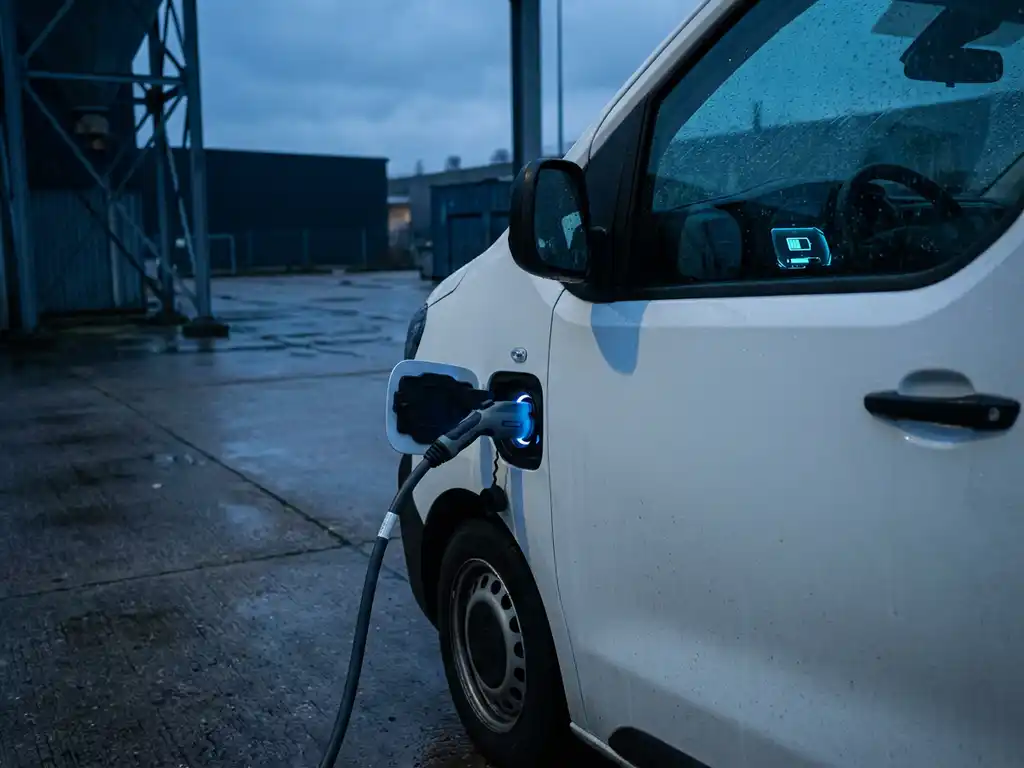
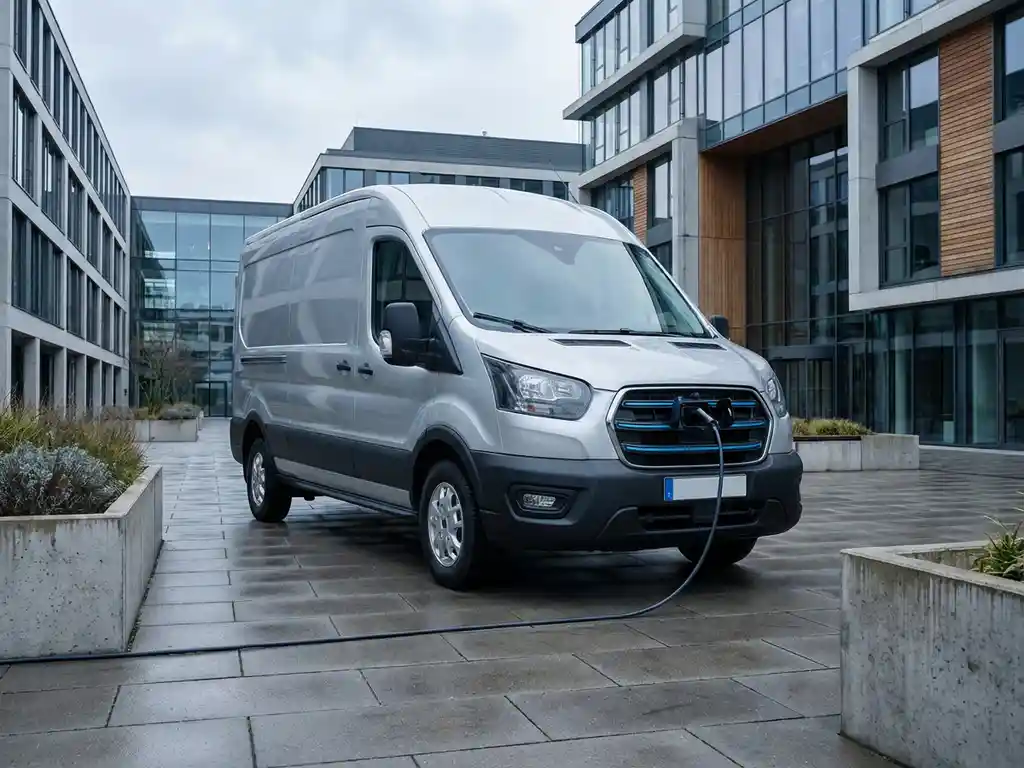
- Electric version: increasingly available, interesting for city drivers and companies with sustainability objectives
Small vans fall under the light commercial vehicle category and are popular with self-employed workers, small contractors, delivery services and healthcare providers. They are easy to park, economical to run and usually cheaper to maintain than larger alternatives.
What are the advantages of a used small van?
Buying a used small van offers the biggest advantage of a significantly lower purchase price compared to a new one. Depreciation in the first few years is highest for new vehicles, so as a second-hand buyer, you immediately benefit from the depreciation in value borne by the first owner. This makes the entry threshold low and the payback period short.
Besides price, there are more benefits that make a used van attractive:
- Lower insurance premium: the daily value of a used vehicle is lower, which directly affects the premium
- Immediate availability: used vehicles are usually available faster than new vans with long waiting times
- Proven reliability: with popular models, you already know what the weaknesses are and how the vehicle performs in practice
- Lower motor vehicle tax: depending on weight and fuel type, the load may be lower than for heavier, newer models
- Flexibly deployable: an affordable second-hand bus is ideal as an additional vehicle or as a temporary solution when growing
For many business owners, a used small van just does what it needs to do, without the high financial obligations of a new vehicle. Especially if you do mileage in and around town, a well-maintained used van is a smart business choice.
What should you look out for when buying a used van?
When buying a used van, it is important to look beyond the asking price. Always check the service history, mileage, MOT status and bodywork for rust or damage. A vehicle that looks good on the outside may be technically outdated or have an unreliable history.
Technical control
Always ask for the service booklet or a digital service history. A regularly serviced vehicle will have a longer life and ensure fewer surprises. Also pay attention to the condition of the tyres, brakes and the timing belt or timing chain, as replacing these can be a hefty expense.
Documentation and registration number
Check that the registration certificate matches the vehicle and that there is no outstanding financing on the vehicle. Through the RDW website, you can request basic details of a vehicle. A vehicle history report through an authorised service will give you insight into previous damages, owners and mileage.
Practical concerns
- Check the load compartment for damage or moisture spots
- Test all electronics, including lights, windows and air-conditioning system
- Ask for reason for sale
- If in doubt, have the vehicle inspected by an independent workshop
- Compare the requested price with similar vehicles on the market
A thorough inspection will take some time, but it will prevent you from buying a vehicle that will cost you a lot in repairs in the short term. Take your time and don't let a salesperson rush you.
What are the disadvantages and risks of buying second-hand?
The biggest risk of buying a second-hand small van is that you have less certainty about the technical condition and full history of the vehicle. Unlike a new vehicle, you have no manufacturer's warranty and hidden defects are not always visible during an initial inspection. This can lead to unexpected costs after purchase.
Other drawbacks to consider:
- No or limited warranty: with private sales, you usually buy without warranty; at an authorised dealer, warranty is sometimes possible
- Higher fuel costs: older vehicles are less fuel-efficient than newer generations with modern engine technology
- Environmental zoning: an increasing number of cities have environmental zones banning older diesel vehicles; this may limit your area of operation
- Outdated technology: older models lack modern safety and driver assistance systems that are standard on new vehicles
- Higher maintenance costs over time: as a vehicle ages, the likelihood of wear and tear and repairs increase
These risks are not insurmountable, but they require conscious consideration. A used vehicle from an authorised company with a transparent history offers more security than a purchase through a private advertisement. Preferably choose a vehicle that has been recently inspected and whose service history is fully available.
Used or new: which is the best choice for your business?
Whether second-hand or new is the best choice depends on your budget, driving habits, business needs and the time frame in which you intend to use the vehicle. Used is more financially attractive in the short term, while new offers more security in terms of technology, warranty and durability.
Choose second-hand if
- your budget is limited and you want to be operational quickly
- you want to use the vehicle for a limited number of years or kilometres
- you drive outside environmental zones or in areas without restrictions for older vehicles
- you are looking for an additional vehicle to complement your existing fleet
Choose new as
- you want full warranty and certainty about the technical condition
- you drive intensively and factor in high annual mileage
- you want to benefit from the latest safety and emissions regulations
- you are considering a lease electric company car, with new models offering the most benefits in terms of subsidies and tax deductions
Lease is an interesting intermediate form in this respect. With operating lease, you drive a new vehicle without any major upfront investments, while the monthly costs remain predictable. For companies that want to switch to electric driving, leasing an electric company car is often the most accessible route. This way, you benefit from lower additional taxes and possible subsidies without having to pay the full purchase price.
Where can you reliably buy a used small van?
You can buy a used small van most reliably from an authorised commercial vehicle company or a specialised dealer. They usually offer controlled stock, a transparent vehicle history and sometimes a guarantee. Buying privately through classifieds sites is cheaper, but carries more risk as you have less certainty about the vehicle's condition and background.
When choosing a provider, pay attention to the following points:
- Does the company have a physical location where you can view the vehicle?
- Is a clear maintenance and inspection history available?
- Does the provider offer a warranty or guarantee scheme?
- Are there multiple vehicles available so you can compare?
- Is there room for tailored advice, including on financing or leasing?
A specialised commercial vehicle company also has knowledge of the business market and can advise you on which type of vehicle best suits your work, driving habits and budget. This is an advantage that a private seller simply cannot offer.
How we help you find the right small van
At Van den Hurk Bedrijfswagens, we are happy to help you find a reliable small van that fits your business and budget. With more than 60 years of experience in the Helmond region and a large, diverse stock, we know exactly what to look for and which vehicles offer real value in practice.
Here's what we can do for you:
- Personalised tailor-made advice tailored to your work and driving profile
- A wide range of used small vans, including double-cab variants and electric models
- Transparent information on the vehicle history and technical condition of each vehicle
- Flexible options for buying, financing or leasing, including for electric commercial vehicles
- A handy stock alert service, so you are the first to know about new arrivals
Whether you are looking for a compact van for daily use, a double-cab company van for your team or information on leasing an electric company van: we are happy to think along with you. Contact us or take a look at our current offer of commercial vehicles and find out what we can do for your business.