
Is buying a small van with a high roof possible?
Buying a small van is a practical choice for many entrepreneurs: compact, manoeuvrable and economical to run. But what if you also want to be able to work standing up in the cargo space, or transport materials that need just a bit more height? Then the question quickly arises: is a small van with a high roof actually an option? The answer is yes, and in this article we explain to you exactly what to expect.
Whether you are a self-employed person transporting tools, run a small logistics business or are considering switching to electric company car leasing: a small van with raised roof offers more options than many people think. We answer the most frequently asked questions so you can make an informed choice.
What exactly is a small van with a high roof?
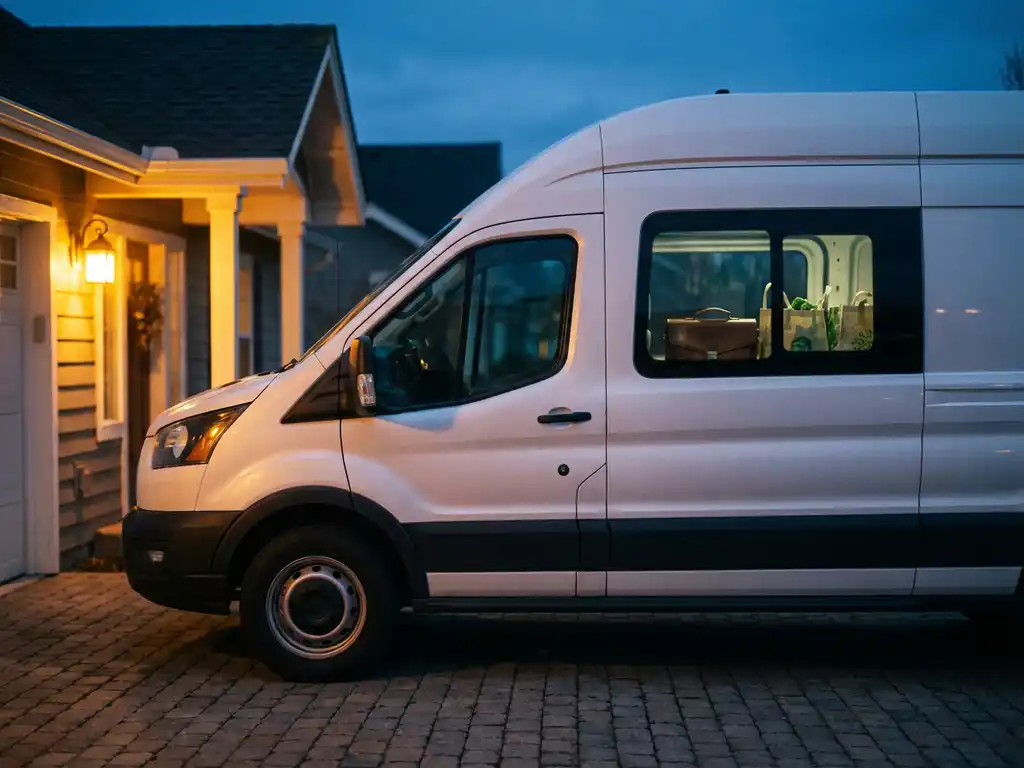
A small van with high roof is a compact commercial vehicle where the cargo area has a raised roof structure compared to the standard model. This provides more internal height, allowing you to stand upright or almost upright in the cargo space. The vehicle remains compact in terms of length and width, but gains considerable volume.
The term ‘high roof’ or ‘raised roof’ refers to the additional roof structure that manufacturers offer as standard as a variant of their base model. Think of a van in the 5 to 6 metre length class, but with an internal headroom of 1.80 metres or more. That's a big difference from a standard cargo van, where you often only have 1.30 to 1.50 metres of height.
What is the difference with a medium-high roof?
Some manufacturers also offer an intermediate form: the medium-high roof. This sits between the standard low roof and the full high roof in terms of height. The medium-high roof gives you a bit more space, but in most cases you can't fully stand upright in it. For jobs where you use the cargo space intensively, the full high roof is usually the better choice.
Which small vans are available with high roofs?
Several well-known brands offer their compact vans with a high roof variant. The most common models in this segment are the Volkswagen Caddy Maxi, the Ford Transit Connect L2, the Renault Kangoo L2, the Citroën Berlingo XL and the Peugeot Partner L2. All these models are available in an extended version with raised roof.
Besides these popular brands, variants from Mercedes-Benz (the Citan L2) and Opel (the Combo Cargo XL) also operate in this segment. The range varies by manufacturer, but most major brands recognise the demand for more cargo volume in a compact format and now offer several roof variants as standard.
What is the load volume of a small van with a high roof?
The load volume of a small high-roof van varies, but is typically between 3.5 and 4.9 cubic metres. By comparison, a standard small van often has a load volume of 2.5 to 3.3 cubic metres. The combination of the extended body and raised roof makes this difference. For many professions, such as plumbers, electricians or couriers, this extra volume is a great practical advantage.
What are the advantages of a small van with a high roof?
A small high-roof van combines the compact dimensions of a small commercial vehicle with the load capacity of a medium-sized van. You benefit from more space without sacrificing manoeuvrability, parking possibilities or fuel consumption. This makes this type of vehicle particularly suitable for urban distribution and craft trades.
The benefits at a glance:
- More headroom: You can work upright in the cargo area, which is physically less stressful when used for long periods.
- Larger cargo volume: You transport more goods per trip, saving time and fuel costs.
- Compact outer dimensions: You drive more easily through narrow streets and park in standard parking spaces.
- Lower vehicle costs: Purchase price, insurance and road tax are lower than for a large van.
- Better driveability: A small van drives more comfortably and is less tiring on long trips than a large van.
For sole traders and small businesses that transport materials or packages daily, the combination of compactness and volume offers relevant added value. You don't have to choose between space and convenience.
What should you look out for when buying a small van with a high roof?
When buying a small high-roof van, there are a number of things you should check carefully beforehand. Consider the internal dimensions, payload capacity, the condition of the vehicle when buying a used car and whether the vehicle suits your specific use. Good preparation will prevent disappointments afterwards.
Check internal height and loading length
Not every ‘high roof’ is the same height. Always check the exact internal headroom of the model you are considering. Some manufacturers speak of a high roof at an internal height of 1.60 metres, while others use that term only from 1.80 metres. Also measure the load length and the width between the wheel arches, as these determine what materials or pallets you can load.
Pay attention to payload
A small van has a limited load capacity, even with a high roof. The maximum payload is between 600 and 900 kilograms for most models in this segment. If you are transporting heavy material, it is wise to compare this with your actual needs. Exceeding the load capacity is not only dangerous, but also not allowed by law.
Assess the condition of a used van
If you buy a used small van with a raised roof, check the condition of the roof itself extra carefully. A raised roof structure can be more susceptible to rusting or damage, especially if the vehicle has been used intensively. Get a technical inspection and always ask about the vehicle's maintenance history.
Consider the parking height
A high roof not only increases the internal space, but also the external height of the vehicle. Check whether you can still fit into your own garage or shed with this vehicle, and whether you can use the car parks you frequent. Most small high-roof vans have an external height of 1.90 to 2.10 metres.
Is a small van with a high roof also suitable as an electric utility vehicle?
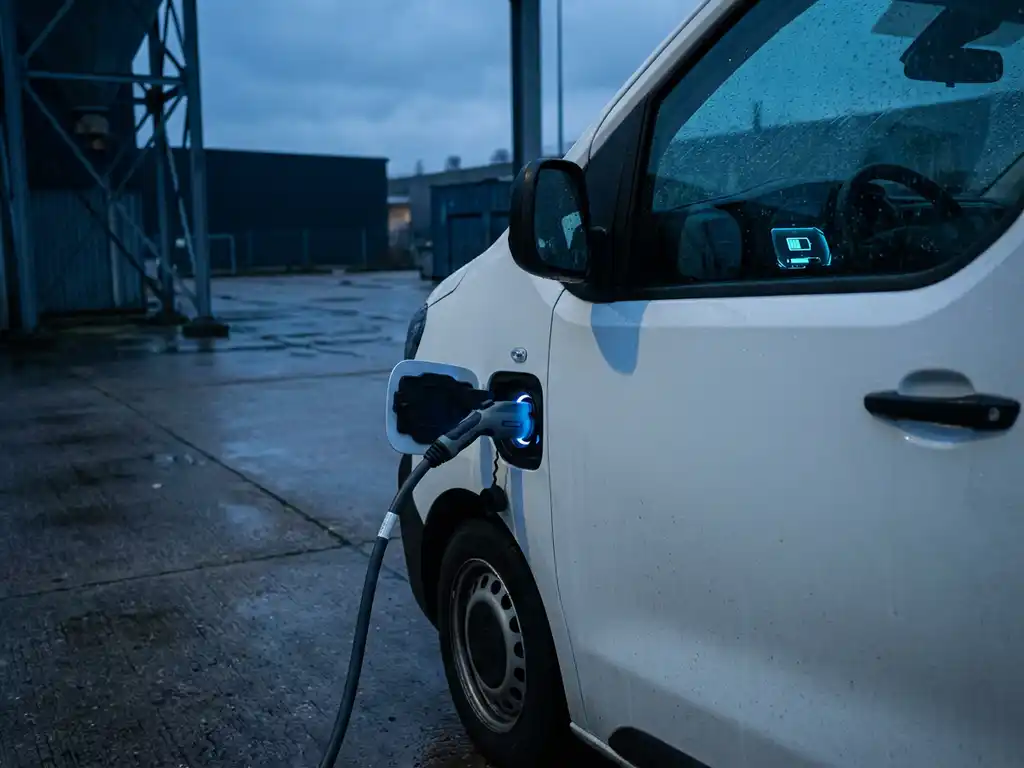
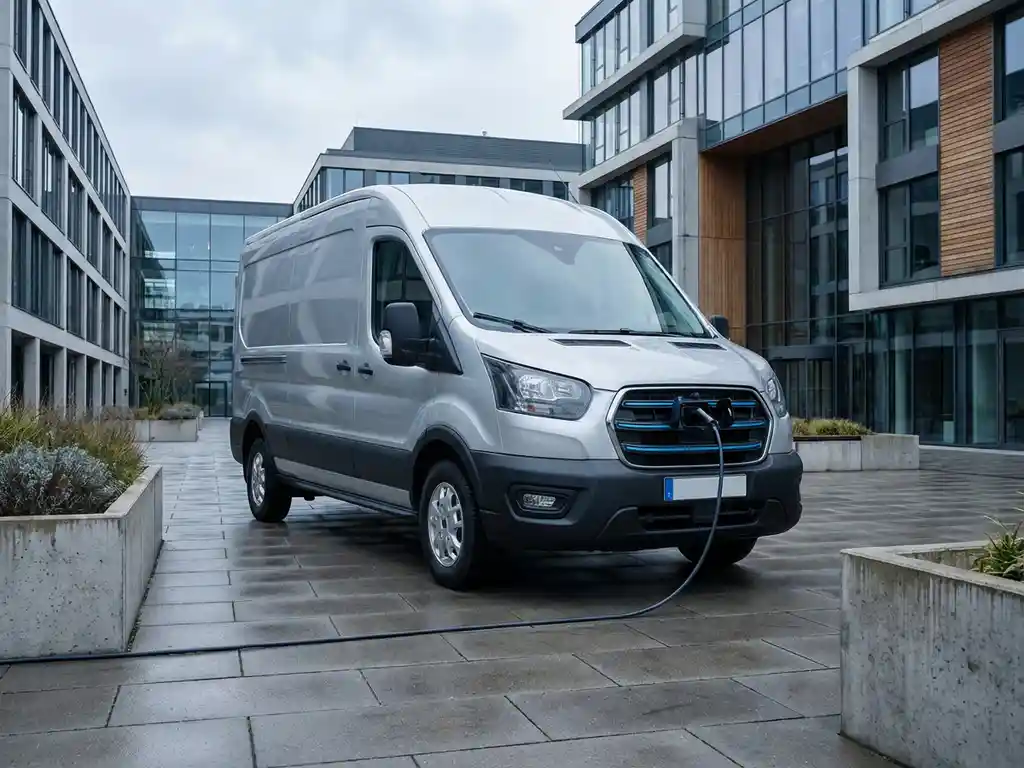
Yes, a small van with high roof is increasingly available as a full electric company car. Models such as the Renault Kangoo E-Tech Electric, the Citroën ë-Berlingo and the Stellantis variants (Peugeot e-Partner, Opel Combo-e Cargo) are already available as electric versions with raised roofs. This makes them interesting for entrepreneurs who want to become more sustainable without compromising on cargo volume.
For electric company car leasing, this segment is particularly relevant. The range of these models is typically between 200 and 300 kilometres per charge, which is more than sufficient for city distribution and regional use in most cases. Moreover, electric commercial vehicles benefit from tax advantages, lower fuel costs and, in an increasing number of cities, also access to zero-emission zones.
What are the advantages of electric driving in this segment?
Electric driving in a small high-roof van has a number of tangible benefits for business users:
- Lower fuel costs per kilometre compared to petrol or diesel
- Less maintenance due to fewer moving parts in the driveline
- Access to zero-emission zones in inner cities
- Favourable tax treatment in leasing through the addition scheme
- Quiet and comfortable ride, even in heavy city traffic
The electric variants of small high-roof vans are also excellent for electric company car leasing, as the fixed monthly costs are easy to plan and you will not face any surprises due to fluctuating fuel prices.
Where can you buy or lease a small van with a high roof?
You buy or lease a small high-roof van from a specialist commercial vehicle supplier. Both new and used variants are available through dealers and independent traders. With leasing, you have a choice between financial leasing, where you can buy the vehicle at the end of the term, and operational leasing, where you return the vehicle at the end of the term.
When buying or leasing, pay attention to the total cost over the term, not just the purchase price or monthly amount. Think about insurance, maintenance, tyres and any residual value with financial leasing. A specialised supplier can advise you on this and compare the options side by side so that you make a choice that suits your situation.
How we help you find the right small van
At Van den Hurk Bedrijfswagens, we specifically help you find a small van with a high roof that suits your work and budget. With more than 60 years of experience in the Helmond and North Brabant region, we know the market and know what entrepreneurs need. Whether you want to buy or lease, are looking for a used or new vehicle, or are specifically looking for an electric commercial vehicle: we think along with you.
What we can do for you:
- Tailor-made advice based on your profession, charging needs and budget
- A large stock of used and new small vans, including high roof models
- Flexible leasing options for both sole traders and fleet companies
- Electric company car lease with guidance on tax benefits
- Stock alert via our website, so you are the first to know about new offers
Want to know which small van with high roof is now available in our current offer of commercial vehicles? Contact us or view stock online. We will be happy to help you with honest advice and a transparent price.