
Which small van has the highest residual value?
When you buy a small van, you probably think about payload, driving comfort and purchase price first. But there is another factor that makes a big difference to your total cost: residual value. A van with a high residual value will fetch you considerably more when you sell or trade it in, lowering your total cost of ownership considerably. Especially if you are considering leasing or changing vehicles regularly, this is an important part of your decision.
In this article, we answer the most frequently asked questions about residual value in small vans. From the factors that determine residual value to whether an electric commercial vehicle is smarter in the long run. This will help you make an informed choice when buying your next small van.
What is residual value and why is it important with a van?
The residual value of a van is the estimated value of the vehicle at some point in the future, expressed as a percentage of the original purchase price. The higher the residual value after three or four years, the less value the vehicle has lost. This directly determines how much you will get back on sale or trade-in.
For entrepreneurs and sole traders, residual value is relevant for several reasons. In a financing or operating lease, the residual value helps determine your monthly instalment. A vehicle with a high residual value has a smaller loss in value per month, which lowers your monthly payments. If you buy the van yourself, then the residual value determines how much you will get back later when you resell it.
Loss of value in the early years
Vans typically lose most of their value in the first two years. After that initial period, the loss of value stabilises. This means that a vehicle with a strong brand reputation and a proven reliability record is worth relatively more after three years than a brand that is less in demand on the used market. Those who buy smart take this into account even at the time of purchase.
What factors determine the residual value of a small van?
The residual value of a small van is determined by a combination of brand prestige, reliability, demand on the used market, mileage, maintenance status and equipment. Vehicles from brands with a strong reputation in the business market hold their value better on average than lesser-known alternatives.
Listed below are the most important factors:
- Brand and model: Brands such as Volkswagen, Ford and Mercedes-Benz are known for their high residual values in the van segment.
- Mileage: The less mileage, the higher the residual value. This is one of the most direct influences.
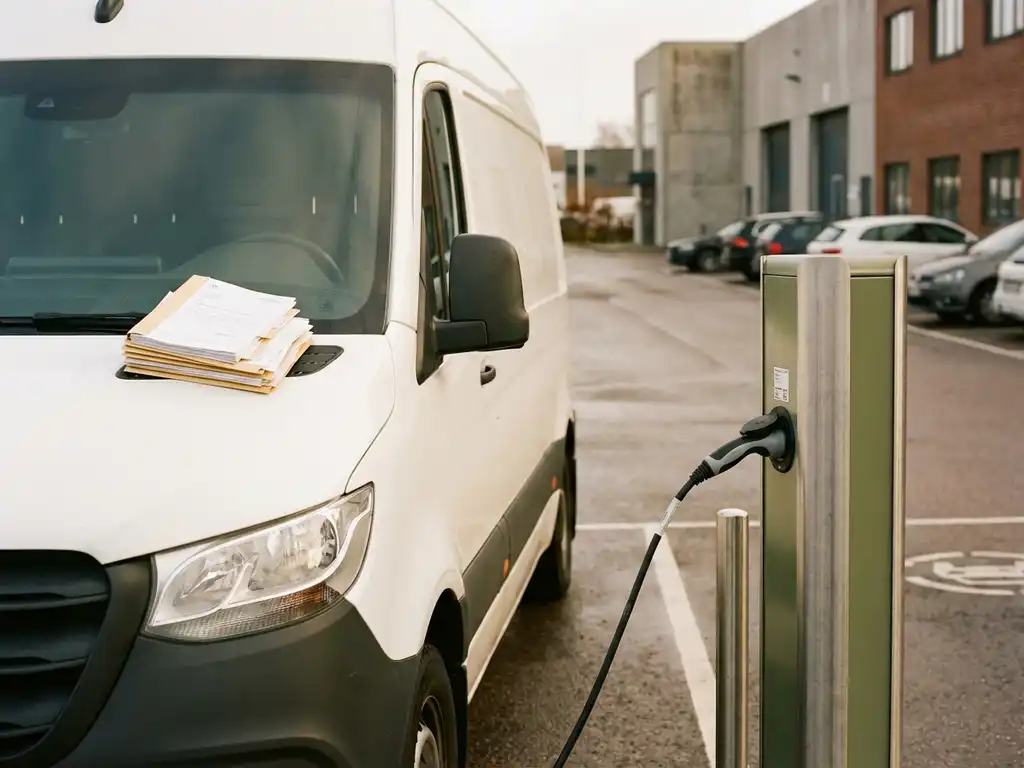
- Maintenance and service history: A fully documented maintenance history increases buyers' confidence and therefore the price.
- Equipment and options: Practical options such as a towbar, navigation or a double cabin increase attractiveness on the second-hand market.
- State of the vehicle: Dents, scratches or wear and tear on the interior significantly depress the value.
- Colour: Neutral colours such as white, grey and silver are more popular with business buyers and retain their value better.
The role of supply and demand
The second-hand market also plays a big role. If a particular model is popular among SMEs and logistics companies, demand remains high and so does the price. Models that are broadly useful, such as a compact van with a high payload, usually score well here. A niche vehicle, however useful for a specific use, sometimes has a smaller buyer base and therefore a lower residual value.
Which small vans have historically had the highest residual value?
Small vans from Volkswagen, Ford and Mercedes-Benz historically retain the highest residual values. The Volkswagen Transporter, Ford Transit Custom and Mercedes-Benz Vito have been known for years for their strong value retention, wide applicability and high demand on the used market.
Each of these models has features that contribute to a high residual value:
- Volkswagen Caddy and Transporter: Popular with sole traders and small businesses. A strong dealer network, a wide parts market and a reliable image keep demand structurally high.
- Ford Transit Custom: One of the best-selling vans in Europe. The model's wide availability of parts and versatility ensure a stable residual value.
- Mercedes-Benz Vito: Popular as a double-cab commercial bus for both transport and passenger transport. Premium positioning supports value retention.
- Renault Trafic and Opel Vivaro: Technically almost identical to each other. These models also score well on residual value due to their practicality and wide range of trims.
Double-cab vans
A commercial bus with double cab has a specific appeal on the second-hand market. This version combines passenger transport with cargo space, making it attractive to construction companies, installers and care transporters. Because the target group is broad, demand on the used market remains stable. This translates directly into a better residual value compared to a standard panel van of the same model.
Does an electric small van have a higher or lower residual value?
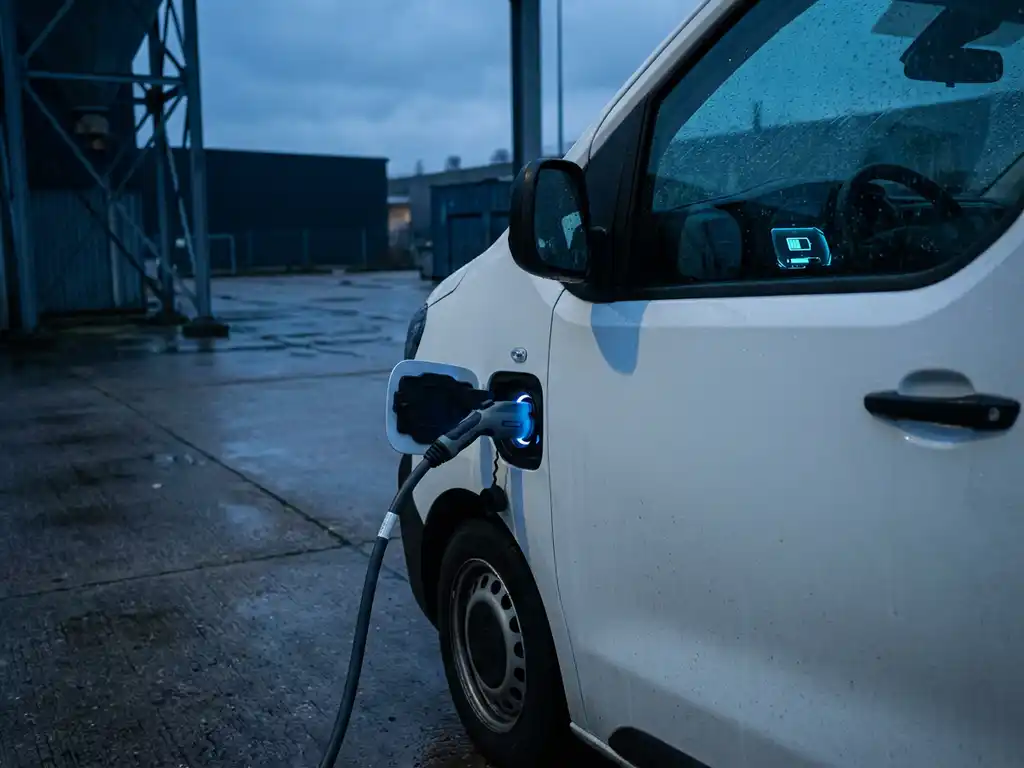
Electric small vans currently have on average a lower residual value than comparable diesel versions. This is mainly due to the rapid technological development of batteries and the uncertainty about battery life in the longer term. The used market for electric commercial vehicles is still developing.
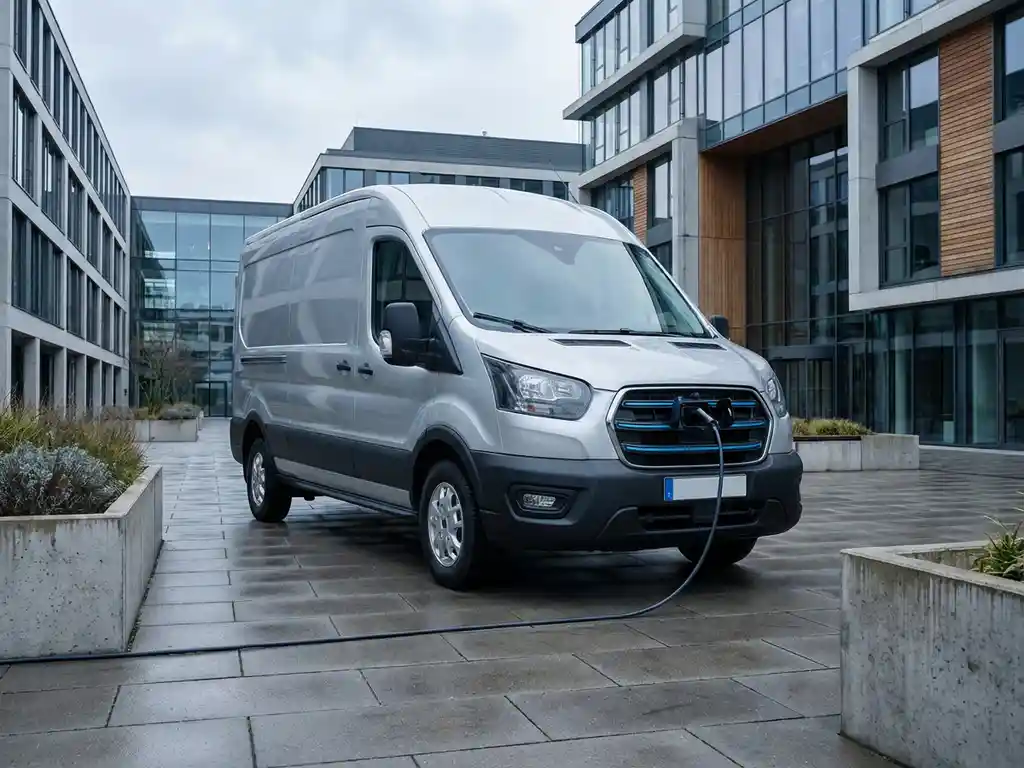
Yet the picture is nuanced. The residual value of electric vans is gradually improving as more buyers become familiar with the technology and the charging infrastructure improves. Models from established brands, such as the Volkswagen ID. Buzz Cargo, Ford E-Transit Custom or the Mercedes-Benz eSprinter, benefit from confidence in the parent brand and therefore perform better on the second-hand market than electric models from lesser-known brands.
What does this mean for electric company car leasing?
In electric company car leasing, residual value is particularly relevant because the leasing company bears the residual value risk in operating leasing. They translate that risk into a higher monthly lease payment for electric models. At the same time, there are tax advantages, such as lower additional tax rate and subsidies, that offset some of this difference. It is wise to compare the total cost over the term rather than just looking at the monthly instalment.
How does leasing affect the residual value of a small van?
With operating leases, the leasing company bears the residual value risk, not you. The residual value does directly determine your monthly lease payment: the higher the expected residual value, the lower the amount you pay monthly. A small van with a strong residual value is therefore cheaper to lease than a similar model with a lower residual value.
With finance leases or hire purchase, the situation is different. Here, you bear the residual value risk yourself. If the vehicle is worth less than expected at the end of the term, you pay the difference. If you opt for this type of lease, it is wise to consciously choose a model with a historically strong residual value.
Mileage and lease contract
The number of kilometres in your lease contract directly affects the residual value estimated by the leasing company. More kilometres means a lower residual value at the end of the term, leading to a higher monthly payment. If you drive less than agreed, with some contracts you will receive compensation for the kilometres not driven. Match your expected annual mileage to the contract as accurately as possible to avoid unnecessary costs.
What should you look out for when buying a used small van?
When buying a used small van, pay attention to the mileage, service history, the condition of the body and interior, and the technical condition of the engine and chassis. A full service history and a National Auto Pas (NAP) report will give you certainty about the vehicle's background.
Besides the technical state, there are some practical points you should not skip:
- NAP check: Always check that the odometer reading is correct through the National Auto Pas. Reversed meters also occur in commercial vehicles.
- Maintenance booklet: A fully stamped service booklet indicates that the vehicle has been well cared for and increases the reliability of the purchase.
- Technical inspection: Have the vehicle inspected by an independent mechanic before purchase, especially if you don't have your own technical knowledge.
- Damage history: Ask about previous damages and repairs. Hidden body damage can affect the value and safety of the vehicle.
- Tyre condition and brakes: These are parts that wear out quickly and are subjected to heavy loads in commercial vehicles. Check the remaining service life.
- Specific implementation: Consider whether a standard cargo space will suffice or whether you need a double cab, refrigerated van or other specific equipment.
Financing and guarantee
When buying, always enquire about the warranty conditions. With an authorised dealer, you usually get a warranty on the vehicle, which protects you from unexpected repair costs shortly after purchase. This is not the case with a private purchase. Also consider financing options: do you buy outright, or is leasing or hire purchase more financially attractive for your situation?
How we help you choose the right small van
At Van den Hurk Bedrijfswagens, we are happy to help you make the right choice. Whether you want to buy, lease or trade in a small van, we will look with you at what best suits your use, budget and long-term wishes.
Here's what we can do for you:
- Personal advice on models with a proven strong residual value in your segment
- Large stock of used and new commercial vehicles, including double cab versions, electric versions and refrigerated vehicles
- Flexible leasing and financing options, tailored to your business situation
- Transparent prices with no hidden costs
- A stock alert service, so you will be the first to know when the model you are looking for is available
With more than 60 years of experience in the Helmond and North Brabant region, we know what entrepreneurs need. Contact us or view our actual stock online to see which small vans are currently available.