
What are the advantages of leasing versus buying electric commercial vehicles?
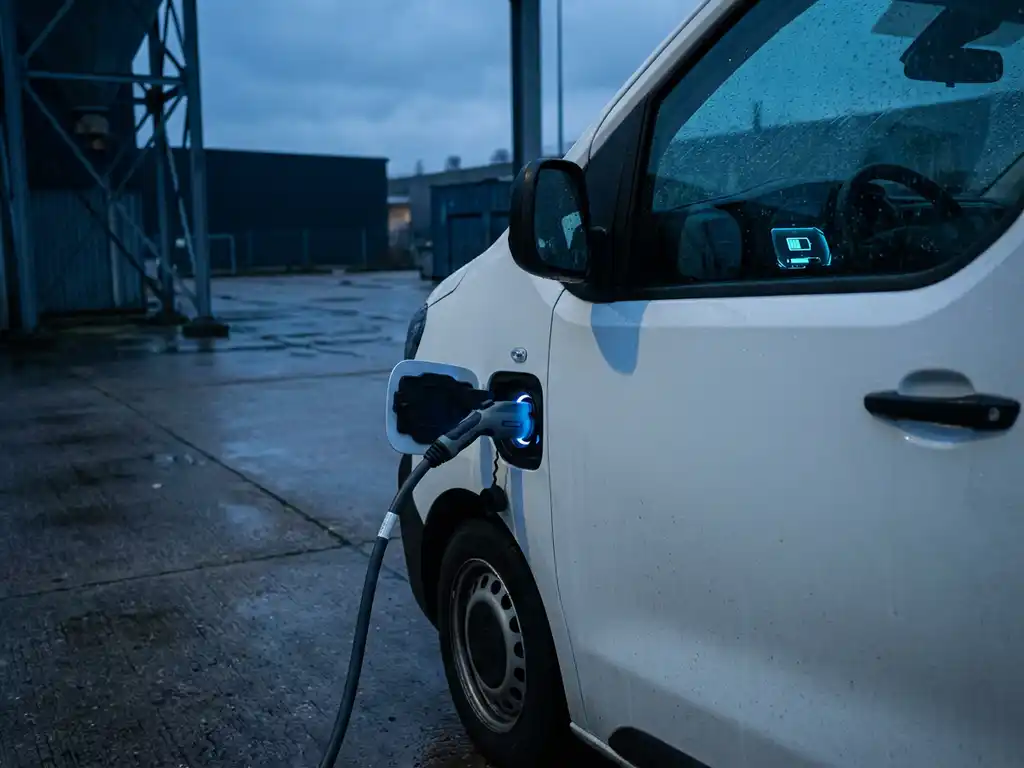
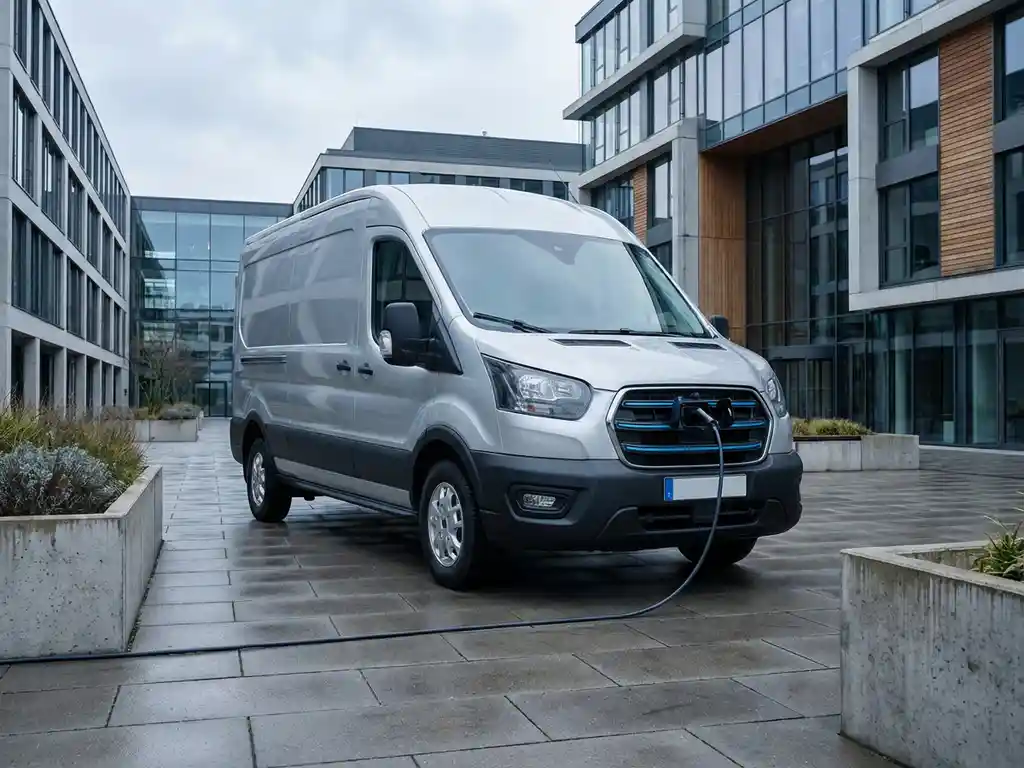
Leasing electric commercial vehicles offers lower monthly costs and flexibility, but you do not own the vehicle. Buying requires a higher upfront investment, but gives full ownership and control. Both options have different tax advantages, with leasing mainly interesting for cash flow and buying for long-term ownership. The best choice depends on your business needs, financial situation and future plans.
What are the main financial differences between leasing and buying?
At lease you pay a fixed amount each month without a large upfront investment, whereas buying requires a substantial purchase price but yields ownership. Leasing improves your cash flow as your capital remains available for other business investments.
When you buy an electric company car, you are an immediate owner and can depreciate the vehicle over several years. This does mean that you will have to finance the full purchase price or pay from your own resources. The value of your vehicle decreases every year due to depreciation.
With leasing, you only pay for the use of the vehicle during the contract period. Your monthly costs are predictable and often lower than the finance cost when you buy. The downside is that once the contract ends, you have not built up ownership.
The total cost over the lifetime varies from one situation to another. Buying is often more advantageous if you use the vehicle for a long time, while leasing becomes more interesting for shorter periods of use or if you want to change to newer models regularly.
What tax advantages do leasing and buying electric commercial vehicles offer?
Electric commercial vehicles offer significant tax advantages in both forms of financing. In leasing, you can deduct the full monthly cost as a business expense, while in buying, depreciation and financing costs are deductible.
As for VAT, for both options, you can reclaim it in full, provided the vehicle is used for business purposes. This is a big advantage over ordinary passenger cars, where VAT deduction is limited.
Since January 2025, electric commercial vehicles have become even more attractive as traditional fuel vehicles are subject to the BPM levy. Electric vehicles remain exempt from this, further increasing the cost differential in favour of electric driving.
When leasing, you benefit from the 0% additional tax rate for electric company cars if you also use the vehicle privately. When buying, the same benefit applies. This makes a significant difference to your personal tax bill compared to traditional company cars.
The investment deduction can provide additional tax benefits when buying an electric company car. This is a one-off deduction on top of regular depreciation, which improves your cash flow in the first year.
How flexible are you with leasing versus buying with changing business needs?
Leasing offers more flexibility with changing business conditions, as you can choose a different vehicle, different contract terms or even stop leasing at the end of the contract. With buying, you are stuck with the vehicle until you sell it.
With a lease contract, you determine in advance the term and mileage that suits your operations. If your needs change, you adjust this with the next contract. If your business grows or shrinks unexpectedly, this gives you more room to move quickly.
Ownership by purchase means you decide when to replace the vehicle. You are not bound by contract terms, but do bear the risk of depreciation and must find your own buyer when you sell.
For companies that grow quickly or operate seasonally, leasing can be more interesting, as you can adjust the size of your fleet more easily. With buying, you have more stability but less flexibility to react quickly to changing circumstances.
What happens to maintenance and warranty when leasing and buying?
At operational lease maintenance is often included in the monthly charges, giving you predictable costs and no surprises. With financial leasing and buying, you are responsible for all maintenance costs and repairs yourself.
Electric commercial vehicles generally have lower maintenance costs than traditional vehicles because they have fewer moving parts. No oil changes, less wear and tear on brakes and a simpler powertrain result in lower maintenance costs.
The manufacturer's warranty applies to both forms of financing. With leasing, the leasing company usually handles warranty claims, while with buying, you contact the dealer or manufacturer yourself. Electric vehicles often have a longer warranty on the battery than on other parts.
When leasing, you must return the vehicle in good condition according to the contract terms. Damages above normal wear and tear will be charged for. As the owner, you decide what maintenance to carry out and when, but also bear all costs and risks.
How Van den Hurk helps with electric commercial vehicles
We offer both lease and purchase options for electric commercial vehicles, so you can choose the form of financing that best suits your business situation. With more than 60 years of experience, we understand that every entrepreneur has different needs.
Our approach to electric commercial vehicles includes:
- Personalised advice on leasing versus buying based on your specific situation
- Transparent comparison of all costs and tax benefits
- Flexible leasing terms, tailored to your operations
- A wide range of electric commercial vehicles from different brands
- Supporting the transition to electric driving
We take the time to understand your business needs, growth plans and financial situation. That way, we can determine together whether leasing or buying is best and which electric commercial vehicle is the perfect fit for your operations.
Want to know which option best suits your business? Contact us for a no-obligation discussion about the possibilities of electric commercial vehicles for your business.