
Which electric utility vehicles are suitable for landscapers?
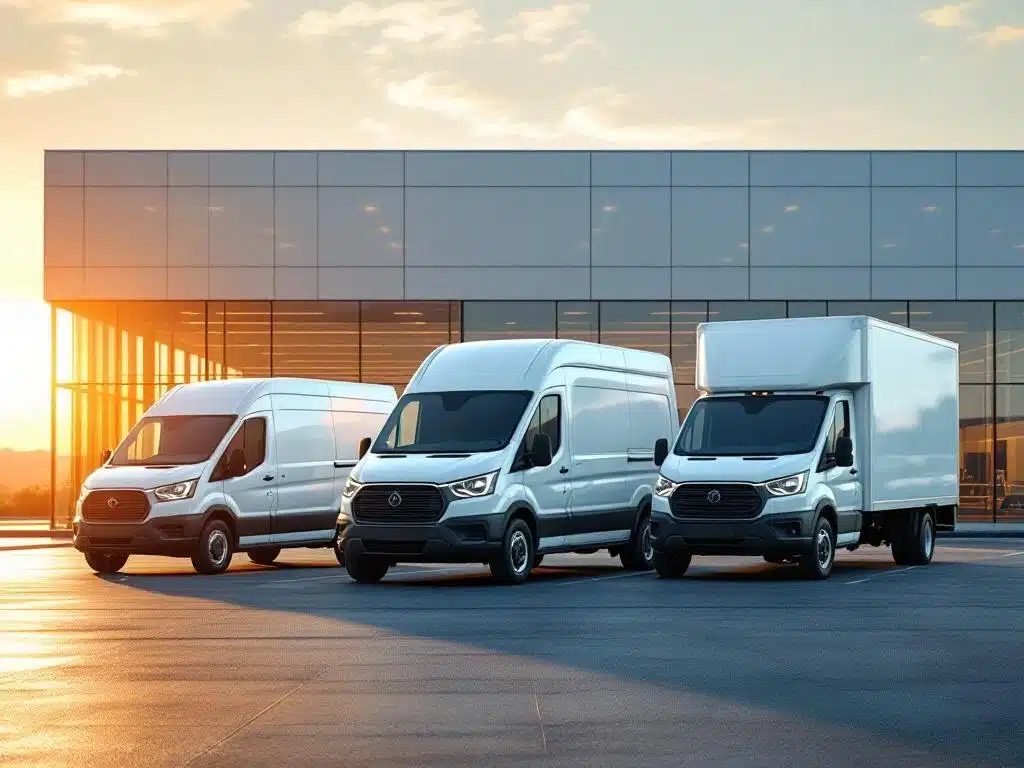
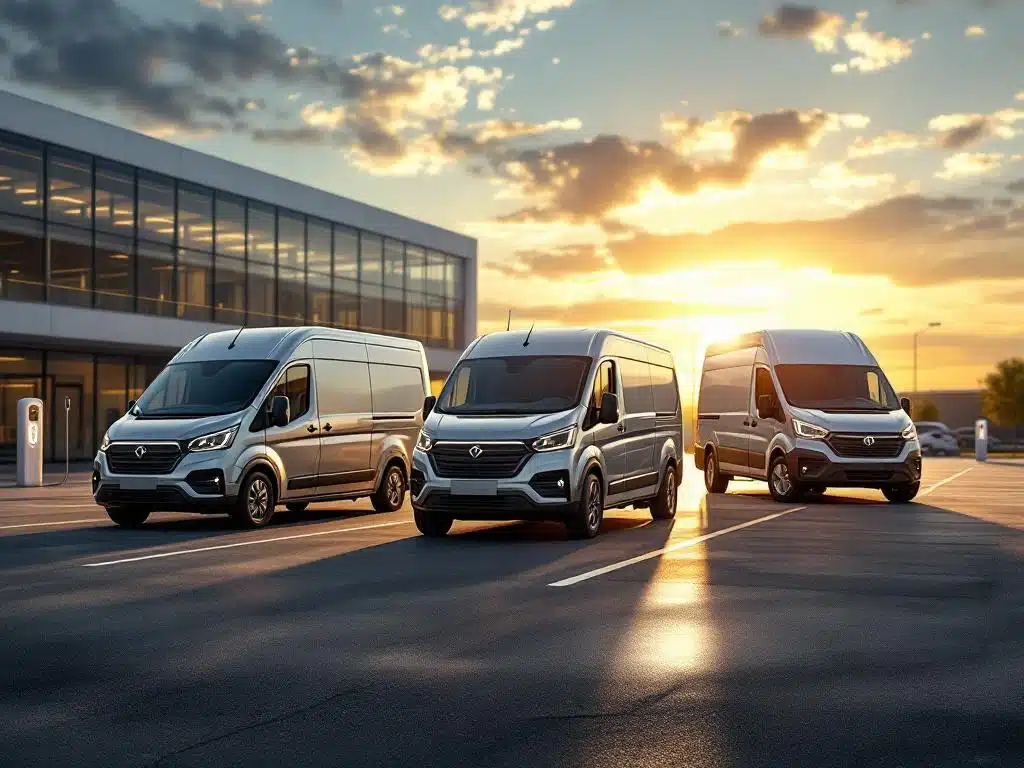
Electric utility vehicles are becoming increasingly popular among gardeners because of their low maintenance costs and eco-friendly nature. For gardeners, models such as the Ford E-Transit, Volkswagen ID. Buzz Cargo and Mercedes eVito are suitable, with load capacities between 800 and 1,400 kg. These vehicles offer enough space for tools, plants and garden materials, while also allowing access to environmental zones in cities.
Which electric utility vehicles have enough payload capacity for landscapers?
For gardeners electric utility vehicles with a load capacity of at least 800 kg suitable. Popular models such as the Ford E-Transit (up to 1,400 kg), Volkswagen ID. Buzz Cargo (around 650 kg) and Mercedes eVito (up to 1,000 kg) offer sufficient capacity for most landscaping jobs.
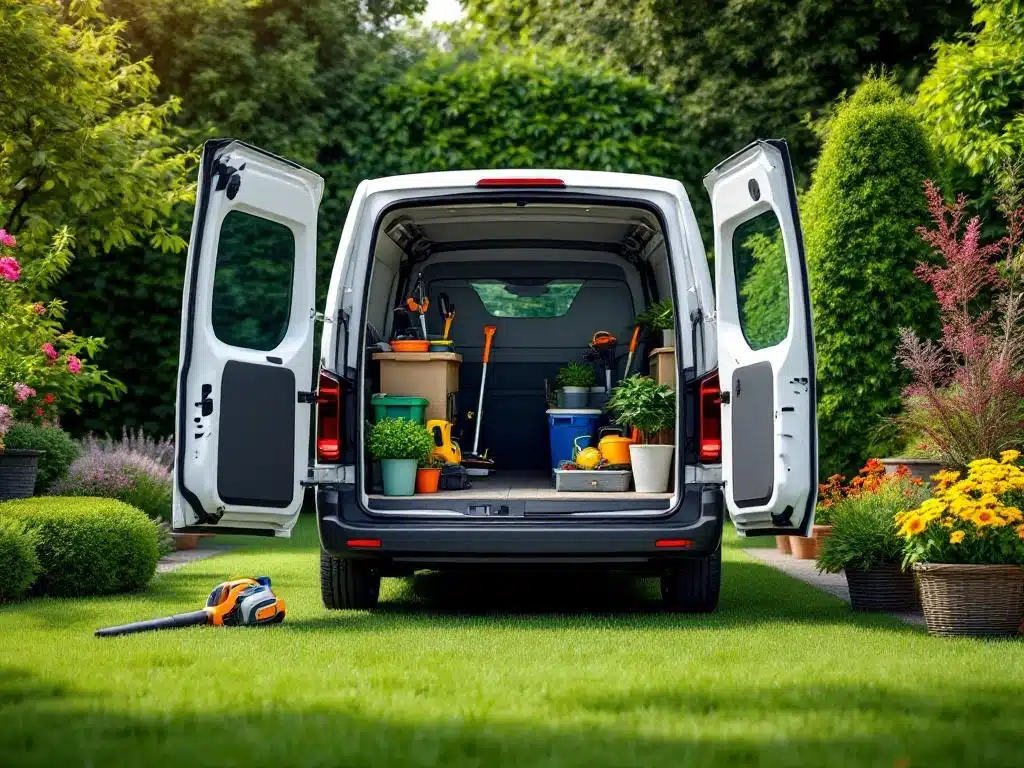
Cargo space is just as important as weight. After all, a landscaper not only needs heavy tools, but also bulky items such as plants, bags of potting soil and garden furniture. The Ford E-Transit, for example, offers up to 15.1 cubic metres of cargo space, which is ideal for larger projects.
When choosing an electric commercial vehicle, you should also pay attention to the weight distribution. Heavy items such as lawnmowers are best placed as low as possible in the loading space. Many electric utility vehicles have a low loading floor, which makes loading and unloading easier.
Also consider practicalities such as attachment points for ladders and toolboxes. Some models offer special fitting options that perfectly suit the needs of gardeners.
How many kilometres can you drive with an electric company car?
Most electric commercial vehicles have a range of 150-300 kilometres per full load. For gardeners working locally, this is usually more than enough, as the average working day takes place within a 50-kilometre radius.
Range depends on several factors. Cold weather can reduce the range by 20-30%. Your driving style also makes a difference: lots of stop-and-go traffic in the city actually favours electric vehicles due to regenerative braking.
For gardeners, it is useful to have your smart planning of routes. Start with customers furthest away and work your way back home. That way, at the end of the day, you still have enough range to get home.
Modern electric commercial vehicles often have a range indicator that takes into account your driving style and weather conditions. This gives you a realistic picture of how far you can still drive.
What is the cost of electric commercial vehicles versus diesel?
Electric commercial vehicles more expensive to buy than diesel, but you recoup this difference through lower running costs. An electric commercial vehicle costs around €10,000-15,000 more than a comparable diesel, but saves €2,000-3,000 annually on fuel and maintenance.
The biggest savings are in day-to-day costs. Electricity costs around €0.25 per kWh, which works out at around €4-6 per 100 kilometres. Diesel currently costs around €8-12 per 100 kilometres, depending on your consumption.
Maintenance is also cheaper with electric vehicles. No oil changes are needed, brake pads last longer due to regenerative braking and the engine has far fewer moving parts. This saves €500-800 a year in maintenance costs.
In addition, as an entrepreneur, you get tax benefits. Electric company cars have a lower addition rate and you can take advantage of the MIA/Vamil scheme for environmental investments.
How long does it take to charge an electric company car?
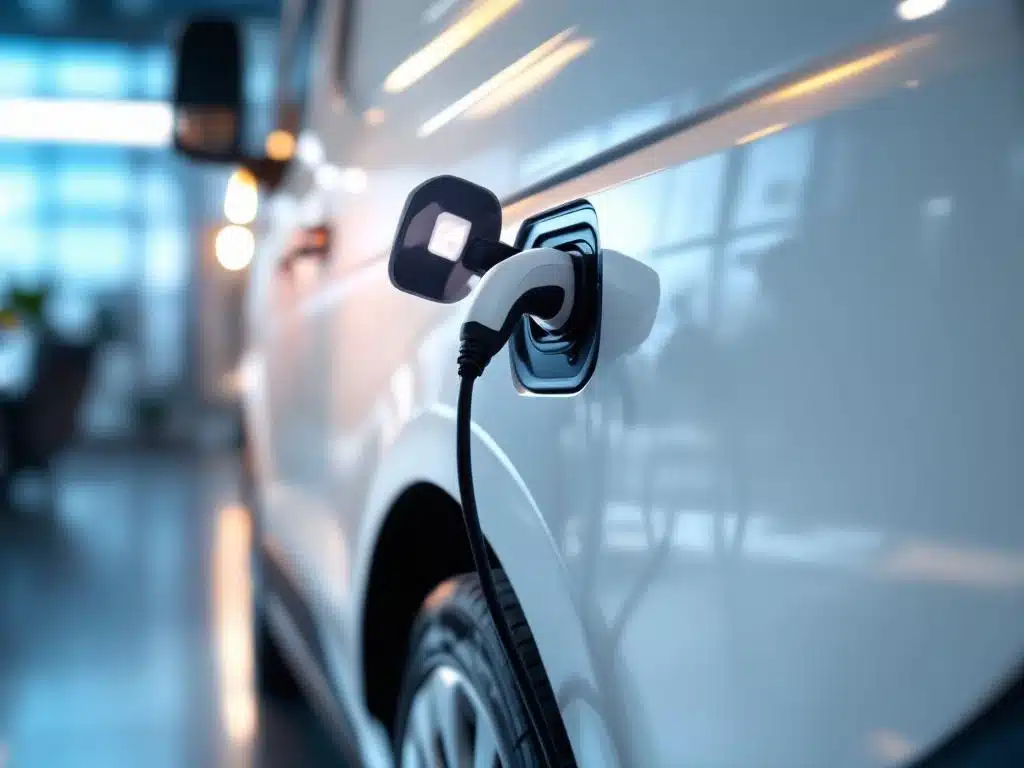
Home charging takes 6-12 hours with a regular charging station, while fast charging on the go takes 30-60 minutes for 80% battery capacity. For landscapers, home charging is usually the most practical solution, as your vehicle is stationary overnight.
An 11 kW home charging station fully charges most commercial vehicles in 6-8 hours. This is ideal for landscapers who usually start early and get home late. You leave every morning with a full battery.
For longer trips, you can use fast charging stations along the motorway. These charge at 50-150 kW and top up your battery in a coffee break for 80%. Ideal if you need to go to customers further away.
Plan your smart charging sessions during your working day. Many garden centres and DIY stores now have charging stations where you can recharge while picking up materials. Some customers may also allow you to recharge during longer jobs.
How Van den Hurk helps with electric commercial vehicles
We help gardeners transition to electric commercial vehicles with personal advice and practical support. Our experience of more than 60 years in the commercial vehicle industry ensures you make the right choice for your specific situation.
Our offer for gardeners includes:
- Personal consultation on payload and range for your working area
- Flexible financing options and leasing arrangements
- Assistance in applying for grants and tax benefits
- Support for installing charging facilities
- Complete service and maintenance for carefree driving
We understand that every landscaper has different requirements for their commercial vehicle. That is why we take the time to discuss your work and routes. Together, we will find the electric company car that fits your business perfectly.
Curious about the possibilities? Contact us for an informal talk. We will be happy to show you how electric driving can help your landscaping company move forward.