
What electric utility vehicles are there for installation companies?
Electric utility vehicles for installation companies come in a variety of designs, from compact vans to more spacious models with specific equipment for tools. Popular choices are the Volkswagen e-Crafter, Ford E-Transit and Mercedes eVito, all of which offer sufficient payload and range for daily installation work. The choice depends on your specific work needs, daily mileage and budget for purchase or lease.
Which electric utility vehicles are best suited to installation work?
For installation work, there are several electric utility vehicles that are a good fit for your daily work. The Volkswagen e-Crafter offers over 10 cubic metres of cargo space and a payload capacity of up to 1,700 kg, ideal for larger installation jobs. Available in several versions, the Ford E-Transit has a range of up to 350 kilometres, perfect for regional work.
For smaller installation companies, the Mercedes eVito is a good choice, with its compact dimensions but still enough space for tools and materials. The Renault Kangoo E-Tech offers an affordable entry into electric driving, with a practical cargo space of 3.9 cubic metres.
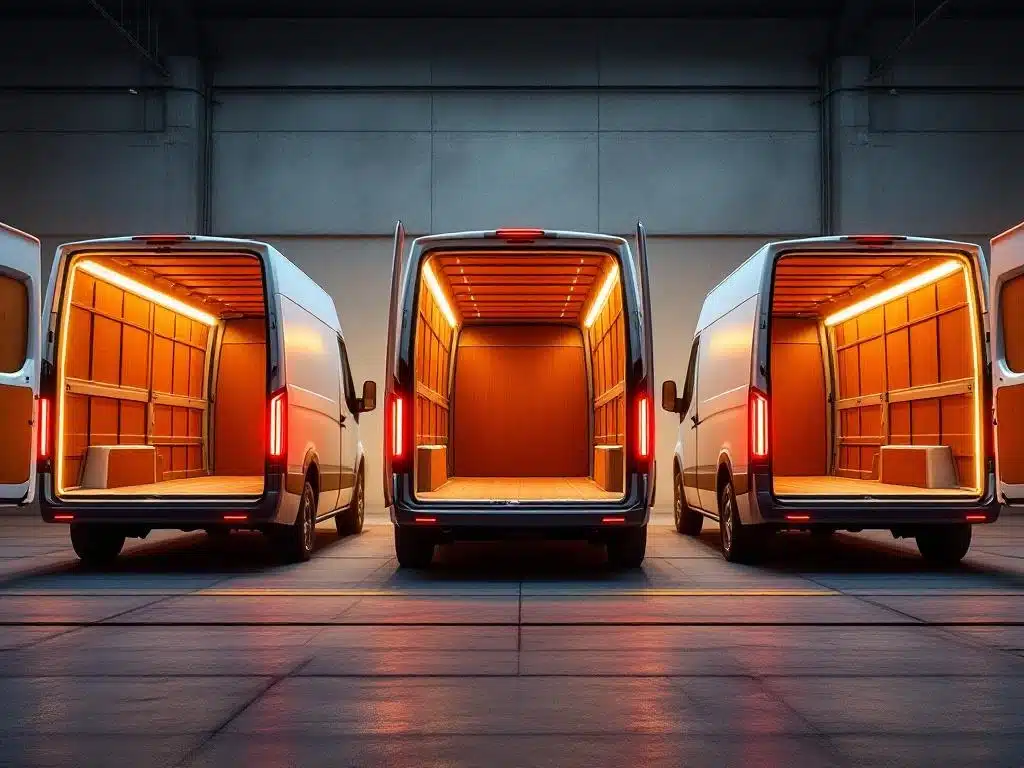
When choosing, pay particular attention to day-to-day equipment. You can equip many electric utility vehicles with special workshop equipment, such as toolboxes, material racks and workbenches. The loading sill is important for easy loading and unloading of heavy equipment. The height of the loading area also determines which materials you can transport standing up.
How many kilometres can you drive with an electric company car?
The range of electric utility vehicles varies between 200 and 400 kilometres, depending on the model and battery capacity. For installation work, this is usually more than sufficient, as most jobs take place within a radius of 50 to 100 kilometres. The Ford E-Transit achieves 350 kilometres, for example, while the Mercedes eVito gets around 280 kilometres.
Several factors affect your driving distance. Cold weather can reduce range by 10 to 20%, as the battery uses energy for heating. Your driving style also makes a difference: driving slowly and anticipating traffic helps the battery last longer. A full load of tools and materials adds weight and thus slightly reduces the mileage.
For route planning, you can use apps that take your electric company car into account. Plan longer trips with a stopover at a fast charger, especially if you are going to customers outside your normal work area. Always keep 20 to 30% of battery capacity left over as a buffer for unexpected detours or extra jobs.
What are the benefits of electric utility vehicles for installers?
Electric commercial vehicles offer installers tangible financial benefits. You save significantly on fuel costs: electric driving costs around €3 to €4 per 100 kilometres, compared to €12 to €15 for diesel. Maintenance is cheaper, as electric motors have fewer moving parts and do not require oil changes.
Since January 2025, electric commercial vehicles have become even more advantageous due to the BPM exemption, while diesel vehicles are now charged BPM. For business users, this often means lower leasing rates and better tax deductions. You can also get access to environmental zones in cities, which becomes important for jobs in urban areas.
Quiet driving is a practical advantage with customers. You can work early or late without noise pollution in residential areas. Many customers also appreciate the eco-friendly choice, which is good for your corporate image. Electric commercial vehicles also drive more smoothly than diesel vehicles, which means more comfortable work during long working days.
How do you charge an electric company car during working days?
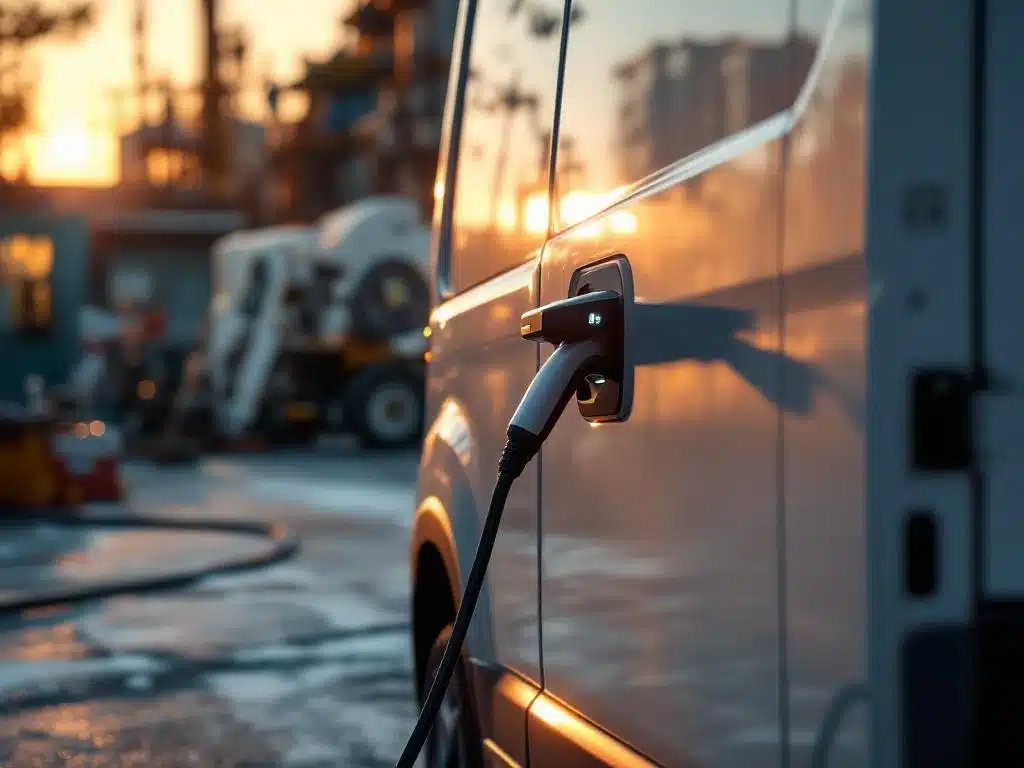
Charging your electric company car is best planned around your work schedule. Charging at home is often the cheapest option: a wallbox will charge your vehicle at night with an advantageous night rate. For a completely empty battery, you need about 6 to 8 hours, which is perfect for a night's sleep.
Along the way, you can use fast chargers at petrol stations and shopping centres. These charge your battery to 80% in 30 to 45 minutes, ideal during a lunch break or coffee stop. Many customers today also have charging stations where you can recharge while working; feel free to ask about these on longer jobs.
Plan your charging sessions ahead with apps such as PlugShare or ChargeMap, which show available charging points. Take peak hours into account: charging between 11am and 3pm is often cheaper than in the evening rush hour. For longer projects, you can sometimes make arrangements with customers to use their charging stations, especially useful for multi-day jobs.
How Van Den Hurk helps with electric commercial vehicles
We help installation companies make the switch to electric driving with personal advice and practical support. We combine our experience of more than 60 years in commercial vehicles with knowledge of the latest electric commercial vehicles that perfectly suit installation work.
Our offer for installation companies includes:
- Personal advice on which electric company car suits your specific operations
- Flexible leasing options allowing you to switch without major investment
- Custom design for optimum tool and material storage
- Transparent pricing with no hidden costs or surprises
- Full service from advice to delivery and support
We understand that every installer has different needs. That's why we take the time to understand your work processes and find the right electric utility vehicle. Whether you are self-employed or run a larger installation company, we will make sure you make the switch to electric hassle-free. Contact us for a no-obligation chat about your options with electric commercial vehicles.