
Which electric commercial vehicles are available with refrigerated and freezer bodies?
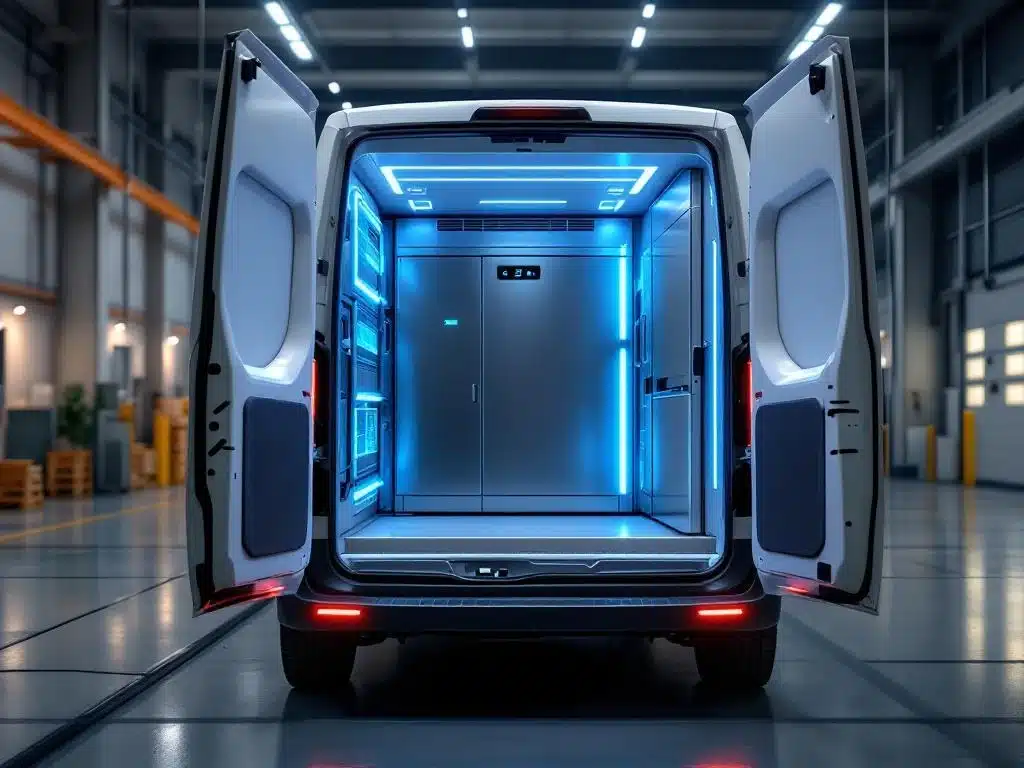
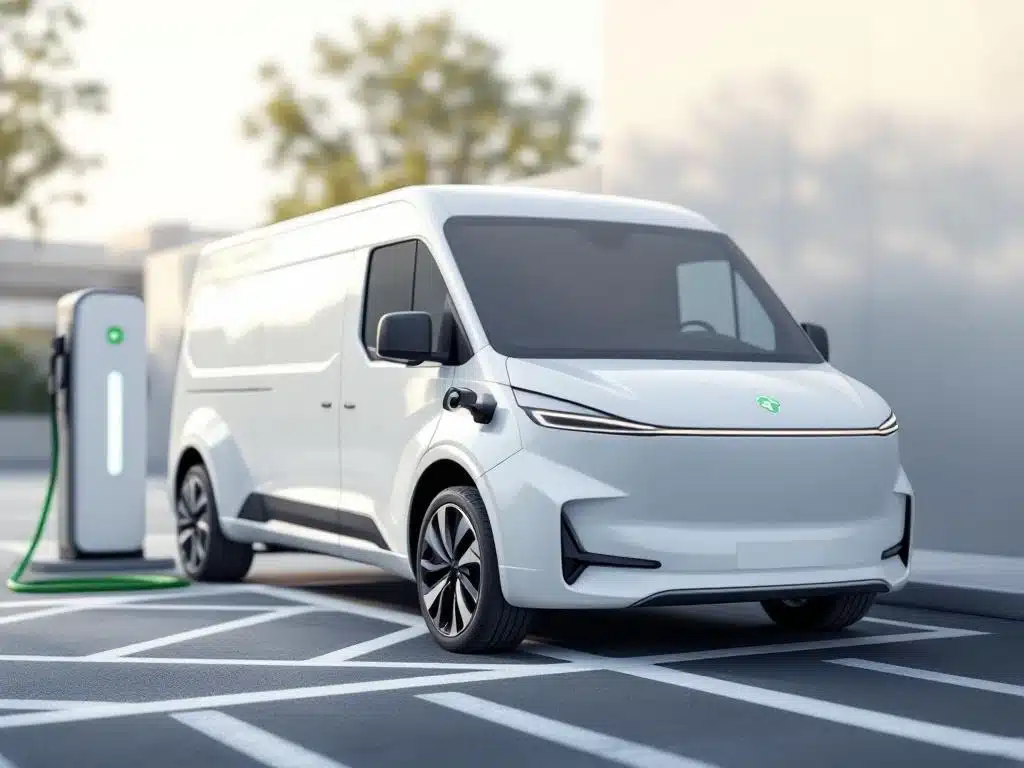
Electric commercial vehicles with refrigerated and freezer bodies are available from several brands, such as Mercedes-Benz, Iveco, Renault and Ford. These vehicles combine emission-free mobility with refrigerated cargo areas for transporting fresh produce, medicines and other temperature-sensitive goods. The choice depends on your temperature requirements, range and budget.
Which brands make refrigerated electric commercial vehicles?
Mercedes-Benz, Iveco, Renault and Ford are the main suppliers of refrigerated electric commercial vehicles. These brands offer several models specifically designed for temperature-controlled transport.
Mercedes-Benz eVito and eSprinter are popular options for medium and large refrigerated transports. The eVito offers cargo space of up to 6.6 cubic metres, while the eSprinter is suitable for larger volumes of up to 11 cubic metres. Both models can be equipped with professional refrigeration systems.
The Iveco Daily Electric is a strong competitor with its robust chassis and flexible body options. Known for its reliability in commercial use, this model can be combined with different cooling systems, depending on your specific needs.
The Renault Master E-Tech Electric and Ford E-Transit complete the range with their own unique features. The Renault Master offers excellent manoeuvrability in urban environments, while the Ford E-Transit stands out for its advanced connectivity options and user-friendly cargo space.
What is the difference between an electric refrigerated truck and freezer truck?
The main difference is in temperature ranges and energy consumption. Refrigerated trolleys maintain temperatures between 0°C and 8°C, while freezer trolleys store products at -18°C to -25°C. Freezer trucks consume significantly more energy due to the greater temperature difference.
Refrigerated trolleys are ideal for fresh products such as vegetables, fruit, dairy and medicines that need to be kept cool. They consume relatively little extra energy because the temperature difference with the outside temperature is limited. This makes them suitable for longer trips without a major impact on the range.
Freezer trucks on the other hand, are needed for frozen foods, ice cream and certain medicines. Energy consumption is 40-60% higher than for refrigerated trucks, as the refrigeration system has to work harder. This noticeably affects the driving distance, especially in warm outdoor temperatures.
Insulation also differs between the two types. Freezer trucks have thicker insulation panels and better sealing to minimise heat loss. This makes them heavier than refrigerated trucks, which affects load capacity and energy consumption while driving.
How many kilometres can you drive with an electric refrigerated truck?
The range of electric refrigerated trucks is between 150 and 300 kilometres, depending on the model, battery capacity and refrigeration system. Refrigerated trucks usually achieve 80-90% of the standard range, while freezer trucks achieve 60-70% due to higher energy consumption.
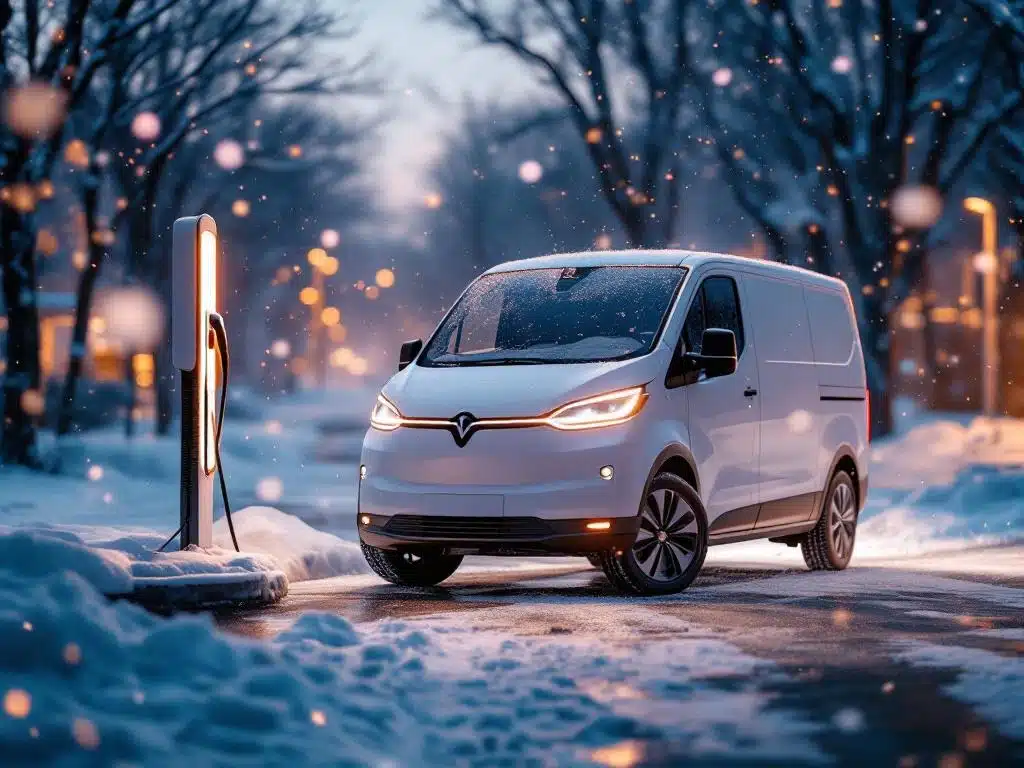
Several factors significantly influence the range. The outdoor temperature plays a big role: on hot summer days, the cooling system has to work harder, which shortens the range. Driving style and terrain are also important: many stops and city traffic consume more energy than constant speeds on the motorway.
You can optimise range through smart planning. Pre-cooling the cargo area while charging saves energy on the road. Efficient route planning with minimal stops also helps, as does avoiding unnecessary opening of loading doors.
Modern systems often offer two separate batteries: one for propulsion and one for cooling. This prevents being stranded by an empty cooling battery and gives more control over energy distribution during the ride.
What does a refrigerated electric commercial vehicle cost?
New electric commercial vehicles with cooling systems cost between €60,000 and €90,000, depending on size and specifications. This is 20-30% more expensive than comparable diesel models, but subsidies and tax breaks reduce the difference.
The total cost of ownership is often more favourable than diesel alternatives. Lower maintenance costs, no fuel costs and tax advantages offset the higher purchase price. Electric company cars are fully VAT deductible and have no additional tax liability for business use.
Leasing is a popular financing option, with monthly amounts between €800 and €1,200 for a fully equipped electric refrigerated van. This often includes maintenance, insurance and warranty, providing budget security.
Several subsidy schemes support the purchase. The SEBA subsidy (Subsidy Scheme for Emission-Free Company Cars) can contribute up to €5,000 for electric company cars. Regional schemes also sometimes offer additional support for sustainable business mobility.
How Van den Hurk helps with electric commercial vehicles
We help you switch to electric company mobility with personal advice and a wide range of products. We combine our expertise of more than 60 years in commercial vehicles with knowledge of the latest electric developments and cooling technology.
Our services include:
- Personal advice on the right electric commercial vehicle for your refrigerated transport needs
- An overview of available models with cooling systems in our stock
- Flexible leasing and financing options, tailored to your business situation
- Support with grant applications and tax optimisation
- Aftercare and maintenance for worry-free company mobility
We understand that every entrepreneur has different requirements for refrigerated transport. That's why we take the time to discuss your specific requirements and find the best solution. From small refrigerated trucks for local delivery to large freezer trucks for regional distribution, we have the expertise and stock to help you.
Discover our complete range electric commercial vehicles and experience how we future-proof your business with sustainable mobility solutions. Contact us for a no-obligation consultation on electric refrigerated vehicles.