
What electric commercial vehicles are available?
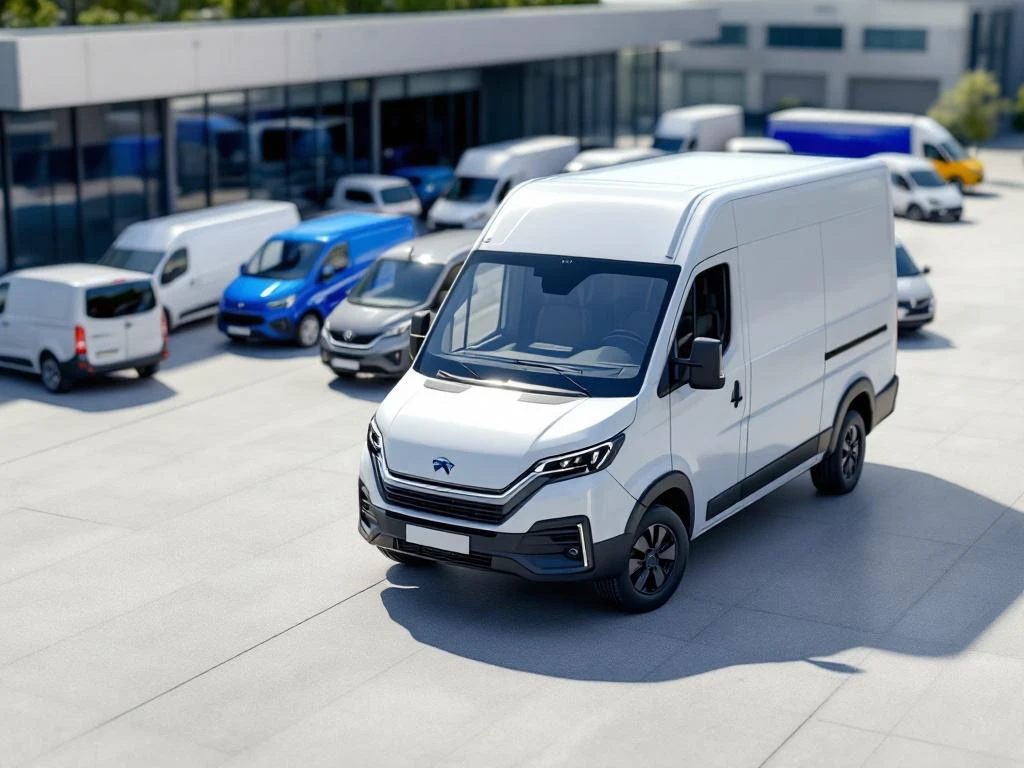
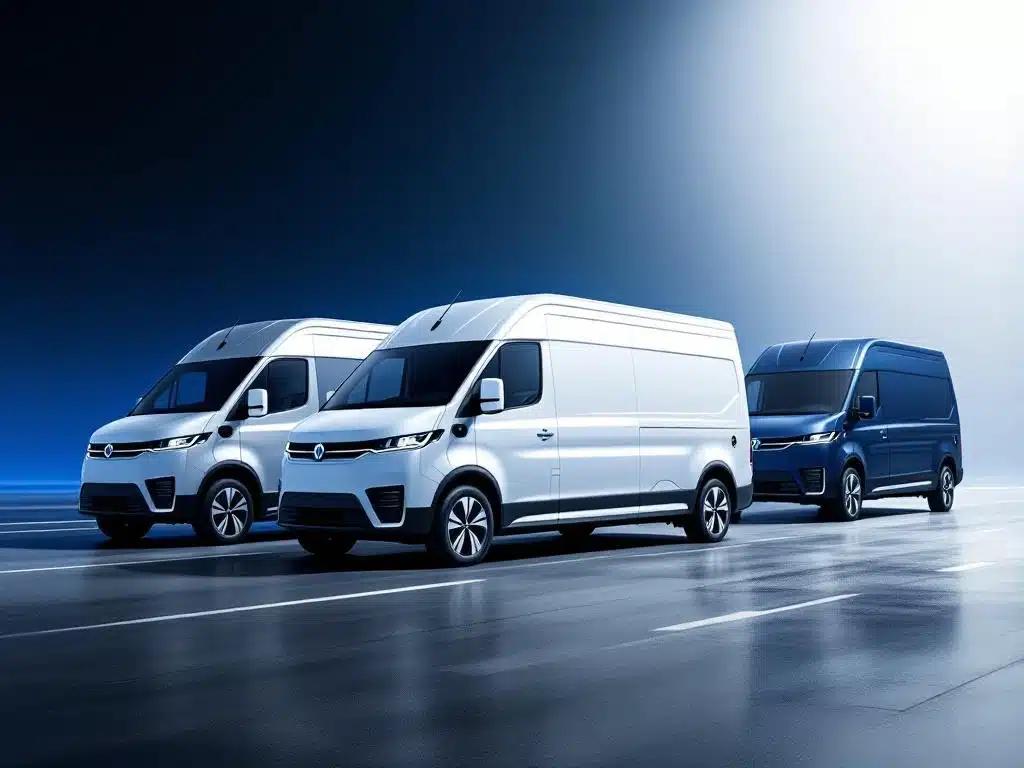
Various types of electric commercial vehicles are available, from compact vans to large chassis cabs. You can choose from box vans, refrigerated vans, passenger vans and double cabs, all with electric drive. The choice depends on your business needs, the weight you need to carry and the distances you drive every day.
What types of electric commercial vehicles can you buy?
Electric commercial vehicles come in different versions, just like traditional diesel vehicles. You have electric trucks for general transport, chassis cabs on which you can have your own superstructure fitted, and specialised vehicles such as refrigerated trucks for temperature-sensitive transport.
The most popular types are compact vans such as the Volkswagen ID. Buzz Cargo and Ford E-Transit Custom. These are perfect for city distribution and small deliveries. For heavier work, you have medium-sized vans like the Mercedes eSprinter and Ford E-Transit, which offer more cargo space.
Passenger vans are also available in electric versions, useful for passenger and wheelchair transport. Think 8-passenger vans or adapted vehicles for care transport. These combine comfort with sustainable mobility.
Chassis cabs give you the freedom to have your own superstructure fitted. This is ideal for specialised applications such as workshop trucks, crane trucks or customised distribution vehicles.
What is the range of electric commercial vehicles?
The range of electric commercial vehicles varies between 150 and 400 kilometres, depending on the model and battery size. Compact models often achieve 200 to 250 kilometres, while larger vehicles with premium batteries can go up to 350 to 400 kilometres.
Several factors influence your actual range. Driving style and speed make a big difference: constant 120 km/h driving significantly reduces range. Weather conditions also play a role: cold can reduce range by 20 to 30% due to its impact on battery performance and additional energy consumption for heating.
The weight of your load also has an impact. A fully loaded van consumes more energy than an empty one. The same goes for air conditioning, heating and using power tools that run on board voltage.
Plan your routes smartly by considering charging options along the way. Use apps that show charging points and check their availability during your planned stops. Always keep 20 to 30% of battery reserve for unforeseen circumstances.
How much does an electric company car cost?
Electric vans currently cost 15,000 to 25,000 euros more than comparable diesel models to buy. A new electric van starts at around EUR 45,000, while larger models can cost up to EUR 80,000.
However, since January 2025, electric commercial vehicles have become more advantageous with the introduction of BPM tax on diesel vehicles. This reduces the price difference and makes electric driving more attractive.
Lease options make electric commercial vehicles more accessible. Financial leasing often starts at around 400 to 600 euros per month for a compact electric van. Operating lease, including maintenance and insurance, is between 600 and 900 euros per month.
Maintenance costs are lower than for diesel vehicles. Electric engines have fewer moving parts, do not require oil changes and cause less wear on brakes due to regenerative braking. This saves several hundred euros a year in maintenance.
Don't forget the tax advantages: no vehicle tax, favourable additional tax rate for entrepreneurs and access to environmental zones at no extra cost.
How long does it take to charge an electric company car?
Charging takes between 30 minutes and 12 hours, depending on the type of charger and battery size. Fast charging at a DC charger fills the battery to 80% in 30 to 60 minutes, while charging at a regular wall socket can take an entire night.
There are three main types of charging options. Home charging to a wallbox (11 kW) takes 4-8 hours for a full charge. This is the most economical and practical for daily use.
Public charging at AC chargers (22 kW) takes 2 to 4 hours. You will find these at shopping centres, car parks and industrial estates. Useful for charging during work visits or breaks.
Fast charging at DC chargers (50-150 kW) fills your battery to 80% in 30-60 minutes. Perfect for longer trips, but more expensive than other options. Plan fast-charging sessions around breaks or customer visits.
Tips for efficient charging: charge mainly at home for best rates, plan charging stops during work breaks and avoid running the battery completely flat. Preferably charge between 20 and 80% for optimal battery life.
How Van den Hurk helps with electric commercial vehicles
We fully guide you through the switch to electric driving. With more than 60 years of experience in commercial vehicles, we combine our expertise with the latest developments in sustainable mobility. Our personal approach ensures you get the right electric company car find one that suits your specific business needs.
Our support includes:
- Personal advice on the best electric model for your business
- Transparent information on costs, scope and practical possibilities
- Flexible leasing and financing options
- Extensive stock of different makes and models
- Support in finding suitable charging solutions
- Complete care from advice to delivery
We understand that switching to electric driving requires careful consideration. That is why we take the time to discuss your situation and find the best solution together. Whether you need one vehicle or want to electrify an entire fleet, we are happy to think along with you.
Curious about the possibilities for your business? Contact us for a no-obligation discussion about electric commercial vehicles that perfectly suit your operations and growth plans.