
What are the best electric utility vehicles for transport?
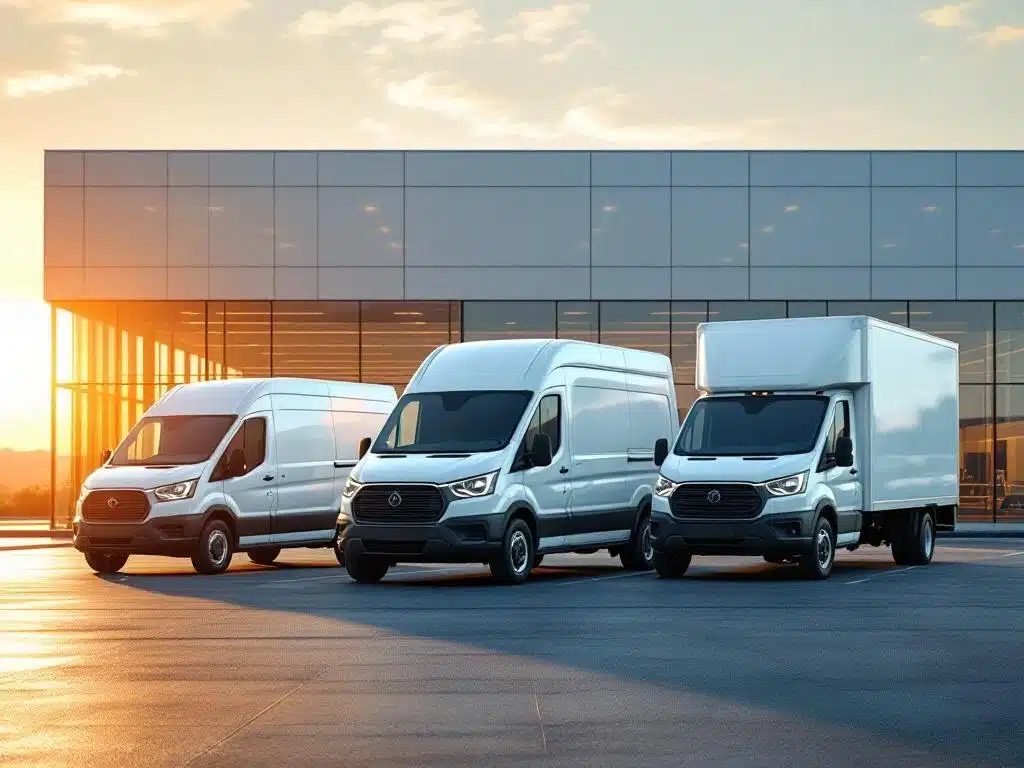
The best electric commercial vehicles for transport are the Ford E-Transit, Volkswagen ID. Buzz Cargo, Mercedes eVito and Renault Master E-Tech. These models offer different load capacities and sizes for specific transport needs. You choose based on your daily driving distance, load weight and the type of goods you transport.
Which electric commercial vehicles are best suited for daily transport?
The Ford E-Transit is perfect for heavy transport jobs with a load capacity of up to 1,758 kg and a cargo space of up to 15.1 m³. This electric utility vehicle has a range of about 317 kilometres and is ideal for construction companies and logistics service providers who need to transport a lot of material.
The Volkswagen ID. Buzz Cargo combines modern technology with practical applications. With a load volume of 3.9 m³ and a range of around 425 kilometres, it is suitable for parcel delivery and smaller transport jobs in urban areas.
For medium-heavy transport, the Mercedes eVito an excellent choice. This electric commercial vehicle offers a load capacity of up to 1,005 kg and a range of about 421 kilometres. The eVito is very suitable for installation companies and service departments that commute between different locations on a daily basis.
The Renault Master E-Tech is the largest option with a load capacity of up to 1,500 kg and a cargo volume of up to 12 m³. With a range of about 300 kilometres, this truck is perfect for distribution and transporting larger goods within regional areas.
How many kilometres can you drive with an electric company car?
Modern electric commercial vehicles run between 250 and 450 kilometres on a full battery, depending on the model and conditions. The Ford E-Transit achieves about 317 km, while the Volkswagen ID. Buzz Cargo can travel up to 425 km under optimal conditions.
Your range is affected by several factors. Cold weather can reduce your range by 20-30% because the battery has to work harder. A full charge also reduces the driving range, as does an aggressive driving style with lots of accelerating and hard braking.
For optimal battery usage, plan your routes in advance and avoid unnecessary detours. Use eco mode whenever possible and take advantage of regenerative braking in the city. Allow for a safety margin of 20% and plan charging stops on longer trips.
Most companies drive 80-120 kilometres per day on average, which means that today's electric commercial vehicles offer more than enough range for daily operations without interim charging.
What is the cost of an electric commercial vehicle compared to diesel?
Electric commercial vehicles have higher purchase costs, but lower operating costs than diesel vehicles. From January 2025, you will pay BPM on new diesel commercial vehicles, making electric alternatives more financially attractive.
Fuel costs vary considerably. Electricity costs around €0.25 per kWh, equivalent to around €4-6 per 100 kilometres. Diesel currently costs around €7-10 per 100 kilometres, depending on your consumption and current fuel prices.
Maintenance costs are lower in electric commercial vehicles because they have fewer moving parts. You don't have to change oil, there are no spark plugs or exhausts, and brake pads wear less due to regenerative braking.
Tax breaks make electric company cars extra attractive. You get a discount on the additional taxable benefit, can deduct the full purchase price for corporation tax and pay no motor vehicle tax. The payback period is usually between 3 and 5 years, depending on your annual mileage.
How long does it take to charge an electric company car?
Charging an electric company car takes 30 minutes to 12 hours, depending on the charging method and battery size. Fast charging at a DC charger fills the battery to 80% in 30-60 minutes, while home charging at a regular wall socket can take an entire night.
Charging at home with an 11 kW charging station fully fills most commercial vehicles in 4-8 hours. This is ideal for overnight charging so you can start each morning with a full battery. An ordinary domestic socket (3.7 kW) takes 8-12 hours for a full charge.
On the road, use fast chargers of 50-150 kW that take the battery from 20% to 80% in 30-45 minutes. These are perfect for breaks during long trips or when you need extra range quickly.
Plan your charging sessions smartly by charging during work breaks or lunch breaks. Many companies install charging stations on their premises so that employees can charge during working hours. Apps like PlugShare and ChargeMap help you find public charging points and check availability.
How Van den Hurk helps with electric commercial vehicles
We make the switch to electric driving easy with personal advice and a wide range of offers electric commercial vehicles. Our team will help you make the right choice based on your specific transport needs, daily mileage and budget.
Our service includes:
- Free consultation on electric mobility for your business
- Extensive stock of electric commercial vehicles of various brands
- Flexible financing and leasing options
- Support with grant applications and tax benefits
- Advice on charging infrastructure and installation service
With over 60 years of experience in the commercial vehicle industry, we understand that every business owner has unique requirements. We will take the time to talk through your current fleet and future plans to ensure you get an electric commercial vehicle that fits your business perfectly.
View our complete range electric commercial vehicles or contact us for a no-obligation discussion about the possibilities for your business.