
Which brands make the best electric commercial vehicles?
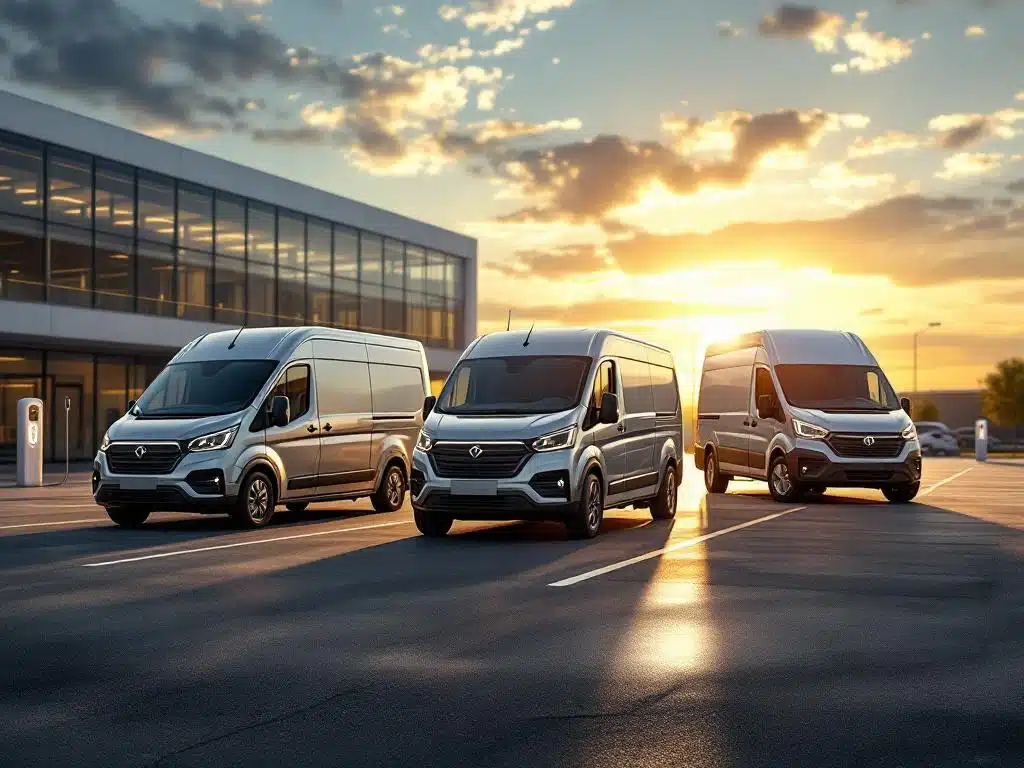
The best electric commercial vehicles come from established brands such as Ford, Mercedes-Benz, Volkswagen, Peugeot and Renault. These manufacturers combine proven reliability with modern electric technology. They offer extended warranties, good service support and a variety of models for different business needs. The choice depends on your specific requirements, such as range, cargo space and budget.
Which electric commercial vehicle brands are the most reliable?
Ford, Mercedes-Benz, Volkswagen, Peugeot and Renault are at the forefront of reliable electric commercial vehicles. These brands have decades of experience in commercial vehicles and bring that expertise to their electric models. They offer extended warranties of at least 8 years on the battery and have a well-developed service network.
Ford scores high with the E-Transit, which is available in different lengths and heights. The brand is known for its robust construction and low maintenance costs. Mercedes-Benz offers premium quality and advanced technology with the eSprinter and eVito, ideal for companies that value comfort and prestige.
Volkswagen impresses with the e-Crafter and ID. Buzz Cargo, where the brand combines its German engineering with user-friendly technology. Peugeot and Renault excel in the more compact segments with the e-Partner and Kangoo E-Tech, respectively, perfect for urban distribution.
These brands invest heavily in electric technology and have proven track records in the commercial vehicle market. Their dealer networks are well-trained in electric vehicles and parts are widely available.
What are the main differences between electric utility vehicle brands?
Range, loading speed, cargo space and price are the main differences between brands. Ford, for example, offers up to 350 kilometres of range, while Mercedes-Benz models often reach around 300 kilometres. Charging speeds range from 50 kW to 150 kW, making the difference between 45 minutes and 2 hours of charging.
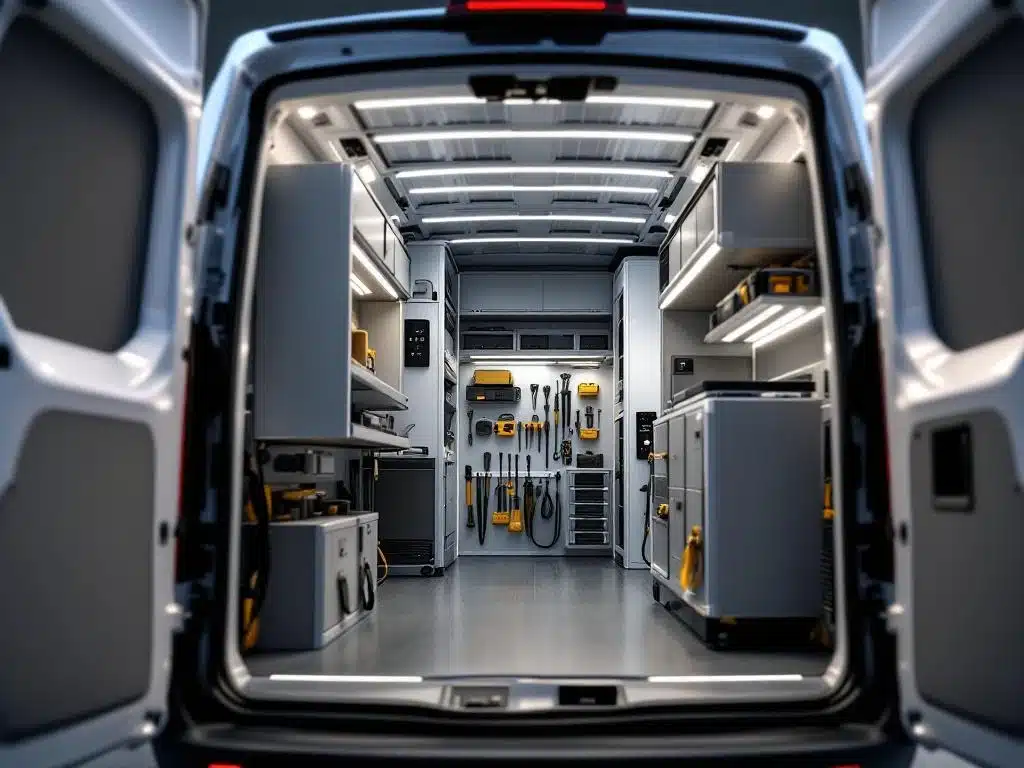
Cargo space varies considerably by make and model. The Ford E-Transit offers up to 15.1 cubic metres of cargo space, while more compact models such as the Peugeot e-Partner stay around 4.4 cubic metres. Maximum payload ranges from 600 kg to 1,700 kg, depending on the model.
Towing capacity is a key differentiator. Not all electric commercial vehicles can tow trailers. Mercedes-Benz and Ford offer models that can tow up to 2,500 kg, while many other brands do not yet support this.
Price differences are significant. Compact models start at around €35,000, while large electric vans can reach €70,000 or more. Leasing rates range from €400 to €1,200 per month, depending on specifications and duration.
How many kilometres can you drive with an electric company car?
Modern electric commercial vehicles reach 200 to 400 kilometres on one charge, depending on the model and conditions. Compact models like the Renault Kangoo E-Tech reach around 300 kilometres, while larger vehicles like the Mercedes eSprinter achieve around 200-250 kilometres under realistic conditions.
Actual range depends on several factors. Outdoor temperature has a big influence: freezing temperatures can reduce range by up to 30%. Driving style also plays a role: aggressive acceleration and high speeds consume more energy. A fully loaded vehicle has a shorter range than an empty commercial vehicle.
Heating and air conditioning use significantly affect the range. In winter, heating can use up to 20% of battery capacity. Modern vehicles have heat pumps that are more efficient than traditional electric heating.
For optimal use, plan routes within 70-80% of maximum range. This gives you a buffer for unexpected circumstances and prevents you from running out of battery power. Many companies install their own charging stations to ensure full starts every day.
What does it cost to charge an electric company car?
Home charging costs around €8-12 per 100 kilometres, while public fast chargers can cost €15-25 per 100 kilometres. An average electric company car with a 75 kWh battery costs around €25-30 to fully charge at home at current energy prices of €0.35 per kWh.
Charging at work is often the cheapest option, especially if your company has solar panels or favourable business energy tariffs. Many employers offer free charging as a fringe benefit, which further reduces operational costs.
Public charging stations have different tariff structures. AC chargers (slow charging) usually charge €0.40-0.60 per kWh, while DC fast chargers charge €0.65-0.85 per kWh. Some providers also apply starting charges or time-based charges in addition to the kWh price.
Compared to diesel, you save significantly on fuel costs. A diesel company car consumes on average €12-18 per 100 kilometres of fuel, while driving electric is half to two-thirds cheaper. Over a year, this can save hundreds of euros, especially with high mileage.
How Van den Hurk helps with electric commercial vehicles
We fully support you in the transition to electric commercial vehicles with personal advice and practical solutions. Our experience of more than 60 years in the commercial vehicle industry helps you make the right choice for your specific business situation.
Our support includes:
- Free consultation on which electric model suits your business activities
- Calculation of total cost of ownership and savings over diesel
- Flexible financing options, including financial lease from €400 per month
- Support in applying for grants and tax benefits
- Advice on charging infrastructure and optimal route planning
We have a large stock of electric commercial vehicles from reliable brands, readily available. From compact city vans to large transport vehicles, we will help you find the perfect electric solution that will future-proof your business.
Call us for a no-obligation chat about your switch to electric driving. We will be happy to calculate what electric company cars can do for your situation.