Is leasing or purchasing a double cab more economical?
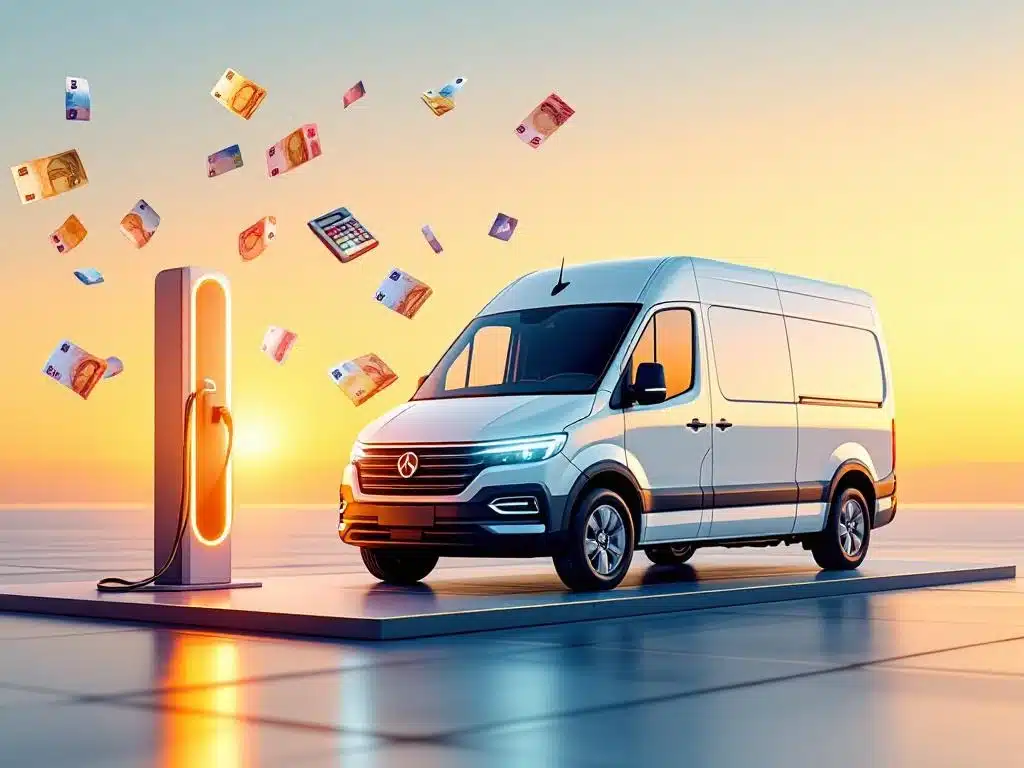
Whether leasing or purchasing a double cab van is more advantageous depends on your business situation. Leasing offers lower monthly costs and flexibility, which is ideal if you have limited start-up capital or want to change vehicles regularly. Buying is more economical if you have sufficient capital, long-term use and high mileage. The smartest choice is to compare all cost items: purchase price, depreciation, maintenance, insurance and tax benefits.
What are the main differences between leasing and purchasing a double cab?
When you purchase, you immediately become the owner of the double-cab van and you pay the full amount in one go or through financing. With leasing, you pay a fixed monthly amount and ownership remains with the leasing company. However, you can reclaim the VAT immediately because you are the economic owner.
The main difference lies in the financial impact. Buying requires a large upfront investment, which affects your working capital. Leasing spreads the costs over a longer period, allowing you to maintain your liquidity. This makes leasing attractive for entrepreneurs who want to keep their finances flexible.
The responsibilities also differ. As the owner, you are responsible for all costs: maintenance, insurance and road tax. With a financial lease, you also arrange these matters yourself, but you have predictable monthly costs due to the fixed interest rate during the term. You determine the lease period that suits the depreciation of your vehicle.
Flexibility is another important difference. With leasing, you can easily switch to a newer model at the end of the contract. When you purchase a vehicle, you are tied to the same vehicle for longer, but you can resell it later and benefit from its residual value.
When is leasing a double cab more advantageous than purchasing?
Leasing is more advantageous when you limited start-up capital available and would rather use your working capital for other business investments. You pay a fixed monthly amount without any large upfront costs, which keeps your finances clear. This is particularly useful for start-ups and self-employed people who already incur a lot of costs when setting up their business.
Financial leasing offers tax benefits that are attractive to entrepreneurs. You can reclaim the VAT immediately on your first tax return, and the interest you pay remains unchanged during the term. This means you know exactly where you stand and can budget more effectively.
If you want to change vehicles regularly, leasing is the smartest choice. At the end of the contract, you can simply switch to a newer model with more modern equipment. This is ideal for companies in the construction, logistics or installation sectors that always want to drive reliable and up-to-date commercial vehicles.
Even when you predictable monthly costs If you consider this important, leasing works to your advantage. You know exactly what your monthly costs will be, with no surprises due to sudden repairs or maintenance. The financing is separate from your other business financing, which strengthens your financial position.
When is purchasing a double cabin the most prudent choice?
Buying is the best option when you sufficient capital available and do not want any monthly obligations. You are the immediate owner without interest costs or lease conditions. This gives you complete freedom in the use and modification of your double cab van.
Purchasing pays off more quickly when using the same vehicle for a long period of time. If you plan to use your double cab for five years or longer, the total costs are often lower than with leasing. You also build up value instead of paying monthly for something that is not yours.
For companies with high mileage, purchasing is more economical. Leasing often involves mileage limits, and additional kilometres incur additional costs. As the owner, you can drive without restrictions and do not need to consider contract terms or penalties.
Even if you want to resell the vehicle later, purchasing is smarter. You benefit from the residual value yourself and can use the amount to purchase your next commercial vehicle. This is particularly interesting for well-maintained vehicles that retain their value well.
Entrepreneurs who want complete control over their business assets often opt to purchase. You can customise the vehicle as you see fit, apply advertising stickers and use it however you want. This is also possible with a finance lease, but other types of leases often have restrictions.
What costs should you compare when leasing versus buying?
For a fair comparison, you must all cost items consider, not just the purchase price or monthly costs. When you buy, you pay the full purchase price including VAT, which you can reclaim as a business owner. With a finance lease, you also pay VAT up front, but spread the rest over fixed monthly instalments.
Depreciation plays an important role in purchasing. Your company car loses value every year, which affects your balance sheet. With leasing, the vehicle is on your balance sheet and you are the economic owner from the first instalment, but depreciation is more predictable due to the fixed term.
Maintenance and repairs are at your own expense with both options. With a finance lease, you arrange your own insurance, allowing you to benefit from your no-claims years and choose the most affordable cover. This includes additional provisions such as co-insured lettering up to €2,500 or cover for occupational risks such as tail lifts.
Interest costs are relevant for both options. If you finance a company car, you pay interest on the amount borrowed. With a finance lease, you pay a fixed interest rate that is determined in advance and remains unchanged during the term. Compare these interest rates to see which option is more advantageous.
Road tax is payable by you for both options. With leasing, this is not included in the monthly amount as standard, unless you opt for an all-inclusive package. Don't forget to include any trade-in value of your current vehicle in the calculation.
Residual value is particularly important when purchasing. If you sell your double cab after a few years, you will receive this amount back. With a finance lease, you can include a final instalment equal to the residual value, which will reduce your monthly payments.
How Van Den Hurk assists in choosing between leasing or purchasing a double cab
We understand that choosing between leasing and purchasing is not always easy. That is why we offer personalised advice tailored to your specific business situation and financial capabilities. With over 60 years of experience, we know exactly what entrepreneurs encounter.
This is how we can assist you:
- Transparent calculations of all costs associated with leasing and purchasing, so that you can make a fair comparison
- Flexible financial lease options where you determine the term yourself and benefit from fixed monthly payments
- Large stock 400 double cabins, both new and used, in various designs and brands
- Personal guidance throughout the entire process, from advice to delivery of your van
- Handy stock alert service via our website, so that you are immediately informed of newly arrived vehicles
Whether you opt for purchase or financial lease, we ensure a clear and transparent process without any obscure constructions. Contact us for a no-obligation discussion about your requirements and discover which option best suits your business.