
Is buying a small van with an automatic more expensive?
Buying a small van with an automatic transmission is becoming increasingly popular among entrepreneurs. Whereas the automatic transmission used to be mainly reserved for passenger cars, you now increasingly see it in light commercial vehicles as well. But does this choice make financial sense? And what does it mean for your daily costs?
In this article, we answer the most frequently asked questions about small vans with automatic transmission, from purchase price to maintenance and the smartest use cases. Whether you want to buy a small van for city driving or are considering switching to an electric commercial vehicle with automatic transmission, you will find concrete answers here.
What exactly is an automatic van?
An automatic van is a commercial vehicle where the gearbox shifts automatically, without the driver having to operate a clutch. Instead of shifting manually, the system itself controls the right gear based on driving speed, engine load and driving conditions. This makes driving easier, especially in busy urban traffic.
There are different types of automatic transmissions you will find in small vans:
- Traditional automatic transmission (torque converter): the classic variant with smooth circuits and an excellent reputation for reliability
- CVT (continuously variable transmission): Uses a belt drive for a smooth transition between gears, without noticeable gear changes
- DCT (dual-clutch transmission): combines the efficiency of a manual transmission with the convenience of an automatic
- Electric drive: Technically, an electric van does not need a gearbox, but its driving behaviour is similar to that of an automatic transmission
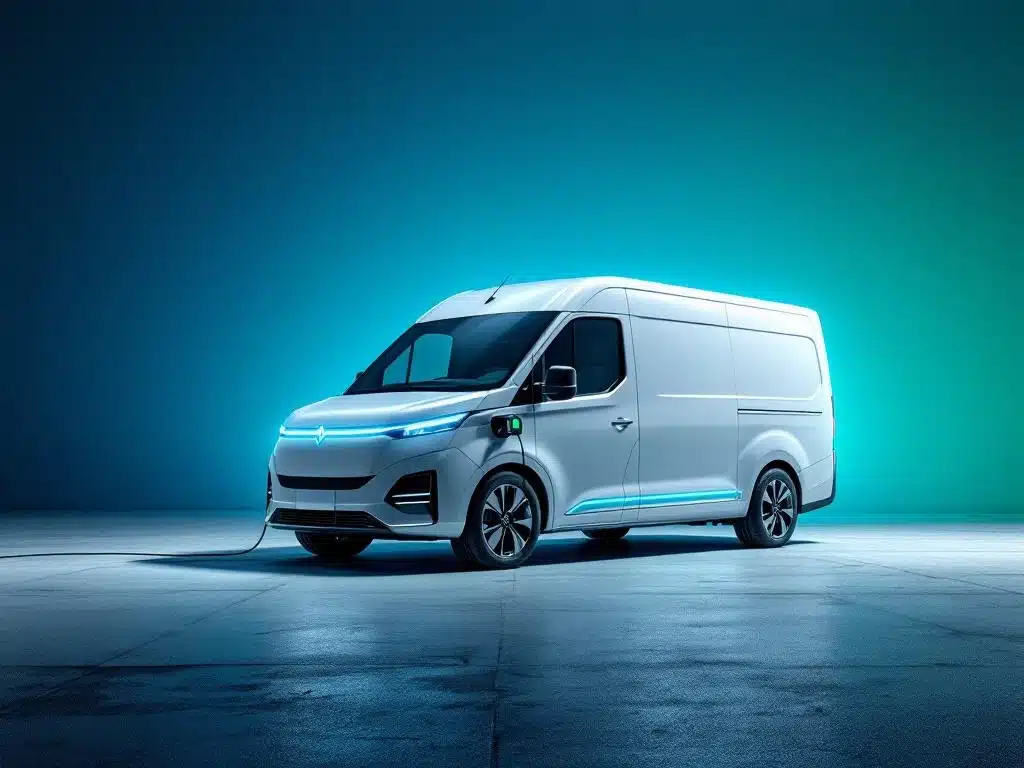
At electric commercial vehicles, which are increasingly available as leasing options, the automatic is thus actually ingrained in the concept. Consequently, choosing an automatic transmission is not always a conscious extra, but sometimes a logical consequence of the type of drive you choose.
Why do entrepreneurs choose an automatic van?
Entrepreneurs choose an automatic van mainly because of the driving comfort and lower fatigue in frequent stop-and-go traffic. For drivers who drive daily through urban areas, such as delivery drivers or service mechanics, an automatic makes a significant difference in physical strain. Less gear shifting means less muscle strain and more concentration on the road.
Benefits for everyday use
The practical benefits of an automatic transmission in a small van are concrete and noticeable. Consider:
- Less driving stress in traffic jams and heavy city traffic
- More accessible to multiple drivers, even without experience with manual shifting
- Smoother ride, which can contribute to lower fuel consumption in the city
- Reduced risk of driving errors, such as engine stalling or incorrect gear changes
Relevant for specific sectors
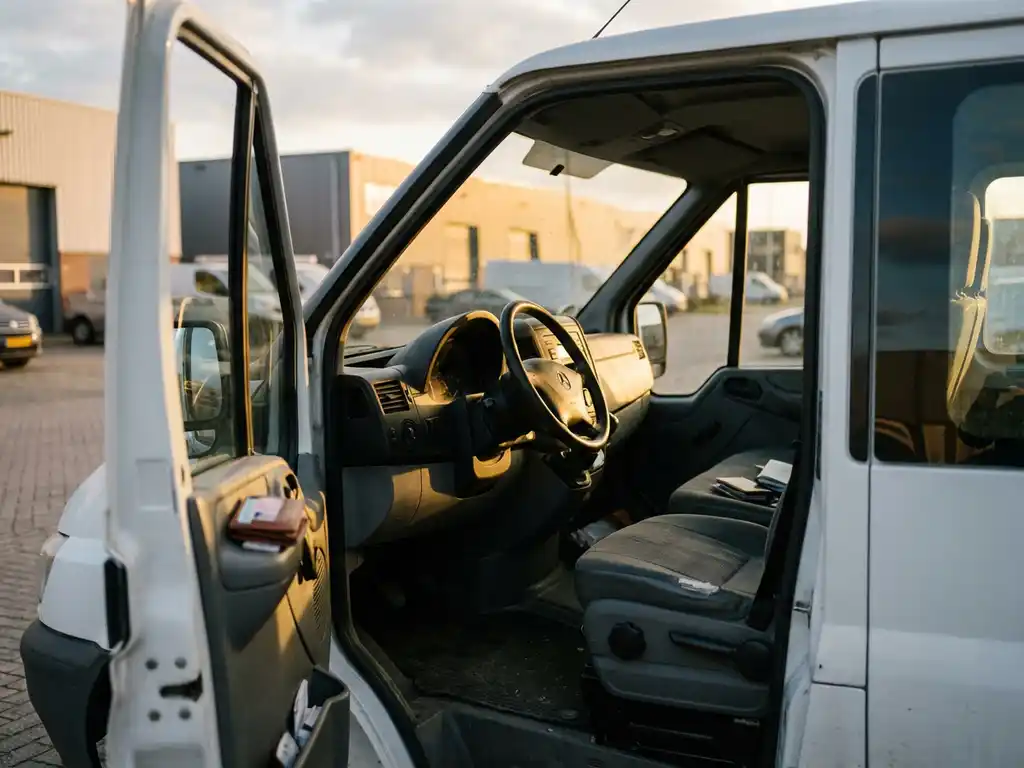
Healthcare carriers that have a wheelchair bus deploy, almost always opt for an automatic. Boarding and transporting passengers requires a smooth driving style where shocks are avoided as much as possible. The automatic also offers a more comfortable alternative for companies working with a company bus with double cabin, transporting several employees.
Staff management also plays a role. If several employees alternate driving the same van, an automatic lowers the threshold. Not everyone is equally adept at manual shifting, and an automatic completely eliminates that problem.
Is a small van with automatic transmission more expensive to buy?
Yes, a small van with an automatic transmission is usually more expensive to buy than a similar model with a manual transmission. The price difference varies by brand and segment, but is often several hundred to over a thousand euros for new vehicles. For used vehicles, the difference is sometimes smaller, depending on age and mileage.
New versus used van with automatic transmission
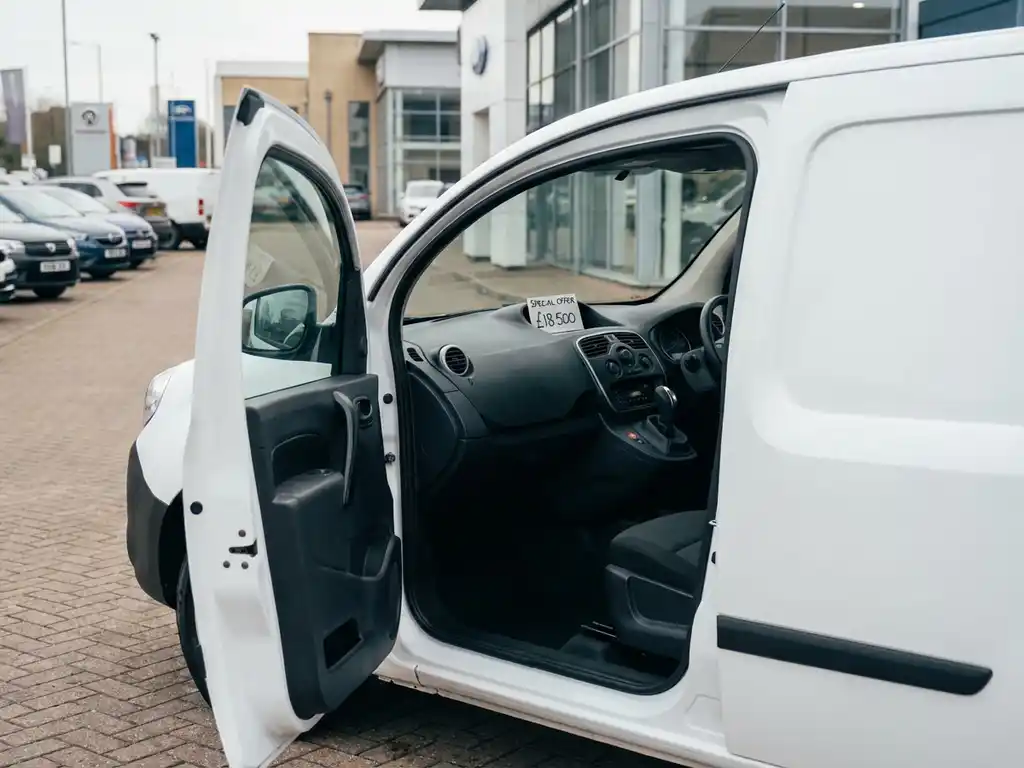
When buying a new small van, you will pay an extra price for the automatic as an option or version on top of the base price. Manufacturers like Renault, Volkswagen and Ford offer an automatic as an option in models like the Kangoo, Caddy and Transit Connect. That extra price is immediately visible at the time of purchase.
For a used van with an automatic, the situation is different. The purchase price may be similar to that of a manual one, as automatics have been less sought after in the used market in the past. This sometimes makes it interesting to look for a used van with automatic if you want to save on the purchase.
Electric vans as an alternative
Those considering an electric van lease will typically pay a higher monthly cost than with a comparable internal combustion engine. But because electric vans have an automatic drive as standard, you don't pay separately for the automatic. Moreover, tax benefits and lower energy costs can partly offset the higher lease price.
What are the maintenance and running costs of an automatic?
The maintenance costs of a van with an automatic transmission have historically been slightly higher than for a manual transmission, but the difference has narrowed in recent years. Modern automatic transmissions are more reliable and require less maintenance than before. An automatic transmission does have specific maintenance needs, such as periodic transmission oil changes.
Fuel consumption and efficiency
In the past, automatics consumed more fuel than manual alternatives. However, modern automatics, especially the DCT variants and CVT boxes, are comparable or even more economical in urban use. At constant highway speeds, the difference is minimal. For business owners who do a lot of city driving, an automatic can even contribute to lower fuel consumption.
Repair costs in case of problems
Repairing an automatic is more expensive than a manual transmission. If an automatic transmission breaks down outside the warranty period, the cost can be substantial. This is a point to consider, especially when buying a used van with an automatic transmission and higher mileage. A proper technical inspection before purchase is therefore not a luxury.
When is a small van with automatic transmission the smartest choice?
A small van with automatic transmission is the smartest choice when you do a lot of daily driving in urban traffic, have multiple drivers in the car, or when driving comfort and low fatigue weigh heavily. The automatic is also natural for entrepreneurs switching to electric driving, as electric drive comes with it as standard.
Situations where an automaton clearly pays off
- Daily delivery trips in cities with many traffic lights and traffic jams
- Care transport or passenger transport where smooth driving improves passenger experience
- Companies with a double-cab van driven by alternating drivers
- Business owners looking to control their driving costs through an electric company car lease
- Sole traders or small businesses where the driver also carries out other tasks and wants to be less distracted by shifting gears
When a manual transmission is a better fit
For entrepreneurs who mainly drive on motorways or in rural areas, an automatic gearbox offers less added value. You are then less likely to recoup the extra cost at purchase. Also, if your budget is limited and you want to buy a simple, reliable small van without extra costs, a manual gearbox may be the wiser choice.
What should you look out for when buying a used van with automatic transmission?
When buying a used van with an automatic transmission, pay particular attention to the condition of the transmission, its maintenance history and mileage. An automatic that has not been properly maintained can cause expensive repairs. Always check that the transmission oil has been changed regularly and that no slippage, vibration or irregular shifting is noticeable during a test drive.
Concrete points to consider when buying
- Maintenance booklet: check whether the automatic-specific maintenance intervals have been observed
- Test drive: Ensure smooth gear changes in all gears, including acceleration and braking
- Technical inspection: Have the transmission checked by a recognised mechanic before you bid
- Mileage: an automatic with more than 200,000 kilometres requires extra attention
- Guarantee: Ask whether the seller offers a warranty on the powertrain, including the transmission
Electric vans as a used option
Used electric vans are an interesting option if you want to buy a small van with automatic drive and lower running costs. With electric variants, also pay attention to battery capacity and remaining battery health. A battery that has greatly reduced in capacity limits the practical driving range and may require an expensive replacement.
How we help you find the right van with automatic transmission
At Van den Hurk Bedrijfswagens, we specifically help you find a small van that suits your use, budget and transmission preference. Our stock includes a wide range, from compact vans to electric utility vehicles and double cab vehicles, all with transparent prices and clear vehicle information.
What we can do for you:
- Personal advice on choosing between automatic and manual, tailored to your driving profile
- Supply of used vans with automatic transmission from our own carefully checked stock
- Lease options for electric commercial vehicles, including guidance on tax benefits
- Set up a stock alert so you are the first to know when a suitable vehicle arrives
- Technical transparency about each vehicle, including maintenance history
Want to know which small van with automatic transmission is now available in our stock? View our current offer or contact us for personal advice. We will gladly think with you about the smartest choice for your business.