
How to install a charging station for electric commercial vehicles?
Installing a charging station for your electric company car starts with choosing the right location and requesting a quote from a certified installer. You usually do not need a permit for a charging station on your own premises, but often a notification to the grid operator. Installation takes 1 to 3 working days on average, while the total lead time, including preparation, is 4 to 8 weeks.
What does it cost to have a charging station installed for your commercial vehicle?
The cost of a company charging post ranges between €1,500 and €4,000, depending on the type of charging post and the electrical modifications required. A standard 11 kW charging post costs around €2,000 including installation, while fast chargers up to 22 kW come out at around €3,500.
The most important cost factor is the type of charging station that you choose. Simple charging posts without smart features are cheaper, but smart charging posts offer benefits such as charge time planning and energy management. For businesses with multiple vehicles, it pays to invest in a charging station with higher capacity.
Additional costs often arise from adjustments to electricity. If your meter box is far from the desired location, you will pay more for cables and digging. A new group in the meter box costs around €200 to €400, while laying cables over longer distances can cost €50 to €100 per metre.
Fortunately, several subsidies are available. The SEBA subsidy (Emission-free Commercial Vehicles Subsidy Scheme) can cover up to €2,500 for charging infrastructure. Local governments also often offer additional subsidies. Always check what subsidies are available before planning the installation.
Where is the best place to install a charging station on your premises?
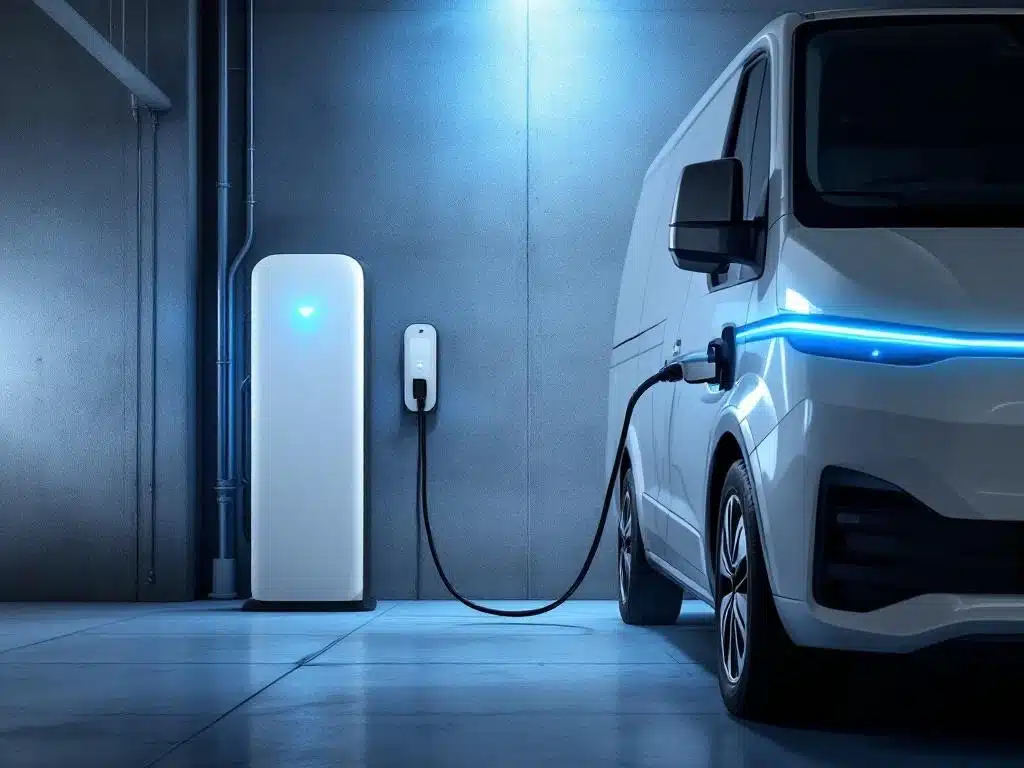
The ideal location for your company charging station is close to the meter box, easily accessible to vehicles and protected from damage. Choose a spot where your company vehicle can easily park without interfering with other activities.
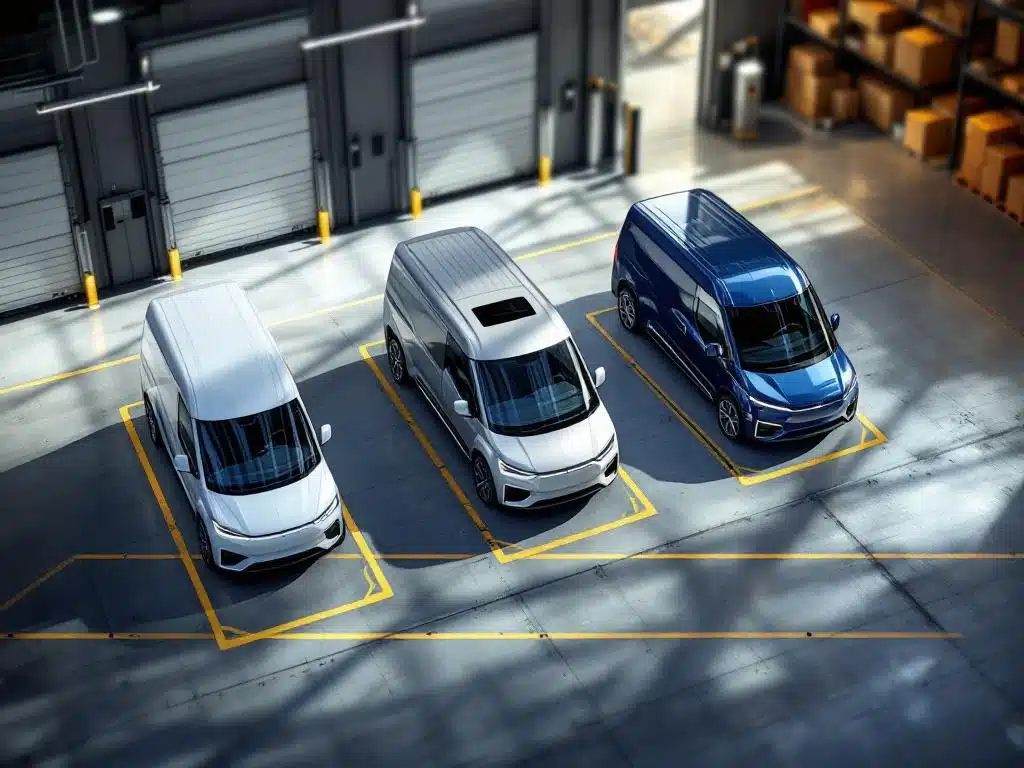
Accessibility is paramount when choosing the location. Your commercial vehicle should be able to get there easily without complicated manoeuvres. Also consider future expansion: you might need more electric commercial vehicles in a few years' time.
Safety is another important consideration. Do not place the charging station too close to thoroughfares where forklifts or other vehicles pass. A protected location prevents damage and ensures safe charging. Also ensure adequate lighting when charging in the evening or at night.
The distance from your meter box largely determines the installation cost. The closer to the meter box, the cheaper the installation. Check whether your electricity connection has sufficient capacity: an 11 kW charging station needs a three-phase connection of 16 amps.
Don't forget the regulations. You have a lot of freedom on your own property, but do check whether there are local regulations on the placement of charging stations. If in doubt, contact your local council for advice.
What permits do you need for a company charging station?
For a charging station on your own premises, you usually do not need an environmental permit, but often you do need a notification to the grid operator. This notification is mandatory for all new charge posts and must be made at least 4 weeks before installation.
The reporting obligation to the grid operator is the main obligation. The grid operator checks whether the electricity grid can handle the extra load. You make this notification via the online portal of your grid operator, such as Liander, Enexis or Stedin. The notification is free but compulsory.
An environmental permit is only needed in special cases. If your charging station becomes part of a new construction or is located on monumental land, a permit may be required. For standard charging posts on business premises, this is rarely the case.
Different rules apply when placed in public areas. If your charging station will be on municipal land or affect public spaces, you will need a permit from the municipality. This process takes longer and costs more, so plan well in advance.
Some business premises have specific requirements. Check your lease or purchase contract and any VvE rules. Additional regulations may apply to electrical installations on industrial estates.
How long does it take to have a charging station installed?
The complete installation process takes 4 to 8 weeks on average, from quotation to delivery. The physical installation itself takes only 1 to 3 working days, but the preparation and any permit processes determine the total lead time.
The first step is to request quotes from certified installers. Allow 1 to 2 weeks for this, especially if you compare several quotes. A good installer will come on site for a technical check of your electrical connection and desired location.
After choosing an installer, the notification procedure with the grid operator. This notification must be made at least 4 weeks before installation. In busy periods, the grid operator may take longer for approval, so allow for 4 to 6 weeks.
Delivery of the charging station itself currently takes 2 to 4 weeks, depending on the brand and type. Popular brands are available faster than specialised charging posts with specific features.
Potential delays arise from electrical modifications. If your meter box needs expansion or excavation work needs to be carried out, this may take extra time. Weather conditions can also have an impact, especially for outdoor installations in winter.
How Van den Hurk helps with electric commercial vehicles
We fully guide you through the switch to electric driving, from choosing the right electric commercial vehicles to practical advice on charging solutions. Our expertise helps you make the best choices for your business situation.
Our support for electric commercial vehicles includes:
- Personal advice On which electric company car suits your work best
- Explanation of charging options and which charging station is suitable for your situation
- Information on subsidies and tax benefits of electric driving
- Flexible leasing options that make the switch financially attractive
- Guidance throughout the process, from vehicle selection to delivery
With over 60 years of experience in commercial vehicles, we know what is important to business owners. We take the time to understand your business needs and give honest advice on electric driving options.
Want to know which electric company car suits your business best? Contact us for a no-obligation discussion about your mobility needs.