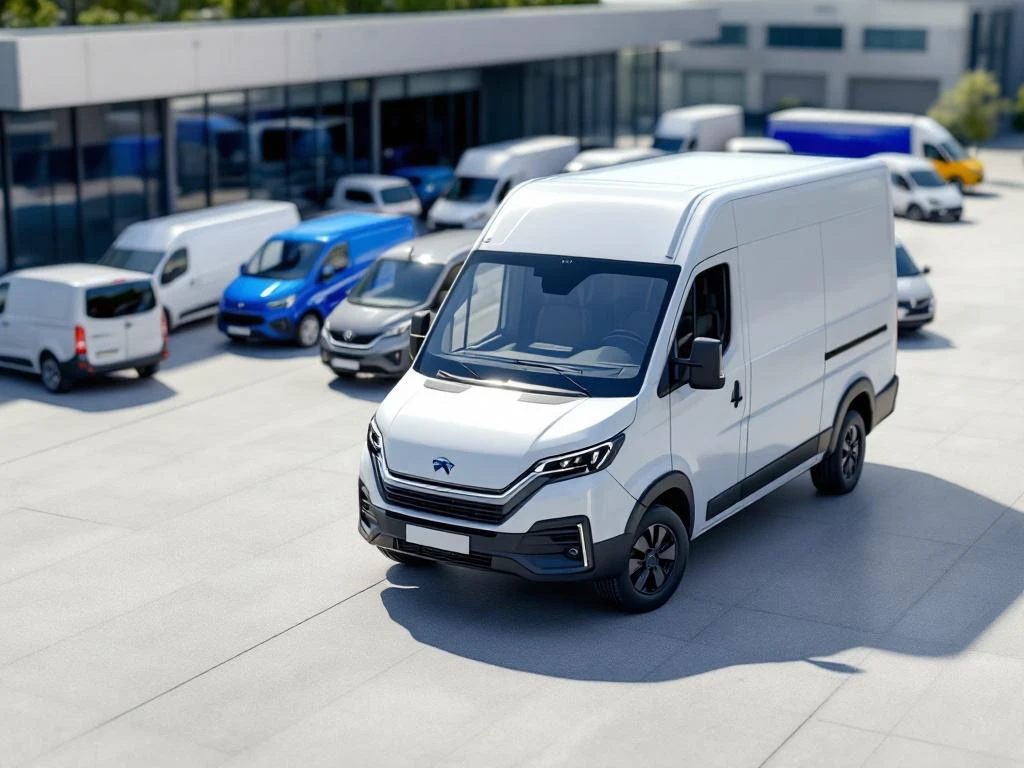

How heavy can you load a double cab van?
The load capacity of a double cab van is usually between 500 and 1000 kilograms, depending on the specific model and version. This is lower than for a single cab because the extra seats and construction add weight. You can find the exact load capacity of your van on the vehicle registration certificate under ‘mass’ or via the online RDW Vehicle Registration Check. It is important to check this in advance, as overloading can lead to fines of up to £3,500 and safety issues.
What is the maximum load capacity of a double cab van?
A double-cab van typically has a load capacity between 500 and 1000 kilograms. This load capacity varies depending on the brand, model and version. Popular models such as the Volkswagen Transporter, Mercedes-Benz V-Class and Peugeot Expert each have their own specifications that determine the load capacity.
The load capacity of a double cab is structurally lower than that of a single cab. This is because the extra seats, seat belts, structural reinforcement and interior fittings for the second row of seats add weight to the unladen weight of the van. As the maximum permissible total weight often remains the same (usually 3,500 kg for commercial vehicles), this extra weight reduces the amount you are allowed to load.
This is an important consideration for entrepreneurs in construction, installation or services. You have the option of transporting an entire team, but you must take into account a more limited load capacity. Some models have been specially optimised to minimise this difference by using lighter materials or smarter construction.
Always check the specific registration number of the van you are considering. Two seemingly identical models may differ in load capacity due to different options, versions or years of manufacture. This prevents surprises after purchase and ensures that you choose a vehicle that really suits your work.
How do you calculate how much you can still load into your van?
You can calculate the load capacity using a simple formula: permitted total weight minus unladen weight minus weight of occupants and fuel. This calculation gives you the maximum weight of materials, tools and other cargo that you may safely transport.
You will find the necessary information on the vehicle registration certificate, part I. Look for the following details:
- Mass ready to drive (G): the weight of the empty van including standard equipment and a full tank
- Technically permissible maximum mass (F.1): the maximum total weight you are permitted to drive
- Mass ready to drive, including driver: This is often stated separately, or you must add 75 kg to mass G.
A calculation example illustrates this. Suppose you have a double cab with a permitted total weight of 3,500 kg and an unladen weight of 2,200 kg. You are driving with three people (3 x 75 kg = 225 kg). You then calculate: 3500 kg – 2200 kg – 225 kg = 1075 kg load capacity. This is the maximum amount of materials and tools you are allowed to carry.
Take into account any extras that you have had fitted after purchase. A tow bar, side bars, roof rack or other accessories increase the unladen weight of your van. This automatically reduces your remaining load capacity. Always include these additions in your calculation to avoid overloading.
For daily use, it is useful to maintain a safe margin. Do not calculate down to the last kilogram, but keep a reserve of, for example, 10%. This compensates for unexpectedly heavier loads or extra materials that you need to take with you during a job.
What happens if you overload a double cab?
Overloading your van poses significant risks, both in terms of safety and legally and financially. The consequences are real and can seriously disrupt your business operations.
The safety risks are immediately noticeable while driving. An overloaded van has a longer braking distance, which means you will not be able to come to a stop in time in emergency situations. Stability when cornering is reduced, especially at higher speeds or when making sudden steering corrections. Tyre wear increases exponentially and the risk of blowouts increases significantly. The suspension and chassis also have to endure more, which can lead to damage to suspension components and frame construction.
From a legal perspective, you risk substantial fines during inspections. The police and inspection services regularly check company vehicles, especially in sectors where overloading is common. Overloading up to 10% will result in a fine of several hundred pounds. For more serious offences, fines can be as high as £4,000. In addition, you will receive penalty points on your driving licence, which can lead to suspension if repeated. For entrepreneurs with multiple drivers, this also means that you are liable as an employer.
Insurance issues are an often underestimated risk. In the event of an accident involving an overloaded van, your insurer may refuse or reduce the payout. Your insurance only applies if you comply with the legal requirements. This means that in the event of damage or total loss, you will have to bear the costs yourself, which can be financially disastrous for a business.
Damage to the vehicle caused by structural overload is also not covered by the warranty. Accelerated wear and tear on the transmission, clutch, brakes and suspension are direct consequences that you will have to pay for out of your own pocket. In the long term, overloading also significantly reduces the residual value of your van.
Where can you find the load capacity of your specific van?
You can find the load capacity of your specific van in three reliable places, each with their own advantages for different situations.
Vehicle registration certificate part I is the official source for weight information. Here you will find all relevant data under the heading ‘mass’. Please note the following codes:
- G (kerb weight): the unladen weight of the van including standard equipment and a full tank
- F.1 (technically permitted maximum mass): the maximum total weight you are permitted to drive
- F.2 (mass pulling unbraked): relevant if you wish to connect a trailer without brakes
- F.3 (mass pulling braked): the maximum weight you are permitted to tow with a braked trailer
The difference between F.1 and G gives you an indication of the maximum load capacity, but do not forget to subtract the weight of passengers from this to obtain the actual load capacity.
Type plate in the door provides quick access to weight information. This sticker is usually located on the B-pillar on the driver's side and becomes visible when you open the door. It lists the same weights as on the vehicle registration certificate, often in multiple languages. This is useful for a quick check before loading, without having to look up the vehicle registration certificate.
Online via RDW Vehicle Registration Check is the most modern way to look up weight information. Go to the RDW website and enter the registration number. You will immediately receive a complete overview of all technical specifications, including all weight categories. This is especially useful when you are considering buying a van and the seller can already provide the registration number. This allows you to check in advance whether the load capacity meets your needs.
For everyday use, these weight categories mean the following. The kerb weight tells you how much the empty van weighs. The difference between the maximum weight and the kerb weight is your theoretical load capacity. Subtract the weight of all passengers (standard 75 kg per person) to determine your practical load capacity. In a double cab with six seats fully loaded with people (6 x 75 kg = 450 kg), there is considerably less load space left than when you are driving alone.
How we help you choose the right double cabin
We understand that the load capacity of your van has a direct impact on your daily work. With over 60 years of experience in commercial vehicles, we help entrepreneurs find a double cabin that perfectly matches their specific transport needs.
Our approach focuses on transparency and personalised advice:
- Transparent weight specifications: For each vehicle in our stock, we clearly state the load capacity so that you can immediately see whether a van is suitable for your work.
- Customised advice: We will look at your specific situation together, how many people you regularly transport and what weight of materials and tools you carry with you.
- Ample stock with various load capacities: With 400 commercial vehicles in stock, including various double cab models, you will always find an option that suits your needs.
- Taking accessories into account: If you would like to have a tow bar, roof rack or side bars fitted, we will calculate in advance how this will affect the load capacity.
- Stock alert service: Are you looking for a specific double cab with a certain load capacity that is not currently available? Set up an alert and receive automatic notification when a suitable vehicle becomes available.
In our showroom in Helmond, you can view and compare various double cab models. We take the time to go through all the specifications and show you what to look out for. Make an appointment for personal attention, or feel free to drop by and have a look around. View our current range online at www.vdhurk.nl and discover which double cab van best suits your business.