
How environmentally friendly is a double cab van?
A double cab van is similar to other modern commercial vehicles in terms of environmental impact, although it has slightly higher fuel consumption due to its extra weight and size. Environmental friendliness depends mainly on the fuel type (diesel, petrol or electric), your driving style and maintenance. Modern models with Euro 6d standard are significantly cleaner than older variants, and electric options are becoming increasingly accessible for business use.
What determines the environmental impact of a double cab van?
The environmental friendliness of a double-cab van is determined by several factors that together determine your CO2 emissions and fuel consumption. The fuel type plays the biggest role: diesel, petrol or electric make a huge difference in your carbon footprint. In addition, engine power, overall weight, aerodynamics and especially your usage pattern influence how much you emit.
The extra weight of a double cabin directly affects consumption. Because of the extra seats and sturdier construction, a double cab typically weighs 200 to 400 kilos more than a standard van. This higher weight requires more energy to move, resulting in an average 0.5 to 1 litre of extra consumption per 100 kilometres, depending on your load and driving style.
Aerodynamics also come into play. A double cab often has a longer wheelbase and a larger frontal area, which means more air resistance. You notice this especially on motorway trips: the higher your speed, the more fuel you consume. The difference with a standard van is limited at 80 km/h, but at 120 km/h it can add up to 15% more consumption.
Your usage pattern is perhaps the most important factor you can influence yourself. Do you mainly drive short trips in the city with lots of stop-and-go traffic? Then you will consume significantly more than on quiet country road trips. Loading also matters: every 100 kilos of extra weight increases your consumption by around 0.3 to 0.5 litres per 100 kilometres.
How does a double cab compare with other commercial vehicles in terms of emissions?
A double-cab van consumes slightly more on average than other commercial vehicles, but the difference is often not so great in practice. A modern double-cab diesel emits about 180 to 220 grams of CO2 per kilometre, while a standard van comes out at 160 to 200 grams. The difference of around 10 to 15% is mainly due to the higher weight and slightly less favourable aerodynamics.
Compared to a small van such as a Peugeot Partner or Volkswagen Caddy, the fuel consumption of a double cabin is significantly higher. These compact models often reach 6 to 7 litres per 100 kilometres, while a double cab is more likely to reach 8 to 9.5 litres. For many entrepreneurs, however, this difference is acceptable, because with a double cabin you combine both passenger transport and material transport.
Bucket trucks are in the same segment as double cabs in terms of emissions. Both vehicle types have similar weight and size, so fuel consumption is also similar. The difference is mainly in functionality: with a double cab, you comfortably transport your team, while a box truck offers more cargo space.
It is important to note that modern models with Euro 6d standard are much cleaner than older variants. A post-2020 double cab emits up to 30% less pollutants than a similar pre-2015 model. Technological advances in engines and exhaust systems have significantly reduced the environmental impact, even in heavier commercial vehicles.
What eco-friendly alternatives are there to a double cab?
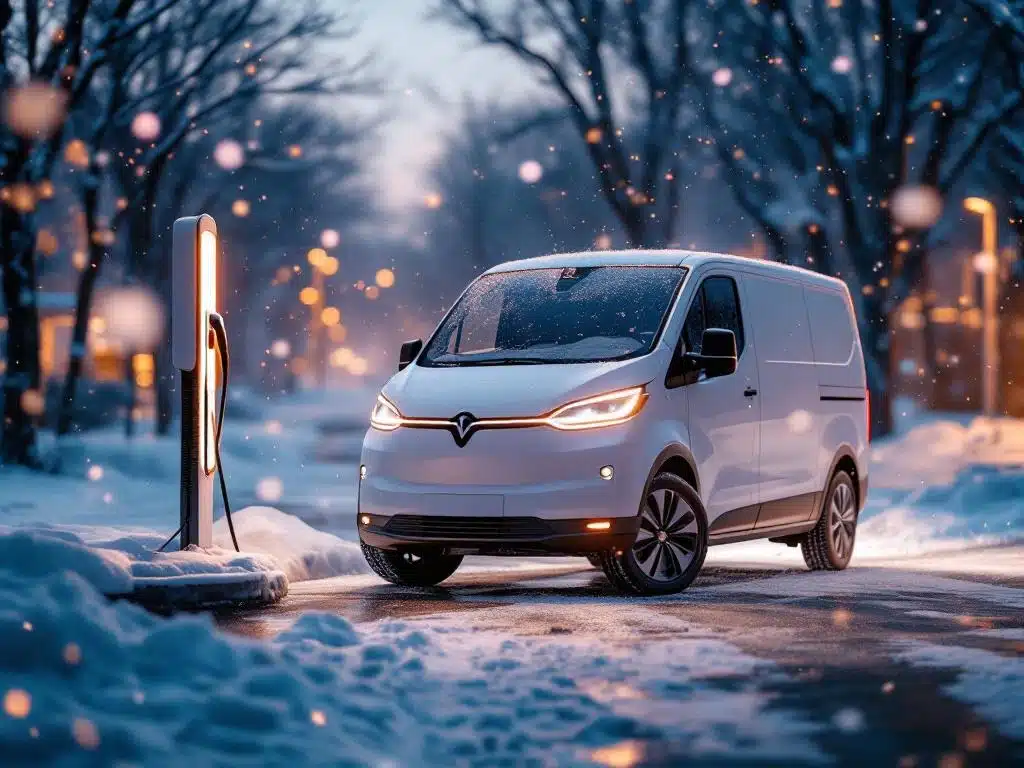
Electric double cabs are the most eco-friendly alternative, although supply is still limited. Brands such as Ford (E-Transit with double cab option) and Maxus (e Deliver 9) now offer all-electric variants. The range is between 250 and 350 kilometres, which is sufficient for many daily business activities. The charging network in the Netherlands is well developed, but for longer trips, an electric double cab does require planning.
The advantage of electric driving is not only zero emissions while driving, but also lower operating costs. Electricity is cheaper than diesel, and maintenance is more minimal as there are fewer moving parts. For entrepreneurs who mainly operate regionally and have access to a charging point, an electric double cab is a serious option.
Hybrid models are an intermediate step, but are still hardly available for double cabs. With hybrid technology, most manufacturers focus on passenger cars and smaller vans. For those looking for a more fuel-efficient option now, modern diesel engines with Euro 6d standard are often the most practical choice.
This latest generation of diesel engines combines relatively low consumption (7.5 to 9 litres per 100 km) with clean exhaust emissions. AdBlue systems and particulate filters ensure minimal emissions of nitrogen oxides and particulates. For operators driving long distances or transporting heavy loads, a modern diesel remains the most practical and affordable alternative for the time being.
How to make your double cab van more fuel-efficient to run?
Your driving style has the biggest impact on your fuel consumption. Smooth acceleration and anticipatory driving can reduce your consumption by 10 to 20% without slowing down. Avoid hard acceleration and brake as little as possible by looking ahead and releasing the throttle early. Use the engine to slow down instead of constantly hitting the brakes.
Check your tyre pressure regularly. Underinflation increases rolling resistance and can increase your consumption by 3 to 5%. Check the pressure at least once a month and stick to the recommended values for your load. Properly inflated tyres also extend their life and improve your driving safety.
Remove unnecessary cargo from your van. Every kilo of extra weight costs fuel, so regularly clear your cargo space. Tools or materials that you do not need every day are better stored on your premises. Roof racks and roof bars also increase air resistance: remove them when not in use.
Regular maintenance keeps your engine economical. Change air filters on time, use the right engine oil and have your engine checked periodically. A well-maintained engine will run more efficiently and consume less. Plan your routes smartly to avoid unnecessary kilometres, and use cruise control on quiet roads to maintain a constant speed.
How Van Den Hurk helps with sustainable commercial vehicles
We understand that sustainability is becoming increasingly important for business owners, without you wanting to sacrifice functionality. In our extensive range of 400 commercial vehicles, you will find modern, fuel-efficient double cabs that perfectly suit your business needs and sustainability goals.
Our range of eco-friendly double cabins includes:
- Modern models with Euro 6d standard for minimum emissions
- Fuel-efficient diesel engines consuming 7.5 to 9 litres per 100 km
- Electric options for those who want to drive completely emission-free
- Well-maintained used models with current environmental standards
Our advisers will gladly think with you about the most sustainable choice for your specific situation. We look at your daily mileage, charging pattern and budget to find the most suitable vehicle. Whether you opt for purchase or financial lease, we provide transparent pricing and personal assistance.
Are you missing the perfect durable double cab in our current range? Then use our stock alert service. You will be automatically notified as soon as a van that meets your needs becomes available. Check out our current offer at www.vdhurk.nl or contact us for personal advice on the most eco-friendly option for your business.