
Are double cab vans harder to park?
A van double cab is slightly longer than a single cab, usually 50 to 80 centimetres. You especially notice this difference when reversing and parking in tight spaces. With some practice and practical aids such as parking sensors, you quickly get used to it, and most drivers find the difference no longer bothersome after just a few weeks.
What is the difference in length between a double and single cab?
A double-cab van is typically 50 to 80 centimetres longer than the same single-cab model. This extra piece is due to the second row of seats placed between the front cab and the cargo area. The overall length of a double cab is usually between 5.3 and 5.8 metres, depending on the make and wheelbase.
That extra length has implications for cargo space. Whereas a single cab often has 3 to 3.5 metres of load length, a double cab usually leaves 2 to 2.5 metres. For many companies, this is not a problem, as the double cab is intended precisely to staff and equipment at the same time. You have comfortable seating for five to six people, plus enough space for tools and equipment.
The difference in length is mainly seen in the turning circle. A double cab needs a larger turning circle to turn around. In practice, this means you need a bit more space when manoeuvring on building sites, with customers or in car parks. The difference is noticeable, but not a big problem for most drivers after a short settling-in period.
In addition, a double cab is often slightly heavier due to the extra row of seats and amenities. This affects handling and manoeuvrability, especially at low speeds. The longer wheelbase does provide more stability on the motorway, which is nice on long journeys with a full team.
How do you notice the difference while parking?
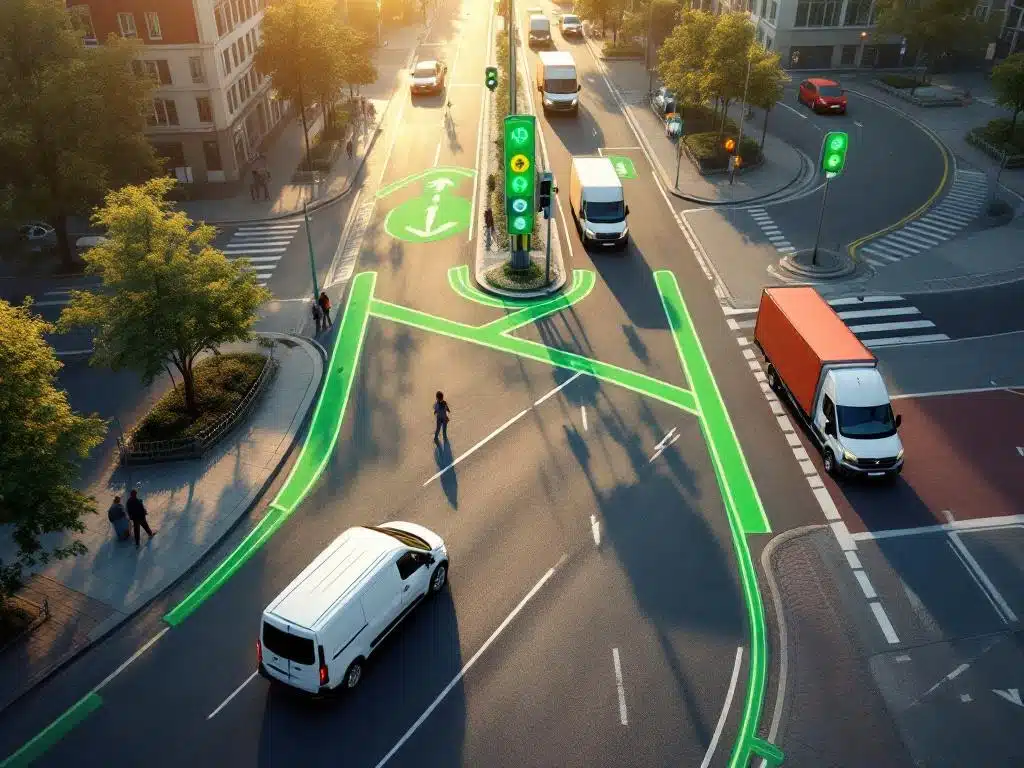
When parking, you mainly notice the difference in length and turning circle. A van double cab needs more space to manoeuvre in a parking space. Reversing requires a bit more attention, as you have to steer the rear further back before the van is straight. This requires better estimation of distances, especially if you are used to a shorter van.
The longer wheelbase means the car turns less sharply. When you need to turn in a tight space, you need more back-and-forth movements than with a single cab. You especially notice this on narrow business parks, in old city centres or at loading and unloading points with limited space. It is not impossible, but requires a bit more time and patience.
You also feel the extra weight of the double cab when manoeuvring. The power steering has to do a bit more work, and at low speeds the car feels a bit heavier. This is not a problem while driving, but when parking, you just demand a bit more power from the steering system. Modern vans usually don't suffer from this, but older models can have slightly heavier steering.
The overview from the driver's seat also differs. The longer body behind you makes it more difficult to estimate the rear exactly without aids. The rear window gives limited visibility due to the second row of seats and any headrests. Therefore, many drivers rely on their mirrors and any parking sensors to reverse safely.
Yet this gets used quickly. Most drivers report that after two to three weeks of regular driving, they hardly notice the difference. You learn the dimensions of your car and adjust your parking technique automatically. It takes some getting used to, especially in the beginning.
What parking tips will make things easier with a double cab?
Parking sensors and a reversing camera make parking with a double cab a lot easier. These aids tell you exactly how much space you have left behind the van. Many modern vans have these as standard, but you can also have them retrofitted. This is an investment that quickly pays for itself in convenience and safety.
Where possible, opt for ample parking spaces or park in reverse in a space. Parking in reverse gives you a better overview when pulling away, and you will have completed the tricky manoeuvre before getting back on the road. At loading and unloading sites, it is often best to drive in ahead so you can easily access the loading area.
Use your mirrors actively while parking. Adjust them properly before you drive off so you can see the sides of your car and the ground next to the wheels. This helps enormously in estimating distances to obstacles, other cars or walls. Many drivers look mainly at the rearview mirror, but the side mirrors often give better visibility in tight situations.
Practice in a quiet area if you have just got a double cab. Find an empty car park or industrial estate where you can practice reversing, turning and parking without stress. This will give you confidence and help you get to know the dimensions of your car better. An hour of practice will save a lot of uncertainty in daily use.
Take your time in difficult parking situations. It's not a race, and a few extra seconds of manoeuvring is always better than damage to your car or someone else's. If a parking space seems too tight, find an alternative. Most drivers develop a good feel for which spots are feasible and which are not over time.
How Van Den Hurk helps choose the right van
We understand that choosing a van double cab is not just about seating and cargo space. Practicalities, such as parking and manoeuvring, also play an important role in your daily work. That's why we take the time to look with you at what is really important for your business.
With us, you can:
- Test-driving different models to experience the difference in length and agility for yourself
- Get advice on dimensions and parking availability based on your work locations
- Choose from our extensive range double cabins in various lengths and designs
- Have practical tools such as parking sensors and cameras added to your car
- Count on honest advice on which configuration best suits your situation
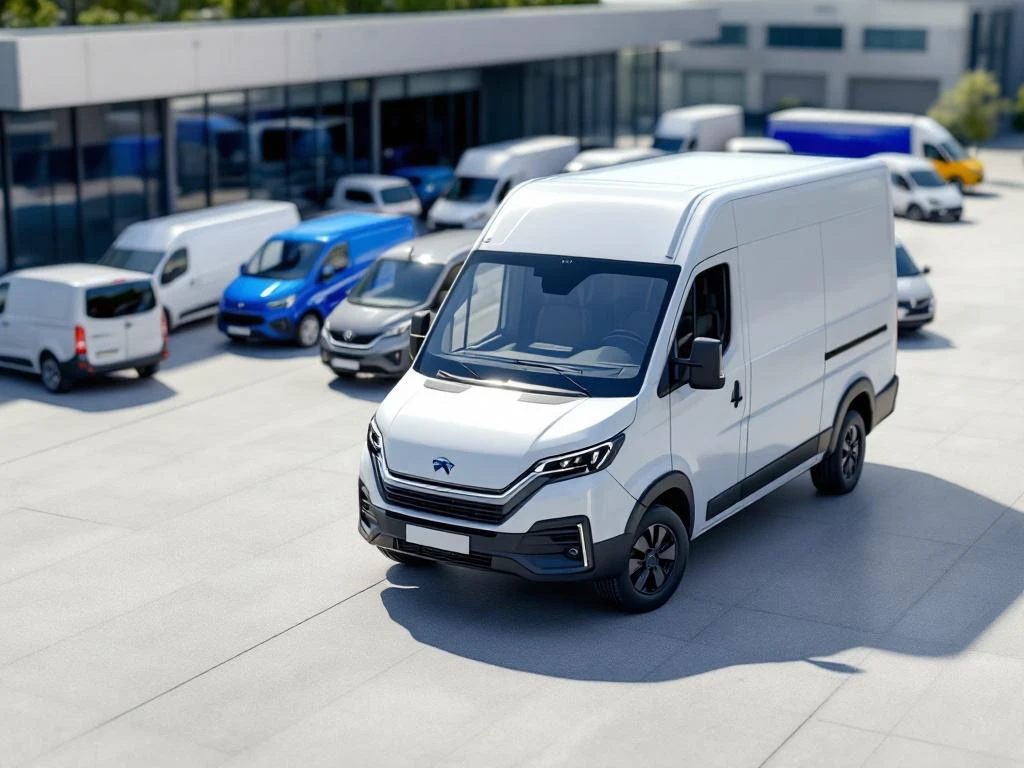
In our showroom in Helmond, several double cabs are ready to be viewed and tested. Our advisers have years of experience with commercial vehicles and know exactly what entrepreneurs come up against. Together, we look at seating comfort, legroom, driving comfort and, of course, how the car behaves during parking.
View our current range at www.vdhurk.nl or make an appointment for a test drive. That way you can experience for yourself how a double cab drives and parks, and together we can determine which car suits your business perfectly.