
Can you drive a commercial bus with double cab with a B licence?
Do you have your eye on a double cab van and wonder if your regular driving licence will suffice? It is a question that concerns many entrepreneurs, sole traders and fleet managers. This is because the rules surrounding driving licences and commercial vehicles are not always clear, especially when it comes to vehicles with extra seats or a higher payload.
In this article, we answer the most frequently asked questions about the driving licence you need for a double-cab commercial van. We take you step by step through the weight limits, the number of seats and the rules for business use, so you know exactly where you stand before you buy a double-cab van purchase or lease.
What is a double cab company bus?
A commercial double-cab van is a van or light truck in which the driver's cabin is extended by a second row of seats. This type of vehicle combines transport capacity with space for several passengers, making it particularly suitable for construction companies, installers and other sectors where a crew of employees as well as materials need to be transported at the same time.
In practice, a double cabin usually five to six seats, complemented by a cargo area or open cargo box behind the cabin. You will find this type of bodywork on popular models such as the Volkswagen Transporter, Ford Transit, Mercedes-Benz Sprinter and Renault Master. The combination of passenger and goods transport makes the double cab a versatile choice, but also brings with it specific questions about driving privileges.
Difference with a single cabin
With a single cab, there is only one row of seats, directly behind the steering wheel. A double cab adds a full second row, which affects the overall length, weight and sometimes use of the vehicle. This distinction is relevant in determining which driving licence you need.
What driving licence do you need for a commercial van?
For most commercial buses and vans, you need a B driving licence, provided the vehicle does not exceed 3,500 kilograms total permissible weight (TTG) and has no more than eight seats, excluding the driver. If the vehicle falls outside these limits, a C1 or C driving licence is required.
Dutch driving licence categories are based directly on European regulations. This means that driving licence rules are largely the same across Europe. For business use, the same basic rules apply as for private use, although there are additional rules if you want to offer passenger transport for payment.
Overview of relevant driving licence categories
- Driving licence B: Vehicles up to 3,500 kg TTG, maximum 8 seats, excluding driver
- Driving licence B+E: Driving licence B with trailer, where the combination may be heavier than 3,500 kg
- Driving licence C1: Vehicles between 3,500 and 7,500 kg TTG
- Driving licence C: Vehicles heavier than 7,500 kg TTG
- Driving licence D1: Vehicles with 9 to 16 seats, excluding driver
Can you drive a double cab with a B licence?
Yes, you may drive a commercial bus with double cab with a B driving licence, as long as the vehicle does not exceed 3,500 kilograms TTG and has no more than eight seats, excluding the driver. If the double cab meets both conditions, no additional driving licence is required.
Most light commercial double-cab vans fall within this category. A standard Volkswagen Transporter or Ford Transit with double cab usually has a TTG of 3,000 to 3,500 kg and offers five or six seats. This will keep you well within the limits of the B licence. Still, it is wise to always check the vehicle documents before getting behind the wheel, as extra options such as a heavy tail lift or higher payload can increase the TTG.
When is a B licence not sufficient?
A B driving licence is not sufficient if the vehicle weighs more than 3,500 kg or has more than eight seats. Also, if you are coupling a trailer that takes the combination over 3,500 kg, you need at least a B+E driving licence. Check the vehicle's registration certificate: it shows the permissible total weight.
What are the weight limits for a B licence?
A B driving licence allows you to drive vehicles with an authorised total weight of up to 3,500 kilograms. This weight includes the weight of the vehicle itself, including fuel, plus the maximum load and all passengers. If you exceed this limit, you need a C1 or C driving licence.
The TTG is always stated on the vehicle's registration certificate, on the so-called registration card. It is not the unladen weight, but the maximum weight with which the vehicle is allowed on the road. So a van with an unladen weight of 2,200 kg and a TTG of 3,500 kg may carry a maximum of 1,300 kg of cargo and passengers before reaching the limit.
Trailer and weight
If you couple a trailer to a vehicle with driving licence B, additional rules apply. In principle, the combination of tractor and trailer may not exceed 3,500 kg if you only have driving licence B. With driving licence B+E, you may drive a heavier combination, where the total weight of the combination depends on the tractive power of the vehicle. This is particularly relevant if you use a company bus with double cab to pull a trailer with equipment or machinery.
What changes if the bus has more than 8 seats?
If a commercial bus has more than eight seats, excluding the driver, the vehicle no longer falls under the category of B driving licence. You will then need a minimum driving licence D1 for vehicles with 9 to 16 seats, or driving licence D for larger buses. This applies regardless of the weight of the vehicle.
In practice, double-cab commercial buses rarely have more than eight seats. Most models offer five or six seats, which falls well within the B category. Nevertheless, there are specific versions, such as wheelchair buses or minibuses for care transport, that can have more seats. In that case, an additional driving licence is required.
Care transport and passenger transport
If you offer passenger transport for payment, additional requirements under the Passenger Transport Act also apply. This is relevant for care transporters and taxi companies. In addition to the correct driving licence, a driver's pass or additional certification may be required. For business passenger transport, always consult the current regulations of the RDW and the municipality.
What driving licence is required for business use of a van?
For business use of a van, the same driving licence rules apply as for private use. You need driving licence B for a van up to 3,500 kg TTG with up to eight seats, excluding the driver. It makes no difference to the driving licence requirement whether you use the van privately or on business.
However, there are additional things business users need to keep in mind. For instance, some lease contracts require drivers to hold a valid driving licence for the relevant vehicle category. Fleet managers would do well to check this structurally, especially if several employees use the same vehicles.
Buying or leasing a small van for business use
If you want to buy or lease a small van for business use, it is wise to decide in advance how you will use the vehicle. If it is for light transport with one or two employees, a standard van with driving licence B will suffice. If you are transporting a crew of four or five plus equipment, then a double cab is a logical choice that still falls within the B category, provided the weight allows it.
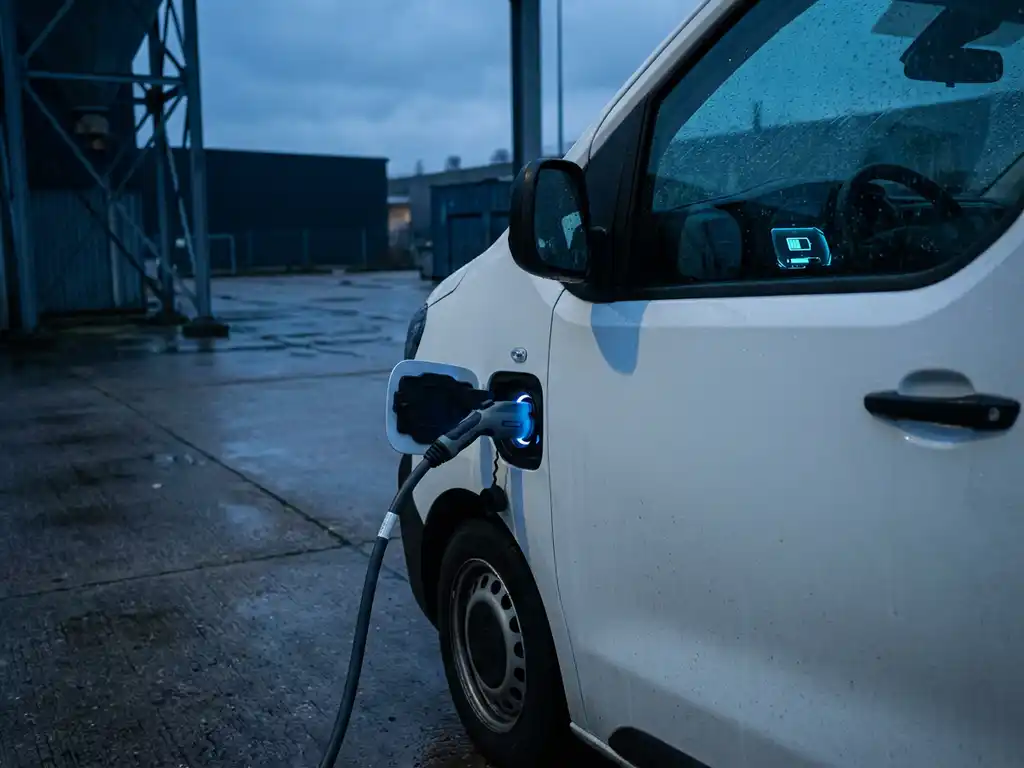
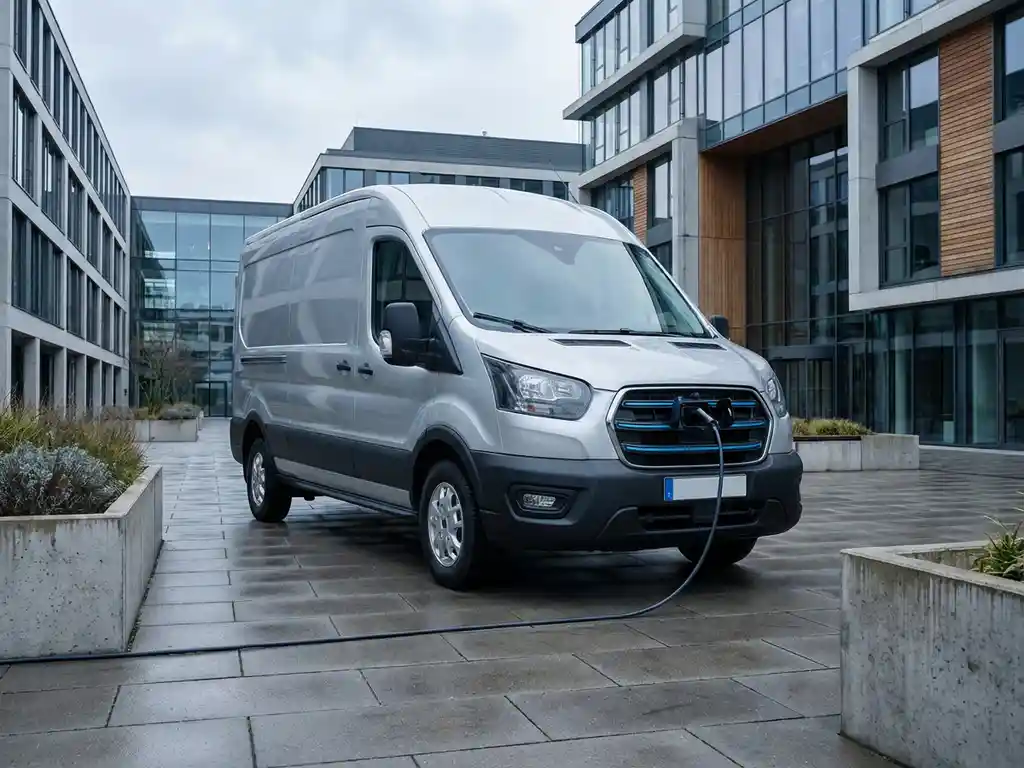
When leasing a electric company car weight is extra relevant. Electric powertrains and the associated batteries add weight to the vehicle. As a result, some electric vans come closer to or even exceed the 3,500 kg limit. Therefore, always check the TTG of the specific model before signing a lease contract.
How we help you choose the right company bus
We understand that choosing the right commercial van goes beyond driver's licence. It's about finding a vehicle that suits your job, your team and your budget. That's exactly what we can help you with, with over 60 years of experience in the Helmond and North Brabant region.
Whether you are looking for a small van to buy, a double-cab company van for your team, or an electric company van to lease: we think with you. Here's what we can do for you:
- Advice on the right vehicle based on your usage and driving licence
- A large, diverse stock of commercial vehicles, including electric models and double cabs
- Flexible leasing and purchase options tailored to your situation as a self-employed person, SME or fleet manager
- Personal assistance from advice to delivery, without fuss
- A handy stock alert service, so you are the first to know about new offers
Want to know which double cab van suits your driving licence and operations? Contact us or take a look at our current offer of commercial vehicles on the website. We will be happy to help you.