
How does the environmental zone scheme for electric commercial vehicles work?
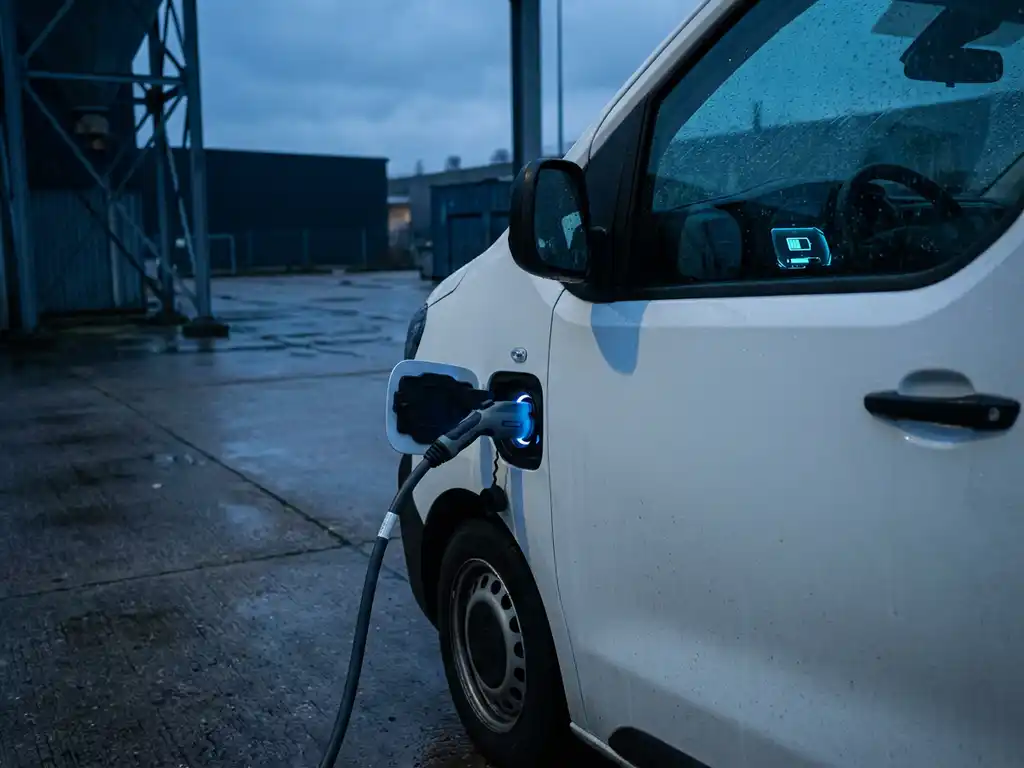
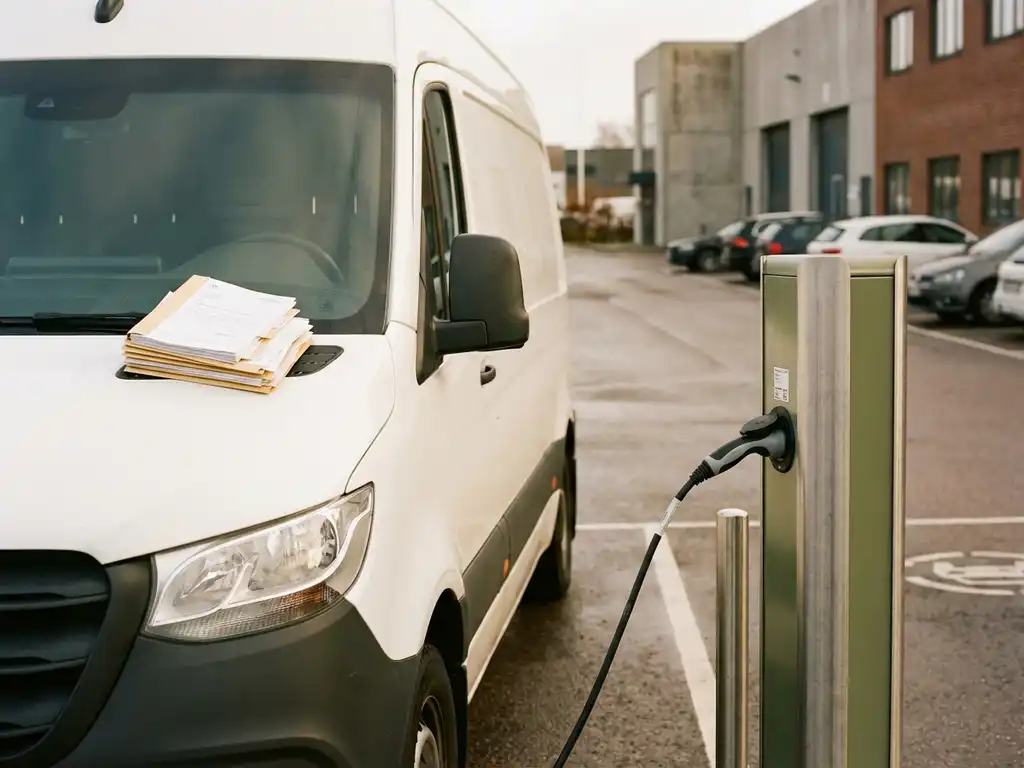
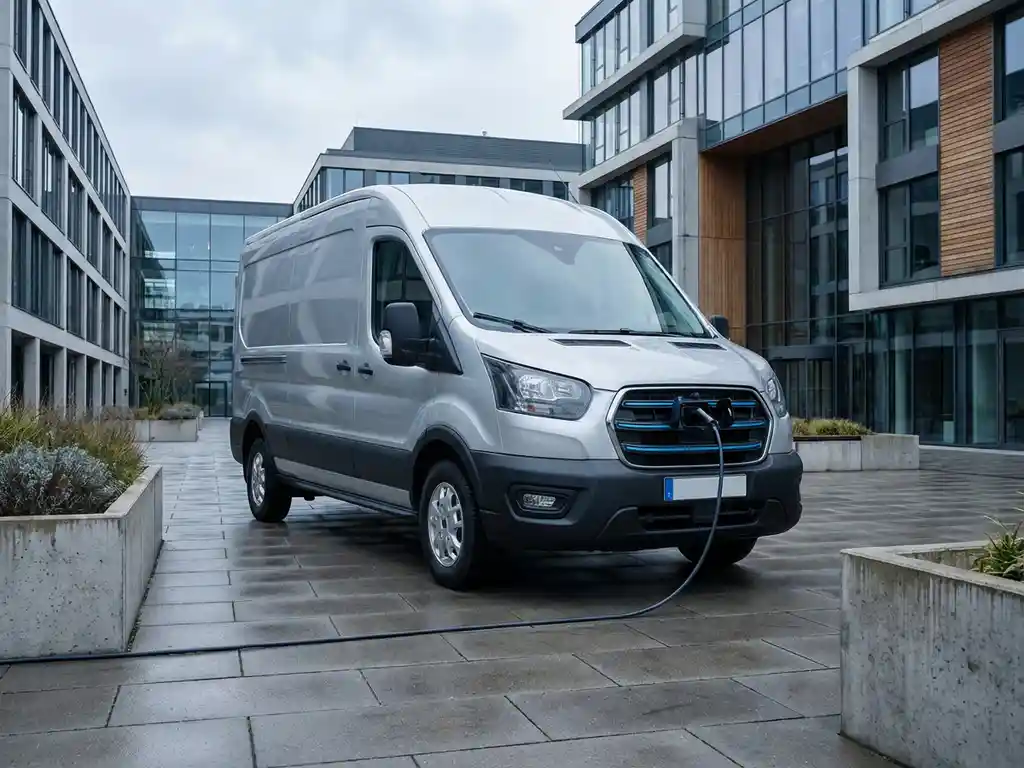
Electric commercial vehicles have full access in environmental zones without restrictions or fines. While diesel vehicles are increasingly restricted, you can drive an electric commercial vehicle freely in all Dutch environmental zones. Municipalities check this via camera systems that scan license plates and link them to vehicle databases. The timing for the switch depends on your current vehicle and business needs.
What are environmental zones and why are they being introduced?
Environmental zones are areas in cities where only low-emission vehicles are allowed to drive. Dutch municipalities introduce these zones to improve air quality and meet climate goals by keeping polluting vehicles out of busy city centres.
Amsterdam was the first city with an environmental zone in 2008, followed by other major cities. Currently, Amsterdam, Utrecht, The Hague, Rotterdam, Eindhoven, Arnhem and Maastricht have active environmental zones. These zones are gradually being expanded and the requirements are becoming stricter.
The main reasons for introduction are:
- Health: reduction of particulate matter and nitrogen dioxide in the air
- Climate: contribution to CO2 reduction targets
- Liveability: less noise pollution and better air quality for residents
- European regulation: meet EU air quality standards
Extensions are planned for the coming years. Many municipalities are working on zero-emission zones where only completely emission-free vehicles are welcome. This means electric commercial vehicles will become even more important for entrepreneurs operating in cities.
What advantages do electric commercial vehicles have in environmental zones?
Electric commercial vehicles have unlimited access to all environmental zones in the Netherlands. They produce no local emissions, making them always welcome, no matter how strict the rules become. As a business owner, this gives you security for the future.
The concrete benefits are:
- Free access: no restrictions in current and future environmental zones
- No fines: electric vehicles never get environmental zone fines
- Parking benefits: many cities offer free or cheaper parking
- Access to zero-emission zones: also welcome in the strictest future zones
- Positive image: demonstrates sustainable business practices to customers
Diesel vehicles, on the other hand, are increasingly restricted. Older diesels are already excluded from many zones and the requirements are getting stricter every year. Even newer Euro 6 diesels may be restricted in the future. Hybrid vehicles often have access, but only electric commercial vehicles offer full security.
Some municipalities offer additional incentives, such as subsidies for electric company cars or priority when applying for charging stations. These benefits make the switch even more attractive financially.
How do municipalities monitor compliance with environmental zoning rules?
Municipalities use automatic camera systems that scan license plates when entering environmental zones. These cameras are located at the edges of the zones and check 24/7 whether vehicles have access. The system links license plates directly to the RDW database to determine emission class.
The enforcement process works as follows:
- Scanning: cameras photograph license plates of all vehicles
- Databasecheck: automatic check of authorised vehicles
- Violation observed: the system marks unauthorised vehicles
- Fine sent: within a few weeks you will receive a fine decision
Fines vary by municipality, but are usually between €95 and €230 for commercial vehicles. For repeated offences, the amounts can rise. Some cities also apply manual checks by boas or police.
Tips to avoid problems:
- Always check the environmental zone map before entering a city
- Check via the council's website whether your vehicle has access
- Plan alternative routes if your vehicle is not welcome
- Take into account varying rules per municipality
- Ensure correct licence plate information in the RDW database
When should you switch to an electric company car?
The best timing for the switch depends on your current vehicle, working area and financial situation. If you regularly drive in environmental zones and your current company car is over five years old, switching is becoming increasingly attractive. If you wait too long, you risk access restrictions.
Consider switching when:
- Your current vehicle faces major repairs or has been written off
- Your working area has or will have environmental zones
- Your lease expires and you still need a new contract
- Business growth additional vehicle capacity required
- Customers Increasingly value sustainability
Timing considerations per situation:
- New company car needed: opt directly for electric
- Current vehicle 3-5 years old: plan transition within 1-2 years
- Lots of city work: consider faster switching for access security
- Long rides: possibly wait for better range or charging infrastructure
Take into account the depreciation of your current vehicle. A well-maintained diesel commercial vehicle still has value, but it depreciates faster due to environmental restrictions. So plan the switch strategically to minimise financial loss.
How we help with electric commercial vehicles
We will fully guide you through the transition to electric commercial vehicles, from advice on environmental zone schemes to practical support. With more than 60 years of experience, we know exactly which electric utility vehicle suits your business and field of work.
Our concrete support includes:
- Personal advice on environmental zones in your working area and future developments
- Vehicle advice based on your specific business needs and driving behaviour
- Flexible financing With leasing options to suit your budget
- Practical help in charging solutions and transition planning
- Transparent pricing with no surprises
We will help you determine the right timing for the switch and ensure that you do not face access problems in environmental zones. Our large stock of electric commercial vehicles means you can make the switch quickly when it suits your situation.
Want to know which electric utility vehicle is best suited to your business and area of operation? Contact us for personal advice on environmental zones and the switch to electric driving. We are happy to think with you about the best timing and the right vehicle.