
What are the trends in electric commercial vehicles for 2026?
The 2026 electric commercial vehicles will be faster, more fuel-efficient and more economical than ever before. New models will have a range of more than 400 kilometres, batteries will charge faster and the total cost of ownership will fall below that of diesel vehicles. In addition, the charging infrastructure is being expanded with more fast chargers and workplace charging solutions. These developments make 2026 an important year for companies looking to switch to sustainable mobility.
What new electric commercial vehicle models are coming in 2026?
In 2026, major manufacturers such as Ford, Mercedes-Benz, Volkswagen and Renault will launch new electric commercial vehicles with improved specifications. These models offer a range of 350 to 450 kilometres and load capacities of up to 1,400 kilograms. They are specially designed for intensive business use in various sectors.
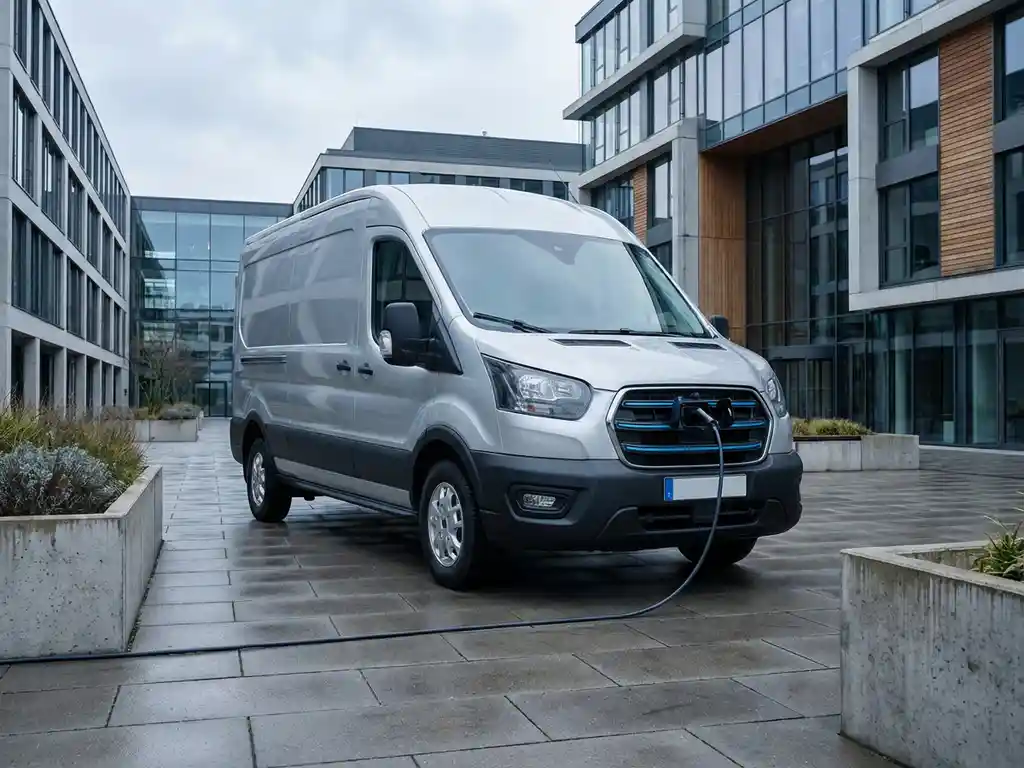
The Ford E-Transit gets a new battery variant with 400-kilometre range, perfect for regional distribution and service companies. Mercedes introduces the eSprinter with modular battery packs, allowing you to choose between more cargo space or a longer range. Volkswagen brings out the ID. Buzz Cargo out with advanced connectivity for fleet management.
For specialised applications, there will be new options, such as electric refrigerated vans with improved insulation and energy management. More variants will also become available for the care sector, including wheelchair buses with low entry and adapted loading systems. These models will be available from the second quarter of 2026.
How will the battery life of electric commercial vehicles change in 2026?
The battery life of electric commercial vehicles improves significantly by 2026 due to new lithium iron phosphate technology. These batteries last 15 to 20% longer and charge 30% faster than current generations. For everyday use, this means less charging time and higher availability of your vehicle.
New battery management systems automatically optimise the charging and discharging process. This extends the service life to more than 300,000 kilometres or 10 years of intensive use. Improved thermal regulation ensures that batteries perform optimally even in extreme temperatures.
Fast charging becomes standard with power up to 150 kW, allowing you to charge from 10% to 80% battery capacity in 30 minutes. For operations, this means you can “refuel” enough energy during a lunch break for the rest of the working day. Regenerative braking also becomes more efficient, allowing you to recover energy while driving.
What will be the cost of electric commercial vehicles in 2026?
The purchase prices of electric commercial vehicles fall by 10 to 15% by 2026 due to economies of scale and cheaper batteries. For many models, total cost of ownership is now lower than comparable diesel vehicles. This is due to lower fuel costs, less maintenance and tax benefits.
An electric company car costs on average €3,000 to €5,000 more to buy than a diesel, but you save €200 to €400 a month on operational costs. Leasing rates for electric models are becoming more competitive, with all-in packages starting from €450 per month, including insurance and maintenance.
Maintenance costs are 40-50% lower because electric motors have fewer moving parts. You don't have to change oil, change filters or maintain exhaust systems. It does add new costs, such as battery monitoring and software updates, but these outweigh the savings.
Fiscal benefits remain attractive, with 0% addition for business use and exemption from BPM. For sole traders and SMEs, additional subsidies of up to €5,000 per vehicle are available, depending on the region and company size.
What charging infrastructure developments are coming for commercial vehicles?
The charging infrastructure for commercial vehicles is expanding rapidly in 2026 with dedicated fast-charging sites along main roads and in business parks. These charging points are designed for larger vehicles and offer power up to 350 kW. Workplace charging will also become standard in new office buildings and distribution centres.
Along motorways, special loading spots for commercial vehicles will be established with longer parking spaces and better accessibility. These locations often have facilities such as toilets, restaurants and wifi, so drivers can be productive while charging.
Smart charge management is becoming more important for businesses with multiple vehicles. New systems automatically allocate available power capacity and charge vehicles based on the next day's schedule. This prevents grid overload and keeps energy costs down.
For home workers and service technicians, mobile charging solutions are emerging and the public network in residential areas is being expanded. Municipalities are investing in charging stations specifically for company cars in residential areas where many sole traders and small entrepreneurs live.
How Van den Hurk helps with electric commercial vehicles
We fully support companies in the transition to electric commercial vehicles with personal advice and practical solutions. We combine our experience of more than 60 years in the commercial vehicle industry with knowledge of the latest electric technologies. So you are guaranteed to find the right electric commercial vehicle for your business.
Our services for electric commercial vehicles include:
- Personal advice sessions On the best electric option for your operation
- Extensive stock electric commercial vehicles from well-known brands such as Volkswagen, Ford and Mercedes-Benz
- Flexible leasing options with all-in packages, including insurance and maintenance
- Grant application support and tax optimisation
- Aftercare and service for maintenance and software updates
View our complete range electric commercial vehicles and find out what opportunities are available for your business. Contact us for a no-obligation consultation on switching to electric driving. We will be happy to help you with transparent prices and personal service.