
What charging cables do you need for electric commercial vehicles?
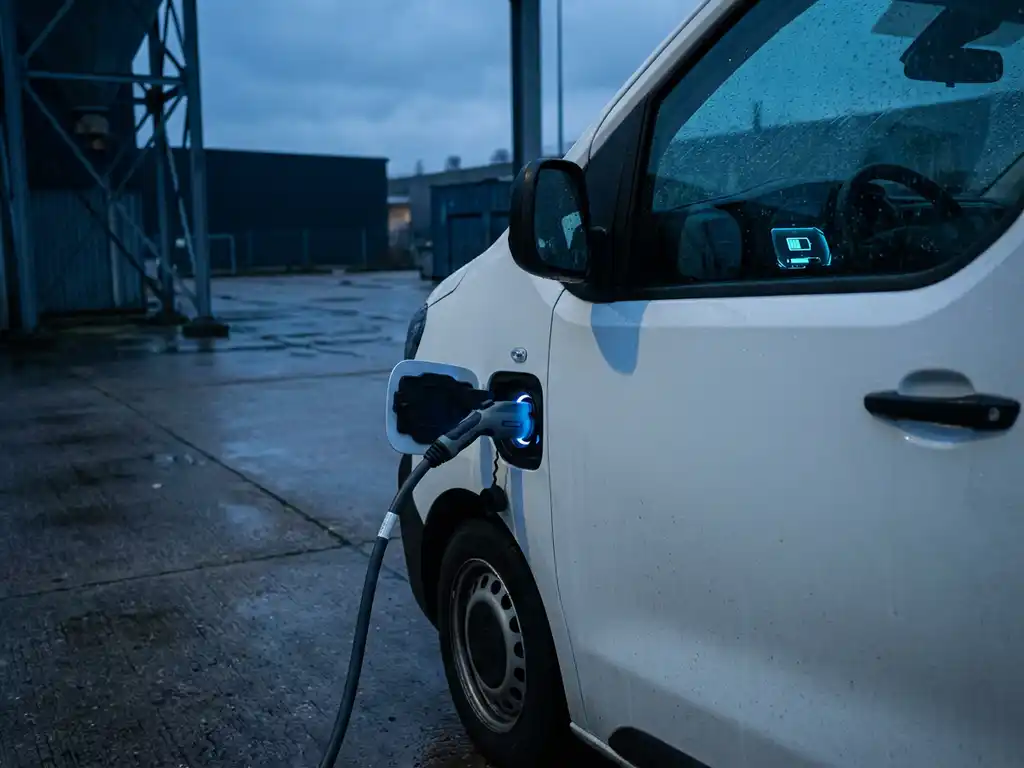
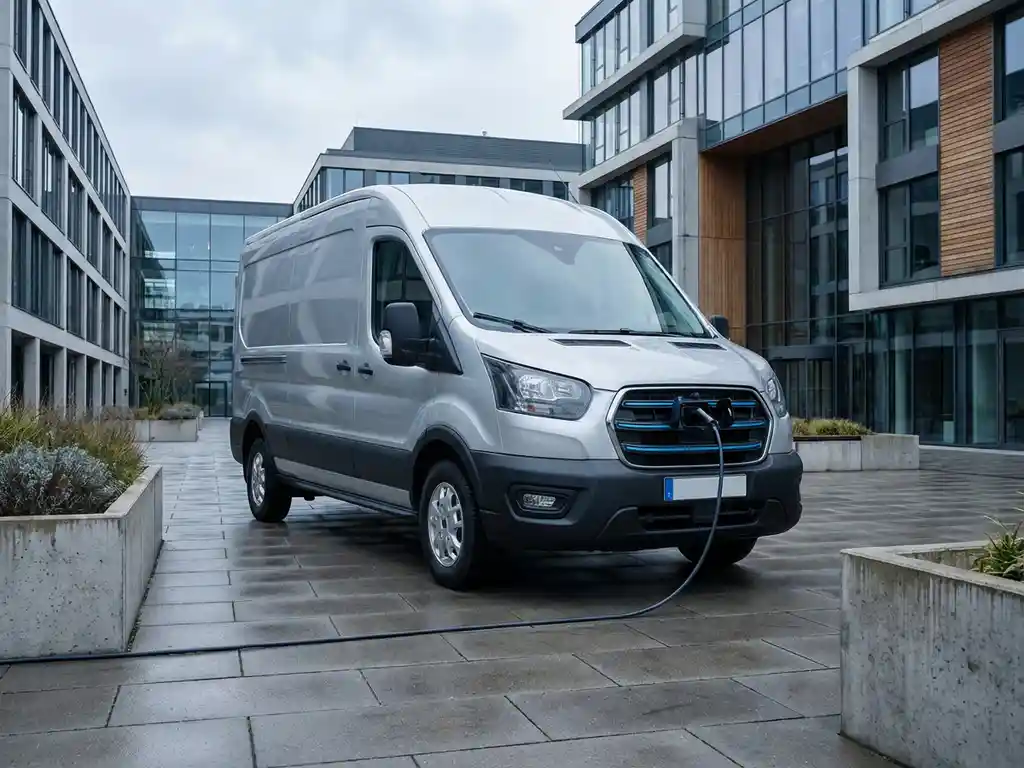
For electric commercial vehicles, you need three main types of charging cables: Type 2 for AC charging at home and at most public charging stations, CCS for fast charging on the road and sometimes CHAdeMO, depending on your vehicle make. Most modern commercial electric vehicles come with a Type 2 cable as standard, but you should check which connectors your specific vehicle has.
What different types of charging cables exist for electric commercial vehicles?
There are three main types of charging cables for electric commercial vehicles: Type 2, CCS and CHAdeMO. Type 2 is the European standard for AC charging and is used at most home and public charging stations. CCS (Combined Charging System) combines Type 2 with additional pins for DC fast charging. CHAdeMO is a Japanese standard mainly used by brands such as Nissan.
Type 2 cables can be recognised by the round connector with seven pins. These cables are suitable for charging capacities of up to 22 kW with a three-phase connection. Most electric utility vehicles from European brands such as Volkswagen, Mercedes-Benz and Ford use this standard.
CCS cables have the same Type 2 connector on top, but with two extra large pins underneath for DC charging. This combination allows for both slow AC charging and fast DC charging with one connection on your vehicle. Modern commercial electric vehicles are usually equipped with CCS.
CHAdeMO cables have a completely different, round connector and are mainly used by Japanese brands. If you have a Nissan e-NV200, you probably use CHAdeMO for fast charging.
How to choose the right charging cable for your electric utility vehicle?
Choosing the right charging cable starts with checking the charging port on your company car. Check your manual or the charging port itself to see which type of connection your vehicle has. Most modern commercial electric vehicles have a CCS port that supports both Type 2 and DC charging.
Pay attention to the maximum charging capacity of your vehicle. If your commercial vehicle can charge a maximum of 11 kW, it makes no sense to buy an expensive 22 kW cable. Also check the cable length: for commercial use, a cable of 5 to 7 metres is often more practical than standard cables of 3 to 4 metres.
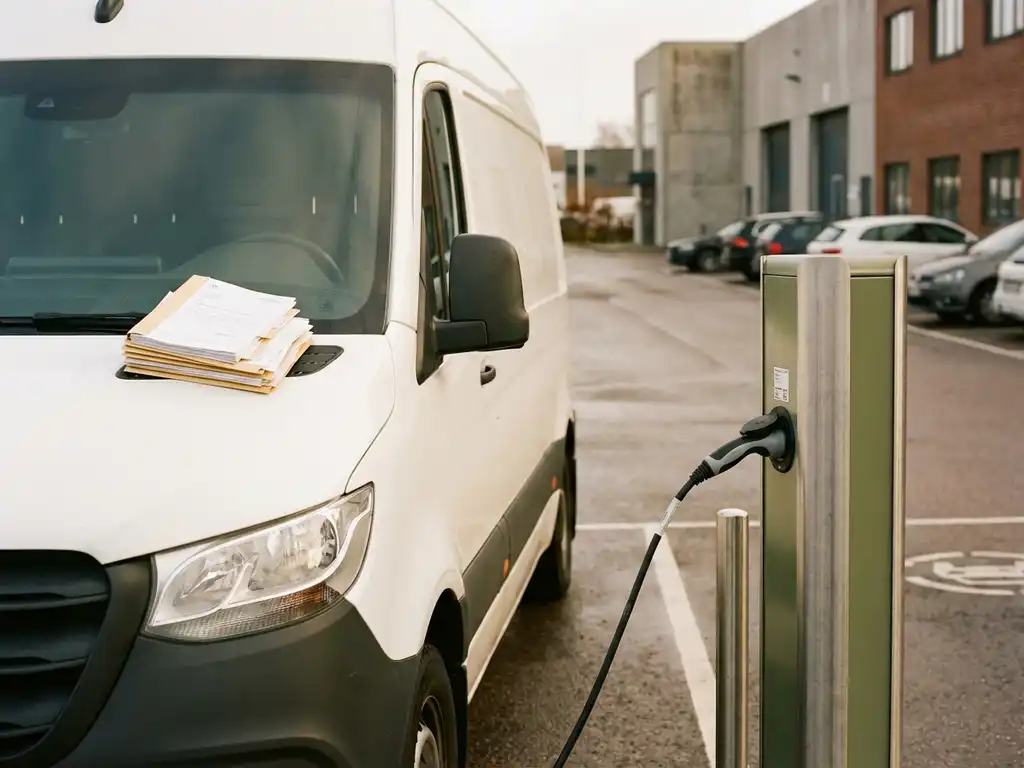
For home charging, a Mode 3 Type 2 cable is usually sufficient. For charging on the go, you can often use the fixed cables of fast charging stations, but a proprietary Type 2 cable gives you more flexibility at public AC charging stations.
Always check the cable's IP rating for weather resistance. For commercial outdoor use, at least IP54 is recommended. Choose cables from well-known brands that comply with IEC 62196 standard for safety and reliability.
What is the difference between AC and DC charging in commercial vehicles?
AC charging uses alternating current and is slower but cheaper, while DC charging pumps direct current directly into the battery for fast charging sessions. AC charging is done at home and at most public charging stations with capacities from 3.7 kW to 22 kW. DC charging is found at fast-charging stations with outputs from 50 kW to 350 kW.
In AC charging, the built-in charger in your commercial vehicle converts alternating current to direct current for the battery. This process limits the charging speed to the capacity of this internal charger. A typical commercial electric vehicle charges at 11 kW on AC, which means an empty 50 kWh battery takes about 4.5 hours.
DC charging bypasses the internal charger and delivers direct current directly to the battery. This allows you to charge much faster: a 50 kWh battery can be charged from 20% to 80% in 30 to 60 minutes on a 50 kW fast charger.
For business use, this means using AC charging for daily charging at the workplace or at home, and DC charging for long journeys where you need to recharge on the move. DC charging does cost more than AC charging.
Where is the best place to charge electric commercial vehicles?
The best charging location depends on your operating rhythm and daily mileage. Home charging is usually cheapest and most convenient for company vehicles returning to the same address in the evening. Charging at the workplace works well if your company has a fixed location with parking facilities.
Home charging costs around €0.25 to €0.30 per kWh and your company car is stationary at night anyway. You do need your own parking space and charging point. For companies with a fleet of vehicles, charging stations at the workplace can be fiscally attractive.
Public AC charging stations cost €0.35 to €0.50 per kWh and are useful for planned stops during work visits. They are often slower to charge than is possible at home, so you need more time. Many municipalities have free or cheap charging stations at public buildings.
Fast charging stations along motorways cost €0.50 to €0.80 per kWh, but charge your company car in 30 to 45 minutes to around 80%. This is ideal for long trips, but too expensive for daily use. Plan quick charging sessions around breaks or work visits.
Combine different charging methods: basic charging at home or at work, top-up at public charging stations during work visits and fast charging only for long distances.
How Van den Hurk helps with electric commercial vehicles
We help you make the complete switch to electric commercial vehicles with personal advice on vehicle selection and charging solutions. With more than 60 years of experience in commercial vehicles, we understand the practical challenges of electric driving for businesses and offer solutions that really work.
Our electric mobility support includes:
- Advice on the right electric utility vehicle model for your business needs
- Explaining charging options and what cables and equipment you need
- Flexible leasing options specially tailored to electric commercial vehicles
- Guidance on applying for grants and tax benefits
- Practical tips on range, charging planning and cost control
- Aftercare and support during the changeover period
We take the time to understand your business situation and give honest advice on the possibilities of electric driving. Whether you need a single company car or want to electrify an entire fleet, we think along with you about the best approach.
View our offer electric commercial vehicles or contact us for personal advice. We will be happy to help you make the switch to sustainable business mobility that suits your company.