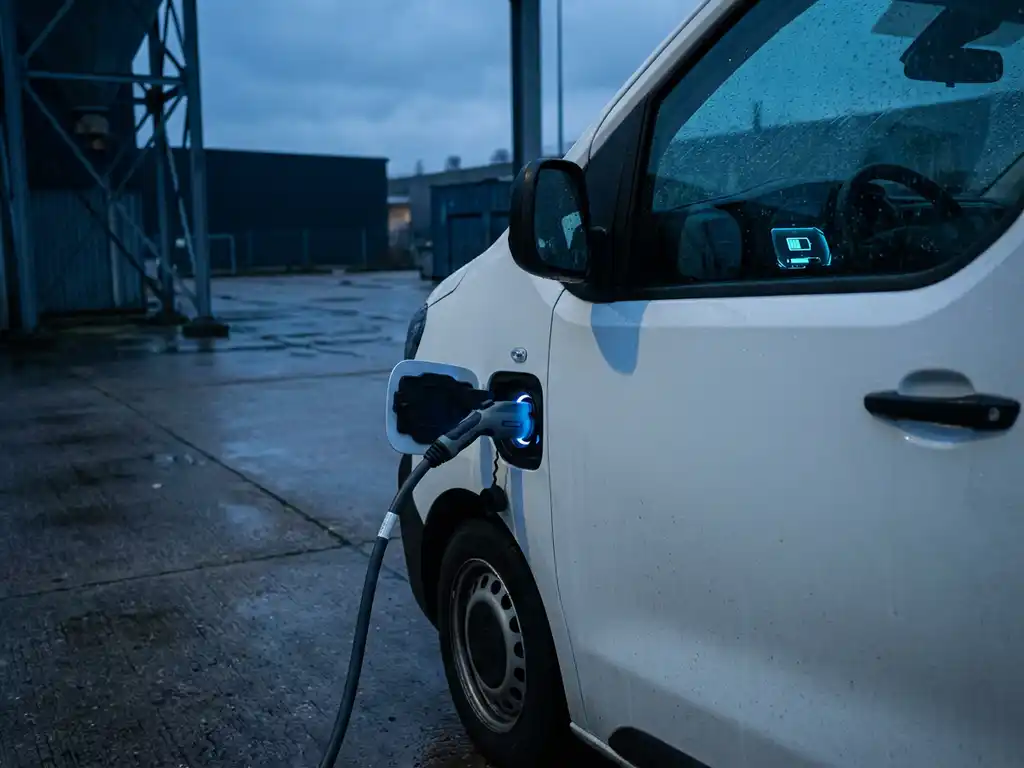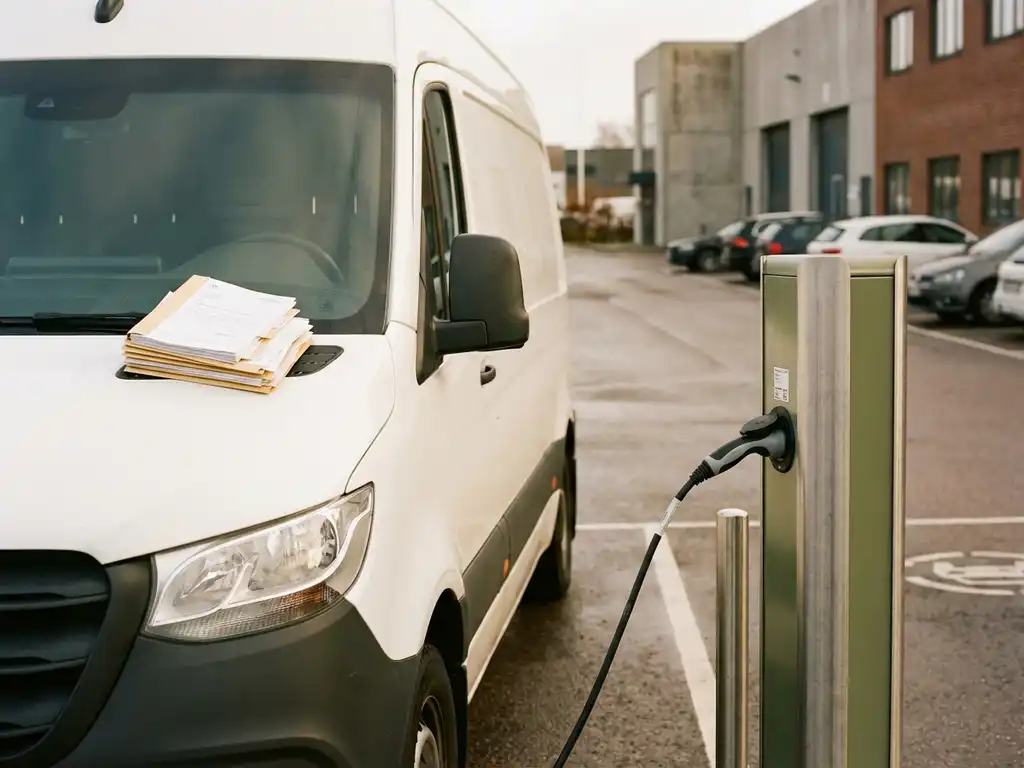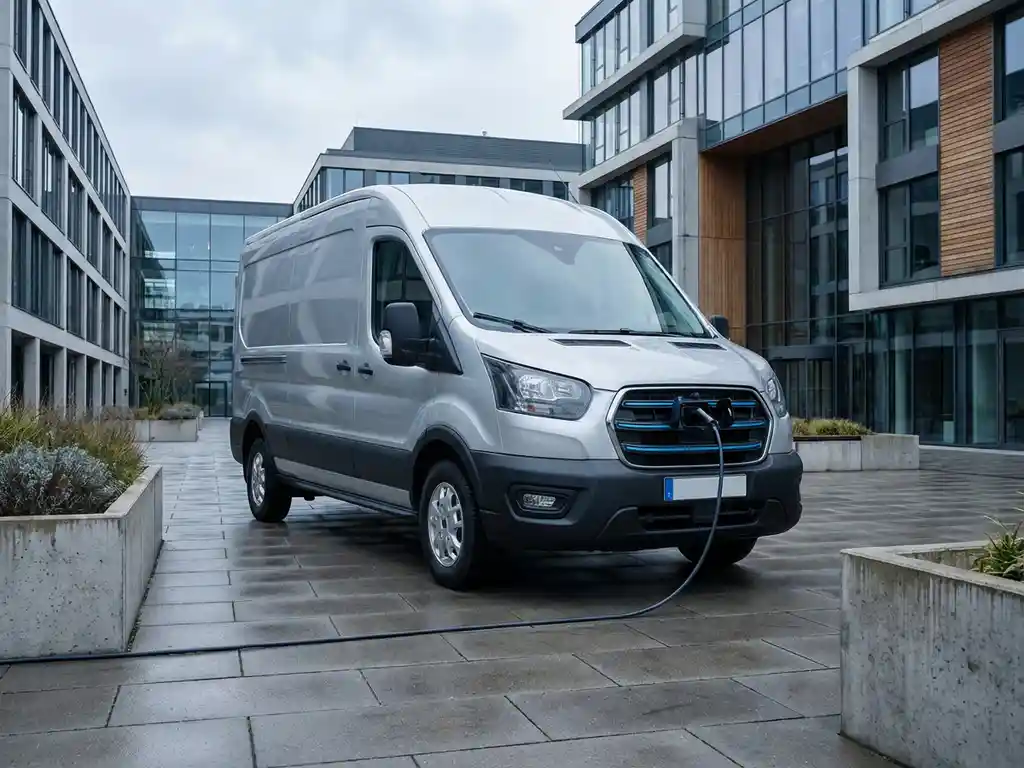

How do you lease electric commercial vehicles?
Leasing electric commercial vehicles works through a financial lease contract, where you pay monthly for the use of the vehicle without becoming its owner. You choose a suitable model, enter into a lease contract for a certain period and pay fixed monthly charges, including maintenance and insurance. This offers tax advantages and lower operating costs compared to purchase.
What are the benefits of leasing electric commercial vehicles?
Electric commercial vehicle leasing offers significant financial benefits due to lower fuel costs, tax breaks and reduced maintenance costs. Since January 2025, electric commercial vehicles have become more advantageous with the introduction of BPM tax on fuel vehicles, making the difference with diesel even greater.
The tax advantages are substantial. Electric company cars have no additional taxable benefit for private use and you can reclaim the full VAT. In addition, you benefit from the MIA scheme and the Vamil scheme for environmentally friendly investments, further reducing the total investment.
Operationally, electric commercial vehicles are more practical than many entrepreneurs think. They have fewer moving parts, reducing maintenance costs. Mileage costs are significantly lower due to cheaper electricity compared to diesel or petrol. Moreover, you get access to environmental zones and future zero-emission zones where diesel vehicles may be banned.
For your corporate image, an electric company car also delivers benefits. Customers increasingly value sustainable business practices and driving electric shows that you are investing in the future. This can have a positive effect on your corporate reputation and customer relations.
How much does it cost to lease an electric company car?
The monthly lease costs for electric vans range between €300 and €800 per month, depending on the model, equipment and contract length. You can lease a compact electric van from around €350 per month, while larger models with more cargo space cost around €600 to €700 per month.
When looking at the total cost, you need to consider several factors. The down payment is usually one to three monthly instalments. Insurance is often included in the lease rate, but always check. Maintenance costs are lower with electric vehicles, but charging costs come on top: count on about €3 to €5 per 100 kilometres for home charging.
A practical example: you can lease a Volkswagen ID. Buzz Cargo you lease for around €550 a month on a 48-month contract with 20,000 kilometres a year. A Ford E-Transit Custom starts at around €480 a month on similar terms. These prices include maintenance and insurance, but exclude fuel or charging costs.
Don't forget to factor in the savings. With lower fuel costs, no motor vehicle tax and tax breaks, the total cost of an electric commercial vehicle can be lower than that of a comparable diesel version, despite higher leasing costs.
Which electric commercial vehicles are best to lease?
The first choice depends on your specific business needs, but popular models include the Volkswagen ID. Buzz Cargo for versatility, the Ford E-Transit for large cargo space and the Mercedes eVito for premium looks. Pay particular attention to range, cargo capacity and suitability for your operations.
For local services and urban distribution, compact models such as the Nissan e-NV200 or the Renault Kangoo E-Tech are ideal. They have sufficient range for daily trips (150-200 kilometres) and are agile in urban environments. The purchase price via lease remains relatively low.
Need more cargo space? Then the Ford E-Transit Custom or the Mercedes eVito are better options. These mid-range commercial vehicles offer 300-350 kilometres of range and substantial cargo capacity. They are suitable for longer journeys and heavier loads, without compromising on comfort.
For specialised applications, such as refrigerated transport or wheelchair transport, electric variants are also available. For example, Toyota offers electric versions of the Proace for customised versions. When choosing, it is important to consider your daily mileage, charging options and specific equipment requirements.
How does the leasing process for electric commercial vehicles work?
The leasing process begins by determining your needs and requesting quotes from leasing companies. After approving your application, you sign the contract, after which delivery takes place within 2 to 12 weeks, depending on availability. At the end of the lease period, you return the vehicle or extend the contract.
Start with a thorough analysis of your driving habits and business needs. How many kilometres do you drive every day? Where can you charge? What charging capacity do you need? This information will help you choose the right model and lease terms.
Get quotes from several providers and compare not only the monthly price, but also what is included. Some contracts include maintenance, insurance and roadside assistance, while others do not. Also note the mileage allowance in case of excess and the conditions for damage at the end of the contract.
After contract signing, the leasing company arranges delivery. For electric commercial vehicles, delivery time may be longer than for conventional vehicles due to high demand. Plan for this in your operations. Upon delivery, you will be explained about charging and the specific features of your electric company car.
At the end of your lease period, you usually have three options: return the vehicle, extend the contract or take over the vehicle at its residual value. Pay attention to the return conditions: minor damages are normal, but make sure you return the vehicle in reasonable condition.
How Van den Hurk helps with electric commercial vehicles
We guide you through the complete process of leasing electric commercial vehicles with personal advice and transparent prices. With more than 60 years of experience in commercial vehicles, we combine proven expertise with the latest developments in sustainable mobility.
Our service includes:
- Personal advice on the most suitable electric model for your business
- A transparent quotation with all costs clearly stated
- Flexible leasing terms, tailored to your business needs
- Support in applying for tax benefits and subsidies
- Aftercare and service throughout the lease period
We work with several leasing companies to offer you the best terms. Whether you need a compact electric van for local services or a larger electric utility vehicle for transport, we will help you make the right choice. Our range of electric commercial vehicles is continuously expanded with the latest models.
Want to know more about the possibilities for your business? Contact us for a no-obligation chat about electric company car leasing. We would be happy to calculate what electric driving could mean for your situation.