
Do double cab vans hold their value well?
Yes, double cab vans generally retain their value well. This is due to the versatility of these vehicles, which combine both passenger transport and cargo space. Demand from various business sectors remains high, while the supply of quality used models is limited. This ensures a stable residual value, especially if you take good care of your vehicle and make the right choices when buying.
Why do double cab vans retain their value better than other commercial vehicles?
Double-cab vans hold their value well because they offer a unique combination of functionality. You get comfortable seating for up to six people as well as practical cargo space. This versatility makes them attractive to a wide range of businesses, from construction companies to technical service providers.
Demand for second-hand double cabins remains high because they are so practical for teams travelling together to project sites with their equipment. The separate seat and cargo area means the cab remains clean and comfortable, while tools and materials are transported safely. This makes them popular in sectors such as construction, agriculture and installation companies.
The supply of good used double cabs is often limited. Many companies keep their vehicles longer because they meet their needs so well. This scarcity in the second-hand market supports prices. In addition, double cabs are often better maintained because they are used by multiple team members and companies want to protect the investment.
Its practical functionality appeals to different audiences. Whether you have a small installation company or a larger construction company, a double-cab van often solves several transport problems at once. This wide appeal ensures that you will always find a buyer when you want to sell your vehicle.
What factors determine the residual value of a double cab van?
The residual value of your double cab is determined by a combination of concrete factors. Mileage and intensity of use top the list. A vehicle with 80,000 kilometres holds more value than one with 200,000 kilometres, simply because it has more life left in it. How those kilometres were driven also plays a role: motorway kilometres are often less taxing than constant city traffic.
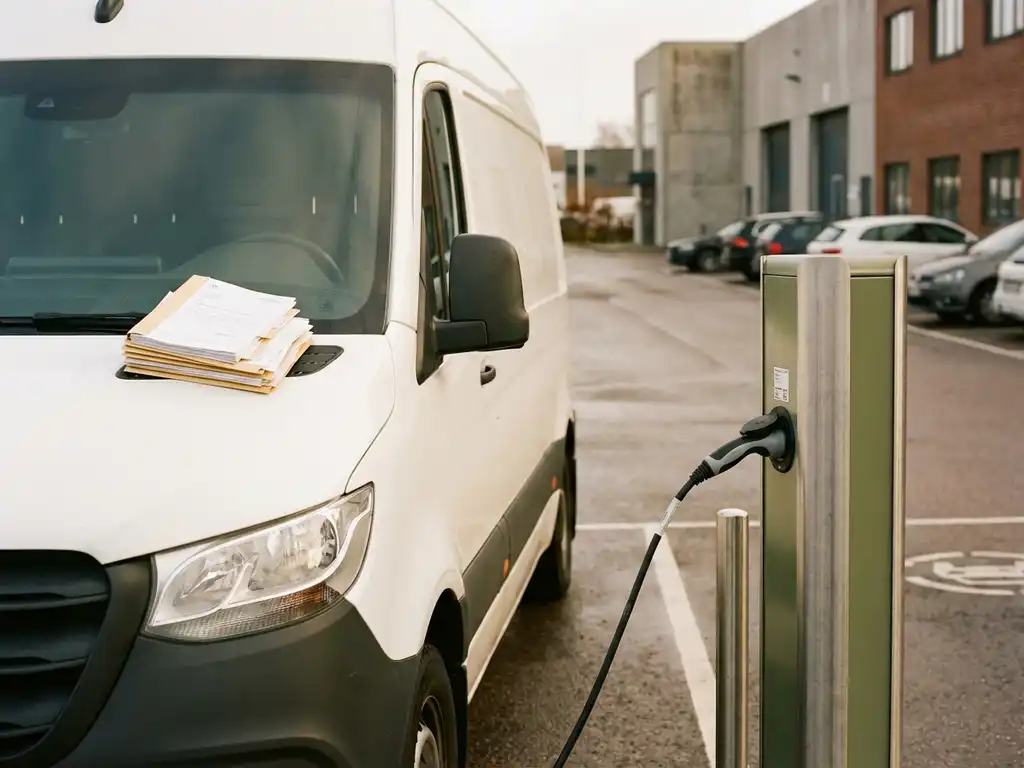
Your service history makes a big difference. A complete service booklet with regular servicing gives confidence to potential buyers. It shows that you have handled the vehicle carefully. Therefore, always keep all invoices and maintenance documentation, even of minor repairs.
Brand and model popularity strongly influence residual value. Some brands are known for their reliability and durability, which translates into better prices on the used market. The condition of both the cabin and the cargo area is important. Damage to the upholstery, scratches on the dashboard or dents in the cargo box immediately reduce the value.
The age of the vehicle also plays a role, of course, but is less important than you might think with well-maintained ones. Market demand fluctuates by period and region. Specific features such as towing capacity or four-wheel drive can significantly increase value, especially in certain sectors where these features are important.
Technical specifications that add value
- Four-wheel drive for construction and off-road use
- Higher towing capacity (up to 3,500 kg)
- Air conditioning in the cabin
- Modern safety systems
- Electric windows and central locking
How can you maximise the value retention of your double cab?
Regular maintenance according to the manufacturer's schedule is the basis for good value retention. Do not skip servicing even when you are busy. A missed service can later lead to bigger problems that significantly reduce the value. Plan your maintenance ahead and stick to it.
Documentation is your best friend when selling. Keep every receipt, invoice and maintenance receipt in one place. If necessary, take photos of important documents as a backup. These papers prove that you have taken good care of your vehicle and give buyers confidence that they are buying a reliable vehicle.
Protect both the interior and exterior from damage. Use mats in the cabin, especially if several people use the vehicle. Consider a protective coating for the cargo box to prevent scratches and dents. Small investments in protection will pay off handsomely later.
Avoid excessive modifications that are not standard. While some modifications may seem useful, they can put off potential buyers. Keep modifications professional and businesslike. Wild colours or extreme styling limit your target audience when selling.
Manage your mileage strategically where possible. If you have several vehicles, divide usage smartly. Also pay attention to the timing of sales. The commercial vehicle market is often more active at the beginning of the year when companies have new budgets, or at the end when they want to use residual budgets.
Practical tips for everyday use
- Wash your vehicle regularly, including the underside in winter
- Remove rust as soon as you see it
- Check tyre pressure monthly
- Clear the loading bay regularly and keep it clean
- Have small damages repaired immediately before they get bigger
What is the difference in value retention between new and used double cab vans?
New double cabs lose most of their value in the first two to three years. This is the steep depreciation curve everyone talks about. A new van can lose 20 to 30 per cent of its value in the first year, simply by driving from the showroom. In subsequent years, this flattens out to about 10 to 15 per cent per year.
Second-hand double cabs that are already a few years old lose their value much more gradually. The big depreciation blow has already been taken by the previous owner. This makes them more financially attractive for many companies. You get a reliable vehicle at a fraction of the new price, and the loss of value per year is much lower.
For your business, this means an important trade-off. If you buy new, you have the latest technology, full warranty and no worries about the vehicle's past. But you pay a premium for that convenience and quickly lose value. If you choose second-hand, then your initial investment is lower and the loss of value is more limited.
The financial impact depends on how long you plan to keep the vehicle. Do you plan to drive the same bus for five to seven years? Then buying new may make sense. Do you prefer to change every three years? Then a second-hand model two to three years old is often the smartest choice. You'll avoid the steep depreciation but still have a modern, reliable vehicle.
Your business activities also play a role. For intensive use with high mileage, a new bus with full warranty can provide peace of mind. For more moderate use, a well-maintained used double-cab van Excellent value for money without the heavy initial depreciation.
How Van Den Hurk helps choose a double cab with good value retention
With us, you will find transparent prices and honest advice on which models historically hold their value well. With more than 60 years of experience in commercial vehicles, we know the market inside out. We know which makes and models remain popular and why.
Our extensive range includes both new and used double cabs, giving you the choice that suits your situation. We help you make the financial trade-off between new and used, based on your specific use and plans. Every vehicle in our stock is carefully selected for quality and potential value retention.
What we do for you:
- Personal advice on models with proven residual value
- Transparent information on service history and condition
- Flexible leasing options that protect you from depreciation risk
- Access to our network of 400 commercial vehicles
- Stock alert service if you have specific requirements
- Guidance from advice to delivery
Want to know which double cab will best suit your business and hold its value well? Visit our showroom in Helmond or contact us. We will gladly think with you about the smartest choice for your situation, so that your investment retains its value and moves your business forward.